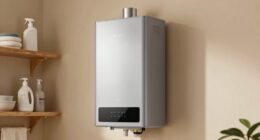
To effectively place smart leak detectors, position them near water sources like under sinks, behind appliances, around toilets, and near water heaters. Focus on high-risk areas such as basements, laundry rooms, and crawl spaces to catch leaks early. Avoid humid zones like boiler rooms or HVAC areas to prevent false alarms. Make sure they are within Wi-Fi range and distribute multiple detectors across large or complex spaces for full coverage. Keep exploring for more tips to protect your property better.

Get books, candles and calm essentials delivered free — and shop member deals
- Fast, free delivery on millions of items
- Access to Prime Big Deal Days deals on October 6–7
- Prime Video, Amazon Music and more included
Key Takeaways
- Place detectors near water sources like pipes, appliances, toilets, and water heaters to enable early leak detection.
- Position in high-risk areas such as basements, laundry rooms, and crawl spaces for added security.
- Avoid humid or condensation-prone zones, like boiler rooms, to prevent false alarms.
- Ensure detectors are within Wi-Fi or hub range and on each property level for comprehensive coverage.
- Use multiple detectors in large or complex spaces to maximize protection and monitoring effectiveness.

First, you should position leak detectors near areas most vulnerable to water intrusion. Think about places where water pipes, appliances, or fixtures are located—under sinks, behind washing machines, near water heaters, and around toilets. Placing detectors in these spots guarantees you’re alerted early if a leak occurs, reducing the risk of water damage spreading unnoticed. For example, a leak under the kitchen sink can cause significant damage if not caught promptly. Positioning a detector there allows you to respond swiftly, shutting off water supply if necessary.
Position leak detectors near sinks, water heaters, and appliances to catch leaks early and prevent costly damage.
Next, consider high-risk zones like basements, laundry rooms, and crawl spaces. These areas often contain plumbing that’s prone to leaks or deterioration over time. Installing detectors in these locations offers an extra layer of security, especially since water damage in these areas can go unnoticed for days. When water seeps into the foundation or flooring, it can lead to structural issues and mold, which are costly and time-consuming to address. You’ll want to position detectors on the floor or low on the wall, close to potential leak sources, to catch leaks early. Ensuring proper detector placement is crucial for comprehensive coverage. Additionally, understanding water intrusion risks can help you better identify vulnerable spots for detector installation. Regular maintenance checks can also improve the reliability of your detection system by ensuring sensors are clean and functional.
Another important consideration is the placement in areas with high humidity or potential condensation. In places like boiler rooms or near HVAC units, moisture buildup can sometimes trigger false alarms or obscure leaks. Keep detectors away from direct water splashes or areas with excessive humidity to ensure accurate readings. Also, if your smart leak detectors are part of an IoT network, make sure they’re within range of your Wi-Fi or connected hub, so alerts reach your smartphone instantly. Additionally, proper placement can prevent false alarms caused by humidity or condensation, ensuring you only get alerts when there’s an actual leak. Remember, an optimal location enhances the reliability and effectiveness of your leak detection system.
Finally, for maximum coverage, install detectors on each level of your property, especially near water sources. Use multiple detectors if your space is large or if you have multiple bathrooms or laundry areas. Proper placement, combined with smart notifications, allows you to respond swiftly to any leak, reducing water damage and safeguarding your property. In terms of strategic positioning of smart leak detectors, it is a simple yet powerful step toward effective water damage prevention. Understanding the importance of indoor environment safety can further guide your placement strategies for overall home health.
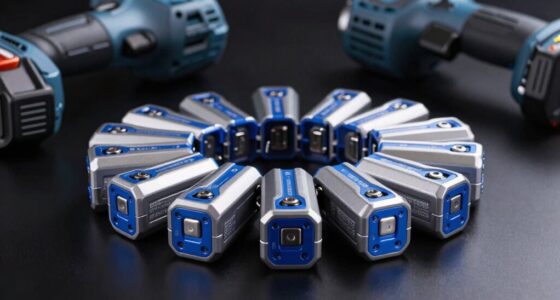
smart leak detector for water pipes
As an affiliate, we earn on qualifying purchases.
As an affiliate, we earn on qualifying purchases.
Frequently Asked Questions
How Often Should I Test My Leak Detector?
You should test your leak detector monthly to guarantee it’s working properly. Follow installation tips like placing it in key areas prone to leaks and keeping it unobstructed to prevent false alarms. Regular testing helps you catch issues early and keeps false alarms at bay. Use the test button or follow the manufacturer’s instructions to verify functionality, providing peace of mind that your detector will alert you promptly when needed.
Can Smart Leak Detectors Be Integrated With Home Automation Systems?
Like a knight of the digital age, you can definitely integrate smart leak detectors with your home automation system. Most modern detectors offer smart home compatibility and automation integration, allowing you to receive alerts or trigger actions instantly. You simply connect them via Wi-Fi or Zigbee, and they seamlessly sync with your existing smart home setup—bringing peace of mind and smarter living right to your fingertips.
What Is the Battery Life of Wireless Leak Detectors?
Wireless leak detectors typically offer a battery life of about 1 to 3 years, depending on their battery longevity and power management features. You should check the manufacturer’s specifications for precise estimates. To maximize their lifespan, make sure you regularly replace or recharge batteries as recommended. Efficient power management helps prevent false alarms and ensures reliable leak detection, giving you peace of mind knowing your home is protected without frequent maintenance.
Are Smart Leak Detectors Suitable for Outdoor Use?
Yes, smart leak detectors are suitable for outdoor use. They feature outdoor durability, weather resistance, and rugged construction to withstand rain, humidity, and temperature fluctuations. You can confidently place them around your garden, basement, or outdoor pipes, knowing they’ll monitor effectively and endure the elements. Just make certain you select models explicitly designed for outdoor environments, and follow installation guidelines to maximize their weather resistance and longevity.
How Do I Maintain and Clean My Leak Detector?
To maintain and clean your leak detector, regularly check the sensor calibration and detection sensitivity. Gently wipe the sensor with a soft, damp cloth to remove dust or dirt, avoiding harsh chemicals. Make certain the device is powered off before cleaning. Periodically test the detector’s sensitivity by exposing it to a small amount of water or vapor, adjusting calibration if needed, to keep it functioning accurately and reliably.
As an affiliate, we earn on qualifying purchases.
Conclusion
By placing smart leak detectors thoughtfully, you’re weaving a safety net that catches trouble before it spreads. Like vigilant sentinels guarding your home’s hidden secrets, they stand ready to alert you at the first whisper of trouble. When positioned wisely, these devices become your silent guardians—turning potential chaos into calm assurance. Trust in their watchful eyes, and let your home breathe easy, protected by a web of smart, steadfast vigilance that’s always on the lookout.
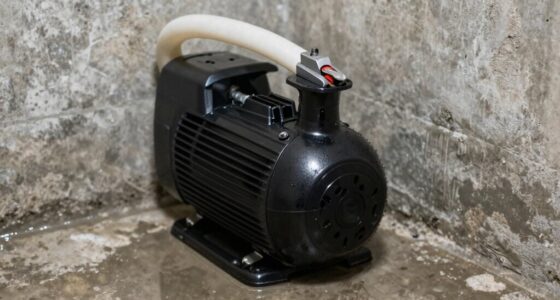
water leak detector for basement
As an affiliate, we earn on qualifying purchases.
As an affiliate, we earn on qualifying purchases.
As an affiliate, we earn on qualifying purchases.
Fall Picks
fall essentials
As an affiliate, we earn on qualifying purchases.