HEPA canisters beat upright vacuums by offering superior dust containment and maintaining better air quality. They capture 99.97% of particles as small as 0.3 microns, preventing dust and allergens from escaping during disposal. This makes them ideal if you suffer from allergies or asthma. Plus, they’re easier to maneuver into tight spaces. If you want to discover how they provide long-term health benefits and improve your cleaning routine, keep exploring.

Get books, candles and calm essentials delivered free — and shop member deals
- Fast, free delivery on millions of items
- Access to Prime Big Deal Days deals on October 6–7
- Prime Video, Amazon Music and more included
Key Takeaways
- HEPA canisters provide superior dust containment, reducing dust escape during disposal compared to upright vacuums.
- They capture 99.97% of tiny particles (0.3 microns), improving air quality better than upright models.
- Canisters are more versatile and easier to maneuver in tight spaces and under furniture.
- Their airtight design minimizes secondary dust exposure, benefiting allergy and asthma sufferers.
- Proper maintenance ensures sustained filtration efficiency and longer vacuum lifespan.
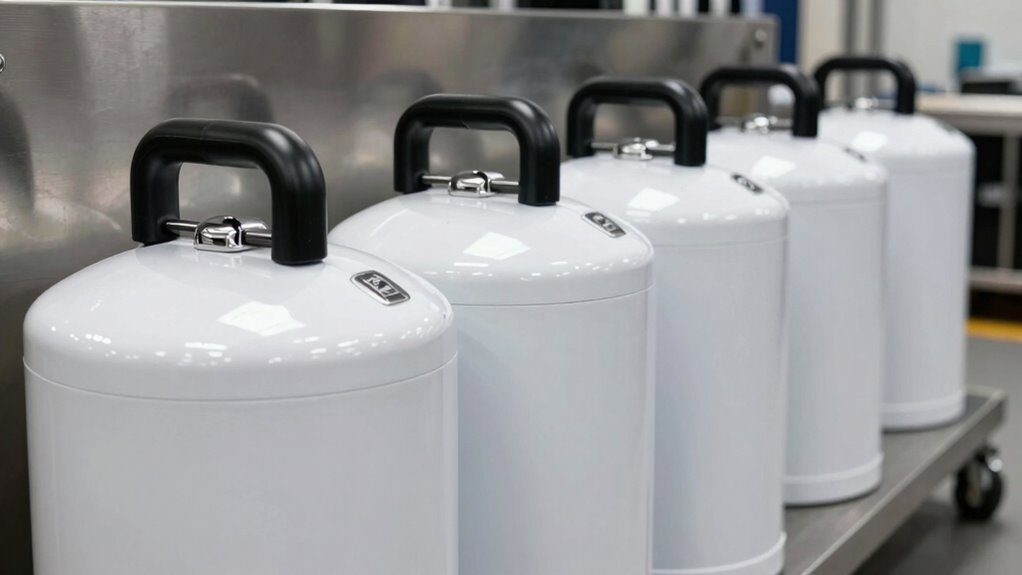
HEPA canisters are essential tools for anyone aiming to improve air quality, especially in environments with dust, allergens, or airborne contaminants. Unlike traditional upright vacuums, these canisters excel in providing superior air filtration and dust containment. When you opt for a HEPA canister, you’re choosing a system that captures 99.97% of particles as small as 0.3 microns, making it it ideal for allergy sufferers, asthma patients, or anyone concerned about indoor air quality. This high level of filtration ensures that dust, pollen, pet dander, and even bacteria are effectively trapped within the canister, preventing them from escaping back into the room.
One of the biggest advantages of a HEPA canister over upright models is its ability to contain dust more efficiently. Upright vacuums typically have a bag or bin that can sometimes release dust when emptied or if there’s a breach. In contrast, a well-designed HEPA canister offers airtight dust containment, meaning you’re less likely to experience secondary dust exposure. When you empty the canister, you can do so with confidence that most of the dust stays sealed inside, reducing airborne dust particles that could aggravate allergies or respiratory issues. This feature not only benefits your health but also contributes to cleaner indoor spaces. Additionally, many HEPA canisters incorporate advanced filtration technologies that enhance overall cleaning performance and air quality. Proper maintenance and timely filter replacements are also crucial for ensuring optimal air filtration, prolonging the life of your vacuum and maintaining peak performance.
In terms of air filtration, HEPA canisters stand out because of their ability to filter the air directly as you vacuum. As dust and debris are collected, the vacuum’s filtration system ensures that the air expelled back into the room is clean and free of allergens. This is especially important if you’re cleaning in spaces with high dust levels or in homes with pets. The design of HEPA canisters often includes high-efficiency filters that prevent fine dust particles from escaping, making them more effective than standard vacuums in maintaining a healthier environment. Properly maintained filters also help reduce airborne pollutants, contributing to a healthier indoor space. The durability of HEPA canisters ensures they maintain their filtration efficiency over time, providing long-term health benefits. Overall, HEPA canisters are a smart investment for those seeking a healthier living space.
Furthermore, HEPA canisters tend to be more versatile and easier to maneuver, especially in tight spaces or for thorough cleaning. Because they’re often lighter and more compact than upright models, you can carry or move them around more easily, reaching under furniture or into corners where dust tends to accumulate. This flexibility ensures you can maintain better dust containment and air filtration throughout your entire home or workspace. Additionally, the compact design helps preserve the integrity of the air filtration system, ensuring optimal performance. Investing in a HEPA canister means choosing a cleaning tool that prioritizes air quality, minimizes dust escape, and guarantees a healthier environment for you and your loved ones.
As an affiliate, we earn on qualifying purchases.
Frequently Asked Questions
Are HEPA Canisters Suitable for Pet Hair Removal?
Yes, HEPA canisters are excellent for pet hair removal because they trap tiny particles, including pet dander and hair. You’ll find that they’re compatible with many vacuum models, making cleaning easier and more hygienic. By using a HEPA canister, you prevent allergens from being released back into the air, ensuring a cleaner environment for you and your pets. They’re a smart choice if you want effective, allergen-free pet hair removal.
How Often Should HEPA Canisters Be Replaced?
You should replace your HEPA canister when you notice a decline in vacuum performance or increased filter lifespan. Typically, this means every 6 to 12 months, but it varies based on usage and environment. Ignoring signs of wear could compromise air quality and filter efficiency. Regular vacuum maintenance is vital—don’t wait until it’s too late. Keep a close eye, and replace the canister promptly to guarantee maximum cleaning power.
Can HEPA Canisters Improve Allergy Symptoms?
Yes, HEPA canisters can improve your allergy symptoms by enhancing air quality and allergen filtration. They trap tiny particles like pollen, dust mites, and pet dander that trigger allergies. When you use a HEPA canister, you’re reducing airborne allergens, making breathing easier and alleviating allergy symptoms. Regularly replacing and maintaining the canister guarantees peak filtration, helping you breathe cleaner air and feel more comfortable indoors.
Are HEPA Canisters Compatible With All Vacuum Models?
HEPA canisters aren’t compatible with all vacuum models, so you need to check vacuum compatibility before purchasing. Different model variations often require specific canister sizes or connection types. To guarantee a proper fit, review your vacuum’s manual or contact the manufacturer. Using the right HEPA canister ensures optimal filtration and performance, helping you effectively reduce allergens and dust without risking damage to your vacuum cleaner.
Do HEPA Canisters Reduce Dust Mite Allergens Effectively?
You might wonder if HEPA canisters effectively reduce dust mite allergens. Research confirms they do, as HEPA filters trap tiny particles like dust mites and their allergens, preventing them from recirculating into the air. Using a HEPA canister considerably improves allergen reduction, especially for allergy sufferers. So, yes, investing in a HEPA canister helps create a cleaner, healthier environment by capturing those pesky dust mite allergens more efficiently than standard vacuum filters.
As an affiliate, we earn on qualifying purchases.
Conclusion
Don’t dismiss canisters too quickly—they often outperform uprights in filtering out tiny particles, especially in tight spaces. While uprights might seem more convenient, canisters’ superior suction and maneuverability mean you’ll get a deeper clean with less hassle. If you’re worried about weight or storage, remember that modern designs are lighter and more compact than ever. So, next time you choose a vacuum, consider a canister—you might be surprised how much better it can clean your home.
air quality HEPA vacuum canister
As an affiliate, we earn on qualifying purchases.
As an affiliate, we earn on qualifying purchases.
As an affiliate, we earn on qualifying purchases.
Fall Picks
fall essentials
As an affiliate, we earn on qualifying purchases.