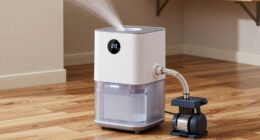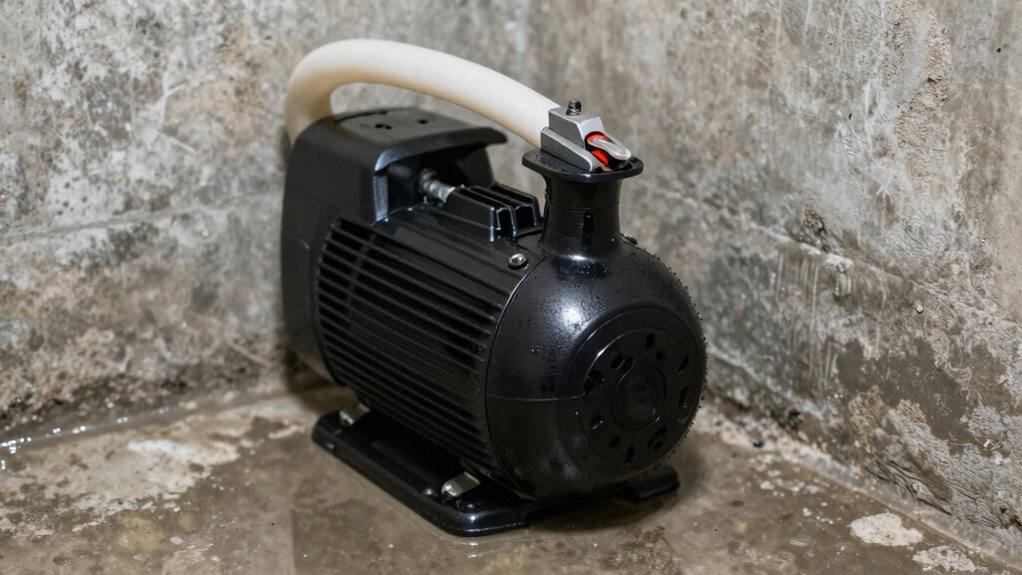
A sump pump is a vital device installed in a basement sump pit that keeps your home dry by automatically removing excess water. It activates when water levels rise, pumping out water to prevent flooding and water damage. Proper maintenance of your sump pump and related drainage systems is essential for peak performance, especially during heavy rains or snow melts. To learn more about how to effectively protect your basement, explore the basics of sump pumps further.
Listen free for 30 days with Audible
Thousands of audiobooks and originals — cancel anytime.
As an affiliate, we earn on qualifying purchases.
Key Takeaways
- Sump pumps are installed in basement sump pits to automatically remove excess water and prevent flooding.
- Regular maintenance ensures the sump pump functions properly during heavy water inflow.
- Proper waterproofing and drainage systems work together to protect basements from water intrusion.
- Sump pumps are a critical component of comprehensive basement waterproofing strategies.
- Understanding water flow and system components helps homeowners optimize sump pump performance.
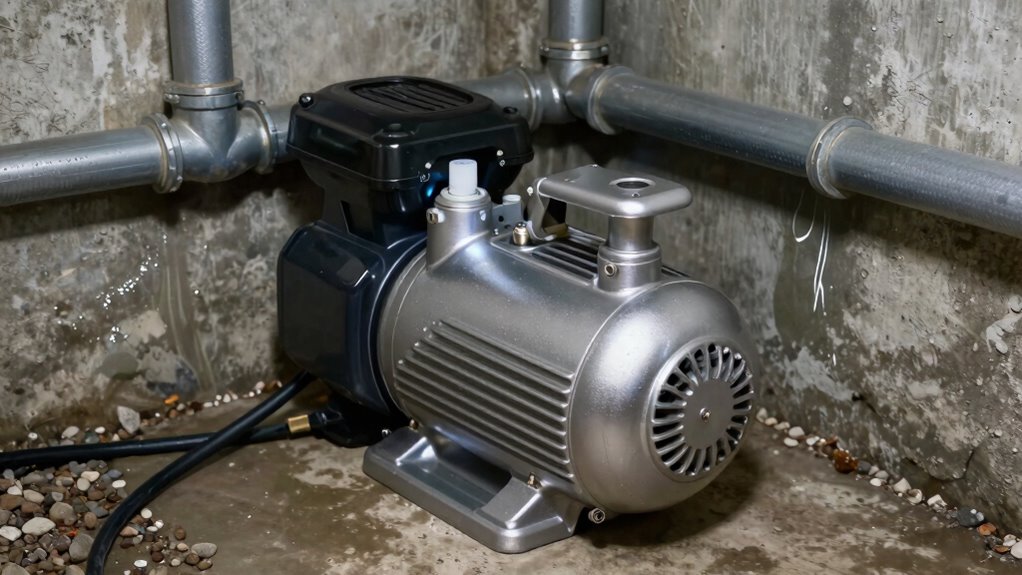
Have you ever wondered how to protect your basement from flooding? One essential component is understanding sump pumps and how they work. To effectively prevent water damage, you need to explore waterproofing techniques combined with proper drainage systems. These strategies work together to keep your basement dry, especially during heavy rains or snow melts. Waterproofing techniques involve sealing any cracks or openings in your foundation, but that alone isn’t enough. You also need to install a drainage system that directs water away from your home. This is where sump pumps come into play—they act as the final line of defense by removing water that accumulates in your basement.
A sump pump is installed in a sump pit, which is dug into your basement floor. When water levels rise, the sump pump automatically activates, pumping out excess water and preventing flooding. To maximize protection, it’s critical to guarantee your drainage system is properly designed. This typically includes installing exterior or interior drain tiles, which collect water and direct it toward the sump pit. These drainage systems help reduce the water load on your foundation and prevent it from seeping through cracks or porous spots. When combined with effective waterproofing techniques, such as waterproof membranes or sealants, your basement becomes much more resistant to water intrusion. Proper waterproofing techniques are essential for creating a comprehensive approach to basement protection. Additionally, understanding water flow dynamics can help you optimize your drainage system for better efficiency. Paying attention to drainage design can significantly improve how water is managed around your home. Incorporating proper maintenance of your sump pump and drainage system is also crucial to ensure they operate effectively when needed.
As an affiliate, we earn on qualifying purchases.
Frequently Asked Questions
How Often Should I Test My Sump Pump?
You should test your sump pump at least once every three to six months to guarantee it’s working correctly. Regular maintenance tips include pouring water into the sump pit to activate the pump and check its operation. This proactive approach boosts your emergency preparedness by identifying potential issues early. If your pump doesn’t turn on or sounds unusual, address the problem immediately to prevent flooding during heavy rains.
Can I Install a Sump Pump Myself?
Yes, you can install a sump pump yourself if you’re comfortable with basic plumbing and electrical work. Focus on installation safety by turning off power and carefully following the manufacturer’s instructions. Consider power source considerations, like ensuring you have a reliable outlet nearby and possibly installing a backup system. If you’re unsure about electrical connections or plumbing, it’s best to hire a professional to avoid safety risks and guarantee proper operation.
What’s the Lifespan of a Sump Pump?
You might find it surprising, but your sump pump typically lasts between 7 to 10 years with proper maintenance. Regularly checking and cleaning the pump, inspecting the discharge pipe, and testing the float switch can extend its lifespan. When considering installation, make certain it’s done correctly to avoid early failures. Proper maintenance tips and thoughtful installation considerations help keep your sump pump running smoothly, protecting your home from flooding.
How Do I Know if My Sump Pump Is Working?
To check if your sump pump is working, start with pump maintenance by pouring water into the sump basin; it should activate and pump the water out. Listen for the motor running and observe if the float switch moves freely. Consider backup options like a battery-powered pump or water-powered backup to guarantee functionality during power outages. Regular testing and maintenance help keep your sump pump reliable and ready for heavy rain.
What Are Signs My Sump Pump Needs Replacement?
If your sump pump frequently runs or fails to turn on during heavy rain, it might be time for a replacement. For example, a homeowner noticed constant soil moisture around the foundation, even after rain. This indicates the pump isn’t effectively removing water. Consider backup options like battery-powered pumps to prevent flooding. Signs like persistent humidity or strange noises signal your sump pump needs replacing to keep your basement dry and protected.
As an affiliate, we earn on qualifying purchases.
Conclusion
Now that you understand the basics of sump pumps, you’re better equipped to protect your home from flooding. Think of your sump pump as a loyal guardian, tirelessly working behind the scenes to keep water at bay. Regular maintenance and prompt repairs guarantee it stays in top shape, just like a well-oiled machine. With this knowledge, you can confidently safeguard your home, knowing you’re prepared—like a captain steering your ship clear of stormy waters.
As an affiliate, we earn on qualifying purchases.
As an affiliate, we earn on qualifying purchases.
Flea & tick season Picks
flea and tick prevention
As an affiliate, we earn on qualifying purchases.