Rechargeable AA and AAA batteries using NiMH chemistry are easy to use and cost-effective. They can be recharged hundreds of times, but they need proper care to last longer. Avoid overcharging or charging in extreme temperatures, and always use a good charger with automatic shut-off. Store them in a cool, dry place when not in use. Stick with these simple tips, and you’ll get the most out of your batteries—there’s more to discover!
Key Takeaways
- NiMH batteries are rechargeable and can be used hundreds of times with proper care.
- Avoid overcharging and use chargers with automatic shut-off to prolong battery life.
- Charging at room temperature and avoiding extremes helps maintain battery health.
- Store batteries in a cool, dry place to prevent capacity loss over time.
- Proper charging and handling maximize performance and lifespan of AA and AAA NiMH batteries.
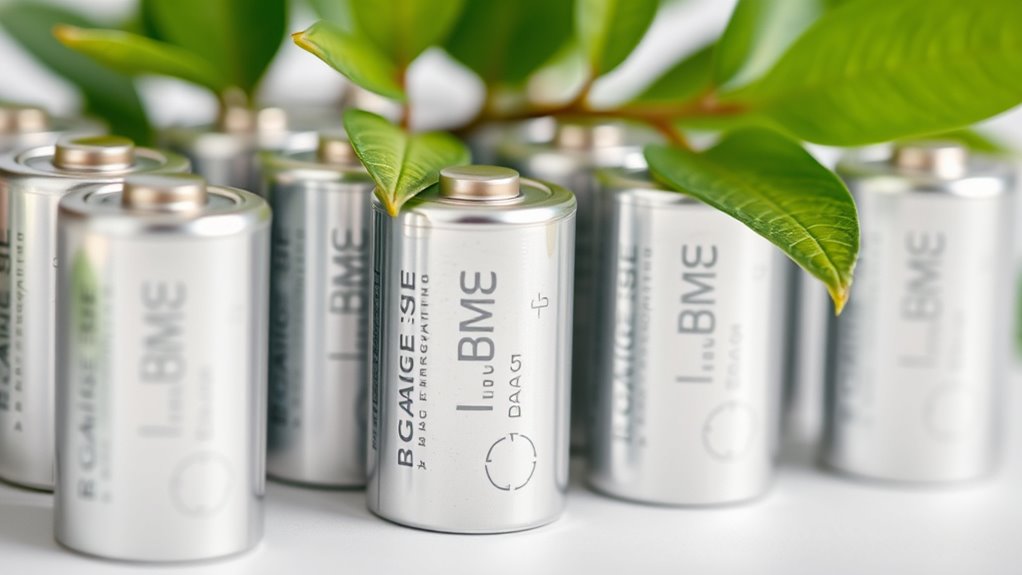
Have you ever wondered if there’s a better alternative to constantly buying disposable batteries? If so, rechargeable AA and AAA batteries could be exactly what you need. Unlike single-use batteries that end up in the trash after a few hours of use, rechargeable options can be reused hundreds of times, saving you money and reducing waste. But to get the most out of them, understanding their battery lifespan and proper charging techniques is essential.
Battery lifespan refers to how long a rechargeable battery can perform effectively before it starts to degrade. With NiMH (Nickel-Metal Hydride) batteries, which are common in AA and AAA sizes, you can expect around 500 to 1000 charge cycles. That means you can recharge them hundreds of times before noticing a significant drop in capacity. To maximize this lifespan, it’s important to adopt proper charging techniques. For instance, avoid overcharging, which can shorten a battery’s life. Many modern chargers come with automatic shut-off features that stop charging once the batteries are full, preventing overcharge damage. Also, don’t leave batteries on the charger indefinitely; once fully charged, unplug or remove them to prevent unnecessary stress.
Recharge NiMH batteries 500 to 1000 times with proper charging to extend their lifespan and performance.
Temperature also plays a role in maintaining a healthy battery lifespan. Charging batteries at room temperature is ideal—charging them in extreme cold or heat can cause damage or reduce their overall longevity. If you’re using a charger that offers different charging modes, opt for quick charge when you’re in a hurry, but stick to slower, more gentle charging cycles when you’re not in a rush. This helps preserve the battery’s internal chemistry and extends its effective lifespan.
Using the right charging techniques isn’t just about prolonging the battery’s life; it also ensures your devices work reliably. Always use chargers recommended by the manufacturer or those compatible with NiMH batteries. Cheap, incompatible chargers can deliver inconsistent power, which not only reduces battery lifespan but might also damage the batteries or your devices. Keep the batteries in a cool, dry place when not in use, and avoid letting them fully discharge repeatedly—this can negatively impact their capacity and overall health. Additionally, understanding battery chemistry can help you choose the most suitable charging methods and extend the overall lifespan of your rechargeable batteries.

BORAMDO 22Pcs Healing Crystals Set, Chakra Stones Kit in Wooden Box
- Complete Crystal Set: Includes stones, jewelry, and accessories
- Natural Healing Crystals: Made from unique, natural stones with variations
- Chakra Energy Stones: Represents 7 energy centers of the body
As an affiliate, we earn on qualifying purchases.
Frequently Asked Questions
How Long Do Nimh Batteries Typically Last Before Replacement?
NiMH batteries usually last about 2 to 5 years before needing replacement, depending on usage and maintenance. Proper care can extend their lifespan, so keep an eye on their performance and capacity. When you notice reduced power or shorter run times, it’s time for replacement. Regularly cycle and recharge them correctly to maximize their battery lifespan, ensuring you get the most out of your rechargeable AA or AAA batteries.
Are Nimh Batteries Safe for All Electronic Devices?
Think of NiMH batteries as versatile keys fitting many locks; they’re generally safe for most electronic devices. However, for battery safety and device compatibility, always check your device’s specifications. NiMH batteries work well with cameras, remote controls, and flashlights, but avoid using them in devices that require high surge power or are incompatible. When used properly, they’re a reliable, eco-friendly choice that keeps your gadgets running smoothly.
Can Nimh Batteries Be Used in High-Drain Gadgets?
Yes, you can use NiMH batteries in high-drain gadgets. They have a decent battery capacity that supports these devices, and their charging speed is relatively quick. Just guarantee you choose batteries with higher mAh ratings for longer usage, and use a compatible charger to prevent overcharging. This way, your high-drain gadgets will perform reliably, and you’ll get the most out of your rechargeable NiMH batteries.
What’s the Best Way to Store Rechargeable Batteries Long-Term?
Storing rechargeable batteries safely starts with smart strategies. Store them in a cool, dry place, ideally around 15-20°C, to prevent capacity loss. Avoid extreme temperatures, which can harm their health. Remember to recycle old batteries properly to protect the planet. By keeping batteries in a stable space and practicing proper battery recycling, you preserve their power and prolong their lifespan for future use, making your tech truly sustainable.
How Many Charge Cycles Can Nimh Batteries Usually Handle?
You can generally expect NiMH batteries to handle around 500 to 1,000 charge cycles. To extend their lifespan, remember to practice proper battery recycling when they’re no longer usable, reducing environmental impact. Avoid overcharging or deep discharges, which can shorten cycle life. Proper storage and usage help maximize performance, ensuring you get the most out of these rechargeable batteries while also protecting the environment.

32 Natural Crystals and Healing Stones with Guide, Real Raw Crystal Set
- Includes 32 Crystals and Stones: Large rough and specimen stones included
- Popular Rough Crystals: 16 well-known healing gemstones included
- Special Raw Stone Specimens: 16 unique specimen stones included
As an affiliate, we earn on qualifying purchases.
Conclusion
Now that you know the basics of NiMH rechargeable batteries, you’re ready to make smarter choices. Think of these batteries as tiny powerhouses, quietly working behind the scenes to keep your devices alive. With their eco-friendly and cost-effective nature, they’re more than just batteries—they’re your sustainable energy allies. So, why not embrace this rechargeable revolution? After all, isn’t it time to give your gadgets—and the planet—a brighter, more energized future?

Anima® 7 Chakra Healing Crystals Set for Energy Alignment & Balance
- Complete Chakra Crystal Set: Seven crystals for energy balance
- Authentic Natural Crystals: Hand-selected, unique variations
- Large Raw Crystals: Approximately 1.4 to 1.6 inches
As an affiliate, we earn on qualifying purchases.

InnoGear 400ml Aromatherapy Essential Oil Diffuser 10 Oils Gift Set, Dark
- Proper Refill Instructions: Use measuring cup, keep water below MAX line
- Timer and Mist Settings: 4 timer options and 2 mist levels
- Automatic Shutoff: Stops when water runs out or timer ends
As an affiliate, we earn on qualifying purchases.