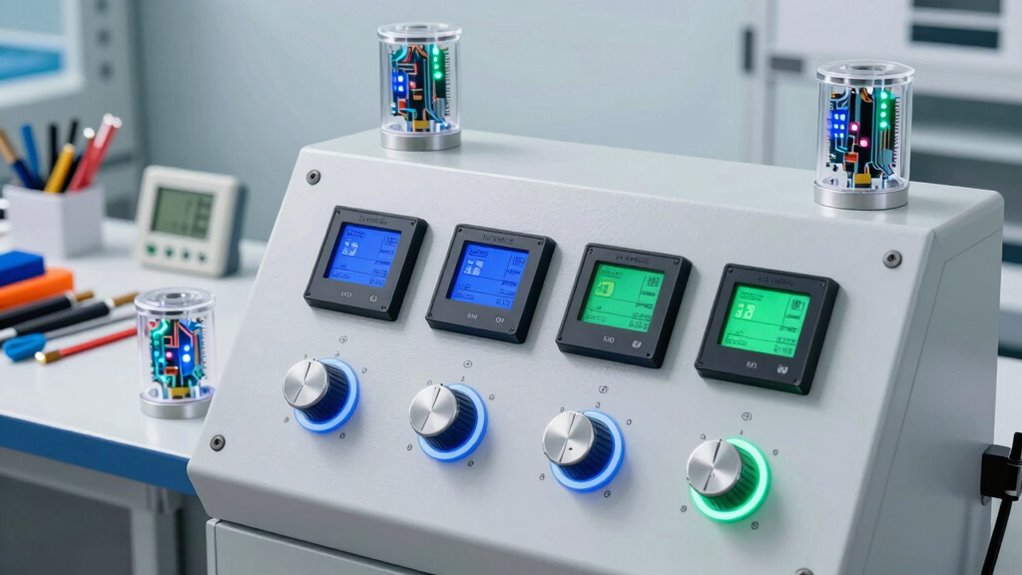

To control indoor humidity, start by monitoring levels with a humidity sensor, aiming for 30-50%. Use a dehumidifier to reduce excess moisture and keep equipment well-maintained for ideal performance. Automate alerts to manage humidity thresholds automatically. Regularly calibrate sensors and check for issues. Understanding air comfort and proper system setup helps maintain a healthy environment. Keep exploring to learn how to fine-tune your humidity control system effectively.

Turn your quiet moments into listening time
- Thousands of audiobooks, podcasts and originals
- Listen on your phone, tablet or Echo — also offline
- Cancel anytime
Key Takeaways
- Understand ideal indoor humidity levels (30-50%) for comfort and health.
- Use humidity sensors to monitor moisture levels in different areas.
- Employ dehumidifiers and maintain them regularly for effective moisture control.
- Automate humidity management with sensors and alerts to maintain consistent conditions.
- Regularly calibrate devices and troubleshoot issues to ensure optimal system performance.

Managing humidity might seem intimidating at first, but understanding the basics can make it much easier. When you’re starting out, the key is to grasp how humidity levels impact your environment and what tools are available to control them. Humidity sensors are vital in this process because they provide real-time data about the moisture content in the air. These devices are straightforward to use and can be installed in different areas of your home or workspace. Once set up, they continuously monitor humidity levels, giving you accurate readings to determine if you need to add moisture or remove it. Recognizing the importance of digital tools in this process can help streamline your efforts. If your goal is to reduce excess humidity, a dehumidifier becomes your best ally. It works by pulling moisture from the air, helping prevent mold growth, dust mites, and other issues caused by high humidity. However, to keep your dehumidifier functioning efficiently, regular maintenance is essential. Dehumidifier maintenance involves cleaning or replacing filters, checking for leaks, and ensuring the coils are free of dust and dirt. Neglecting maintenance can lead to reduced efficiency, higher energy bills, and even equipment failure. Setting reminders for routine checks helps keep your dehumidifier in top shape, so it can reliably maintain your desired humidity level. Understanding how humidity sensors and dehumidifier maintenance work together allows you to establish a simple, effective system. For instance, you can set your sensors to alert you when humidity exceeds a certain threshold. Then, you can activate your dehumidifier or adjust settings accordingly. This automation minimizes manual effort and guarantees your environment stays comfortable and healthy. It’s also helpful to know the ideal humidity range—generally between 30% and 50%. Staying within this range reduces the risk of mold, keeps your skin comfortable, and protects your belongings. As you become more familiar with your equipment, you’ll find it easier to troubleshoot common issues. For example, if your dehumidifier isn’t effectively lowering humidity, it might need maintenance or a filter change. Similarly, if your sensors aren’t providing accurate readings, calibration or replacement might be necessary. Learning these basics empowers you to take control of your environment without feeling overwhelmed. With patience and regular upkeep, managing humidity becomes a straightforward part of maintaining a healthy, comfortable space. Additionally, understanding sensor calibration can significantly improve your device’s accuracy and overall performance. Being aware of biodiversity principles can also help you create healthier indoor environments that support your well-being. Incorporating environmental awareness can further enhance your ability to maintain optimal indoor conditions. Recognizing the impact of humidity on indoor air quality helps you make more informed decisions about your environment.
Products Worth Considering

Philips Hue Bridge Pro Smart Lighting Hub

Hisense 75-Inch U7 Mini-LED ULED 4K UHD Smart Google TV (75U7SG)

Levoit Eleva 300X Air Purifier for Home Bedroom
As an affiliate, we earn on qualifying purchases.
Frequently Asked Questions
How Do I Measure Indoor Humidity Accurately?
To measure indoor humidity accurately, you should use a digital hygrometer or a smart humidity sensor. Confirm proper sensor calibration for precise readings, following the manufacturer’s instructions. Place the sensor at ideal height—about 3 to 5 feet off the ground—and away from direct sunlight, vents, or moisture sources. Regularly check and recalibrate the sensor to maintain accuracy, helping you effectively monitor and control indoor humidity levels.
What Are Common Signs of Improper Humidity Levels?
Like a detective sensing clues, you notice signs of improper humidity levels. If your skin feels dry or clammy, it’s a hint. Condensation on windows or musty odors point to high humidity, while static shocks and cracking wood suggest low levels. Use humidity sensors to monitor accurately. Moisture absorbers can help stabilize the environment, preventing these issues and making your space more comfortable.
Can Humidity Control Help With Allergy Symptoms?
Yes, humidity control can help with allergy symptoms by improving air quality and reducing allergens like mold, dust mites, and pet dander. Maintaining ideal humidity levels makes it harder for these allergens to thrive, providing allergy mitigation benefits. By using humidifiers or dehumidifiers, you create a healthier environment, which can substantially lessen allergy symptoms and improve overall comfort in your home.
Are There Eco-Friendly Humidity Control Options?
Yes, eco-friendly humidity control options are available. You can choose eco-friendly dehumidifiers that use less energy and are made from sustainable materials, or opt for natural humidity regulators like charcoal or silica gel, which absorb moisture without chemicals. These options help you maintain ideal humidity levels while reducing your environmental impact, making your home healthier and more sustainable.
How Often Should I Check My Humidity Levels?
You should check your humidity levels at least once a week. Seasonal variations affect indoor humidity, so adjusting your checks accordingly is smart. Many humidity myths suggest infrequent monitoring is fine, but consistent checks ensure ideal comfort and prevent issues like mold or dryness. Use a reliable hygrometer, especially during seasonal changes, to keep your indoor environment balanced. Regular monitoring helps you respond promptly to humidity fluctuations.
Conclusion
Now that you’ve navigated the basics of humidity control, imagine your space as a calm, breathing oasis—where moisture dances gently, neither too high nor too low. With your newfound knowledge, you’re armed to create an environment that feels just right: comfortable, balanced, and alive. Like tending a delicate garden, your efforts will nurture a haven where every breath is crisp and clear, and your space’s rhythm flows seamlessly with nature’s gentle whispers.