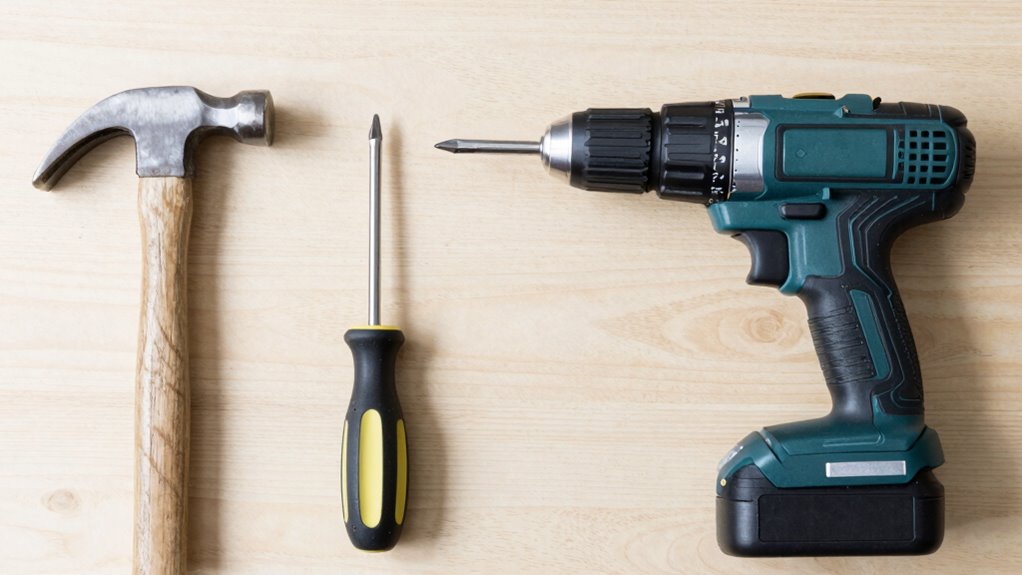

When buying tools once, focus on balancing quality, durability, and cost. Start with “good” tools for occasional projects, but for demanding tasks, “better” or “best” options provide long-term savings and reliability. Investing in high-quality tools reduces the need for replacements and guarantees consistent performance, saving you time and money in the long run. To make smarter choices and get the most value, explore how each level influences your projects as you move forward.

Turn your quiet moments into listening time
- Thousands of audiobooks, podcasts and originals
- Listen on your phone, tablet or Echo — also offline
- Cancel anytime
Key Takeaways
- Prioritize high-quality tools for demanding projects to ensure durability and long-term performance.
- Assess your project frequency to determine if investing in “Better” or “Best” tools offers cost savings over time.
- Consider material composition and brand reputation to select tools that withstand rigorous use and last longer.
- Balance initial costs with potential long-term savings from reduced replacements and repairs.
- Focus on tools that provide the best combination of durability, performance, and value for your specific needs.
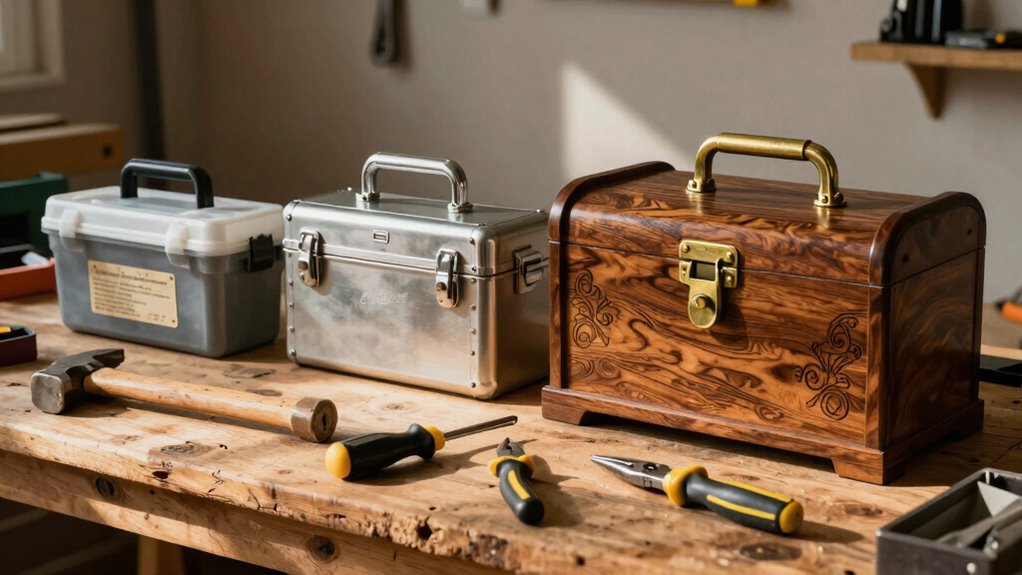
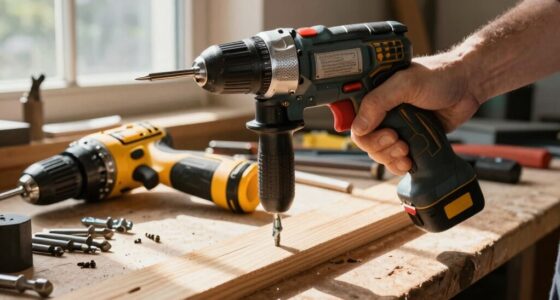
Choosing the right level depends on your frequency of use and the type of projects you undertake. If you’re a DIY enthusiast working on occasional repairs, “good” tools may suffice, but always think about the trade-off with tool durability. For demanding projects, investing in high-quality tools makes more sense, as they are designed to withstand rigorous use over time. They may cost more upfront, but they’ll save you money and frustration by reducing the need for replacements and repairs. Remember, a higher initial investment in quality tools often results in lower costs over time, as they’re built to last and perform consistently. Additionally, considering the long-term durability of tools can help you make smarter purchasing decisions, especially when comparing different brands or models. Understanding the material composition of tools can give you insight into their longevity and performance. A cost-benefit analysis can help you determine whether the initial investment is justified by the potential savings and performance benefits. It’s also useful to assess the brand reputation and customer reviews when evaluating tools, as these can provide real-world insights into their durability and performance. Ultimately, a smart cost comparison involves evaluating how much use you’ll get out of your tools versus their durability. Buying tools once, with an eye toward quality and longevity, ensures you’re not constantly replacing cheap gear and spending more in the long run. By selecting tools that strike the right balance between cost and durability, you set yourself up for success, saving both money and time while maintaining high standards for your work.
good better best woodworking tools
As an affiliate, we earn on qualifying purchases.
As an affiliate, we earn on qualifying purchases.
Frequently Asked Questions
How Do I Determine My Actual Tool Needs?
To determine your actual tool needs, consider the projects you’ll tackle and how often you’ll use each tool. Prioritize tools with good durability to withstand regular use, and research brand reputation to guarantee quality. Avoid unnecessary extras, focusing on essential tools that meet your current needs. Investing in durable, reputable brands saves money long-term, and helps you avoid frequent replacements or repairs. This approach assures you buy smart and build a reliable toolkit.
What Budget Should I Set for Each Level?
You should allocate your budget based on the importance of tool maintenance and your project needs. For the “Good” level, set aside a smaller portion, focusing on basic tools that require minimal maintenance. The “Better” tier deserves a moderate budget for durable tools that need regular upkeep. For “Best,” invest more, ensuring high-quality tools that last longer and reduce maintenance costs over time. Balance your budget to match your maintenance expectations and long-term savings.
How Often Should I Upgrade My Tools?
Think of your tools as the backbone of your work—keeping them sharp is essential. You should upgrade your tools when they show signs of wear or no longer meet your needs. Regular tool maintenance extends their life, but if a tool’s reputation suffers or it hampers your progress, it’s time for an upgrade. Staying current guarantees you work efficiently and safely, preventing frustration and costly mistakes in the long run.
Are There Specific Brands Recommended for Each Category?
You should choose brands known for reliability, like DeWalt or Milwaukee, for your good tools, ensuring durability and consistent performance. For better options, consider brands like Makita or Bosch, which focus on tool ergonomics, making extended use more comfortable. For the best, invest in premium brands like Festool or Hilti, which combine reliability and ergonomics, giving you top-tier tools that last longer and reduce fatigue.
How Do I Assess the Long-Term Value of Tools?
Did you know that well-maintained tools last 30% longer? To assess their long-term value, consider how easy they are to maintain and repair. Invest in ergonomic tools to reduce fatigue and injury, ensuring you’ll use them comfortably for years. Regular tool maintenance, like cleaning and sharpening, preserves performance. These factors help you gauge whether a tool’s initial cost pays off over time, making your investment truly worthwhile.
As an affiliate, we earn on qualifying purchases.
Conclusion
Choosing the right tools is like planting a sturdy tree—you’ll enjoy its shade for years to come. By investing in good, better, and best options, you guarantee your projects are built on a solid foundation. Don’t settle for cheap imitations that fade quickly; opt for quality that lasts. When you buy tools once and choose wisely, you’re not just saving money—you’re creating a reliable toolkit that grows with you and your skills.
As an affiliate, we earn on qualifying purchases.
As an affiliate, we earn on qualifying purchases.
Halloween Picks
halloween
As an affiliate, we earn on qualifying purchases.