The biggest mistake you can make with smart plugs and energy monitors is neglecting proper calibration and regular resets. Failing to do this leads to inaccurate data, which undermines your energy management efforts. Over time, sensor drift causes readings to become unreliable, making it hard to trust your device’s information. Addressing calibration issues is essential for accurate monitoring, and if you want to keep your devices performing well, you’ll want to learn more about maintaining them properly.

Turn your quiet moments into listening time
- Thousands of audiobooks, podcasts and originals
- Listen on your phone, tablet or Echo — also offline
- Cancel anytime
Key Takeaways
- Avoid neglecting regular resets and calibration to maintain accurate energy consumption readings.
- Do not ignore firmware updates, as they are essential for device compatibility and proper functioning.
- Refrain from using outdated calibration data, which can lead to skewed energy measurements.
- Do not overlook manufacturer instructions or support resources for proper calibration routines.
- Avoid delaying maintenance and checks that ensure device reliability and extend lifespan.
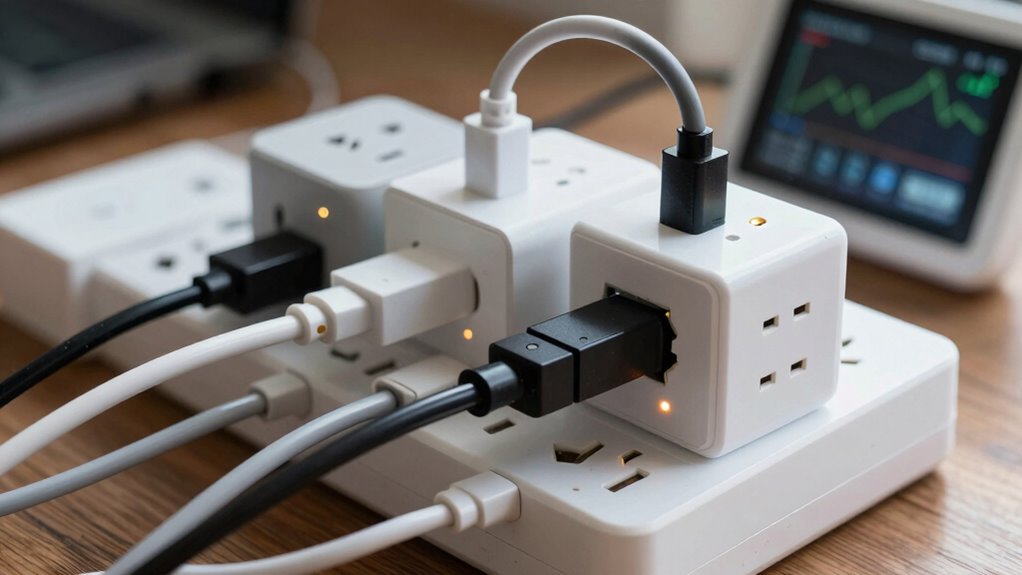
Many people overlook a simple but common mistake when using smart plugs and energy monitoring devices—failing to regularly reset or calibrate them. This oversight might seem minor, but it can greatly impact the accuracy of your readings and, ultimately, your energy efficiency. When your devices aren’t properly calibrated, the data they provide about your energy consumption becomes unreliable. You might think your appliances are more efficient than they truly are, leading to missed opportunities for savings and optimization.
Neglecting regular calibration of smart devices undermines energy savings and skews consumption data.
One key reason this mistake happens is due to device compatibility. Not all smart plugs and energy monitors are built the same. Some require specific firmware updates or calibration procedures to function correctly. If you ignore these steps, your device might not sync properly with your household system or app, resulting in inaccurate readings. Compatibility issues can also mean that the device doesn’t communicate effectively with your other smart home gadgets, limiting your ability to automate or monitor your energy use thoroughly. To avoid this, always check the manufacturer’s instructions for compatibility requirements and updates. Ensuring your devices are compatible with your home’s Wi-Fi and your smartphone’s operating system is crucial for smooth operation. Additionally, understanding device compatibility can help you troubleshoot potential issues more effectively. Regularly updating your device firmware can also prevent compatibility problems and improve overall performance.
Neglecting regular resets or calibrations also hampers your energy efficiency efforts. Over time, sensors can drift, causing the readings to become skewed. This drift means you might underestimate or overestimate how much power certain devices consume. As a result, you could either continue wasting energy on appliances you think are efficient or unnecessarily replace or upgrade devices that aren’t actually the problem. Regular resets and calibration help keep the data accurate, so you can make informed decisions about managing your energy use. This proactive approach ensures you’re not just relying on outdated information but actively optimizing your home’s energy consumption. Recognizing sensor drift and its effects can help you understand why calibration is crucial for maintaining accuracy. It’s also helpful to periodically review your device’s calibration process to ensure it remains precise over time.
Additionally, many users overlook the importance of understanding their device’s calibration process. Some smart plugs or monitors have simple reset functions, while others require specific calibration routines. Ignoring these details can lead to persistent inaccuracies. Make it a habit to review the user manual or online support resources periodically. This way, you stay aware of any updates or calibration procedures needed to maintain device performance. Recognizing the significance of device calibration can help prevent common issues and ensure your energy monitoring remains accurate. Staying informed about proper maintenance can extend the lifespan of your devices and improve their reliability.
Products Worth Considering

TCL 65-Inch T7 Series 4K QLED Smart Google TV, 144Hz (65T7)

TCL 65 Inch QM8L Series SQD-Mini LED QLED 4K Smart Google TV

TCL 65-Inch QM6K QLED Mini-LED 4K HDR Smart Google TV, 144Hz
As an affiliate, we earn on qualifying purchases.
Frequently Asked Questions
How Do I Reset My Smart Plug to Factory Settings?
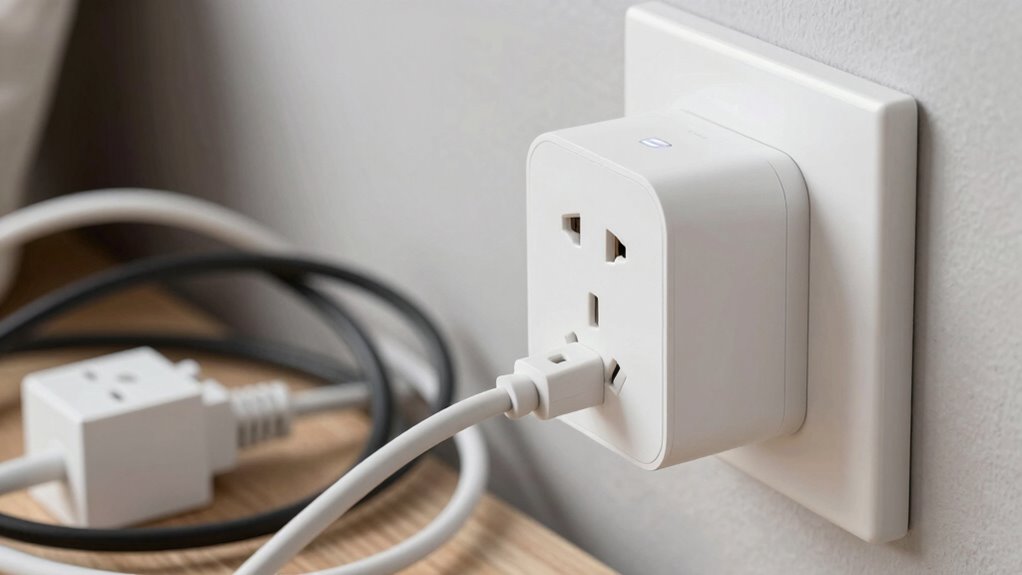
To reset your smart plug to factory settings, press and hold the reset button usually located on the device for about 10-15 seconds. This clears existing device pairing and restores default firmware. After resetting, you’ll need to reconfigure your smart plug and perform any necessary firmware updates. Once reset, pairing the device again with your app will be straightforward, ensuring your smart plug functions correctly and securely.
Are There Compatibility Issues With Specific Devices or Brands?
Device compatibility can vary based on brand limitations, so it’s crucial to check if your smart plug works with your specific devices. Some brands might have restrictions or require certain apps, leading to potential issues. Before buying, verify the compatibility list provided by the manufacturer. This way, you avoid frustration and guarantee seamless integration, especially if you’re using smart home ecosystems like Alexa, Google, or Apple HomeKit.
Can Smart Plugs Be Used Outdoors Safely?
Yes, you can use smart plugs outdoors safely if they have proper outdoor protection and weather resistance. Look for models specifically designed for outdoor use, featuring sealed casings and weatherproof ratings like IP65 or higher. Make certain you place the smart plug in a sheltered spot, away from direct rain or snow. Always follow the manufacturer’s instructions to prevent damage and guarantee safe, reliable operation in outdoor environments.
How Secure Are My Energy Monitoring Data?
Your energy monitoring data is relatively secure if the company uses strong data encryption and has clear privacy policies. Manufacturers often encrypt data during transmission and storage, reducing the risk of unauthorized access. However, always review the privacy policies to understand how your data is handled, shared, or stored. Stay informed and choose brands that prioritize security to keep your energy data safe and private.
What Should I Do if My Smart Plug Stops Responding?
If your smart plug stops responding, don’t panic! First, check for a power surge that might’ve knocked it offline. Then, try unplugging it for a few seconds, wait for the device firmware to reset, and plug it back in. If it still doesn’t respond, update the firmware via the app or consider resetting the device entirely. Sometimes, a simple restart can save your smart setup from complete chaos!
Conclusion
To truly benefit from smart plugs and energy monitoring, avoid the common mistake of neglecting to analyze your usage data regularly. Many people assume these devices are set-and-forget, but checking your consumption helps identify waste and optimize savings. By actively reviewing your energy patterns, you can make smarter choices, reduce costs, and extend device lifespan. Embrace the habit of monitoring—it’s the key to accessing your smart plug’s full potential and truly saving energy.