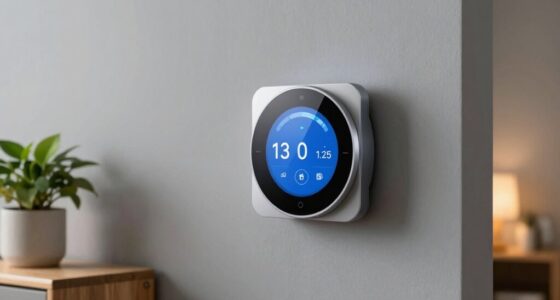
Looking for a smart thermostat that can help manage your home’s temperature efficiently? The Google Nest Learning Thermostat stands out as the best overall due to its advanced learning capabilities and sleek design. For a budget-friendly yet reliable choice, the Amazon Smart Thermostat offers simplicity and integration at a lower cost. Meanwhile, the ecobee Smart Thermostat Essential balances features and affordability for most users. Every model comes with its own tradeoffs, like ease of use versus customization or price versus features. Continue reading for a detailed breakdown of these top options and how to pick the right one for your needs.

Turn your quiet moments into listening time
- Thousands of audiobooks, podcasts and originals
- Listen on your phone, tablet or Echo — also offline
- Cancel anytime
Key Takeaways
- Top picks differ mainly in their learning capabilities, compatibility, and price points.
- Models with advanced sensors, like the Nest Learning Thermostat, offer more precise climate control but come at a higher cost.
- Compatibility with existing smart home ecosystems influences the best choice for integration-focused users.
- Ease of installation and user interface are critical factors for beginners or those less tech-savvy.
- Energy-saving features and certifications like Energy Star often justify higher upfront costs for long-term savings.
| Sensi Lite Smart Thermostat, WiFi, DIY, Alexa, Energy Star Certified |  | Best Overall for DIY Enthusiasts and Privacy-Conscious Users | Connectivity: WiFi | Compatibility: Most HVAC systems with C-wire | Energy Savings: Approximately 23% | VIEW ON AMAZON | See Our Full Breakdown |
| Google Nest Thermostat – Smart Thermostat for Home – Programmable Wi-Fi Thermostat – Charcoal |  | Best for Google Ecosystem Users and Energy Monitoring | Connectivity: Wi-Fi 802.11b/g/n, 2.4 GHz; 5 GHz | Compatibility: Most 24V HVAC systems, check needed | Features: Energy scheduling, HVAC monitoring, remote control | VIEW ON AMAZON | See Our Full Breakdown |
| Honeywell Home RTH9585WF Wi-Fi Smart Color Thermostat, 7 Day Programmable, Touch Screen, Energy Star, Alexa Ready, C-Wire Required, Gray |  | Best for Color Customization and Advanced Scheduling | Color: Gray | Programmable: 7 Day | Touch Screen: Yes | VIEW ON AMAZON | See Our Full Breakdown |
| Google Nest Learning Thermostat (4th Gen, 2024) with Nest Temperature Sensor – Polished Gold |  | Best for Adaptive Learning and Premium Design | Model: 4th Gen, 2024 | Color: Polished Gold | Display Size: 60% larger | VIEW ON AMAZON | See Our Full Breakdown |
| Sensi Lite Smart Thermostat, WiFi, Alexa, DIY, Energy Star Certified, ST25 | 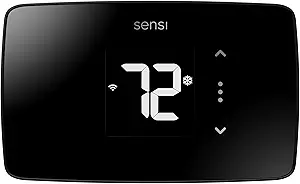 | Best Budget-Friendly DIY Smart Thermostat | Controller Type: Amazon Alexa, Google Assistant, Hand Control, SmartThings | Additional Features: Data Privacy, Easy DIY Install, Energy Savings | Specific Uses: Air Conditioner, Boiler, Furnace, Heat Pump | VIEW ON AMAZON | See Our Full Breakdown |
| SITERWELL Smart Thermostat Programmable WiFi Home Thermostat |  | Best for DIY Enthusiasts and Customization | Compatibility: Most standard 24VAC residential HVAC systems | Display: 3.5-inch full-color touch screen | Connectivity: WiFi, Alexa, Google Assistant | VIEW ON AMAZON | See Our Full Breakdown |
| Amazon Smart Thermostat |  | Best for Alexa and Ring Ecosystem Integrators | C-wire required: Yes | Compatibility: Alexa, Ring | Energy savings: Up to $90 annually | VIEW ON AMAZON | See Our Full Breakdown |
| Sensi Touch 2 Smart Thermostat Wi-Fi, Alexa, Energy Star Certified, ST76 |  | Best for Energy Monitoring and Sensor Compatibility | Compatibility: Room Sensors (sold separately) | Connectivity: Wi-Fi, Bluetooth | Installation: DIY, requires common wire (C-wire) | VIEW ON AMAZON | See Our Full Breakdown |
| ecobee Smart Thermostat Essential – WiFi Thermostat, Energy Star Certified |  | Best for Multi-Room Control and Smart Sensors | Compatibility: Most 24 VAC HVAC systems, including dual fuel and heat pumps | Display: Color touchscreen | Smart features: Indoor humidity detection, schedule assistant, eco+ | VIEW ON AMAZON | See Our Full Breakdown |
| Google Nest Thermostat – Smart Wi-Fi Programmable Thermostat for Home |  | Best for Google Ecosystem Users and Simplicity | VIEW ON AMAZON | See Our Full Breakdown |
| smart thermostat | Compatibility |
|---|---|
| Sensi Lite Smart Thermostat | Most HVAC systems with C-wire |
| Google Nest Thermostat | Most 24V HVAC systems, check needed |
| Honeywell Home RTH9585WF Wi-Fi | Forced air, hot water, steam, heat pumps with electric backup |
| Google Nest Learning Thermosta | Most 24V systems including gas, electric, oil |
| Sensi Lite Smart Thermostat | — |
| SITERWELL Smart Thermostat Pro | Most standard 24VAC residential HVAC systems |
| Amazon Smart Thermostat | Alexa, Ring |
| Sensi Touch 2 Smart Thermostat | Room Sensors (sold separately) |
| ecobee Smart Thermostat Essent | Most 24 VAC HVAC systems, including dual fuel and heat pumps |
| Google Nest Thermostat | — |
More Details on Our Top Picks
Sensi Lite Smart Thermostat, WiFi, DIY, Alexa, Energy Star Certified
This model stands out for its straightforward DIY installation, making it an excellent choice for homeowners comfortable with basic setup. Unlike the Honeywell or Nest Learning thermostats, the Sensi Lite emphasizes privacy, avoiding data sharing while still offering robust energy-saving features like scheduling and geofencing. Its compatibility with most C-wire HVAC systems and mobile app control makes it flexible for many homes, though it does require a common wire for some setups. Compared to the Nest Learning, which is more feature-rich but pricier, the Sensi Lite offers a practical balance of simplicity and savings. Its main tradeoff is limited compatibility with certain HVAC configurations, which could be a barrier for some users.
Pros:- Simple DIY installation with built-in level and clear instructions
- Energy savings of approximately 23% through scheduling and geofencing
- Remote control via Android and iOS mobile app
- Strong privacy protection—no data selling
Cons:- Requires a common wire (C-wire) for some systems, which may not be available
- Limited compatibility with certain HVAC systems, especially older or specialized setups
Best for: Homeowners who want an easy-to-install, privacy-focused thermostat with solid energy savings.
Not ideal for: Users with complex HVAC systems lacking a C-wire or those seeking advanced smart home integrations beyond Alexa and app control.
- Connectivity:WiFi
- Compatibility:Most HVAC systems with C-wire
- Energy Savings:Approximately 23%
- Certification:Energy Star
Our verdict“This thermostat is best suited for DIY-inclined homeowners prioritizing privacy and straightforward energy control.”
Google Nest Thermostat – Smart Thermostat for Home – Programmable Wi-Fi Thermostat – Charcoal
Compared with the Honeywell or Sensi Lite, the Nest Thermostat excels in seamless Google Assistant integration and intelligent HVAC monitoring, providing alerts for system issues. Its remote control and scheduling features help maintain comfort while optimizing energy use. The device’s compatibility with most systems without a C-wire makes it versatile, but users should carefully verify their setup, as some systems may require additional accessories. The Nest’s energy-saving potential, up to 31%, rivals more premium options like the Nest Learning, though it may lack some customization and advanced features of the higher-tier models. Setup is straightforward for compatible systems, but full functionality depends on internet connectivity and app use, which could be a minor inconvenience.
Pros:- Energy-efficient with scheduling and HVAC issue alerts
- Remote control via smartphone or tablet
- Compatible with Google Assistant and Matter-enabled devices
- Easy to install for most systems
Cons:- Lack of a lock feature, which could be a concern for households with children
- May require additional accessories for some HVAC setups
Best for: Homeowners invested in the Google ecosystem seeking straightforward, energy-efficient control and HVAC alerts.
Not ideal for: Users who prefer non-Google voice assistants or have complex HVAC systems requiring extensive compatibility checks.
- Connectivity:Wi-Fi 802.11b/g/n, 2.4 GHz; 5 GHz
- Compatibility:Most 24V HVAC systems, check needed
- Features:Energy scheduling, HVAC monitoring, remote control
- Color:Charcoal
Our verdict“Ideal for Google ecosystem users who want reliable energy savings and HVAC monitoring with minimal fuss.”
Honeywell Home RTH9585WF Wi-Fi Smart Color Thermostat, 7 Day Programmable, Touch Screen, Energy Star, Alexa Ready, C-Wire Required, Gray
This Honeywell model offers a vibrant, customizable touchscreen that makes daily programming more engaging, especially compared to the more utilitarian Sensi Lite or Sensi ST25. Its flexible 7-day schedule and auto changeover help optimize comfort and efficiency, though it does require a C-wire, similar to other higher-end thermostats. Compared with the Nest Learning, it doesn’t feature adaptive learning but provides more straightforward manual control and color options to match decor. The energy reports and rebate options add value for cost-conscious buyers. The main tradeoff is its reliance on compatible HVAC systems, excluding electric baseboard heat, which limits its use in some homes.
Pros:- Bright, customizable color touchscreen enhances user experience
- Flexible 7-day programmable schedule
- Remote control via app and voice assistants like Alexa and Google
- Energy reports and rebate support for savings
Cons:- Requires a C-wire for installation, which some homes lack
- Limited compatibility with electric baseboard and certain oil systems
Best for: Homeowners wanting a colorful, highly customizable interface with flexible scheduling and energy reports.
Not ideal for: Users with electric baseboard heating or older systems without C-wire, as it won’t be compatible.
- Color:Gray
- Programmable:7 Day
- Touch Screen:Yes
- Wi-Fi Enabled:Yes
- Compatibility:Forced air, hot water, steam, heat pumps with electric backup
- C-Wire Required:Yes
Our verdict“Best suited for homeowners who want a visually appealing thermostat with flexible programming and energy insights.”
Google Nest Learning Thermostat (4th Gen, 2024) with Nest Temperature Sensor – Polished Gold
This latest Nest Learning Thermostat surpasses many competitors, including the Honeywell, with its adaptive learning capabilities and stylish design. It can save up to 31% on energy bills by analyzing your schedule and adjusting accordingly, making it ideal for users seeking automation and efficiency. Its larger, customizable display enhances ease of use, and the included Nest Temperature Sensor allows for room-specific comfort. However, setup requires careful compatibility checks, especially for non-standard systems, and some features depend on a stable internet connection. Compared to the simpler programmable models, this thermostat offers a more intelligent experience, though at a higher price point and with more installation considerations. It’s best for those willing to invest in a premium, adaptive solution.
Pros:- Saves up to 31% on energy bills with adaptive learning
- Large, colorful display with customization options
- Includes Nest Temperature Sensor for room-specific comfort
- Compatible with Alexa, Siri, and Google Assistant
Cons:- Installation may require compatibility verification and professional help
- Features depend on internet connectivity, which could limit functionality during outages
Best for: Tech-savvy homeowners wanting a premium, learning-enabled thermostat with room-specific comfort features.
Not ideal for: Users with basic HVAC systems or those seeking a budget-friendly, manual control thermostat.
- Model:4th Gen, 2024
- Color:Polished Gold
- Display Size:60% larger
- Compatibility:Most 24V systems including gas, electric, oil
- Sensor Included:Nest Temperature Sensor (2nd gen)
Our verdict“Best suited for users seeking a high-end, intelligent thermostat with adaptive learning and room-specific control.”
Sensi Lite Smart Thermostat, WiFi, Alexa, DIY, Energy Star Certified, ST25
This Sensi Lite model makes a compelling choice for budget-conscious homeowners who want basic smart control without sacrificing privacy or energy savings. Its simple design and easy DIY installation set it apart from more complex options like the Honeywell or Nest Learning, especially for those comfortable with straightforward setup. It supports remote control and energy-saving features similar to pricier models but lacks the advanced customization or adaptive learning found in more premium thermostats. The need for a C-wire remains, which could be a hurdle for some. Overall, the ST25 is a practical entry-level option that balances affordability with essential smart features, though it may feel limited for users seeking more automation and integration.
Pros:- Easy DIY installation with clear instructions
- Remote control via mobile app for convenience
- Supports energy savings and maintains user privacy
- Compatible with Alexa, Google Assistant, and SmartThings
Cons:- Requires a C-wire for some systems, limiting compatibility
- Basic style and features may not appeal to those wanting a more modern look or advanced automation
Best for: Homeowners seeking an affordable, easy-to-install smart thermostat with core features and privacy focus.
Not ideal for: Users with complex HVAC systems without a C-wire or those wanting advanced learning and customization features.
- Controller Type:Amazon Alexa, Google Assistant, Hand Control, SmartThings
- Additional Features:Data Privacy, Easy DIY Install, Energy Savings
- Specific Uses:Air Conditioner, Boiler, Furnace, Heat Pump
- Temperature Control Type:Automatic or Programmable
- Connectivity Technology:Wi-Fi
- Power Source:Battery or C-wire
- Voltage:24 volts
- Display Type:LCD
Our verdict“Ideal for budget-conscious homeowners who want essential smart features and privacy without complexity.”
SITERWELL Smart Thermostat Programmable WiFi Home Thermostat
This thermostat excels in offering a straightforward DIY installation process with a colorful, responsive touch screen that makes managing your home temperature intuitive. Its compatibility with most standard 24VAC HVAC systems positions it as a versatile choice, especially compared to the ecobee Smart Thermostat Essential, which offers similar energy savings but includes smart sensors for more precise room control. The main tradeoff here is the requirement for a C-wire and the lack of physical buttons, which might pose challenges for less tech-savvy users. Its ease of setup and broad compatibility make it ideal for homeowners comfortable with wiring and customization, but those seeking a simpler interface or wireless power options might find it limiting.
Pros:- Remote control via smartphone app
- Wide HVAC system compatibility
- Easy DIY installation with clear labeling
- Responsive color touch screen
Cons:- Requires C-wire for installation
- No physical buttons, which may be difficult for some users
Best for: DIY homeowners who want a customizable, Wi-Fi enabled thermostat with a color touch screen
Not ideal for: Users uncomfortable with wiring or lacking a C-wire, as installation can be tricky without physical controls
- Compatibility:Most standard 24VAC residential HVAC systems
- Display:3.5-inch full-color touch screen
- Connectivity:WiFi, Alexa, Google Assistant
- Installation:DIY with color-coded terminals, requires C-wire
- Warranty:3 years
Our verdict“Best suited for homeowners comfortable with DIY projects and seeking a customizable Wi-Fi thermostat.”
Amazon Smart Thermostat
The Amazon Smart Thermostat is an excellent choice for those who prioritize seamless integration with Alexa and Ring devices, making voice control straightforward. It simplifies installation through app-guided setup, similar to the ecobee, but with fewer smart features and less advanced scheduling options. Compared with the ecobee’s room sensors and detailed energy reports, this model provides a more basic experience, which might suit users who want quick setup and reliable voice control over detailed customization. Its dependency on C-wire and Wi-Fi means it’s less ideal for homes with unstable internet or incompatible wiring. Still, it offers convenient energy savings, especially for users already invested in Amazon’s smart ecosystem.
Pros:- Easy to install with app guidance
- Compatible with Alexa and Ring for voice control
- Helps reduce energy bills with programmable scheduling
Cons:- Requires C-wire for installation
- Dependent on Wi-Fi connection for full functionality
- Limited compatibility outside Amazon ecosystem
Best for: Amazon Alexa users seeking a straightforward, easy-to-install thermostat compatible with Ring
Not ideal for: Homeowners looking for advanced energy management or sensor-based zoning, as it offers more basic features
- C-wire required:Yes
- Compatibility:Alexa, Ring
- Energy savings:Up to $90 annually
- Installation:DIY with app guidance
Our verdict“Ideal for Amazon smart home users who want a simple, voice-controlled thermostat with basic scheduling.”
Sensi Touch 2 Smart Thermostat Wi-Fi, Alexa, Energy Star Certified, ST76
The Sensi Touch 2 stands out for its energy-efficient features, including compatibility with room sensors to enhance zone control, making it a strong choice for larger homes or those seeking detailed temperature management. Unlike the ecobee, which includes built-in sensors, the Sensi relies on separate sensors sold separately, adding flexibility but also extra cost. Its easy DIY installation and intuitive app setup help users monitor HVAC performance and receive maintenance alerts, providing ongoing value. However, the need for common wire (C-wire) and the separate sensor purchase may be barriers for some. This model makes sense for users who want to optimize energy savings with room-specific control, but less so for those seeking an all-in-one package without extra accessories.
Pros:- Energy-efficient with about 23% savings potential
- Easy installation with guided app setup
- Compatible with Alexa and other smart devices
- Monitors HVAC performance and provides maintenance alerts
Cons:- Requires common wire (C-wire) for installation
- Room sensors sold separately
Best for: Homeowners interested in precise temperature control across multiple rooms with energy savings focus
Not ideal for: Users with incompatible HVAC systems or those seeking an all-in-one sensor solution without additional purchases
- Compatibility:Room Sensors (sold separately)
- Connectivity:Wi-Fi, Bluetooth
- Installation:DIY, requires common wire (C-wire)
- Included components:Installation guide, warranty booklet, thermostat, mounting hardware, owner’s manual
Our verdict“Best for those wanting to optimize energy use with room-specific temperature monitoring, willing to invest in sensors separately.”
ecobee Smart Thermostat Essential – WiFi Thermostat, Energy Star Certified
The ecobee Smart Thermostat Essential offers a compelling package for energy-conscious users who want room-specific temperature management. Its inclusion of smart sensors for different zones surpasses the Sensi’s separate sensor approach, providing more integrated control. It also boasts easy DIY installation without requiring a C-wire, thanks to the Power Extender Kit option, similar to the ecobee’s larger models. While the sensors are sold separately, the overall system provides precise comfort management and detailed energy reports, making it a solid choice for larger or multi-room homes. The main tradeoff is the additional cost of sensors and potential compatibility checks for specific HVAC systems. Nonetheless, it strikes a good balance between ease of use and advanced features.
Pros:- Saves up to 23% on energy costs annually
- Easy DIY installation with no C-wire needed
- Compatible with major smart home ecosystems
- Includes smart sensors for room-specific control
Cons:- SmartSensor pack sold separately
- Requires online system compatibility check
- Some features need additional accessories
Best for: Homes with multiple rooms or zones requiring precise temperature control and energy savings
Not ideal for: Budget-conscious buyers seeking an all-in-one package without extra sensor costs or those with incompatible HVAC systems
- Compatibility:Most 24 VAC HVAC systems, including dual fuel and heat pumps
- Display:Color touchscreen
- Smart features:Indoor humidity detection, schedule assistant, eco+
- Installation:DIY, no C-wire required (Power Extender Kit available)
Our verdict“Best for users seeking a multi-room, energy-efficient thermostat with smart sensors for personalized comfort.”
Google Nest Thermostat – Smart Wi-Fi Programmable Thermostat for Home
The Google Nest Thermostat excels at combining energy savings with a sleek design and simple setup, making it ideal for users invested in Google’s ecosystem. Its compatibility with most HVAC systems and easy installation—taking roughly 30 minutes—makes it accessible for DIYers. Unlike the ecobee or Sensi, which use additional sensors or require separate components for zone control, the Nest relies on its learning algorithms and mobile app to adapt schedules. However, its need for a C-wire in some cases and limited advanced zoning options may restrict customization for larger or more complex homes. For those prioritizing a straightforward, modern thermostat that integrates well with Google Assistant, this device offers a compelling balance of simplicity and smart features.
Pros:- Energy-efficient with programmable scheduling
- Voice control with Google Assistant and Alexa
- Remote management via mobile app
- Easy to install in about 30 minutes
Cons:- May require a C-wire for some HVAC systems
- Compatibility with certain systems varies
- Dependent on a smart device for full voice control
Best for: Google ecosystem users seeking a simple, energy-saving Wi-Fi thermostat with minimal setup
Not ideal for: Homeowners needing detailed zone control or advanced multi-room sensing, as the Nest’s features are more automated than customizable
Our verdict“Ideal for Google ecosystem fans wanting an easy-to-install, energy-efficient thermostat with basic automation features.”

How We Picked
This roundup evaluates smart thermostats based on several key criteria that matter to buyers. Performance aspects include responsiveness, accuracy, and learning features. Usability considers installation simplicity, app interface, and voice control compatibility. Build quality and design are also important, as they affect durability and aesthetic fit within a home. We also weigh value by comparing features against price and consider how well each model integrates with popular smart home systems. Products are ranked to reflect a balance of advanced features for tech-savvy users, ease of use for beginners, and overall value for most households.Factors to Consider When Choosing Smart Thermostat
Choosing the right smart thermostat involves understanding several core factors that impact daily use, long-term savings, and compatibility with your home. Beyond basic features, it’s important to consider how the device fits into your existing smart home ecosystem, your comfort with installation, and your priorities for energy efficiency. Making an informed decision means weighing these broader considerations against your specific needs and budget.Compatibility with Your HVAC System and Smart Home Ecosystem
Ensuring that your chosen thermostat works seamlessly with your existing heating and cooling setup is vital. Some models require a C-wire for power, which might necessitate additional wiring or adapters. Compatibility with voice assistants like Alexa, Google Assistant, or Apple HomeKit can significantly enhance convenience. Choosing a device that integrates smoothly with your current ecosystem prevents frustration and maximizes functionality over time.
Ease of Installation and Use
While some smart thermostats are designed for DIY installation, others might require professional help, especially if wiring is complex. User interfaces matter too—touchscreens, app navigation, and setup procedures should be intuitive. A well-designed app can make programming and remote control simple, which is essential for those less comfortable with technology. Overly complicated devices may deter consistent use or lead to setup errors.
Learning Capabilities and Customization
Some models, like the Nest Learning Thermostat, automatically adapt to your schedule by learning your routines. This can lead to better comfort and energy savings without manual programming. However, these features often come at a premium and may require patience for the device to adapt fully. For those who prefer manual control or have specific schedules, simpler programmable models might be more straightforward and predictable.
Energy Efficiency and Certifications
Look for models with Energy Star certification or built-in energy-saving features that can reduce utility bills. These devices often include detailed reports and tips to optimize your energy use. Keep in mind that higher upfront costs for such models can be offset by long-term savings, but only if the features match your usage patterns. Misjudging these needs might lead to paying extra for features you don’t leverage.
Price and Long-Term Value
Smart thermostats vary widely in price, but the most expensive isn’t always the best choice for everyone. Assess whether the extra features—like advanced sensors, learning algorithms, or premium design—align with your priorities. Sometimes, more affordable models provide sufficient control and automation, offering excellent value. Consider your budget against the benefits you seek, especially since some features may be redundant for basic needs.
Frequently Asked Questions
Do I need a professional to install a smart thermostat?
Many smart thermostats are designed for DIY installation, especially models with straightforward wiring and clear instructions. However, if your HVAC system is complex or if you lack confidence in handling electrical components, hiring a professional can ensure correct installation and avoid potential issues. Proper setup is crucial to maximize the device’s functionality and safety, so weigh your comfort level carefully before proceeding on your own.
Will a smart thermostat work with my existing HVAC system?
Most modern smart thermostats are compatible with standard heating and cooling systems, but it’s important to verify specific requirements like the presence of a C-wire or compatibility with your system’s wiring. Some older systems might need adapters or upgrades to support smart features. Checking your HVAC specifications and compatibility guides can prevent costly mistakes and ensure seamless operation once installed.
How much can I really save on energy bills with a smart thermostat?
While smart thermostats have the potential to reduce energy costs through smarter scheduling and sensing, actual savings depend on your habits and local energy rates. Features like occupancy sensors and learning algorithms can optimize usage, but they also require consistent use. Long-term savings often justify the investment, especially if you actively leverage the device’s capabilities to maintain efficient comfort settings.
Are smart thermostats secure from hacking or privacy issues?
Most reputable brands implement security measures like encryption and regular updates to protect user data and prevent unauthorized access. However, like any connected device, they can be vulnerable if not properly configured. It’s wise to keep firmware updated, use strong Wi-Fi passwords, and disable features you don’t need to minimize risks. Reading reviews on privacy practices can also guide you toward more secure options.
What features should I prioritize if I want a user-friendly smart thermostat?
For ease of use, look for models with simple interfaces, clear app controls, and straightforward installation processes. Touchscreens with intuitive menus and voice control compatibility can simplify daily adjustments. Devices that do not overly rely on complex programming or extensive setup will be more accessible for those less familiar with smart home technology, making routine control hassle-free.
Conclusion
For those seeking the best overall experience, the Google Nest Learning Thermostat offers advanced automation and sleek design, making it ideal for tech enthusiasts. Budget-conscious users will appreciate the Amazon Smart Thermostat for its simplicity and affordability, perfect for beginners or those with basic needs. If you want a balanced option with smart features and value, the ecobee Smart Thermostat Essential makes a compelling case. For households focused on energy savings, models with strong certifications and sensors provide the best long-term value. Ultimately, your choice depends on your familiarity with smart tech, existing ecosystem, and specific comfort priorities.
Fall Picks

Arlo Essential Outdoor Pan-Tilt-Zoom Security Camera, 2K, Wired, 2-Camera Pack
As an affiliate, we earn on qualifying purchases.