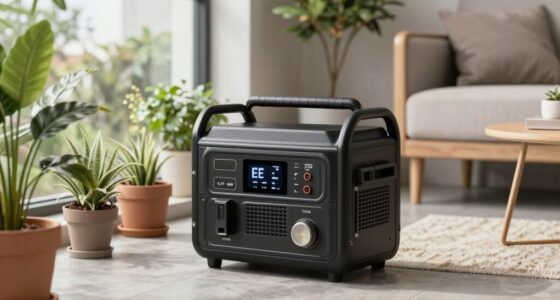
One of the biggest mistakes with inverter generators is overloading them. You might be tempted to connect too many devices or run high-wattage appliances at once, but this can cause excess strain, damage internal parts, and shorten the unit’s lifespan. To keep your generator running smoothly and efficiently, always understand its capacity and avoid exceeding it. Keep these tips in mind, and you’ll discover how to maximize your generator’s performance.

Turn your quiet moments into listening time
- Thousands of audiobooks, podcasts and originals
- Listen on your phone, tablet or Echo — also offline
- Cancel anytime
Key Takeaways
- Avoid overloading the generator; running multiple devices beyond capacity causes excessive wear and reduces efficiency.
- Do not neglect regular maintenance like oil changes, air filter cleaning, and spark plug inspection.
- Never operate the generator without allowing it to warm up or cool down as per manufacturer guidelines.
- Refrain from running the generator in enclosed or poorly ventilated spaces to prevent dangerous carbon monoxide buildup.
- Don’t ignore monitoring performance metrics; neglecting this can lead to unnoticed damage and decreased lifespan.
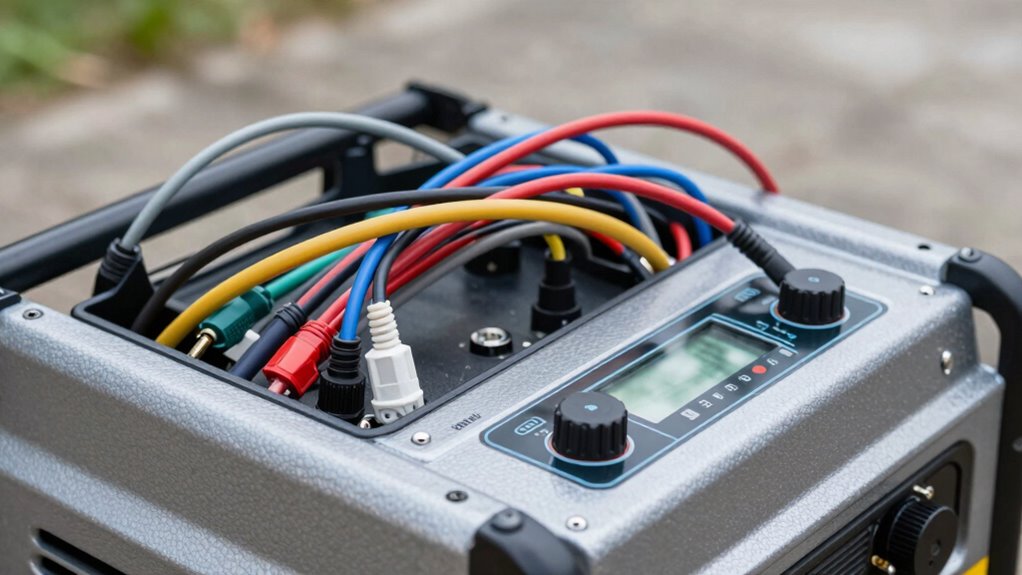
Many inverter generator users make a critical mistake that can damage their equipment and reduce efficiency: neglecting to follow proper load management practices. When you don’t manage how much you’re drawing from the generator, it can lead to unnecessary strain on the system, decreasing fuel efficiency and shortening the lifespan of your unit. Inverter generators are designed to adjust their engine speed based on the load, so overloading or running at a constant high load causes them to work harder than needed, wasting fuel and increasing wear and tear. To optimize performance, you need to be mindful of what devices you run simultaneously and avoid pushing the generator beyond its capacity. Understanding your power needs helps you avoid excessive fuel consumption and keeps your generator running smoothly longer.
Proper load management prevents damage, saves fuel, and extends your inverter generator’s lifespan.
Another common mistake is ignoring regular maintenance tips, which can negatively impact fuel efficiency and lead to costly repairs. Simple maintenance tasks like checking and changing the oil, cleaning air filters, and inspecting spark plugs are essential to keep the generator operating at peak efficiency. When filters are clogged or oil levels are low, the engine has to work harder, consuming more fuel and reducing overall efficiency. Staying on top of these maintenance tips ensures your inverter generator runs reliably and saves you money in the long run. Additionally, always use high-quality fuel and store it properly to prevent degradation, which can cause starting issues and poor performance. Proper fuel management is crucial for maintaining optimal operation. Regularly monitoring your generator’s performance metrics can help you identify inefficiencies before they become serious problems. Proper startup and shutdown procedures also play a significant role in maintaining the health of your inverter generator.
Many users also fail to understand the importance of proper startup and shutdown procedures. Starting the generator correctly—allowing it to warm up before connecting heavy loads—can prevent sudden surges that strain the system. When shutting down, let the generator run for a few minutes to cool off, especially after heavy use, to help preserve its internal components. Proper operation techniques improve fuel efficiency and extend your inverter generator’s lifespan. Being aware of and practicing load management is crucial for maintaining optimal performance and longevity. Additionally, consulting the manufacturer’s guidelines for specific procedures can help avoid potential damage. It’s also beneficial to regularly inspect your generator to catch issues early and maintain its efficiency over time.
Finally, don’t forget that keeping the environment in mind helps you maximize your investment. Avoid running your generator in enclosed spaces to prevent carbon monoxide buildup, and always store fuel in approved containers in well-ventilated areas. By combining good load management and adhering to basic maintenance tips, you ensure your inverter generator remains efficient, reliable, and ready whenever you need it. Ignoring these practices not only wastes fuel but can also lead to costly repairs and decreased equipment lifespan. Stay vigilant, follow these simple steps, and your generator will serve you well for years to come.
Products Worth Considering

Levoit Vital 100S-P Air Purifier with Washable Pre-Filter

Blueair Blue Pure 511i Max Air Purifier

Levoit Eleva 300X Air Purifier with Sealed HEPA Filtration
As an affiliate, we earn on qualifying purchases.
Frequently Asked Questions
How Often Should I Perform Maintenance on My Inverter Generator?
You should perform maintenance on your inverter generator every 50-100 hours of use or at least once a year. Regular upkeep improves fuel efficiency and keeps noise levels low, ensuring smooth operation. Change the oil, clean or replace the air filter, and check spark plugs. By staying on top of maintenance, you’ll extend your generator’s lifespan and enjoy peak performance without unnecessary noise or fuel waste.
Can I Run My Inverter Generator in the Rain?
Running your inverter generator in the rain isn’t recommended, even with rain protection. Weather considerations like moisture can cause electrical issues or damage internal components. While some models offer built-in weather resistance, it’s best to keep your generator in a dry, sheltered spot during storms. Always check your manufacturer’s guidelines for rain safety, and use appropriate covers or shelters to make certain your generator stays reliable and safe in wet conditions.
What Size Inverter Generator Do I Need for My RV?
You need an inverter generator with sufficient inverter capacity to meet your RV’s power demands. Generally, a 2000-3000 watt generator works well for basic appliances, but for more extensive setups, opt for 3000-4000 watts. Make certain power compatibility with your RV’s appliances, considering starting wattage for devices like air conditioners or microwaves. Always choose a generator that provides enough capacity to handle your peak power needs safely.
Is It Safe to Overload My Inverter Generator Temporarily?
Overloading your inverter generator even temporarily increases risks of damage and safety issues. Nearly 60% of generator failures are linked to overloads. While brief overloads might seem harmless, they can cause overheating or electrical damage. Always follow safety precautions, like avoiding sustained overloads, and verify your generator’s capacity before powering high-demand devices. It’s safer to match your load to the generator’s rated capacity to protect your equipment and ensure safe operation.
How Do I Troubleshoot Common Inverter Generator Problems?
To troubleshoot common inverter generator problems, start by checking the fuel efficiency and ensuring you’re using fresh fuel. Listen for unusual noise levels that might indicate a mechanical issue. Inspect the air filter and spark plug for dirt or damage, and make sure the unit isn’t overloaded. Reset the circuit breaker if needed, and consult the user manual for specific error codes. Regular maintenance helps prevent these issues.
Conclusion
So, next time you fire up your inverter generator, remember the golden rule: don’t ignore the basics. Skip the shortcuts, and you’ll avoid turning your reliable power source into a fancy paperweight. After all, who needs clean, stable electricity when you can have chaos and confusion? Stay smart, follow the guidelines, and keep your generator running smoothly—because nobody wants a power outage to ruin their day, or worse, their weekend.