When choosing home security cameras, guarantee they have privacy features like adjustable zones and masking to block private areas. Regularly update passwords, enable two-factor authentication, and choose models with encryption to protect your footage. Position cameras thoughtfully to avoid capturing private spaces and review privacy policies to understand data handling. Use secure cloud storage and restrict access to trusted individuals. For more tips on keeping your footage safe and your privacy intact, continue exploring these essential practices.

Turn your quiet moments into listening time
- Thousands of audiobooks, podcasts and originals
- Listen on your phone, tablet or Echo — also offline
- Cancel anytime
Key Takeaways
- Verify cameras have adjustable privacy zones or masking to block private areas from recording.
- Choose brands with transparent privacy policies and no unauthorized footage sharing.
- Enable encryption and secure access controls, including strong passwords and two-factor authentication.
- Regularly update firmware and security patches to protect against vulnerabilities.
- Position cameras thoughtfully to respect private spaces and minimize unnecessary recording.
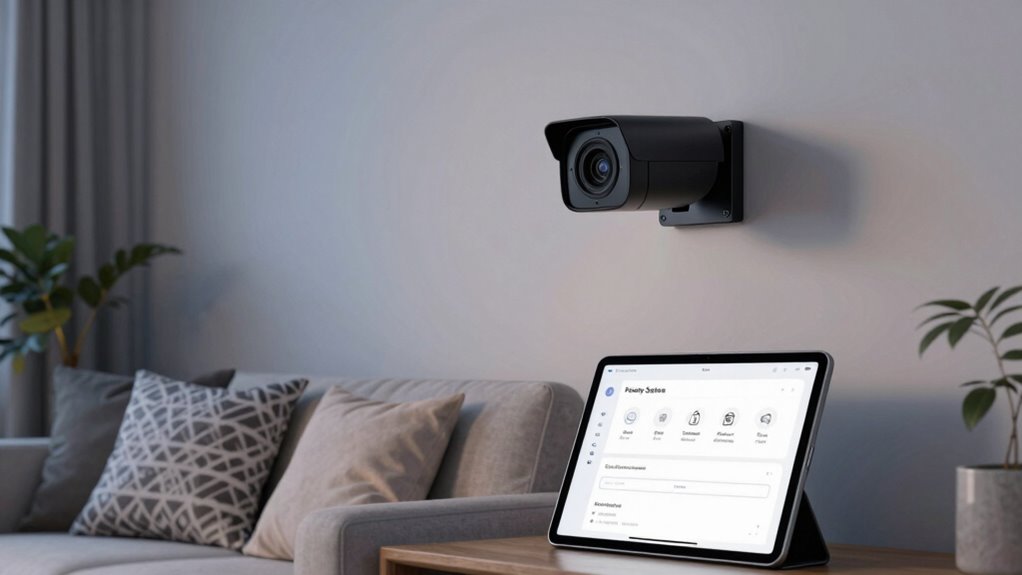
Have you ever wondered how to effectively protect your home without breaking the bank? Home security cameras are a popular choice, offering peace of mind and real-time surveillance. But with so many options available, it’s crucial to contemplate privacy concerns alongside security features. When choosing cameras, look for those equipped with motion detection. This feature not only helps conserve storage space by recording only when movement is detected but also minimizes unnecessary footage, making it easier for you to review events. Motion detection ensures you’re alerted immediately to any activity outside your home, allowing you to respond quickly and appropriately.
Choose cameras with motion detection to save storage and stay alerted to activity outside your home.
Additionally, think about cameras that utilize cloud storage. Cloud-based solutions enable your footage to be securely stored off-site, reducing the risk of losing data if the camera is tampered with or stolen. Cloud storage also offers automatic backups, so you don’t have to worry about manual data management. When selecting a system, verify that the cloud service uses encryption to protect your footage from unauthorized access. Some providers also offer multi-factor authentication, adding an extra layer of security to your account. This way, you can monitor your property without compromising your privacy.
Privacy is a key concern, especially when cameras are positioned in areas where you expect privacy, like bedrooms or bathrooms. Make sure your cameras have adjustable privacy zones or masking features, which allow you to block out specific areas from being recorded. This ensures you’re not capturing footage where you shouldn’t be, giving you peace of mind that your private spaces remain private. Also, review the privacy policies of your camera provider. Opt for brands that are transparent about how they handle your data and that don’t share footage with third parties without your consent.
Another important aspect is controlling access to your camera feeds. Choose systems that let you set permissions and restrict access to trusted family members or security personnel. Regularly update passwords and enable two-factor authentication to prevent unauthorized viewing. Keep an eye on firmware updates, as these often include security patches that protect against vulnerabilities. Maintaining privacy controls is essential for safeguarding your personal information and ensuring your home security system aligns with your privacy preferences. Being aware of security vulnerabilities and how to prevent them can further enhance your privacy and security. Implementing proper security practices can significantly reduce the risk of unauthorized access. For instance, choosing cameras with encryption features can provide an added layer of protection for your footage. By taking these steps—focusing on motion detection, utilizing cloud storage securely, and maintaining strict privacy controls—you can maximize your home security while respecting your own privacy boundaries. With thoughtful choices and vigilant management, you’ll be able to safeguard your home effectively without sacrificing your personal privacy.
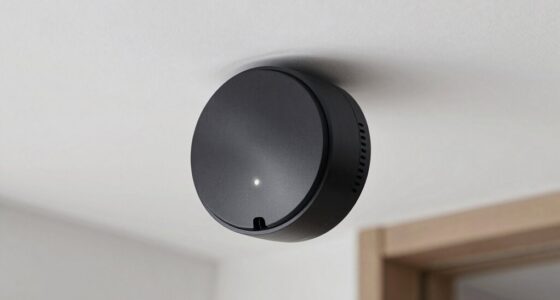
home security camera with privacy masking
As an affiliate, we earn on qualifying purchases.
As an affiliate, we earn on qualifying purchases.
Frequently Asked Questions
Can Security Cameras Record Audio Without Consent?
Security cameras can record audio without consent, but laws vary. Audio recording laws often require all parties’ approval, especially in two-party approval states, while one-party approval states may allow recording with just one person’s permission. You need to understand local approval requirements before recording audio, as illegal recording can lead to privacy violations and legal penalties. Always check your jurisdiction’s laws to ensure you’re compliant and respecting others’ privacy.
Are There Legal Restrictions on Camera Placement Outside My Home?
Yes, there are legal restrictions on camera placement outside your home. You need to guarantee legal compliance by avoiding areas where people expect privacy, like neighboring yards or windows. Respect privacy boundaries to prevent invasions and potential legal issues. Check local laws and regulations before installing cameras, especially in public or semi-public spaces. Staying within these boundaries helps protect your privacy rights and ensures your security measures remain lawful.
How Secure Are the Cameras From Hacking?
Your security cameras are reasonably secure if you update firmware regularly and use strong, unique passwords. Encryption protocols protect your footage during transmission, reducing hacking risks. However, firmware vulnerabilities can still expose your system if not patched promptly. To enhance security, enable two-factor authentication and disable remote access when unnecessary. Staying vigilant with updates and security settings helps prevent hackers from accessing your cameras.
Do Cameras Store Footage Locally or in the Cloud?
Your cameras can store footage either locally or in the cloud, depending on their video storage options. Local storage uses SD cards or network-attached storage, giving you more control over privacy. Cloud storage uploads footage to remote servers, often with encryption. Be sure to check your privacy settings to manage access and prevent unauthorized viewing. This way, you balance convenience with safeguarding your home’s privacy effectively.
Can I Monitor Cameras Remotely on Multiple Devices?
Ever notice how your phone rings just as you’re about to grab coffee? That’s similar to how you can monitor your cameras remotely on multiple devices. With mobile app integration, you can access live feeds anytime, anywhere. Plus, multi-device alerts guarantee you stay informed whether you’re on your tablet, laptop, or phone. It’s like having a security team in your pocket, ready to notify you of any activity.
As an affiliate, we earn on qualifying purchases.
Conclusion
By following this privacy checklist, you’re like a vigilant gatekeeper, protecting your home’s peace of mind. Remember, your security cameras should be your allies, not your privacy villains. Regularly update passwords, secure your network, and be mindful of where your cameras point. Keep your private moments private, just like a treasure buried deep. Stay proactive, and you’ll enjoy peace of mind knowing your home is safe and your privacy is preserved.
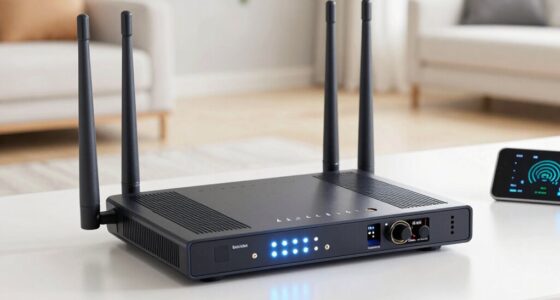
security camera with adjustable privacy zones
As an affiliate, we earn on qualifying purchases.
As an affiliate, we earn on qualifying purchases.
security camera with two-factor authentication
As an affiliate, we earn on qualifying purchases.
As an affiliate, we earn on qualifying purchases.
Fall Picks
fall essentials
As an affiliate, we earn on qualifying purchases.