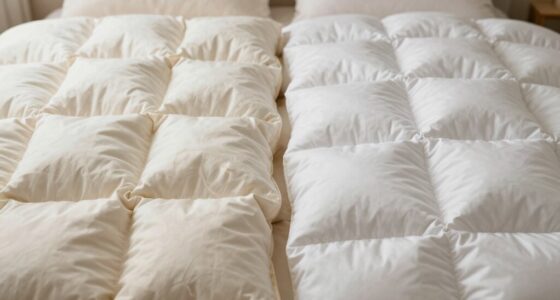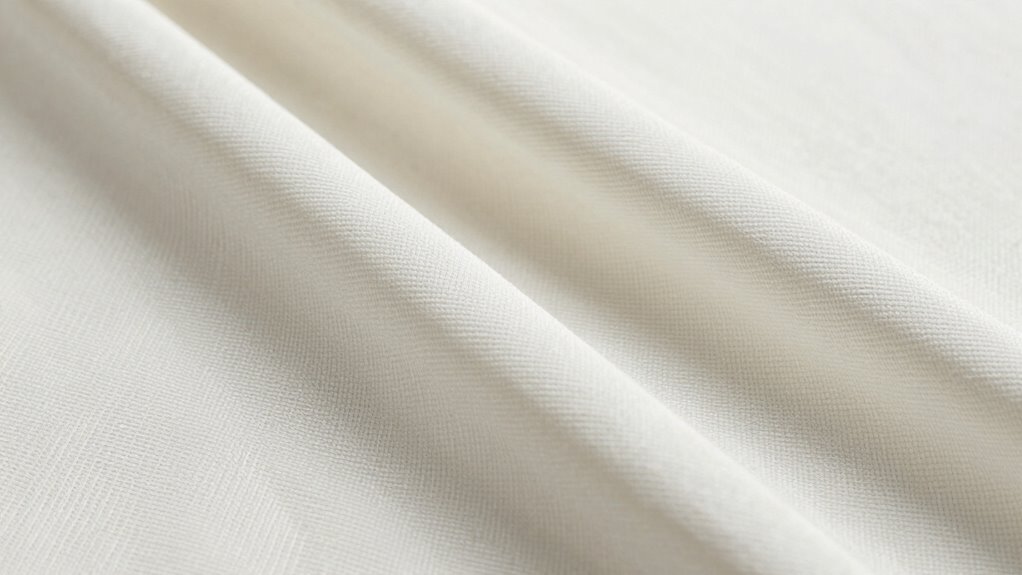

Understanding sheet weaves can help you find the perfect feel for your sleep. Percale offers a crisp, breathable, cool touch, ideal for hot nights. Sateen feels silky and luxurious but is less airy. Twill adds durability with a heavier weight, while linen promotes moisture-wicking and breathability, perfect for warm climates. Cotton varies widely, depending on the weave. To choose the best sheets for your comfort and climate, explore these weave types further.

Turn your quiet moments into listening time
- Thousands of audiobooks, podcasts and originals
- Listen on your phone, tablet or Echo — also offline
- Cancel anytime
Key Takeaways
- Different sheet weaves, like percale, sateen, twill, and linen, offer unique textures, breathability, and durability characteristics.
- Percale is a crisp, cool, and highly breathable weave ideal for hot sleepers, while sateen feels smooth and luxurious.
- Twill provides added durability with a diagonal pattern, often heavier and suitable for colder climates.
- Linen, with a loose weave, promotes airflow and moisture-wicking, perfect for hot and humid environments.
- Choosing the right weave depends on climate, personal comfort, and desired sheet feel, often influenced by thread count as well.
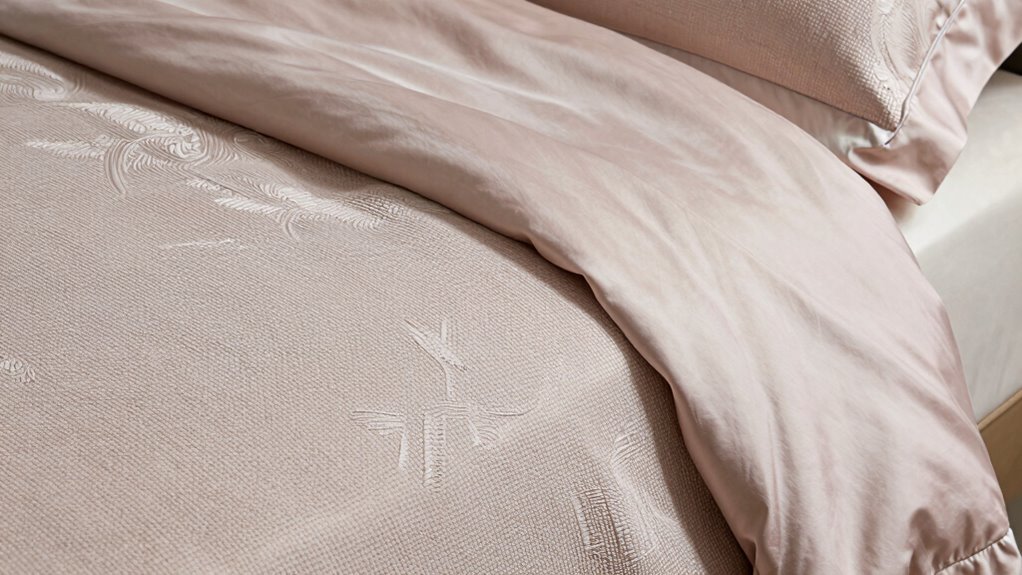
Have you ever wondered what distinguishes one type of sheet weave from another? It’s more than just how a sheet looks; it’s about how it feels, breathes, and holds up over time. The weave determines the sheet’s texture, durability, and comfort, so understanding the differences can help you choose the perfect set for your sleep preferences. One key factor to ponder is thread count, which often gets attention in the world of sheets. While a higher thread count can suggest softness and durability, it’s not the only thing that matters. The weave itself influences breathability features, affecting how well air flows through your sheets and how comfortable you stay throughout the night. For example, percale weaves typically feature a tight, balanced weave that yields a crisp, cool feel, making them ideal if you tend to sleep hot. Percale is known for its breathability, thanks to the way the threads are woven, allowing air to circulate freely. Conversely, sateen weaves have a smoother, silkier surface with a more luxurious feel, but they tend to be less breathable because of their tighter, more lustrous weave. If breathability is a priority, you might prefer sheets with a percale weave, especially if you’re prone to overheating at night. The thread count interacts with the weave type to influence the overall quality; a high thread count in a sateen might feel plush but could trap heat, whereas a lower thread count in percale can still offer excellent airflow. Other weaves, like twill, feature a diagonal pattern that adds durability and a slightly heavier feel, making them suitable for colder climates or those who prefer a sturdier sheet. Linen sheets, made from a different fiber, have a unique loose weave that promotes exceptional breathability and moisture-wicking properties, perfect for hot sleepers. Cotton sheets, depending on the weave, can vary widely in both feel and breathability. Understanding the different weaves can help you select sheets that best match your climate and personal preferences. When selecting your sheets, it’s important to evaluate how the weave and thread count work together to match your comfort needs. A well-chosen weave can enhance your sleep quality by providing just the right balance of softness, durability, and airflow. Additionally, understanding the fiber types involved can further refine your choices for comfort and longevity. So, whether you prioritize a crisp, cool percale or a silky sateen, knowing the characteristics of each weave helps you make an informed decision. Ultimately, your choice should reflect your personal preferences for comfort, climate, and how you like your sheets to feel against your skin.
Frequently Asked Questions
Which Weave Type Is Most Breathable for Hot Climates?
For hot climates, linen weaves are the most breathable, thanks to their natural fibers and loose, airy structure. Cotton weaves like percale or voile also offer good breathability, but linen’s open weave allows better airflow, keeping you cooler. When choosing sheets, opt for linen or lightweight cotton weaves to stay comfortable during warm weather, as these fabrics promote ventilation and wick away moisture effectively.
How Does Weave Affect Sheet Durability Over Time?
Think of your sheets like a sturdy fence—fiber elasticity and weave density play key roles in durability. A tightly woven fabric with high fiber elasticity resists wear better over time, just like a strong fence withstands storms. Looser weaves or those with less elasticity tend to fray and break faster. Over years, the right combination guarantees your sheets stay resilient, maintaining their feel and appearance longer.
Are Certain Weaves More Hypoallergenic Than Others?
Some weaves are more hypoallergenic because they use materials like tightly woven cotton or silk, which reduce dust and allergen buildup. You’re less likely to experience allergic reactions with these fabrics, especially if they’re made from hypoallergenic materials. Avoid loose or textured weaves that trap allergens. Choosing the right weave and material helps minimize allergic reactions and creates a safer, more comfortable sleeping environment for sensitive skin.
Can Weave Type Influence How Well Sheets Resist Pilling?
Yes, the weave type influences how well sheets resist pilling. Heavier, tighter weaves like percale or sateen with good fiber elasticity tend to resist pilling better because the dense weave prevents fibers from loosening. Conversely, looser weaves may trap more friction, leading to pilling over time. Choosing a weave pattern with ideal fiber elasticity ensures durability and a smoother surface, keeping your sheets looking newer longer.
Do Different Weaves Impact the Softness of the Sheets?
Think of weave patterns as the melody in a song, shaping the softness of your sheets. Different weaves, like percale or sateen, create varying thread densities, which directly impact how plush or silky your sheets feel. A tighter weave generally results in a smoother, softer texture, while looser weaves may feel more breathable but less soft. So, your choice of weave pattern truly influences your sleeping comfort.
Conclusion
Just like the intricate tapestry of life’s choices, understanding sheet weaves helps you craft your perfect sleep sanctuary. Whether you prefer the smoothness of sateen or the durability of percale, knowing these weaves is your key to comfort and quality. As the wise say, “The devil is in the details,” and in this case, those details guarantee you wake refreshed, ready to weave your own story with the finest sheets. Sweet dreams await your informed choice.
Halloween Picks
halloween
As an affiliate, we earn on qualifying purchases.