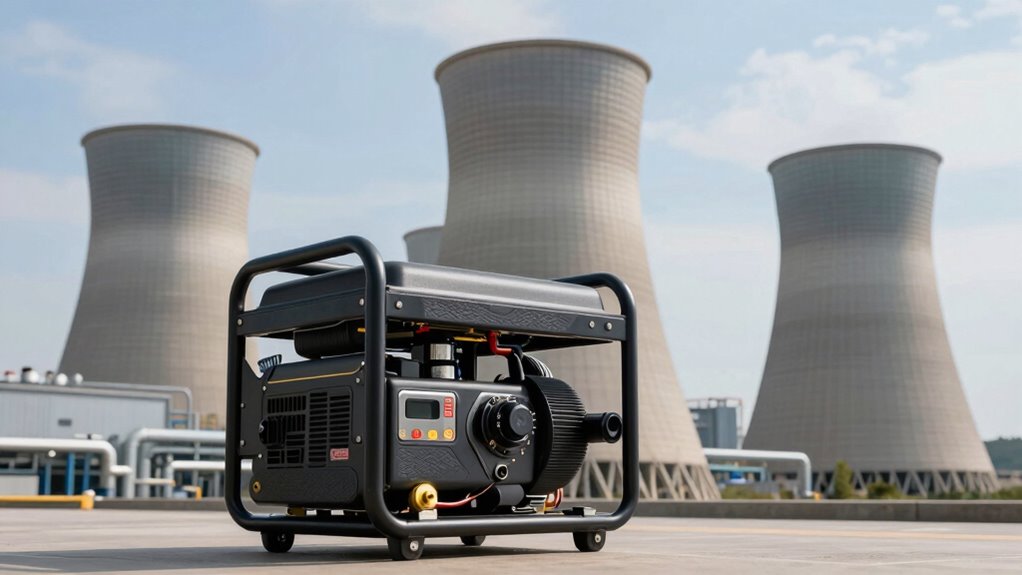

If you need portable power for camping, remote work, or emergencies, a generator is a good fit because it’s easy to move and quick to set up. However, if you require steady, large-scale energy for a community or industrial use, a power station is better, despite being fixed. Consider environmental impact and your long-term needs—more details on these options can help you decide which fits your situation best.

Get books, candles and calm essentials delivered free — and shop member deals
- Fast, free delivery on millions of items
- Access to Prime Big Deal Days deals on October 6–7
- Prime Video, Amazon Music and more included
Key Takeaways
- Portable generators are ideal for temporary, mobile power needs like camping or emergencies; power stations are better for stable, large-scale energy supply.
- Generators emit pollutants and have environmental impacts, while power stations often utilize cleaner, renewable energy sources.
- Power stations provide consistent, high-capacity electricity suitable for industrial or community use; generators offer quick, on-demand power.
- Generators are portable and easy to set up but less suited for long-term, large-scale infrastructure; power stations require significant infrastructure investment.
- The choice depends on mobility and scale: generators for flexibility and small-scale use, power stations for reliability and large capacity.
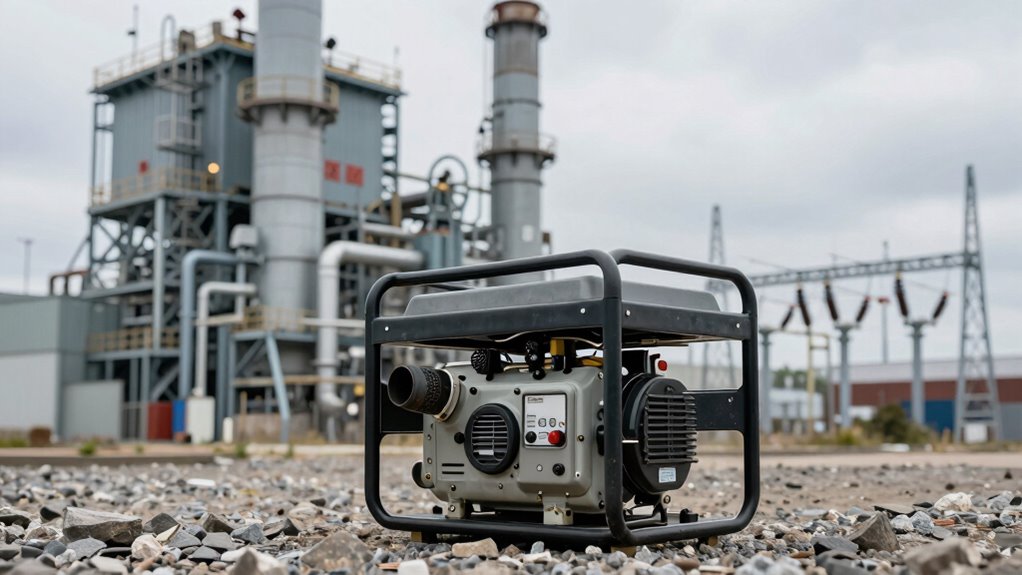
Have you ever wondered how a small generator stacks up against a large power station? When you’re deciding between the two, it’s essential to consider what fits your needs best. Generators are known for their portable convenience, making them ideal for situations where mobility and quick setup are vital. Whether you’re camping, working on a remote job site, or facing a power outage at home, a generator can be your reliable, on-the-go energy source. You simply move it to where you need power, start it up, and you’re set. This flexibility allows you to maintain some level of independence without relying on a fixed infrastructure. Additionally, portable generators often come with compact design features that make transportation and storage even easier. However, it’s important to weigh the environmental impact of using portable generators. Many small generators run on gasoline or diesel, which emit pollutants and greenhouse gases, contributing to air pollution and climate change. While newer models with cleaner emissions do exist, they generally tend to be more expensive. Still, if your priority is quick, on-demand power that you can carry around effortlessly, a generator offers unmatched convenience despite its environmental considerations. Furthermore, advancements in emission reduction technology are gradually making portable generators more environmentally friendly.
In contrast, large power stations are designed to generate massive amounts of electricity, primarily for urban areas, industrial zones, or large communities. These stations are built to serve the grid and provide a steady, reliable supply of power over long periods. While you don’t have to worry about refueling or maintenance on a daily basis, they lack the portability you get with generators. Power stations are fixed installations, often requiring extensive infrastructure and significant investment. They also tend to have a lower environmental impact per unit of electricity produced because they utilize large-scale, often cleaner energy sources—like hydro, nuclear, or natural gas plants—that are more efficient and emit fewer pollutants per kilowatt-hour. Additionally, advancements in renewable energy technology continue to improve their environmental footprint. Incorporating modern infrastructure for power distribution enhances their efficiency and sustainability. Moreover, these large-scale systems can benefit from smart grid technologies that optimize energy use and reduce waste. But, if you’re looking for a quick, flexible power source that you can move around easily, a power station isn’t practical. It’s more suited for centralized energy needs rather than individual or transient use.
Ultimately, your choice depends on your specific situation. If you need portable convenience and can accept the environmental trade-offs, a small generator is your best bet. If you require large, reliable power for a community or industrial purpose and can invest in infrastructure, a power station makes more sense. Both have their strengths and drawbacks, but understanding these differences helps you pick the right fit for your needs.
portable gas generator for camping
As an affiliate, we earn on qualifying purchases.
As an affiliate, we earn on qualifying purchases.
Frequently Asked Questions
How Do Maintenance Costs Compare Between Generators and Power Stations?
Maintenance costs for generators are generally lower but can add up over time, especially if fuel efficiency drops. Power stations tend to have higher initial investments but benefit from more efficient, long-term operation, which can lower ongoing maintenance expenses. You’ll need to weigh the initial investment against fuel efficiency and maintenance costs to determine which option suits your needs best. Regular upkeep is essential to keep both systems running smoothly.
Are Portable Power Stations Suitable for Long-Term Energy Needs?
You might find portable power stations charming but limited for long-term energy needs. While they’re excellent for short-term use and renewable integration, their battery longevity can diminish over time, making consistent, extended power challenging. If you’re seeking reliable, ongoing energy, consider more robust solutions. Portable stations serve well as supplementary power sources, but for sustained, long-term use, investing in larger, dedicated power systems ensures your energy needs are consistently met.
Which Option Is More Environmentally Friendly?
A power station is generally more environmentally friendly because it can use renewable sources like solar or wind, reducing your carbon footprint. Generators often rely on fossil fuels, emitting more greenhouse gases. If sustainability matters to you, a power station offers a cleaner energy option and helps lower your environmental impact. Plus, many portable power stations incorporate renewable charging options, making them a greener choice overall.
Can Generators Operate Silently During Use?
Back in the day, silent movies were a novelty, and today, you can enjoy near-silent generator operation. Modern generators can operate quietly, thanks to advanced noise levels and sound insulation technologies. Some models are designed with mufflers and enclosures to minimize sound, allowing you to use them discreetly during camping or emergencies. While they won’t be entirely silent, many generators now run so smoothly that they hardly disturb your surroundings.
What Safety Features Are Common in Both Generators and Power Stations?
Both generators and power stations come with safety features like automatic shut-off to prevent overloads, circuit breakers, and thermal protection. These features help guarantee safety during operation and protect your equipment. While fuel efficiency is a key factor, it also influences noise levels, as more efficient models tend to run quieter. Always check for safety certifications and user instructions to operate these devices safely and effectively.
home emergency portable generator
As an affiliate, we earn on qualifying purchases.
As an affiliate, we earn on qualifying purchases.
Conclusion
When choosing between a generator and a power station, consider your needs. Generators are great for high power output but tend to be noisier and less portable. Power stations are quieter, lightweight, and perfect for camping or emergency use. Did you know that portable power stations have seen a 40% sales increase in the past year? This shows a rising demand for convenient, eco-friendly power sources. Pick the one that best fits your lifestyle and energy needs.
large capacity power station for backup power
As an affiliate, we earn on qualifying purchases.
As an affiliate, we earn on qualifying purchases.
As an affiliate, we earn on qualifying purchases.
Fall Picks
fall essentials
As an affiliate, we earn on qualifying purchases.