To allergy-proof your bedroom, use a HEPA air purifier near your bed and keep filters clean. Select hypoallergenic bedding with allergen-proof covers, and wash everything weekly in hot water. Keep the room clutter-free, dust with a damp cloth, and avoid thick carpets or heavy curtains. Maintain low humidity with a dehumidifier, and keep pets out of the room or bathe them regularly. For additional tips, you’ll discover more ways to create a healthier sleep space.

Turn your quiet moments into listening time
- Thousands of audiobooks, podcasts and originals
- Listen on your phone, tablet or Echo — also offline
- Cancel anytime
Key Takeaways
- Use HEPA air purifiers and monitors to improve air quality and reduce allergens.
- Encase pillows and mattresses with allergen-proof covers and wash bedding weekly in hot water.
- Keep the bedroom clutter-free, dust regularly, and opt for hard flooring and washable window coverings.
- Keep pets out of the bedroom and bathe them regularly to minimize pet dander.
- Vacuum with a HEPA filter, declutter, and store dust-trapping items in sealed containers.

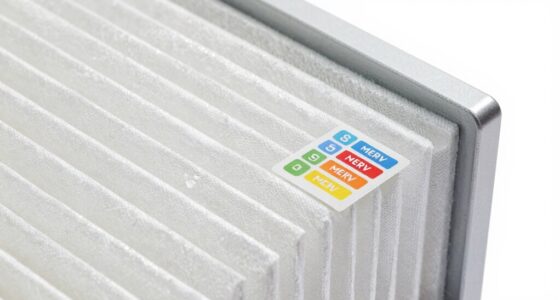
If allergies are disrupting your sleep, creating an allergy-proof bedroom can make a significant difference. The first step is to evaluate air purifier options. Look for models equipped with HEPA filters, which are designed to trap tiny particles like pollen, dust mites, and pet dander. Place the air purifier near your bed or in the center of the room for maximum effectiveness. Regularly changing or cleaning the filters ensures it continues to function efficiently. An air purifier helps reduce airborne allergens, making the air cleaner and easier to breathe throughout the night.
Using a HEPA filter air purifier near your bed can significantly reduce airborne allergens for better sleep.
Next, focus on your bedding. Hypoallergenic bedding is essential for minimizing allergen buildup. Choose pillowcases, sheets, and mattress covers made from tightly woven fabrics that prevent dust mites from penetrating. Wash all bedding weekly in hot water—at least 130°F—to eliminate dust mites and other potential irritants. Encase your pillows and mattress with allergen-proof covers, which act as barriers against allergens and reduce exposure while you sleep. These covers are durable and designed specifically to block common allergens, creating a healthier sleeping environment.
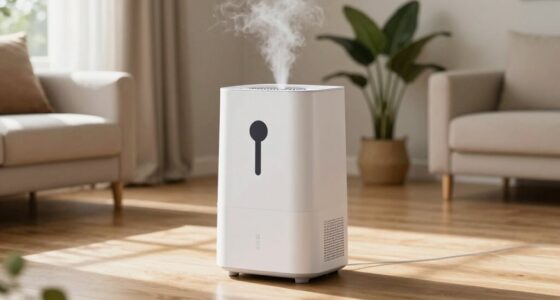
Keep your bedroom environment clean and clutter-free. Dust surfaces regularly with a damp cloth to prevent dust from becoming airborne. Avoid using heavy curtains or thick carpets, which tend to trap dust and allergens. Instead, opt for washable window coverings and hard flooring like hardwood or tile, which are easier to keep allergen-free. Maintaining low humidity levels—around 30-50%—can also inhibit mold and dust mite growth. Using a dehumidifier can help control moisture, especially in humid climates or basements. Additionally, ensuring proper ventilation with fresh outdoor air can help reduce indoor pollutants and improve overall air quality. Incorporating air quality monitors can help track and maintain optimal indoor conditions for allergy sufferers. Ensuring good air circulation can also prevent the buildup of stale air that may contain allergens.
Ventilation plays a key role, so make sure your room is well-ventilated. Open windows when weather permits or use an exhaust fan to promote air circulation. Just make sure outdoor allergens like pollen don’t come inside, especially during peak pollen seasons. Keeping pets out of the bedroom is advisable, as pet dander is a common allergen. If pets are allowed, bathe them regularly and wash bedding frequently to reduce dander buildup. Regularly inspecting and maintaining HVAC systems can also prevent the circulation of dust and mold spores within your home. Additionally, choosing hypoallergenic cleaning products can help reduce the introduction of irritants into your environment.
Finally, declutter your space and avoid storing items that collect dust, like stuffed animals or old books. When cleaning, use a vacuum with a HEPA filter to ensure dust and allergens are properly removed from carpets and upholstery. By combining these strategies—selecting effective air purifier options, investing in hypoallergenic bedding, and maintaining a clean, well-ventilated space—you create an allergy-proof bedroom that promotes restful sleep and reduces allergy symptoms.
As an affiliate, we earn on qualifying purchases.
Frequently Asked Questions
Can I Use Natural Bedding Materials for Allergy Prevention?
Yes, you can use natural bedding materials for allergy prevention. Natural fibers like cotton, linen, and silk often promote allergen reduction because they’re less likely to trap dust mites and other allergens compared to synthetic options. When choosing bedding, opt for tightly woven fabrics and wash them regularly to maintain allergen control. This way, you create a healthier sleep environment and minimize allergy symptoms effectively.
How Often Should I Replace Air Filters in the Bedroom?
Think of your air filters as the lungs of your bedroom—they need regular care to keep air quality fresh. You should replace your air filters every 1 to 3 months, depending on your household’s air quality and allergy sensitivities. Proper filter maintenance guarantees dust, pollen, and allergens stay out of your space, helping you breathe easier and maintain a healthier environment. Stay vigilant—your air quality depends on it!
Are Houseplants Safe for Allergy Sufferers?
Houseplants can be safe for allergy sufferers if you choose varieties known for low pollen production, which helps maintain indoor air quality. However, some plants may trigger plant allergies, causing sneezing or skin irritation. To stay safe, research plants carefully, wash them regularly, and avoid overly lush or dusty foliage. By selecting the right plants and maintaining good cleanliness, you can enjoy the benefits of indoor greenery without compromising your allergy health.
What Are the Best Cleaning Products for Allergy-Proofing?
Think of your cleaning products as guardians standing at the gate, shielding you from dust mites and chemical sensitivities. Use fragrance-free, hypoallergenic cleaners with natural ingredients like vinegar or baking soda. These gentle warriors help eliminate allergens without aggravating sensitivities. Regular vacuuming with a HEPA filter and dusting with microfiber cloths further fortify your defenses. With mindful choices, you create a sanctuary where allergens can’t breach your peace.
Do Certain Mattress Types Prevent Allergies Better Than Others?
Yes, certain mattress types can help prevent allergies better. Hypoallergenic mattresses are designed to resist mold, dust mites, and allergens, making them a great choice. Memory foam mattresses are also beneficial because they create a dense, less breathable surface that discourages dust mites and allergens from settling. By choosing these options, you can reduce allergy triggers and create a healthier sleeping environment.
As an affiliate, we earn on qualifying purchases.
Conclusion
By following this allergy-proof bedroom setup checklist, you’re taking a big step toward better sleep and fewer allergy symptoms. Remember, it’s the little changes that make a big difference—don’t let perfect be the enemy of good. Keep your space clean, dust-free, and well-ventilated, and you’ll be on your way to a healthier, more restful night. Sometimes, you have to face the music and make those small adjustments for a big payoff.
allergen-proof pillow encasements
As an affiliate, we earn on qualifying purchases.
As an affiliate, we earn on qualifying purchases.
As an affiliate, we earn on qualifying purchases.
Halloween Picks
halloween
As an affiliate, we earn on qualifying purchases.