When checking air quality sensors, focus on key numbers like PM2.5, VOCs, CO2, and humidity levels, as these directly impact your indoor environment. Accurate readings make certain you can identify pollutants and take action. Remember, calibration is critical, as sensor drift can cause misleading data. Maintaining and verifying your sensors helps keep the numbers trustworthy. Want to know which values truly matter for your health? Keep going to discover more about reliable air quality monitoring.

Turn your quiet moments into listening time
- Thousands of audiobooks, podcasts and originals
- Listen on your phone, tablet or Echo — also offline
- Cancel anytime
Key Takeaways
- Focus on measurements like PM2.5, PM10, CO2 levels, VOCs, and AQI for comprehensive air quality assessment.
- Understand the significance of sensor calibration to ensure accurate and reliable pollutant readings.
- Monitor sensor drift regularly to maintain data accuracy over time.
- Recognize environmental factors that influence sensor readings, such as dust and temperature.
- Use consistent numerical thresholds to interpret indoor air quality and determine necessary actions.
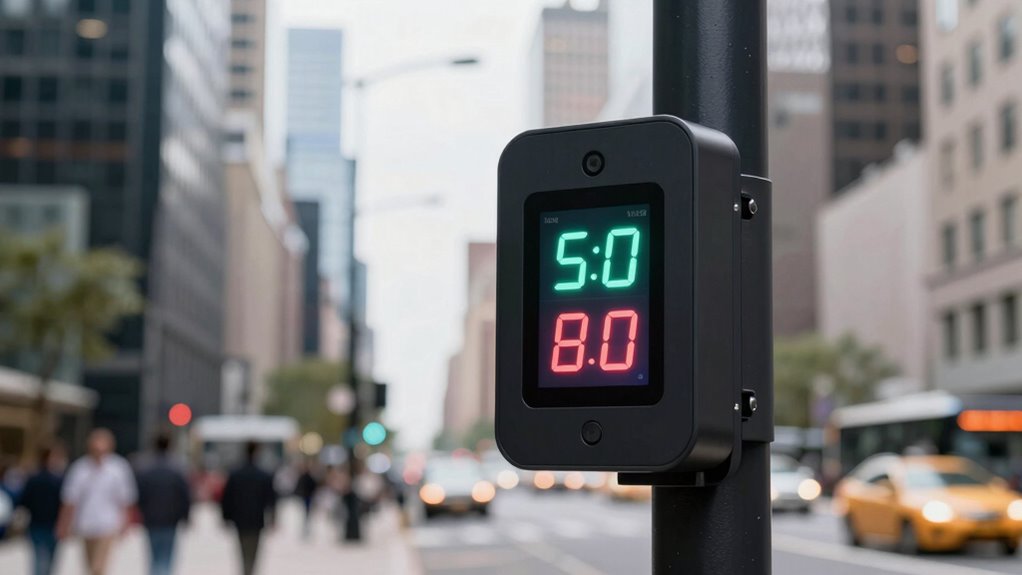
Understanding indoor pollutant levels involves more than just reading the numbers; it requires knowing how the sensors are maintained. Sensor calibration techniques are essential because they guarantee that your device’s measurements stay accurate over time. Calibration involves comparing sensor outputs against known standards or reference measurements. Some sensors come with factory calibration, but these can drift over time due to environmental factors, dust, or aging components. Regular calibration, whether through manual adjustment or automated procedures, helps keep your sensor’s data reliable. For instance, if your sensor detects elevated levels of volatile organic compounds (VOCs), accurate calibration ensures you’re not reacting to false alarms or missing genuine threats. Additionally, understanding sensor drift helps you recognize when recalibration is necessary to maintain measurement accuracy. Ensuring consistent sensor performance is crucial for reliable indoor air quality monitoring, especially in environments prone to fluctuations. Monitoring sensor reliability over time can help prevent inaccurate readings and maintain overall air quality assessments. Regular maintenance and awareness of Sensor calibration procedures further contribute to the device’s accuracy and dependability.
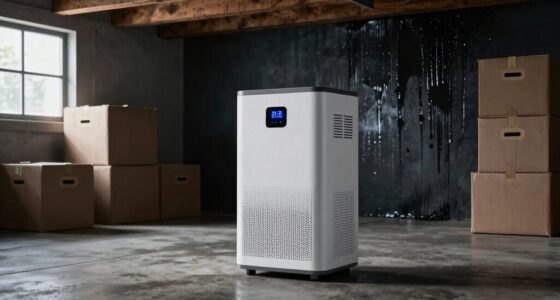
air quality sensor with calibration
As an affiliate, we earn on qualifying purchases.
As an affiliate, we earn on qualifying purchases.
Frequently Asked Questions
How Often Should Air Quality Sensors Be Calibrated?
You should calibrate your air quality sensors at regular intervals, typically every 6 to 12 months, depending on the manufacturer’s recommendations. Regular calibration guarantees sensor accuracy and reliable readings. During routine sensor maintenance, check calibration intervals and perform adjustments as needed. If your sensors detect rapid changes or drift, consider more frequent calibration. Proper maintenance helps maintain trust in your air quality data over time.
What Is the Lifespan of Typical Air Quality Sensors?
Your air quality sensor can last anywhere from 2 to 10 years, depending on its sensor durability and maintenance schedules. High-quality sensors often reach the upper end of this range with proper care, while lower-quality units may need replacing sooner. Regular calibration and cleaning extend your sensor’s lifespan, ensuring accurate readings. Keep a close eye on performance, and don’t hesitate to upgrade when you notice consistent inaccuracies or wear.
Can Sensors Detect All Types of Pollutants?
Sensors can’t detect all types of pollutants due to their limitations and pollutant specificity. You might find some sensors excel at measuring particulate matter or gases like CO2, but they may miss others like VOCs or certain chemicals. Always check each sensor’s limitations before relying on it, since some pollutants require specialized detection methods. Understanding these sensor limitations helps you choose the right device for accurate air quality monitoring.
How Accurate Are Low-Cost Air Quality Sensors?
Think of low-cost air quality sensors as a faithful compass—generally reliable but not perfect. Their accuracy depends heavily on sensor placement and how you interpret the data. While they provide useful trends, you should consider calibration and environmental factors. When used correctly, they can give you a good sense of air quality, but for precise measurements, cross-check with more advanced tools. Always interpret their data with a critical eye.
Do Sensors Work Well Indoors and Outdoors?
Sensors work fairly well both indoors and outdoors, but their accuracy can vary. Indoors, they help you monitor air freshness and identify pollutants, while outdoors, they track outdoor pollution levels effectively. Keep in mind that outdoor sensors face more environmental challenges, like weather, which can affect readings. So, for the best results, choose sensors designed for each environment and regularly calibrate them to guarantee reliable data.
As an affiliate, we earn on qualifying purchases.
Conclusion
When choosing air quality sensors, think of them as your personal health detectives. Just like a detective spots clues to solve a mystery, these sensors reveal hidden pollutants in your environment. I once saw a sensor catch a spike in pollution after a nearby fire—kind of like catching a whisper before it turns into a shout. Remember, understanding those numbers isn’t just technical—it’s your first step toward a healthier, clearer airspace to breathe.
VOC and CO2 indoor air quality sensor
As an affiliate, we earn on qualifying purchases.
As an affiliate, we earn on qualifying purchases.
As an affiliate, we earn on qualifying purchases.
Halloween Picks
halloween
As an affiliate, we earn on qualifying purchases.