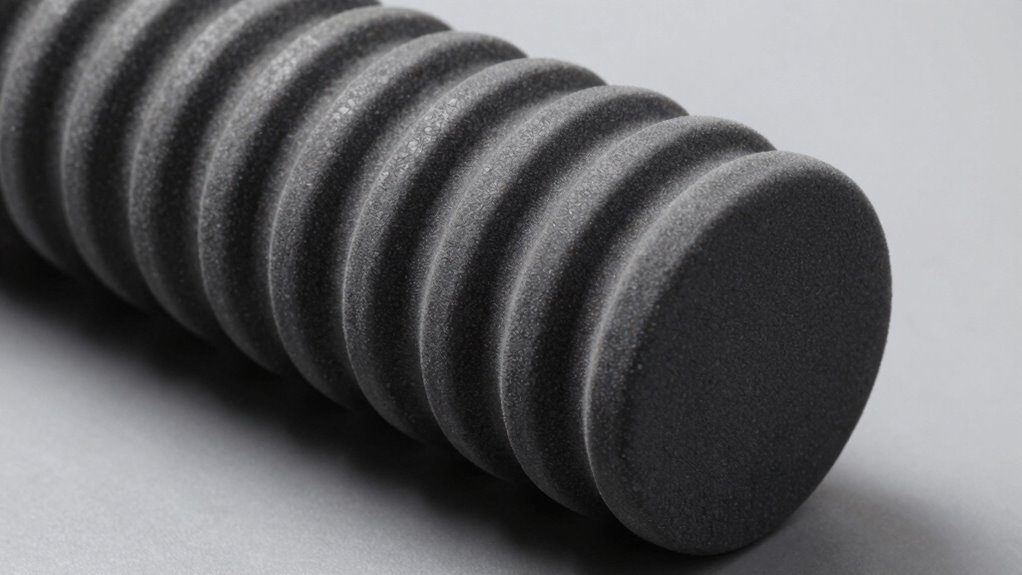

Foam roller density refers to how firm or soft the roller is, impacting how much pressure you feel during self-myofascial release. A higher density roller offers more firm pressure, making it ideal for deep muscle work and injury prevention, while softer rollers are better for beginners or sensitive muscles. Choosing the right density can improve your recovery and comfort. Want to find out how to pick the best one for you? Keep going to learn more.

Turn your quiet moments into listening time
- Thousands of audiobooks, podcasts and originals
- Listen on your phone, tablet or Echo — also offline
- Cancel anytime
Key Takeaways
- Foam roller density determines firmness, affecting how deep and targeted the myofascial release is during use.
- High-density rollers are firm, suitable for advanced muscle work and fascia maintenance, while softer ones are better for beginners.
- Proper density enhances recovery effectiveness by providing appropriate pressure without causing discomfort or injury.
- The right density promotes muscle flexibility, reduces soreness, and helps prevent injuries over time.
- Selecting the correct density balances effective treatment with comfort, ensuring consistent and safe foam rolling routines.
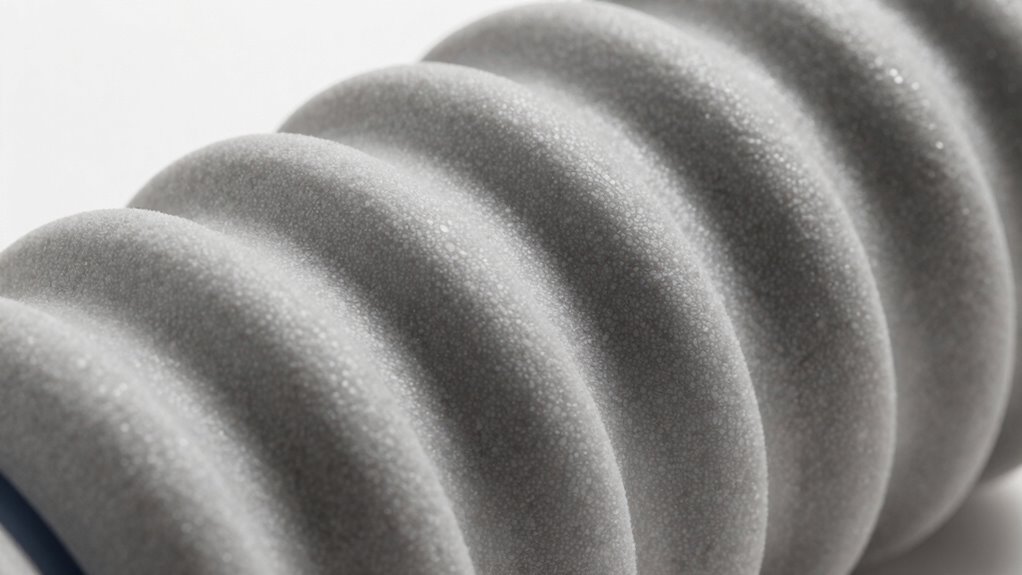
Choosing the right foam roller density is essential for effective self-myofascial release and injury prevention. When you select a foam roller with the appropriate firmness, you can target tight muscles more effectively, which is crucial for muscle recovery. A denser roller applies more pressure, helping break up knots and fascia restrictions, leading to quicker relief and enhanced muscle function. Conversely, a softer roller offers a gentler approach, suitable if you’re new to foam rolling or have sensitive muscles or injuries. The key is to find a balance that allows you to apply enough pressure without causing discomfort or aggravating existing injuries.
Understanding foam roller density helps you tailor your recovery routine. A high-density foam roller is firm and durable, making it ideal for deep tissue work. If you push through your muscles regularly, this type can help maintain flexibility and prevent injuries by keeping your fascia healthy and pliable. When your fascia remains supple, your muscles can move more freely, reducing the risk of strains or other injuries. It also encourages blood flow, which accelerates muscle recovery after workouts or strenuous activity. Properly addressing fascia restrictions and tight muscles early on prevents them from becoming chronic issues that could sideline you. Additionally, using the right foam roller density can also influence your overall recovery effectiveness, making your sessions more efficient and comfortable. Keep in mind that using the right density can make your sessions more effective and comfortable, encouraging consistency in your recovery routine. When you stick with regular foam rolling, you’ll notice better muscle recovery, less soreness, and a lower likelihood of injury. Selecting the right foam roller density can also contribute to a more sustainable and effective recovery process.
High-density foam rollers support deep tissue work and injury prevention through increased durability and pressure.
Choosing the appropriate density can also help you avoid unnecessary discomfort, especially if you’re prone to soreness or sensitive to pressure. Ultimately, selecting the correct foam roller density is a vital part of injury prevention and maintaining optimal muscle health. It ensures that you get targeted relief without unnecessary pain or strain. By choosing the right density, you support your body’s natural healing processes, keep your muscles flexible, and reduce the chances of injury. Whether you’re aiming for faster recovery, better performance, or injury prevention, understanding foam roller density helps you make smarter choices, leading to healthier, more resilient muscles over time.
As an affiliate, we earn on qualifying purchases.
Frequently Asked Questions
How Often Should I Replace My Foam Roller?
You should replace your foam roller when it shows signs of wear, such as cracks or loss of firmness. Material composition affects durability—softer foam may wear out faster, while denser materials last longer. Additionally, check the surface texture; if it becomes smooth or frayed, it’s time for a new one. Regularly inspecting these aspects guarantees your foam roller remains effective and safe for use, typically every 6 to 12 months.
Can Foam Roller Density Affect Injury Recovery Time?
A stitch in time saves nine, and when it comes to injury recovery, foam roller density definitely matters. If you use a roller that’s too soft or too firm, it can either fail to relieve muscle tension or cause additional strain, slowing your recovery speed. Choosing the right density helps target tight muscles effectively, promoting faster healing and reducing discomfort. So, pick your foam roller wisely to optimize your injury recovery process.
Is Higher Density Always Better for Experienced Athletes?
Higher density foam rollers aren’t always better for experienced athletes. While they offer increased durability, they can compromise user comfort, especially if you’re sensitive or recovering from injury. You need a balance between durability and comfort to prevent discomfort or further injury. Choose a foam roller that suits your specific needs, considering your muscle sensitivity, recovery goals, and how comfortable you feel during use.
Are There Specific Densities for Different Muscle Groups?
Think of foam roller densities as tools for tuning a finely crafted instrument. You should choose softer densities for sensitive areas like the shoulders, where muscle responsiveness is delicate, and firmer densities for larger, tougher muscles like quads, to improve tissue elasticity. Different muscle groups respond best to specific densities, helping you target discomfort effectively without risking overstimulation or injury. Adjust your approach for maximum recovery and performance.
How Does Foam Roller Density Impact Portability and Travel?
Higher-density foam rollers tend to be heavier due to their material durability, making them less portable for travel. Conversely, lower-density rollers are lighter and easier to pack, but may wear out quicker. When choosing a foam roller for travel, consider weight considerations alongside durability. Opt for a balance that offers enough resilience for your needs without sacrificing portability, ensuring you can maintain your routine on the go.
As an affiliate, we earn on qualifying purchases.
Conclusion
Choosing the right foam roller density is like finding the perfect pair of shoes—comfortable enough to support you without causing unnecessary pain. Remember, softer rollers are gentle and ideal for beginners or sensitive areas, while denser ones give a deep tissue massage for experienced users. By understanding these differences, you can tailor your foam rolling routine to fit your needs, making your recovery or workout sessions more effective and enjoyable. Find what works best, and roll on confidently!
As an affiliate, we earn on qualifying purchases.
massage foam roller for muscle recovery
As an affiliate, we earn on qualifying purchases.
As an affiliate, we earn on qualifying purchases.
Halloween Picks
halloween
As an affiliate, we earn on qualifying purchases.