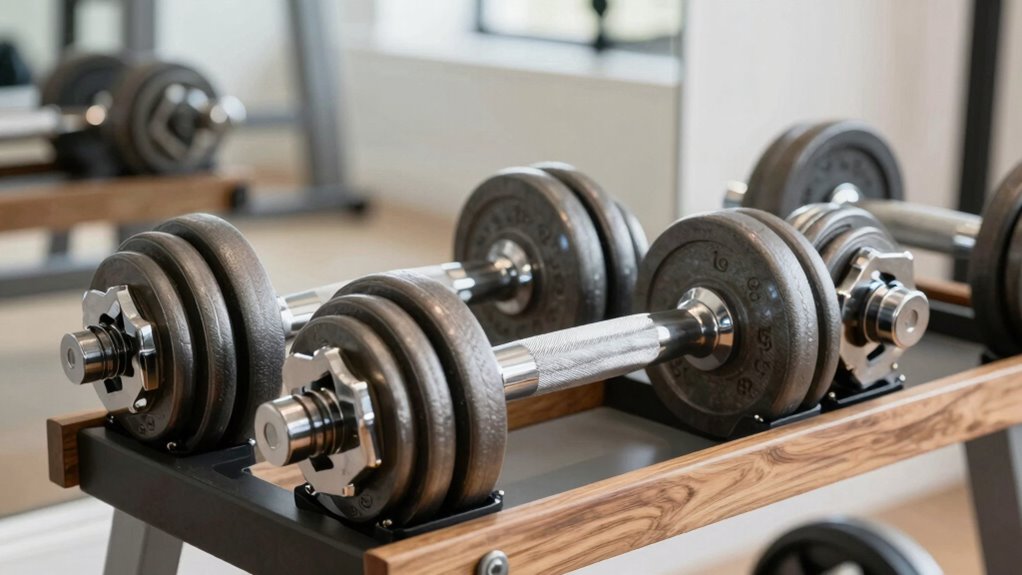

When using adjustable dumbbells, always guarantee your grip is secure and your hands are dry to prevent slips. Double-check that locking mechanisms are fully engaged before lifting, and regularly inspect them for wear. Store your dumbbells on a sturdy rack in a dry, cool area to avoid rust and tripping hazards. Proper maintenance and organization keep your equipment safe and last longer. Keep these tips in mind, and you’ll know how to handle and store your dumbbells safely and effectively.

Turn your quiet moments into listening time
- Thousands of audiobooks, podcasts and originals
- Listen on your phone, tablet or Echo — also offline
- Cancel anytime
Key Takeaways
- Ensure hands are dry and maintain a firm grip for safe and effective lifting.
- Regularly inspect and securely lock adjustment mechanisms before use.
- Store dumbbells on sturdy racks in a dry, cool area to prevent damage and tripping hazards.
- Perform routine maintenance, including tightening loose parts and checking for wear.
- Always secure weight plates with locking devices and return equipment to designated storage after use.
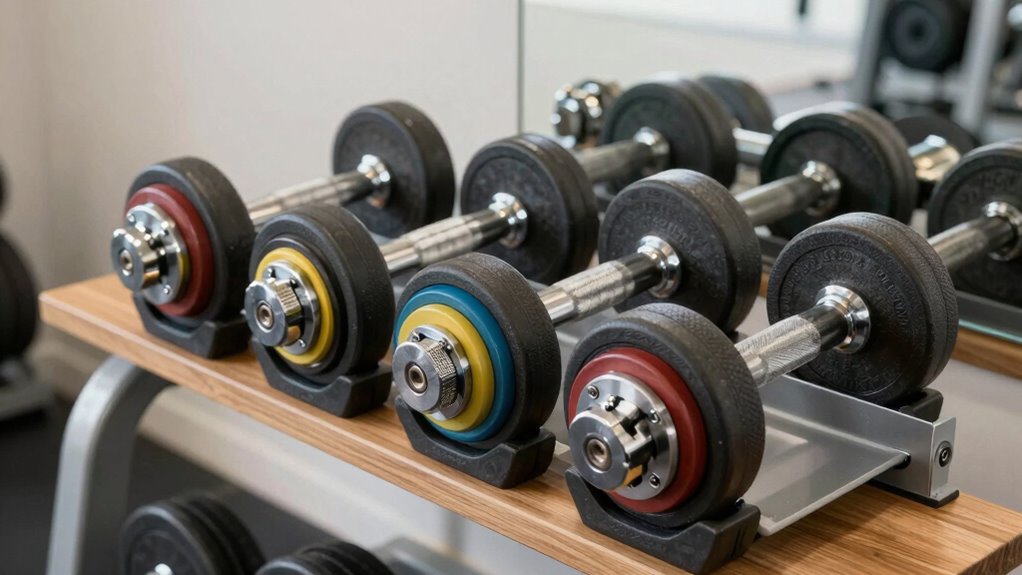
Adjustable dumbbells are a versatile addition to any workout space, but guaranteeing their safety and proper storage is vital for preventing accidents and maintaining their longevity. When you handle these weights, paying attention to the proper grip is essential. A secure grip helps you control the dumbbell during exercise, reducing the risk of slips that could cause injury. Make sure your hands are dry and your grip is firm before lifting, especially when adjusting the weights or performing dynamic movements. This not only enhances safety but also improves your workout efficiency.
Secure your grip and keep hands dry for safer, more effective workouts with adjustable dumbbells.
Another key aspect of safety involves understanding and properly engaging the weight locking mechanisms. These mechanisms are designed to secure the plates in place once you’ve selected your desired weight. Always double-check that the locking mechanisms are fully engaged before lifting. If they’re loose or improperly locked, the plates could shift or fall off during your exercise, posing a serious safety risk. Many models feature twist locks or pins, so take a moment to ensure they’re tight and secure before each set. Neglecting this step can lead to unexpected weight shifts, which could cause strains, falls, or damage to your equipment. Regular inspection of these mechanisms is essential to ensure continued safety and performance. Additionally, understanding the mechanisms can help you troubleshoot issues quickly and maintain your equipment properly. Incorporating manufacturer guidelines into your routine can also help extend the lifespan of your dumbbells and prevent safety hazards.
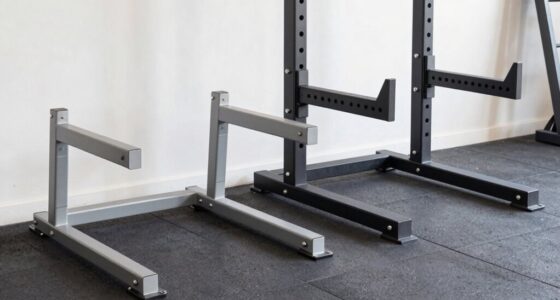
Storing your adjustable dumbbells correctly is equally important for safety and the longevity of the equipment. When not in use, keep them in a designated spot, preferably on a sturdy rack or storage stand designed for dumbbells. This prevents tripping hazards and keeps your workout area organized. Avoid leaving them on the floor or in high-traffic areas, where accidental bumps could cause injuries or damage the weights. Additionally, consider the environment where you store them; a dry, cool space helps prevent rust and deterioration of the metal parts, especially the weight locking mechanisms. Regularly inspect your dumbbells for any signs of wear or loosening, and tighten or repair as needed to maintain safe operation. Proper maintenance and care are essential to prevent corrosion and ensure safe use over time.
Maintaining proper storage and handling routines extends the life of your adjustable dumbbells and keeps your workout space safe. Always prioritize securing the weight plates with the locking mechanisms before lifting, and use a proper grip to stay in control. When you’re done exercising, put the dumbbells back in their designated storage area to prevent accidents and preserve their condition. By practicing these safety measures, you’ll enjoy a more effective and injury-free workout while ensuring your equipment stays in excellent shape for years to come.
adjustable dumbbell storage rack
As an affiliate, we earn on qualifying purchases.
As an affiliate, we earn on qualifying purchases.
Frequently Asked Questions
How Often Should I Inspect Adjustable Dumbbells for Wear?
You should inspect your adjustable dumbbells for wear and tear at least once a month. Regular inspection frequency helps catch any signs of damage early, ensuring safe use. Check the locking mechanisms, adjustment pins, and weight plates for rust, cracks, or looseness. If you notice any issues, tighten parts or replace damaged components immediately. Staying vigilant with inspections keeps your dumbbells safe and in good working condition for your workouts.
Are There Specific Safety Certifications for Adjustable Dumbbells?
Think of adjustable dumbbells like a trusted map—if it’s certified, you know it’s reliable. While there aren’t specific safety certifications for these weights, look for brands adhering to certification standards like ASTM or ISO, which guarantee material durability and safety. Always choose products from reputable manufacturers, and verify they meet recognized standards to keep your workouts safe and effective. Certification acts like a seal of trust, guiding your choice.
Can Adjustable Dumbbells Be Used Outdoors Safely?
Yes, you can use adjustable dumbbells outdoors if they have weather resistance. Look for models made with rust-proof materials and sealed mechanisms to withstand moisture and dirt. Keep storage considerations in mind; store them in a dry, shaded area when not in use to prevent damage. Avoid leaving them exposed to rain or extreme sunlight for extended periods, as this can compromise their durability and safety.
What Is the Maximum Weight Limit for Most Adjustable Dumbbells?
Most adjustable dumbbells have a weight capacity ranging from 50 to 90 pounds, with some models reaching up to 100 pounds. Interestingly, load limits are essential for safety, as exceeding the maximum weight can cause damage or injury. You should always check the specific weight capacity of your dumbbells before increasing load. Staying within the recommended load limits ensures safe, effective workouts and prolongs the lifespan of your equipment.
How Do I Dispose of Damaged Adjustable Dumbbells Properly?
You should dispose of damaged adjustable dumbbells through proper disposal procedures. First, contact your local waste management or recycling center to see if they accept metal or plastic parts. For safety, avoid throwing them in regular trash, especially if they pose sharp or hazardous risks. Proper dumbbell maintenance and disposal procedures guarantee safety and environmental responsibility. If the damage is minor, consider repairing or repurposing parts before disposal.
dumbbell weight locking mechanisms
As an affiliate, we earn on qualifying purchases.
As an affiliate, we earn on qualifying purchases.
Conclusion
So, next time you’re juggling those adjustable dumbbells, imagine them as mischievous pets — enthusiastic to escape or cause chaos. Keep them secure in their cozy storage, and handle with care, lest your workout turn into a slapstick comedy of flying weights. After all, a little caution keeps the gym from becoming a stunt show. Stay safe, and remember: a well-organized dumbbell is a happy, injury-free workout buddy.
adjustable dumbbell maintenance kit
As an affiliate, we earn on qualifying purchases.
As an affiliate, we earn on qualifying purchases.
As an affiliate, we earn on qualifying purchases.
Halloween Picks
halloween
As an affiliate, we earn on qualifying purchases.