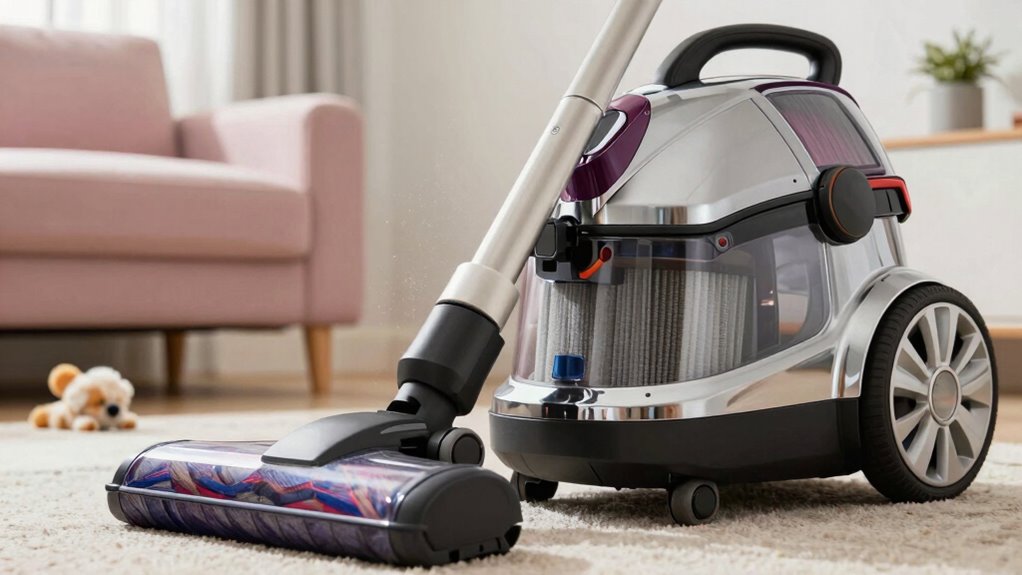
You only need a HEPA vacuum if you have allergies, asthma, or are sensitive to airborne irritants. If you notice dust, pet dander, pollen, or other microscopic particles bothering you, a HEPA vacuum can help by trapping these allergens and improving your indoor air quality. For most people without these issues, a standard vacuum usually suffices. Keep exploring to find out how a HEPA vacuum might make a difference in your home environment.

Turn your quiet moments into listening time
- Thousands of audiobooks, podcasts and originals
- Listen on your phone, tablet or Echo — also offline
- Cancel anytime
Key Takeaways
- Ideal for allergy and asthma sufferers to reduce airborne irritants and allergens effectively.
- Beneficial in households with pets, capturing pet dander and reducing allergic reactions.
- Not necessary for individuals without respiratory issues or minimal airborne allergens.
- Suitable for those seeking improved indoor air quality through high-efficiency filtration.
- Requires proper maintenance to ensure continued allergen reduction and vacuum performance.
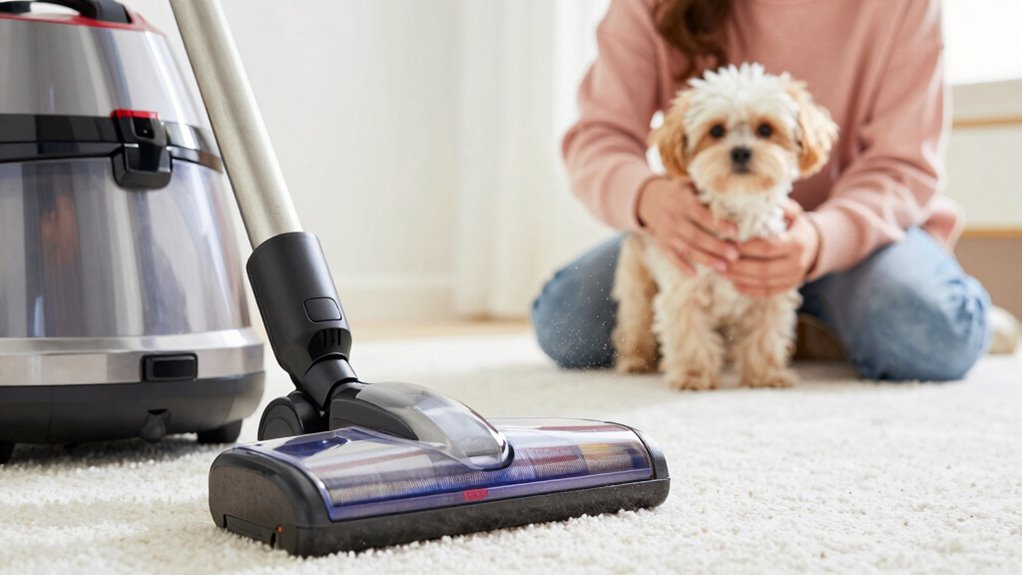
HEPA vacuums are often marketed as essential cleaning tools, but not everyone needs one. If you don’t suffer from allergies or respiratory issues, a standard vacuum might do just fine for your daily cleaning needs. However, if you or someone in your household struggles with airborne irritants, a HEPA vacuum can make a significant difference. These vacuums are equipped with high-efficiency particulate air filters that trap tiny particles, including dust mites, pet dander, pollen, and even some bacteria. This is where air filtration becomes a key benefit, as it helps improve indoor air quality and reduces the number of allergens that circulate through your home. Effective air filtration can significantly contribute to maintaining a healthier indoor environment. If allergies are part of your daily life, a HEPA vacuum can provide much-needed relief. Regular vacuums often recirculate dust and allergens back into the air, which can worsen allergy symptoms or asthma. A HEPA filter, on the other hand, captures these microscopic particles and prevents them from escaping back into your environment. This means cleaner air with less exposure to substances that trigger allergic reactions. For allergy sufferers, this can translate into fewer sneezing fits, less nasal congestion, and a better overall quality of life indoors. It’s especially helpful if you have pets, as pet dander is a common allergen that HEPA filters excel at trapping. Additionally, HEPA vacuums are designed to reduce the amount of allergens released during cleaning, which is vital for maintaining a healthier indoor environment. Proper vacuum maintenance—such as replacing filters regularly and cleaning the vacuum thoroughly—is essential for maximizing the benefits of air filtration. Regularly inspecting and maintaining your vacuum ensures that its filtration system remains effective over time.
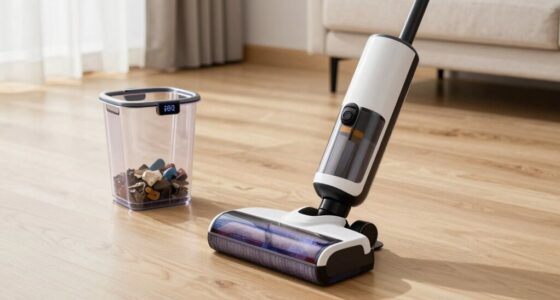
HEPA vacuum cleaner for allergies
As an affiliate, we earn on qualifying purchases.
As an affiliate, we earn on qualifying purchases.
Frequently Asked Questions
Can a HEPA Vacuum Remove All Types of Allergens?
A HEPA vacuum can remove most common allergens like dust mites, pet dander, and pollen, but it may not eliminate all types, such as certain airborne spores or chemicals. For better air purification and allergy relief, combine HEPA vacuuming with air purifiers. This dual approach targets indoor allergens effectively, helping you breathe easier. Keep in mind, regular cleaning and proper maintenance maximize your vacuum’s allergen removal capabilities.
Is a HEPA Vacuum Suitable for Everyday Household Cleaning?
A HEPA vacuum is definitely suitable for everyday cleaning, especially if you want to improve your air quality. It captures tiny allergens and dust mites that regular vacuums miss, boosting cleaning efficiency. You’ll notice a difference in how crisp and clean your home feels, making it an excellent choice for daily use, particularly if you or your family suffer from allergies or asthma. It’s like giving your home a gust of fresh air every day!
How Often Should I Replace the HEPA Filter?
You should replace your HEPA filter based on the recommended replacement frequency, typically every 6 to 12 months, depending on usage and filter lifespan. Regularly check the filter for dirt and damage, and replace it when it appears dirty or clogged to maintain peak vacuum performance. Proper replacement guarantees your HEPA vacuum continues to effectively trap allergens and pollutants, protecting your indoor air quality over time.
Are HEPA Vacuums More Expensive Than Regular Vacuums?
HEPA vacuums usually cost more than regular vacuums, but they’re worth the investment if you’re sensitive to dust or allergens. When comparing costs, consider the filter lifespan—HEPA filters last longer and trap tiny particles, reducing replacement expenses over time. Think of it like planting a sturdy tree; it may cost more initially, but it provides lasting benefits, making it a smarter choice for cleaner, healthier air.
Can HEPA Vacuums Eliminate Bacteria and Viruses?
Yes, HEPA vacuums can help eliminate bacteria and viruses, improving your air quality. They use high filtration efficiency to trap tiny particles, including germs, dust mites, and allergens. While they don’t kill microbes directly, HEPA filters prevent their spread by removing them from the air and surfaces. So, if you’re concerned about maintaining a healthier environment, especially with sensitive individuals, a HEPA vacuum is a smart choice.
As an affiliate, we earn on qualifying purchases.
Conclusion
If you or someone in your home suffers from allergies or asthma, a HEPA vacuum could be a game-changer—removing up to 99.97% of airborne particles. Did you know that HEPA filters trap even tiny allergens like pollen and pet dander? If you’re looking to improve air quality and reduce health risks, investing in a HEPA vacuum might be worth it. Don’t wait—better air today can lead to healthier living tomorrow.
As an affiliate, we earn on qualifying purchases.
high efficiency particulate air vacuum
As an affiliate, we earn on qualifying purchases.
As an affiliate, we earn on qualifying purchases.
Fall Picks
fall essentials
As an affiliate, we earn on qualifying purchases.