A simple stain removal flowchart helps you quickly identify the best approach for different stains and fabrics. Start by recognizing if the stain is fresh or dried, then choose your tools—like blotting for fresh stains or soaking for dried ones. Match the stain type—oil, wine, ink, coffee, or grass—to the proper method, such as using detergent, alcohol, or cold water. Following this sequence keeps your cleaning effective and safe. Keep going to discover even more helpful tips.

Get books, candles and calm essentials delivered free — and shop member deals
- Fast, free delivery on millions of items
- Access to Prime Big Deal Days deals on October 6–7
- Prime Video, Amazon Music and more included
Key Takeaways
- Identify stain type and whether it is fresh or dried to choose the correct removal method.
- Use appropriate tools and solutions, testing on hidden areas first to prevent fabric damage.
- Act quickly with prompt treatment, following specific flowchart steps for each stain.
- Tailor techniques based on fabric type to avoid damage and ensure effective cleaning.
- Apply gentle, consistent motions, avoiding vigorous scrubbing for better stain removal success.
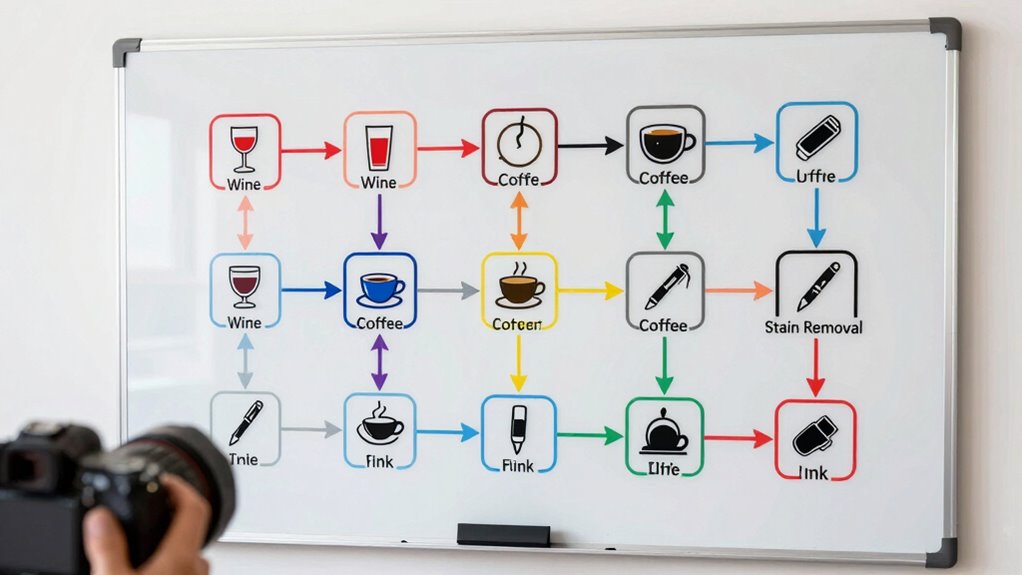
When you’re faced with a stubborn stain, having a clear plan can make the cleanup process much easier. Stain removal often feels overwhelming because there are so many stain types—oil, wine, ink, coffee, grass—and each requires a different approach. That’s where a simple stain removal flowchart becomes your best friend. It helps you quickly identify what kind of stain you’re dealing with and guides you on which cleaning tools and methods to use.
Start by examining the stain. Is it fresh or dried? Fresh stains are usually easier to remove, but dried ones can be tackled too, with the right techniques. Once you’ve identified the stain type, you can determine the best cleaning tools. For example, for greasy oil stains, you’ll want absorbent materials like paper towels or a clean cloth to blot excess oil before applying a solvent. For ink, a cotton swab dipped in rubbing alcohol can work wonders. Coffee or wine stains often respond well to cold water rinses and gentle blotting with a soft sponge. Grass stains might need a mixture of detergent and water, along with a soft-bristled brush. The flowchart helps you decide what to use and when, preventing you from trying ineffective methods.
The next step on your mental flowchart is choosing the right cleaning tools. For most stains, a combination of basic tools like white cloths, brushes, and mild detergents does the trick. For tougher stains, you might need specific solutions like stain removers or solvents. Remember, always test cleaning tools and solutions on a small, hidden area first to avoid damaging your fabric or surface. This testing process is essential to prevent unintended damage. The flowchart also prompts you to act quickly—delaying treatment can make stains set, making them harder to remove. Additionally, understanding the types of stains and their properties can help you select the most effective cleaning approach. Using a stain identification process can enhance your chances of successful removal. Knowing about stain properties can help tailor your approach even further. Also, it’s important to understand the fabric type to choose the safest cleaning method.
As you follow the flowchart, you’ll learn to recognize when to apply stain removers directly, when to soak an item, or when to simply blot and rinse. It’s about matching the stain type with the right technique and tools, ensuring effective removal without damage. Keep in mind, patience and proper timing are key. Don’t scrub vigorously, as this can push the stain deeper or damage the material. Instead, use gentle, consistent motions, and follow through with rinsing or washing as recommended. With this flowchart in mind, stain removal becomes a straightforward process—less stressful and more successful every time.
stain remover spray for oil and wine stains
As an affiliate, we earn on qualifying purchases.
As an affiliate, we earn on qualifying purchases.
Frequently Asked Questions
How Do I Identify the Type of Stain Accurately?
To identify the type of stain accurately, start with stain classification by observing its color, texture, and location. Use identification techniques like testing small hidden areas or comparing the stain’s appearance with common stain types. Remember, different stains respond to different treatments, so recognizing whether it’s oil-based, protein, or dye helps. Carefully analyze the stain’s characteristics to choose the right cleaning method and avoid spreading or setting it further.
Can Natural Remedies Replace Commercial Stain Removers?
Natural alternatives can sometimes replace commercial solutions for stain removal, especially for minor or fresh stains. You might try using vinegar, baking soda, or lemon juice, which are eco-friendly and cost-effective. However, for tough, set-in, or delicate fabrics, commercial solutions often deliver more reliable results. It’s best to assess the stain type and fabric to decide whether a natural remedy suffices or if a commercial product is necessary.
How Long Should I Wait Before Treating a Fresh Stain?
You should treat a fresh stain as soon as possible—don’t wait hours or the stain might set. Many people believe in stain removal myths that waiting doesn’t matter, but it’s a common mistake. To avoid this, act immediately to prevent the stain from setting deeper into the fabric. Quick treatment maximizes your chances of successful stain removal and helps you avoid common stain mistakes.
Are There Stains That Cannot Be Removed Completely?
Yes, some stains can’t be removed completely. Chemical reactions between the stain and fabric, especially with old or set-in stains, often make full removal impossible. Fabric sensitivity also plays a role; delicate fabrics may react poorly to harsh treatments, causing damage or residual marks. You should always test a small area first, and understand that certain stains, like ink or dye, might never disappear entirely despite your best efforts.
How Do I Prevent Stains From Setting Permanently?
To prevent stains from setting permanently, act quickly and avoid rubbing the fabric. Know your fabric types—delicate fabrics need gentle treatment, while sturdier ones can handle more vigorous cleaning. Use proper storage tips, like keeping items in airtight containers or cool, dry places, to prevent stains from worsening over time. Promptly blot spills and avoid heat, which can set stains, ensuring they’re easier to remove later.
As an affiliate, we earn on qualifying purchases.
Conclusion
By following this stain removal flowchart, you can confidently tackle most stains with ease. Curiously, some experts believe that the warmth of water can sometimes set stains rather than remove them, so testing temperature first is key. So, trust the flowchart, but remember to stay cautious—sometimes, a little patience and proper technique can be the secret to spotless results. Keep experimenting, and you’ll master stain removal in no time!
As an affiliate, we earn on qualifying purchases.
As an affiliate, we earn on qualifying purchases.
Halloween Picks
halloween
As an affiliate, we earn on qualifying purchases.