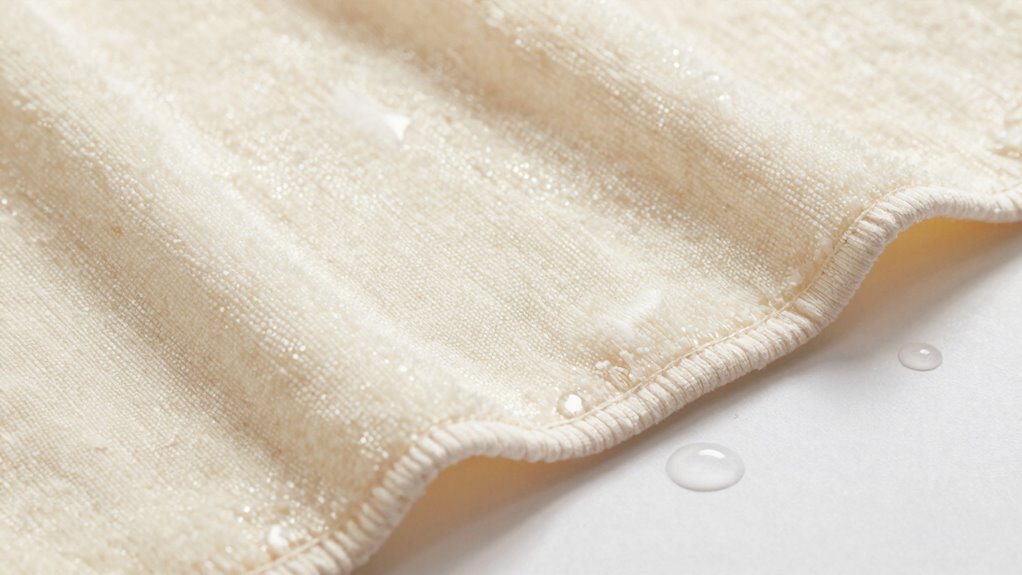

To prevent microfiber from losing its water-repellent qualities, rinse it with cold water first to remove dirt and stains. Use a gentle cycle with a mild, fabric-specific detergent and avoid softeners, bleach, or harsh chemicals. Air dry or tumble dry on low heat to preserve fabric treatments, and consider applying a water-repellent spray afterward. Following these tips helps maintain your microfiber’s water resistance—keep going to discover more expert advice.

Turn your quiet moments into listening time
- Thousands of audiobooks, podcasts and originals
- Listen on your phone, tablet or Echo — also offline
- Cancel anytime
Key Takeaways
- Rinse microfiber with cold water first to remove dirt without compromising water-repellent treatments.
- Avoid using fabric softeners and harsh detergents that can clog fibers and reduce water resistance.
- Use a gentle cycle with cold or lukewarm water to preserve fabric treatments and fiber integrity.
- Reapply water-repellent fabric treatment sprays after washing to restore water-repelling properties.
- Dry microfiber at low heat or line dry to prevent damage and maintain its water resistance.
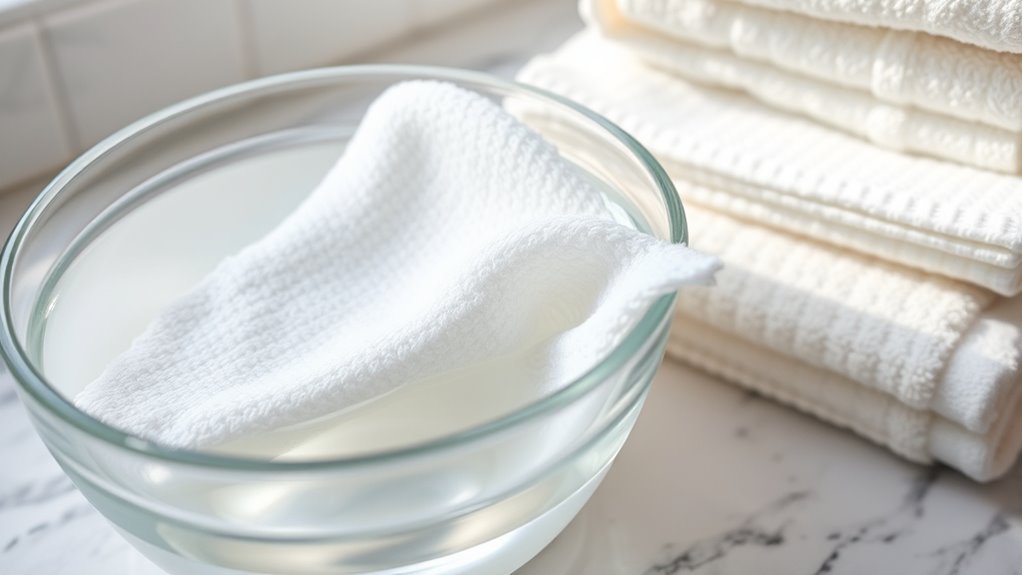
Washing microfiber properly is essential to maintain its softness and durability. Microfiber is a delicate fabric that requires specific care to keep it performing at its best. When you clean microfiber, you want to avoid damaging the fibers or stripping away any special fabric treatments that contribute to its water-repellent properties. Proper cleaning helps preserve its ability to repel water and resist stains, making it last longer and work more effectively.
Start by rinsing your microfiber items with cold water to remove loose dirt and debris. If you notice any stubborn stains, treat them with a gentle stain remover formulated for delicate fabrics. When it’s time to wash, always opt for a gentle cycle on your washing machine, using cold or lukewarm water. Hot water can weaken the fibers and diminish any fabric treatments that give microfiber its water-resistant qualities. Be sure to avoid fabric softeners, bleach, or harsh detergents, as these can leave residues that clog the tiny fibers and reduce its water-repelling capabilities.
Rinse microfiber with cold water and use gentle wash cycles to protect its water-repellent qualities.
Cleaning microfiber is not just about washing; it’s also about understanding how fabric treatments play a role. Many microfiber products are coated with a specialized treatment that helps them resist water and stains. Over time, repeated washing or exposure to harsh chemicals can break down these treatments, making the fabric less effective at repelling water. To maintain these properties, consider using a fabric treatment spray specifically designed for microfiber after washing. These treatments can restore or enhance the water-resistant features, ensuring your microfiber remains functional and looks good.
You can also help preserve fabric treatments by avoiding fabric softeners during wash cycles. Fabric softeners coat the fibers with a greasy film that can clog the tiny pores responsible for water repellency. Instead, if you want to soften your microfiber, use a small amount of white vinegar during the rinse cycle, which naturally softens fabrics without impairing their water resistance. After washing, line dry or tumble dry on low heat, avoiding high heat that could damage the fabric or weaken any existing treatments.
Frequently Asked Questions
Can Microfiber Be Washed With Regular Laundry Detergents?
You can wash microfiber with regular laundry detergents, but choose a gentle one to avoid damaging the fibers. Avoid harsh chemicals and fabric softeners, as they can reduce water repellency. For stain removal, use a mild detergent and treat spots before washing. Proper detergent selection helps maintain microfiber’s water-resistant qualities, ensuring it stays effective without repelling water or losing its softness after cleaning.
How Often Should Microfiber Items Be Washed?
You should wash microfiber items after about 3 to 4 uses or once they start looking dirty or smelling. Following proper care tips, like avoiding fabric softeners, helps maintain their water-repelling properties. Regular cleaning frequency prevents dirt and oils from building up, ensuring your microfiber stays effective. By washing your microfiber regularly, you prolong its lifespan and keep it performing well, so stay consistent with your cleaning routine.
Is Fabric Softener Safe for Microfiber?
Using fabric softener on microfiber isn’t recommended because of its risks to microfiber longevity. Fabric softener can leave residues that clog the fibers, reducing their effectiveness and water repellency. Instead, skip softeners and opt for gentle detergents. This helps keep your microfiber in good shape, maintaining its softness and water resistance over time. Always follow care instructions to make sure your microfiber lasts longer and performs better.
Can Microfiber Be Air-Dried Instead of Machine Dried?
Did you know that air drying microfiber can preserve its water-repellent properties better than machine drying? Yes, you can air-dry microfiber instead of machine drying by hanging it in a well-ventilated area away from direct sunlight. This microfiber drying method helps prevent damage from heat, keeping your fabric soft and effective. So, next time, opt for air drying to maintain your microfiber’s quality and longevity.
Does Washing Microfiber in Hot Water Damage Its Water-Repellent Properties?
Washing microfiber in hot water can cause water repellent loss, reducing its ability to repel water and impacting microfiber durability. Hot temperatures may break down the protective coatings, so you should opt for cold or warm water instead. To maintain its water-resistant properties, avoid hot washes, and always follow care instructions. Proper washing helps preserve the microfiber’s effectiveness and prolongs its lifespan.
Conclusion
To keep your microfiber fabrics water-friendly, always wash them properly and avoid fabric softeners. Did you know that microfiber can repel water if not cleaned correctly? Regular washing with gentle detergent restores its absorbency and performance. Stick to these tips, and you’ll extend the life of your microfiber items. Remember, over 60% of microfiber products lose their water-repelling ability within a few washes if not maintained properly. Keep your microfiber in top shape by washing it the right way!
Halloween Picks
halloween
As an affiliate, we earn on qualifying purchases.