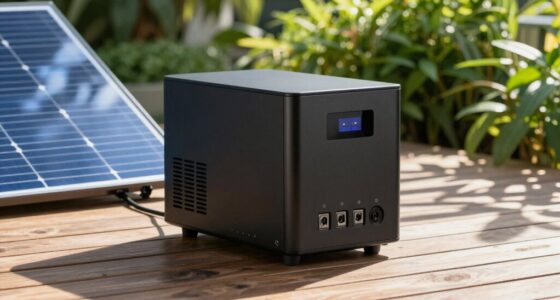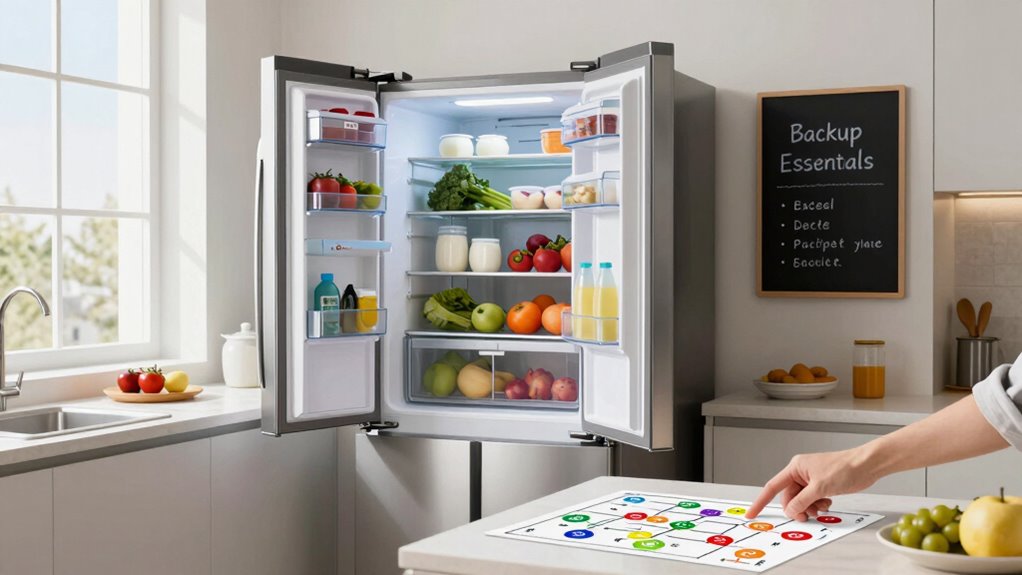

To create a beginner’s roadmap for refrigerator backup planning, start by choosing energy-efficient appliances to reduce power needs during outages. Invest in reliable backup power sources like battery or solar options, and keep high-quality insulated coolers with ice or gel packs to maintain cold temperatures. Organize your food to minimize air exposure and use airtight containers. Combining smart storage with energy-efficient devices extends food safety and reduces waste. Keep exploring these tips to build a strong, effective backup plan.

Turn your quiet moments into listening time
- Thousands of audiobooks, podcasts and originals
- Listen on your phone, tablet or Echo — also offline
- Cancel anytime
Key Takeaways
- Assess your energy needs and choose energy-efficient appliances and backup power sources like batteries or solar options.
- Use insulated coolers with ice or gel packs to maintain cold temperatures during outages.
- Prioritize organizing and sealing perishables to extend freshness and prevent spoilage.
- Explore reliable backup power solutions such as generators or solar systems suited to your energy requirements.
- Plan proactively by stockpiling supplies, implementing smart storage, and practicing food safety measures.
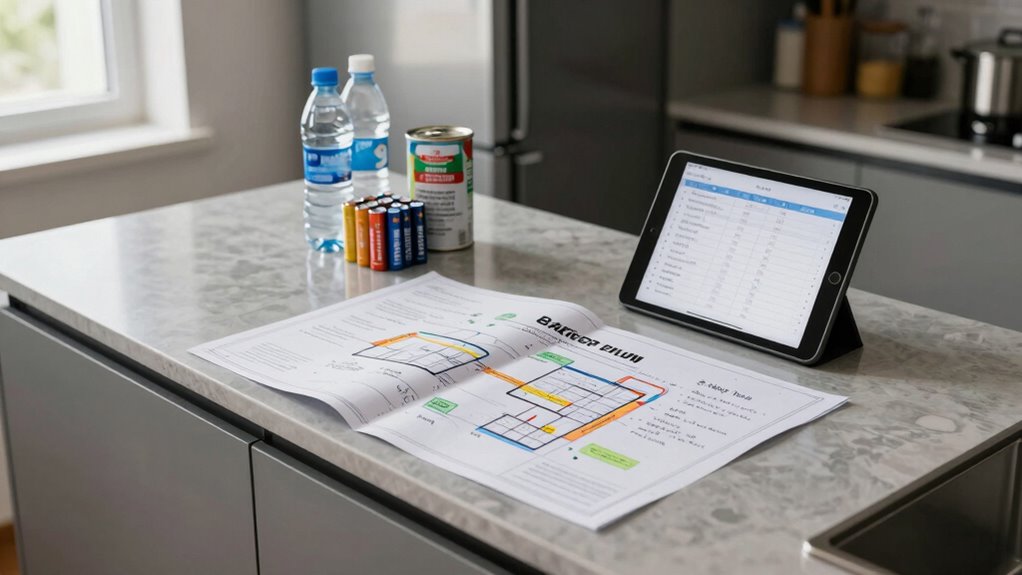
Have you ever considered what would happen to your food if the power suddenly went out? It’s a common concern, especially when you think about the potential loss of perishable items. Planning for refrigerator backup isn’t just about having a backup appliance; it’s about implementing strategies that maximize energy efficiency and make use of effective storage solutions. These steps help you preserve your food longer and reduce waste during unexpected outages.
Preparing for power outages by optimizing energy use and smart storage keeps your food fresh longer.
First, prioritize energy efficiency in your planning. Modern appliances are designed to use less power, which is vital if you’re relying on backup methods that consume energy, like generators or portable coolers. Look for energy-efficient models when replacing or upgrading your refrigerator, and consider how your backup options can complement this. For instance, battery-powered or solar-powered solutions can be more sustainable and cost-effective in the long run. The goal is to reduce the energy needed to keep your food cold during outages, which can help you operate your backup systems more effectively and prolong their use.
Next, focus on storage solutions that help maintain the cold temperature without relying solely on your main refrigerator. One practical idea is to invest in high-quality, insulated coolers equipped with ice packs or frozen gel packs. These are portable, easy to store, and can keep food cold for several hours or even days, depending on their quality and your insulation methods. Additionally, you might consider stacking or organizing your perishables in a way that minimizes air exposure, which helps keep the cold in and prolongs freshness. Using airtight containers can prevent spoilage and reduce odor transfer, making your storage solutions more effective. Understanding airflow and insulation principles can help optimize your storage and cooling strategies, further extending the freshness of your food during outages. Incorporating energy-efficient appliances into your plan can significantly reduce your overall power consumption and enhance your preparedness.
Additionally, it’s helpful to familiarize yourself with refrigeration technology and how different methods can contribute to your backup plan, ensuring you select the most suitable solutions for your needs. Researching backup power options can provide insights into the most reliable and cost-effective methods for maintaining refrigeration during outages. Ultimately, a good refrigerator backup plan combines energy efficiency, smart storage solutions, and proactive preparation. By choosing appliances and methods that consume less power, organizing your perishable foods wisely, and having supplies ready, you considerably reduce food waste and inconvenience. When the power goes out unexpectedly, your careful planning ensures your food remains safe, fresh, and preserved for as long as possible.
As an affiliate, we earn on qualifying purchases.
Frequently Asked Questions
How Long Can I Safely Keep Food During a Power Outage?
During a power outage, you can usually keep food safe in your refrigerator for about 4 hours if unopened, thanks to the cold temperature. After that, food safety becomes a concern, especially for perishable items. To boost your emergency preparedness, keep a thermometer inside your fridge to monitor temperatures and consider using coolers with ice for extended outages. Always check food for spoilage before consuming.
What Are the Best Portable Backup Options for My Refrigerator?
Your refrigerator’s backup needs are no small feat—you need the best portable power options! Consider portable power stations or backup batteries designed specifically for appliances. These devices can keep your fridge running during outages, acting like a superhero for your food. Look for models with sufficient wattage and battery capacity to handle your fridge’s startup and running power, ensuring your perishables stay safe and fresh when power’s out.
How Often Should I Test My Refrigerator Backup System?
You should test your refrigerator backup system at least once every three to six months. Regular testing is crucial for emergency preparedness, ensuring your backup works when needed. During each test, check for proper operation and make sure all backup components are functioning correctly. Consistent backup maintenance keeps your system reliable, helping you avoid surprises during power outages. Schedule these tests and stay confident your food stays safe during emergencies.
Are There Specific Foods That Spoil Faster During Outages?
During outages, delicate foods like dairy, seafood, and fresh produce tend to spoil faster, risking food preservation and spoilage prevention. You might notice softer textures or sour smells sooner in these items, making them more vulnerable. To protect your supplies, prioritize consuming or safely storing these perishables early. Staying alert helps you prevent spoilage, ensuring your backup plan keeps your food safe and fresh when power’s disrupted.
What Is the Cost Range for Effective Refrigerator Backup Solutions?
You can expect to spend between $200 and $1,500 on effective refrigerator backup solutions, depending on your needs and choices. Energy-efficient appliances are essential for reducing ongoing costs, while backup power sources like portable generators or UPS units provide reliable protection during outages. Investing in these options guarantees your food stays fresh longer, and your energy consumption remains manageable, giving you peace of mind during unexpected power disruptions.
portable insulated cooler with ice packs
As an affiliate, we earn on qualifying purchases.
As an affiliate, we earn on qualifying purchases.
Conclusion
By now, you’re equipped with the essential steps to create a reliable refrigerator backup plan. Remember, being prepared guarantees your food stays fresh and safe no matter what surprises come your way. Isn’t it worth taking a little time now to avoid costly spoilage later? With the right plan in place, you can enjoy peace of mind knowing you’re ready for any emergency. So, why wait? Start your refrigerator backup planning today!
solar backup power system for refrigerator
As an affiliate, we earn on qualifying purchases.
As an affiliate, we earn on qualifying purchases.
battery-powered portable refrigerator
As an affiliate, we earn on qualifying purchases.
As an affiliate, we earn on qualifying purchases.
Halloween Picks
halloween
As an affiliate, we earn on qualifying purchases.