
TL;DR

Turn your quiet moments into listening time
- Thousands of audiobooks, podcasts and originals
- Listen on your phone, tablet or Echo — also offline
- Cancel anytime
Crystal healing kits are curated sets of stones used mainly for meditation, decoration, or personal rituals. They lack scientific proof of healing but can serve as calming objects or symbolic tools. Choose wisely, considering sourcing, safety, and your intentions.
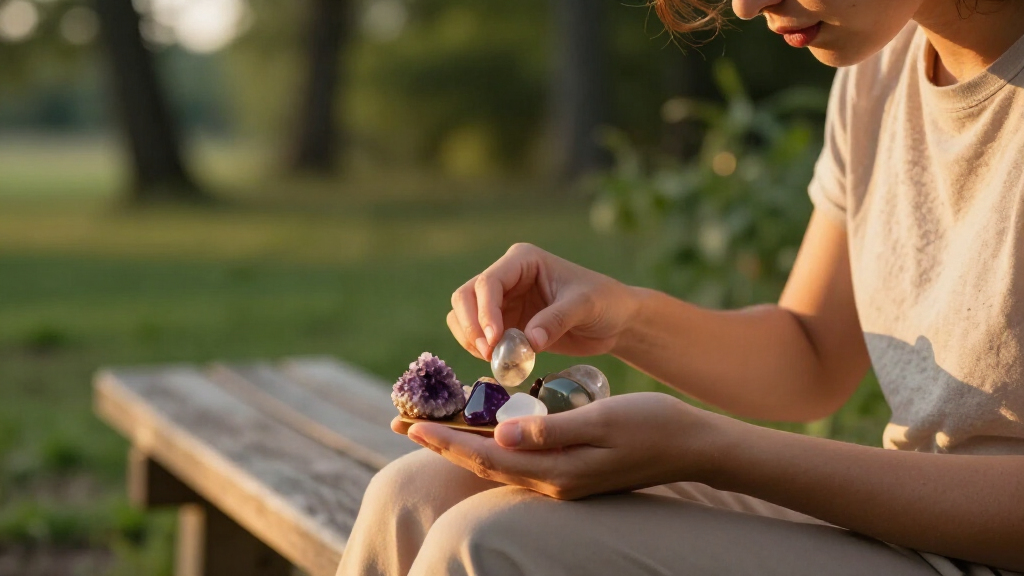
Imagine a small, velvet-lined box filled with shimmering stones—amethyst, rose quartz, clear quartz—each radiating a quiet, colorful presence. Many people find comfort in these curated sets, using them as part of meditation, decoration, or personal rituals. But what exactly is inside a crystal healing kit, and why do so many swear by their calming presence?
If you’re considering purchasing one, or already have a collection, understanding what these kits contain, how they’re meant to be used, and what they really do can save you from misconceptions. This article dives into the heart of crystal healing kits—what’s in them, whether they work, and how to navigate the market responsibly.
Choose a kit based on your intentions, not just price or appearance.
Authentic stones have natural variations; ask for sourcing info and avoid dyed or imitation stones.
Crystals are not proven medical tools but can support mindfulness and personal rituals.
Always research and verify the source to ensure ethical sourcing and safety.
Regular cleansing and setting clear intentions enhance your experience with crystals.
What’s actually inside a crystal healing kit—and what do those stones mean?
Most crystal healing kits include a handful of stones, often ranging from 3 to 10 pieces. You might find familiar favorites like amethyst for calm, rose quartz for love, or citrine for abundance. But beyond just listing these stones, it’s important to understand why they’re chosen and what this implies for your practice. The selected stones often reflect common themes in holistic healing—such as stress reduction or emotional balance—but their effectiveness depends heavily on personal perception and intention rather than scientific validation.
Many kits are themed—focused on sleep, stress relief, or chakra balancing—and include a small booklet or card explaining each stone’s supposed purpose. These explanations serve more as guiding symbols or prompts, encouraging mindfulness and focus, rather than guaranteed outcomes. Recognizing this helps you see that the true value is in your engagement and belief, which can influence your emotional state, but not necessarily produce measurable healing effects.
Raw, tumbled, or polished stones are included to suit different ritual styles or aesthetic preferences. Raw stones retain their natural, unaltered shape, which some believe preserves their ‘authentic’ energy, while polished stones are more tactile and visually appealing. Understanding these differences matters because it influences how you connect with your tools—whether through tactile sensation or visual symbolism—and how you integrate them into your personal ritual practice.
crystal healing kit for meditation
As an affiliate, we earn on qualifying purchases.
As an affiliate, we earn on qualifying purchases.
How to spot quality and authenticity in a crystal healing kit
Ever bought a shiny stone that turned out to be dyed glass? That risk is real, but understanding how to assess quality can help you avoid being misled. Authentic crystals are more than just pretty objects; they are natural formations with unique characteristics, but their value also depends on how they’re sourced and processed. Recognizing quality means looking beyond surface appearance to understand what you’re buying and why it matters.
High-quality crystals often display natural variations—such as minor inclusions, color zoning, or slight imperfections—that are signs of their natural origin. These imperfections are not flaws but indicators of authenticity. Conversely, overly perfect, uniformly colored stones may be synthetic or heavily treated. The implications are significant because treatments like dyeing or heat treatment can alter a stone’s appearance and, in some cases, its safety for contact or use in rituals.
Ask sellers detailed questions about sourcing—where the stones are mined, whether they are ethically obtained, and if any treatments have been applied. Reliable vendors should provide documentation or transparent disclosures. For example, natural citrine can be heat-treated amethyst, which changes its color but may also affect its energy perception for some practitioners. Understanding these nuances helps you make informed decisions aligned with your values and goals.
In the end, choosing authentic stones isn’t just about appearance; it’s about respecting the origin and integrity of your tools. This awareness enhances your connection and ensures your practice is rooted in genuine materials, making your ritual more meaningful and safe.
As an affiliate, we earn on qualifying purchases.
The ethical side: sourcing and safety tips for crystal buyers
Sourcing is more complicated than it seems. Some crystals come from regions with questionable labor or environmental practices. When you buy a kit, ask for specific origin details—Brazil, Madagascar, the U.S. —and whether the stones are mined ethically. This matters because the environmental and social impact of mining can be significant, affecting local communities and ecosystems. Choosing ethically sourced stones supports fair labor practices and sustainable environmental standards, aligning your practice with responsible consumption.
Safety is another crucial aspect. Some stones can be damaged by sunlight, water, or household chemicals, and others may pose health risks due to mineral content or treatments. For example, selenite dissolves in water, making it unsuitable for water-based rituals, while malachite contains copper dust that can be toxic if inhaled during polishing or breaking. Handling raw stones also risks skin irritation or inhalation of dust if proper precautions aren’t taken.
Never put stones directly into drinking water to make ‘crystal water’ unless you’re sure they’re safe—many minerals can leach harmful substances. Always wash your hands after handling raw or broken stones, and store them properly to prevent damage or deterioration. Considering these factors ensures your practice remains safe and respectful of both your health and the environment, fostering a more mindful connection with your tools. Being informed about sourcing and safety empowers you to make choices that reflect your values and protect your well-being.
As an affiliate, we earn on qualifying purchases.
Frequently Asked Questions
What is usually included in a crystal healing kit?
Most kits contain a selection of stones—often 3 to 10—like amethyst or rose quartz—plus a pouch, guide, or instructions. Contents depend on the theme, such as relaxation or chakra balancing.
Do crystals have scientifically proven healing effects?
No. There’s no scientific evidence that crystals can cure or treat health issues. Their value lies in personal symbolism, routine, and calming rituals instead.
Which kit should a beginner choose?
Pick one based on your interests, clear descriptions, and transparent sourcing. Avoid kits promising cures—focus on quality and your intuition.
How can I tell whether a crystal is real?
Ask for mineral names, source details, and check for signs of treatments. Authentic stones have natural variations, and reputable sellers disclose this info.
Are crystals safe to wear, handle, or put in water?
Handling finished jewelry is generally safe, but avoid putting stones into water or ingesting them unless you are certain they’re non-toxic. Some minerals can be damaged or harmful.
As an affiliate, we earn on qualifying purchases.
Conclusion
Crystal healing kits can be beautiful, meaningful objects or tools to deepen your reflection. They aren’t magic cures—think of them as symbols of your intentions. When you buy wisely and use them thoughtfully, they serve as gentle reminders of your journey, not quick fixes.
So next time you hold a shimmering stone, ask yourself: what do I want to invite into my life today? Your answer might be more powerful than any claim about healing effects.
Fall Picks
fall essentials
As an affiliate, we earn on qualifying purchases.