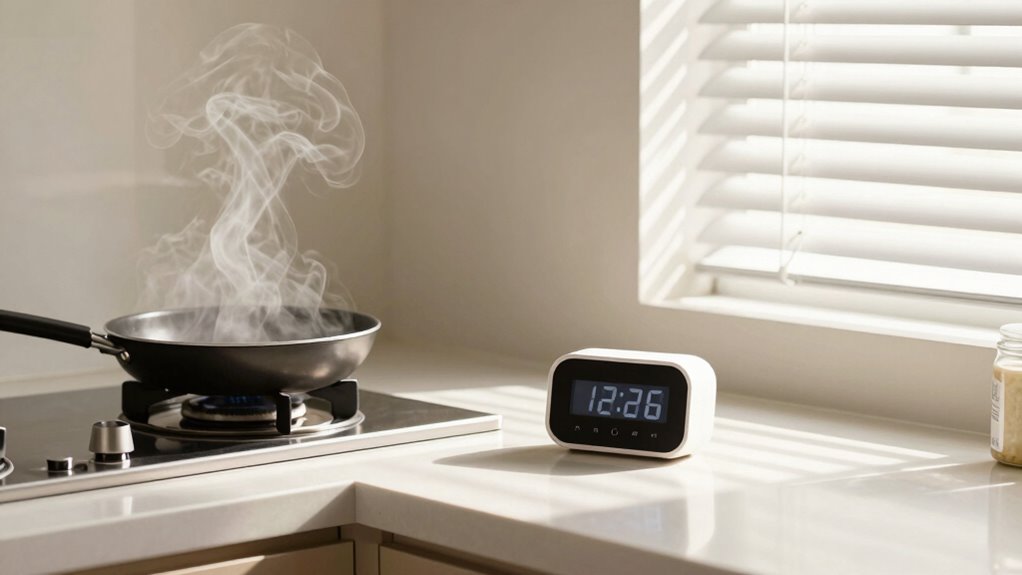
After cooking, it’s best to run your kitchen ventilation for 15 to 20 minutes to effectively remove smoke, odors, and airborne pollutants. The exact time depends on the meal, kitchen size, and your ventilation system’s efficiency, but this duration usually provides enough airflow to clear lingering contaminants. Properly timing your ventilation helps keep your indoor air fresh and safe. Stick around if you want to discover tips for optimizing your kitchen’s air quality even further.

Turn your quiet moments into listening time
- Thousands of audiobooks, podcasts and originals
- Listen on your phone, tablet or Echo — also offline
- Cancel anytime
Key Takeaways
- Run ventilation for 15 to 20 minutes after cooking to effectively clear smoke, odors, and airborne pollutants.
- Adjust ventilation duration based on meal type, with more smoke-producing foods requiring longer operation.
- Larger kitchens may need extended ventilation time to ensure proper air quality restoration.
- Use your ventilation system effectively by maintaining it regularly for optimal pollutant removal.
- Turn off ventilation once odors and visible smoke have dissipated to maintain a safe, fresh indoor environment.
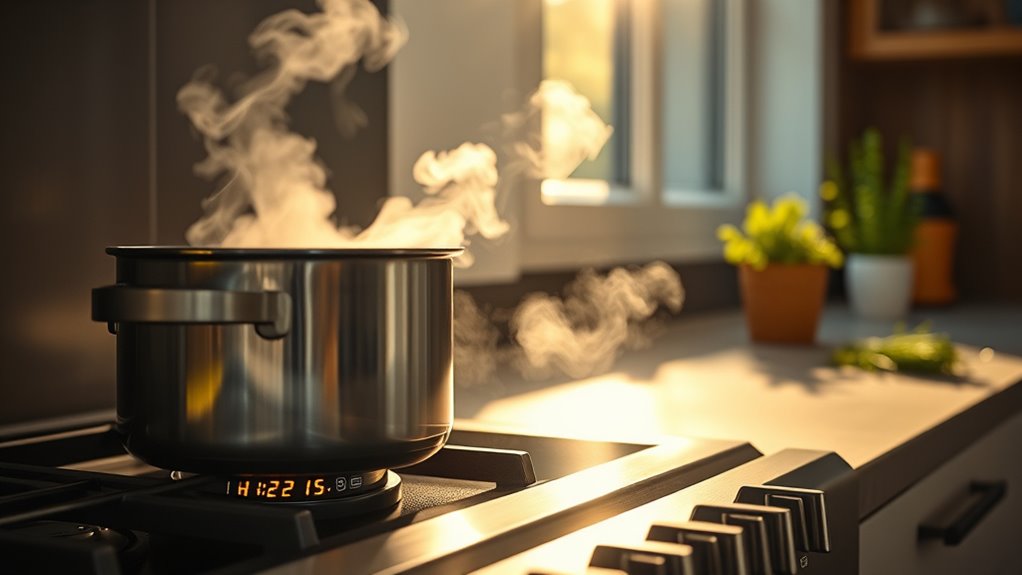
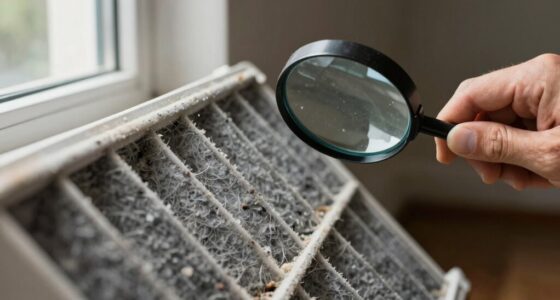
After cooking, running your ventilation system is vital to remove smoke, odors, and airborne pollutants that can compromise your air quality. Proper ventilation helps guarantee that your kitchen remains a safe, fresh environment and prevents lingering smells from spreading throughout your home. To achieve this, you need to run your range hood or exhaust fan long enough to clear out all the contaminants generated during cooking. A simple rule of thumb is to run the ventilation for about 15 to 20 minutes after you’re done cooking, but this can vary depending on the type of meal you prepare and your kitchen’s size. This duration allows enough time to evacuate smoke, grease particles, and strong odors, restoring healthier air quality in your space. Additionally, consistent *ventilation system maintenance* ensures your appliances operate efficiently and effectively, maximizing their ability to remove airborne pollutants.
As an affiliate, we earn on qualifying purchases.
Frequently Asked Questions
Can I Leave the Ventilation Fan on Overnight?
Yes, you can leave the ventilation fan on overnight if you’re concerned about air quality, especially after cooking or cleaning. Just be aware that fan noise might disturb your sleep, so consider a quieter model. Running it overnight helps clear out odors and improve air quality, but guarantee it’s energy-efficient to avoid high electricity bills. Use a timer or smart plug to control operation and balance air quality with comfort.
Does the Type of Cooking Affect Ventilation Time?
You bet your bottom dollar, the type of cooking definitely affects ventilation time. Different cooking methods produce varying pollutant levels; for instance, frying and grilling release more smoke and fumes, so you should run your ventilation longer. Boiling or steaming generate fewer pollutants, meaning less ventilation is needed. Always tailor your ventilation duration to the cooking method to keep indoor air clean and safe.
How Do I Know When Airborne Pollutants Are Gone?
You can tell airborne pollutants are gone by checking your home’s air quality. Use an air quality monitor to track pollutant levels, which should drop to safe thresholds. When levels stabilize and pollutants are considerably reduced, you know the air is clean. Keep ventilation running for a bit longer to ensure thorough pollutant removal, especially after cooking with strong-smelling or greasy foods, to maintain good indoor air quality.
Is Natural Ventilation Enough After Cooking?
They say “better safe than sorry,” and that’s true with natural ventilation after cooking. While it can improve air quality, natural airflow alone often isn’t enough to fully clear airborne pollutants. You need to evaluate ventilation effectiveness by opening windows and doors, but for thorough air purification, consider combining natural methods with mechanical ventilation. This ensures pollutants are properly ventilated, keeping your indoor air quality safe and healthy.
Should I Adjust Ventilation Time for Different Kitchen Sizes?
Yes, you should modify ventilation time based on your kitchen dimensions and ventilation needs. Larger kitchens generate more smoke and odors, so running your ventilation longer ensures proper air exchange. Smaller spaces may need less time, but always monitor air quality and odors. Use your intuition and appliance usage as a guide, and consider installing adjustable ventilation systems to tailor the airflow to your specific kitchen size and cooking habits.
As an affiliate, we earn on qualifying purchases.
Conclusion
Remember, running your ventilation for at least 10-15 minutes after cooking is your best defense against lingering odors and smoke. Think of it as clearing away a mountain of fumes that could fill your entire home—your kitchen’s air deserves a fresh breath of life. Don’t cut it short; give your ventilation enough time to do its magic. A little patience now keeps your home smelling clean and fresh for days to come!
As an affiliate, we earn on qualifying purchases.
As an affiliate, we earn on qualifying purchases.
Halloween Picks
halloween
As an affiliate, we earn on qualifying purchases.