
How often you should replace your furnace filter depends on your home environment and household needs. Typically, changing it every 1 to 3 months works well, especially if you have pets, allergies, or many occupants. If your house is dust-free and has no pets, you can wait closer to three months. Keep an eye on the filter’s condition and your indoor air quality — there’s more to evaluate for ideal furnace care.

Turn your quiet moments into listening time
- Thousands of audiobooks, podcasts and originals
- Listen on your phone, tablet or Echo — also offline
- Cancel anytime
Key Takeaways
- Replace the filter every 1 to 3 months for optimal efficiency and indoor air quality.
- More frequent replacements are needed if you have pets, allergies, or heavy dust.
- Check the filter monthly; replace sooner if it appears dirty, clogged, or reduced airflow.
- Adjust replacement frequency based on household size, indoor environment, and filter type.
- Follow manufacturer recommendations and monitor your home’s specific needs to determine ideal timing.
Replacing a furnace filter is a simple but essential task that helps guarantee your heating system runs efficiently and maintains good indoor air quality. When you change your filter regularly, you ensure that the air circulating in your home stays clean and free of pollutants. This not only improves your comfort but also has a direct impact on your energy efficiency. A clean filter allows your furnace to operate more smoothly, reducing strain on the system and lowering your energy bills. You’ll notice that your home warms up more evenly and your heating system doesn’t have to work as hard to reach the desired temperature.
Changing your furnace filter regularly improves efficiency and indoor air quality, keeping your home comfortable and saving energy.
How often you should replace your furnace filter depends on several factors, including your household size, the presence of pets, and your indoor environment. For most homes, it’s recommended to change the filter every 1 to 3 months. If you have pets that shed or someone in your household has allergies or respiratory issues, you might need to check and replace the filter more frequently—perhaps every 30 to 60 days. Dust, pet hair, and other airborne particles clog the filter faster, which decreases air quality and hampers your system’s efficiency. Conversely, if your home is relatively dust-free and you don’t have pets, a 3-month interval might suffice.
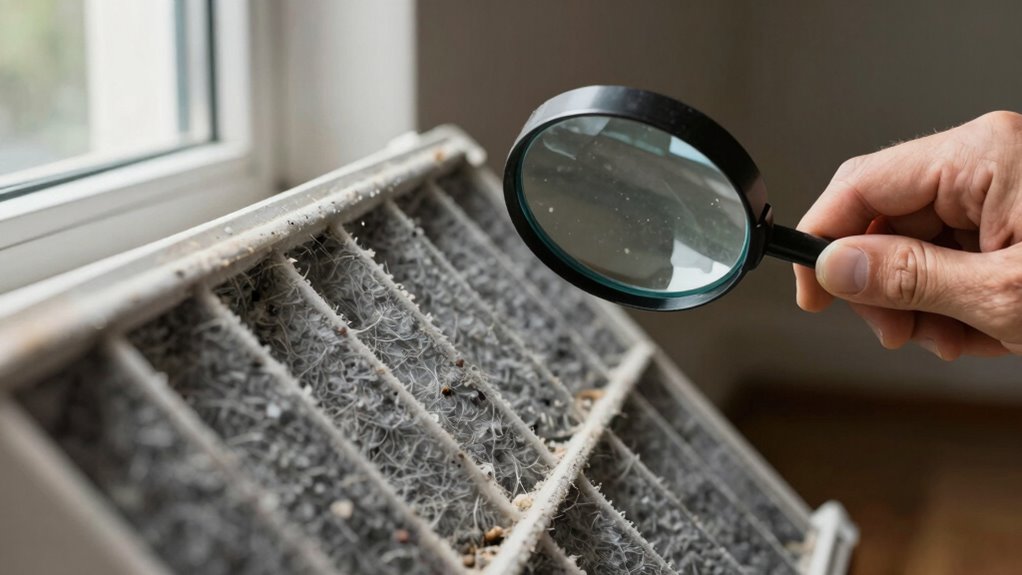
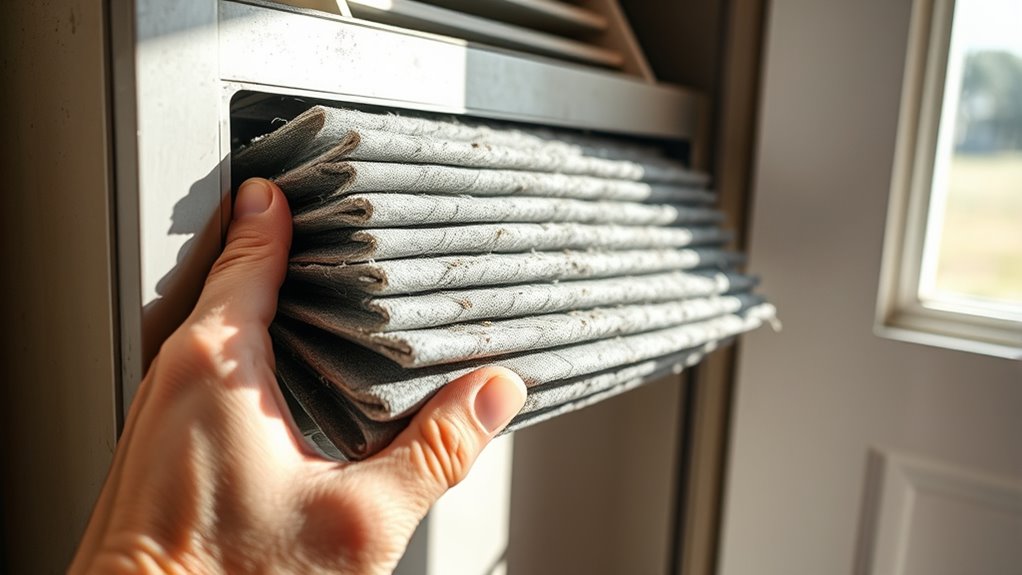
You should also pay attention to the condition of your filter. If it looks dirty, clogged, or darkened after just a month, don’t hesitate to replace it sooner. A visibly dirty filter indicates reduced airflow, which can cause your furnace to work harder and consume more energy. This not only wastes energy but can also shorten the lifespan of your heating system. Regularly inspecting your filter helps you stay proactive about maintaining both good air quality and energy efficiency. Additionally, understanding filter lifespans and choosing the right type can extend the time between replacements and improve overall performance.
Keep in mind that different types of filters have different lifespans. High-efficiency filters or allergen-reducing filters may need to be replaced more often than basic fiberglass filters. Always check the manufacturer’s recommendations for your specific filter. Setting a reminder to check or replace your filter every month can help you stay consistent. Ultimately, the key is to monitor your home’s environment and adjust your schedule as needed. Regular filter changes ensure your HVAC system functions at its best, providing cleaner air and saving you money on energy costs over time.
Frequently Asked Questions
Can I Clean or Reuse My Furnace Filter Instead of Replacing It?
You shouldn’t clean or reuse your furnace filter instead of replacing it because cleaning can damage the filter’s fibers, reducing filter longevity and efficiency. Reusable filters exist, but they require regular cleaning, and even then, they may not maintain ideal performance over time. For most standard filters, replacing them every 1-3 months ensures better air quality and system efficiency. Prioritize replacement over cleaning for the best results.
How Do I Know if My Filter Needs to Be Replaced Sooner?
Your air filter lifespan can shrink dramatically if you notice excessive dust, allergies, or reduced airflow—it’s practically begging for replacement! If your filter looks filthy after just a month, it’s a clear sign you need to replace it sooner. Typically, you should check your filter monthly and adjust the replacement frequency accordingly. Don’t wait for it to turn completely black—replace it early for superior HVAC performance and indoor air quality.
Are There Specific Filters Better for Allergy Sufferers?
Yes, allergy sufferers should choose allergen reduction filters, which are often compatible with air purifiers. These filters are designed to trap small particles like pollen, pet dander, and dust mites, improving indoor air quality. Look for filters labeled as HEPA or with high MERV ratings, as they’re most effective. Regularly replacing these filters guarantees peak allergen removal and keeps your air purifier functioning efficiently.
What Signs Indicate My Furnace Filter Is Clogged?
When your furnace filter is clogged, you’ll notice airflow reduction like trying to breathe through a straw. You might also see increased energy bills because your system works harder to heat or cool your home. Other signs include dust buildup, musty odors, or uneven heating. Don’t ignore these clues; replace your filter promptly to keep airflow smooth, save energy, and maintain a healthier indoor environment.
Does Outdoor Air Quality Affect How Often I Should Replace My Filter?
Outdoor air quality definitely impacts how often you should replace your furnace filter. If the outdoor air is polluted or dusty, your filter will clog faster because it’s filtering more contaminants. You might need to change it more frequently during high pollution seasons or in areas with poor air quality. Regularly checking your filter’s condition helps you determine the right replacement schedule, ensuring your indoor air stays clean and your system runs efficiently.
Conclusion
Remember, your furnace filter is like the breath of your home—clean air flowing through every room. When you replace it on time, you’re safeguarding your comfort and health, creating a cozy haven against dust and allergens. Imagine the warm, revitalizing air filling your space, wrapping you in a gentle hug. Keep that filter renewed, and your home will feel like a breath of fresh air every day, welcoming you with comfort and peace.
Fall Picks
fall essentials
As an affiliate, we earn on qualifying purchases.