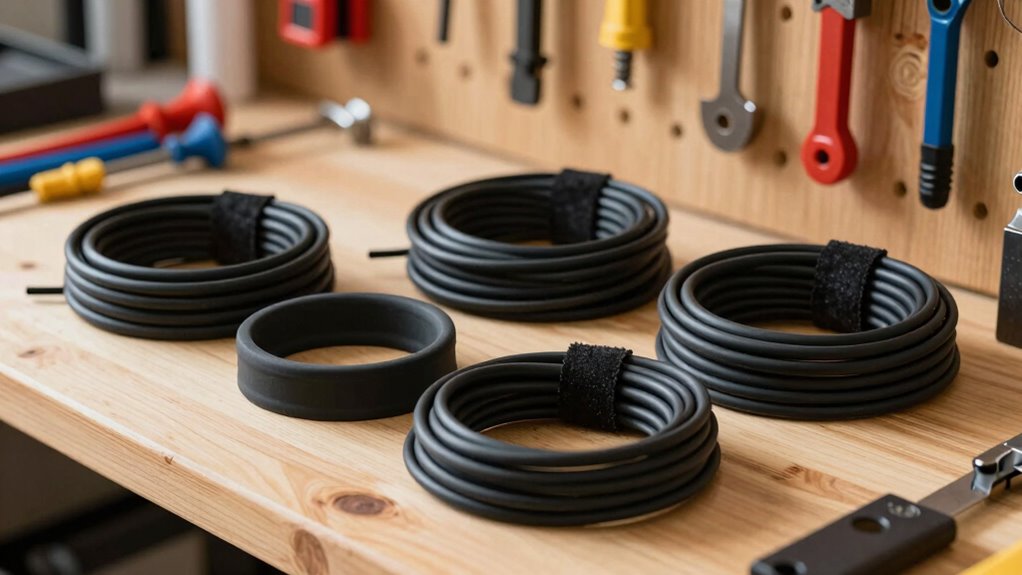

To manage cords in your workshop effectively, assess your layout for high-traffic areas and use cable clips or adhesive hooks to route cords along walls or ceilings, keeping them off the ground to reduce tripping hazards. Opt for wireless tools or retractable cords to cut clutter, and regularly inspect for damage. Proper storage and safety education help prevent accidents and extend cord life. Keep exploring for more tips to create a safer, more organized workspace.

Get books, candles and calm essentials delivered free — and shop member deals
- Fast, free delivery on millions of items
- Access to Prime Big Deal Days deals on October 6–7
- Prime Video, Amazon Music and more included
Key Takeaways
- Assess workshop layout to identify high-traffic areas and route cords away from crossing paths.
- Use cable clips, adhesive hooks, and cord reels to organize and secure cords along walls and ceilings.
- Adopt wireless power tools and battery-operated devices to reduce cord clutter and tripping hazards.
- Regularly inspect cords for damage, replace frayed or cracked cables, and store them properly to extend lifespan.
- Educate staff on electrical safety practices and ensure compliance with safety standards to prevent accidents.
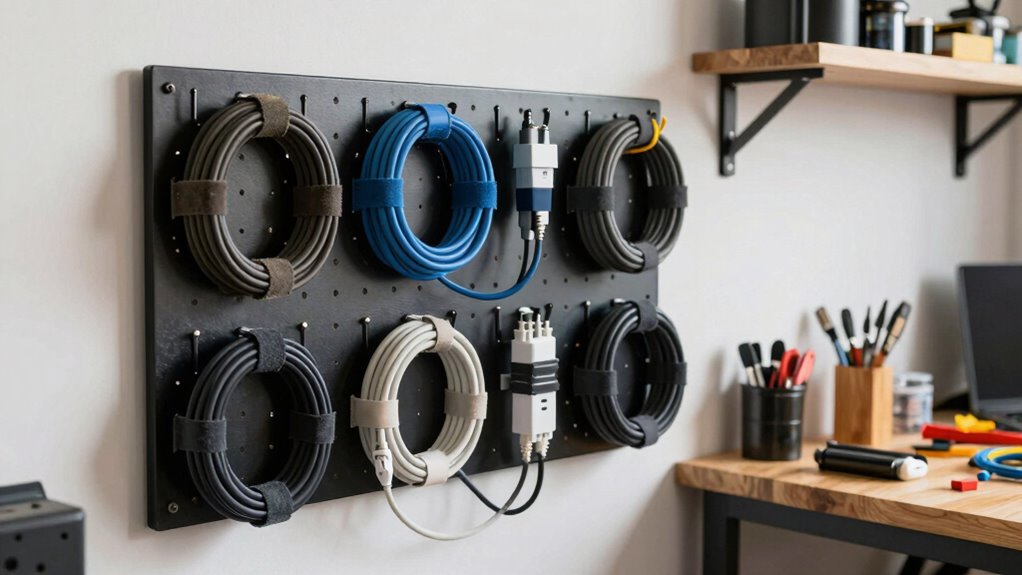
Keeping cords organized in your workshop is essential for safety and efficiency. When cords are scattered across the floor or draped over workbenches, it increases the risk of trips, falls, and accidental unplugging. To prevent this, consider implementing effective cord management strategies that keep your workspace tidy and safe. One of the most modern approaches is adopting wireless solutions, which eliminate the need for cords altogether. Wireless power tools and devices can considerably reduce clutter, making your workspace safer and more streamlined. However, if you still rely on cords, it’s crucial to follow safety precautions to mitigate hazards.
Start by evaluating your workshop’s layout and identifying high-traffic areas where cords run across walking paths. Use cable clips or adhesive hooks to route cords along walls, ceilings, or corners, keeping them off the ground. This not only reduces tripping hazards but also prevents damage to the cords from foot traffic or equipment movement. For longer cords, use cord reels or retractable extension cords to store excess length neatly. Avoid leaving cords tangled or twisted, as this can cause wear and increase the risk of electrical faults. Always inspect cords regularly for damage and replace any frayed or cracked cables immediately.
Incorporating wireless solutions is a proactive step toward safer cord management. Wireless power tools, battery-operated lighting, and other cordless devices remove the need for cords in many tasks. These devices are not only convenient but also improve safety by reducing clutter. When using wireless equipment, ensure batteries are fully charged and stored safely to prevent accidents. Keep spare batteries organized in a designated area, so you don’t have to leave charging stations out in the open, which could create additional hazards. Additionally, emphasizing proper cord storage can extend the lifespan of your cables and maintain a safer workspace. Proper storage and handling can also help prevent cord damage, which is crucial for maintaining electrical safety. Regularly educating staff on cord safety practices can further enhance overall workshop safety and reduce the risk of electrical incidents. Incorporating knowledge about electrical safety can also help you stay compliant with safety standards and best practices.
cord management clips for workshop
As an affiliate, we earn on qualifying purchases.
As an affiliate, we earn on qualifying purchases.
Frequently Asked Questions
How Often Should Workshop Cords Be Inspected for Safety?
You should inspect workshop cords for safety at least once a month. Regular inspection guarantees you catch any signs of wear, fraying, or damage early, maintaining cord safety and preventing accidents. Always check for exposed wires, loose connections, or cracks. If you notice any issues, replace or repair the cords immediately. Consistent inspection frequency helps keep your workspace safe and minimizes the risk of electrical hazards.
Are There Eco-Friendly Cord Management Options Available?
Yes, eco-friendly cord management options are available. You can choose products made from sustainable materials like biodegradable plastics or recycled fibers. Look for items that align with recycling initiatives, ensuring they can be recycled or composted after use. These eco-conscious choices help reduce waste and environmental impact, making your workshop safer and greener. By selecting sustainable solutions, you contribute to a healthier planet while keeping cords organized efficiently.
Can DIY Solutions Effectively Replace Commercial Cord Organizers?
DIY hacks can effectively replace commercial solutions, especially if you’re looking for budget-friendly or eco-friendly options. With some creativity, you can repurpose household items like Velcro strips, zip ties, or clothespins to organize cords efficiently. While commercial solutions often offer sleek designs and added durability, your DIY methods can be just as effective when tailored to your workshop’s specific needs, giving you control over cost, aesthetics, and sustainability.
What’s the Best Way to Prevent Cord Damage During Storage?
Don’t let cords become a tangled mess—prevention is key. To keep cords safe during storage, use storage containers designed for electronic accessories, and always label cords clearly for easy identification. Wrap cords loosely to avoid kinks or damage, and consider using velcro straps to secure them. Proper labeling and gentle storage help prevent wear and tear, ensuring your cords stay in top shape for future use.
How Do I Choose the Right Cord Length for My Workshop Tools?
You should choose a cord length that allows for easy cable routing without excess slack that could cause tangles or trip hazards. Measure the distance between your tool and power outlet, then add a bit extra for flexibility. Use cord wrapping techniques to keep the cords neat and protected when not in use. Proper cord length guarantees safe, efficient work, minimizing wear and tear on your workshop tools and cords.
As an affiliate, we earn on qualifying purchases.
Conclusion
By organizing your workshop cords, you’re saving time, reducing hazards, and creating a more efficient workspace. Remember, a tidy workspace is a safe workspace, and “A place for everything, and everything in its place” truly applies here. When you implement simple cord management tips, you’ll find your workshop becomes a place where ideas flow smoothly, not trip hazards. Keep your cords neat, and you’ll keep your creativity and safety flowing effortlessly.
As an affiliate, we earn on qualifying purchases.
adhesive cable hooks for workshop
As an affiliate, we earn on qualifying purchases.
As an affiliate, we earn on qualifying purchases.
Halloween Picks
halloween
As an affiliate, we earn on qualifying purchases.