To keep your microfiber working well, avoid harsh chemicals like bleach and fabric softeners. Wash in cold or warm water on a gentle cycle and always follow the manufacturer’s instructions. Pre-treat stains gently and dry in a way that prevents fibers from weakening. Store your microfiber properly in a dry, breathable space away from sunlight, and handle it carefully to prevent damage. Continue exploring tips to extend your microfiber’s lifespan and maintain its effectiveness.
Open a free Amazon Business account
Business pricing, bulk buying and tax-exempt orders.
As an affiliate, we earn on qualifying purchases.
Key Takeaways
- Use mild detergents and wash in cold or warm water to prevent fiber damage.
- Wash microfiber separately to avoid lint transfer and rough fabric abrasion.
- Store in a dry, breathable container away from sunlight to maintain softness and prevent mold.
- Regularly inspect for wear and pre-treat stains to preserve cleaning effectiveness.
- Avoid harsh chemicals like bleach and fabric softeners that can weaken fibers over time.
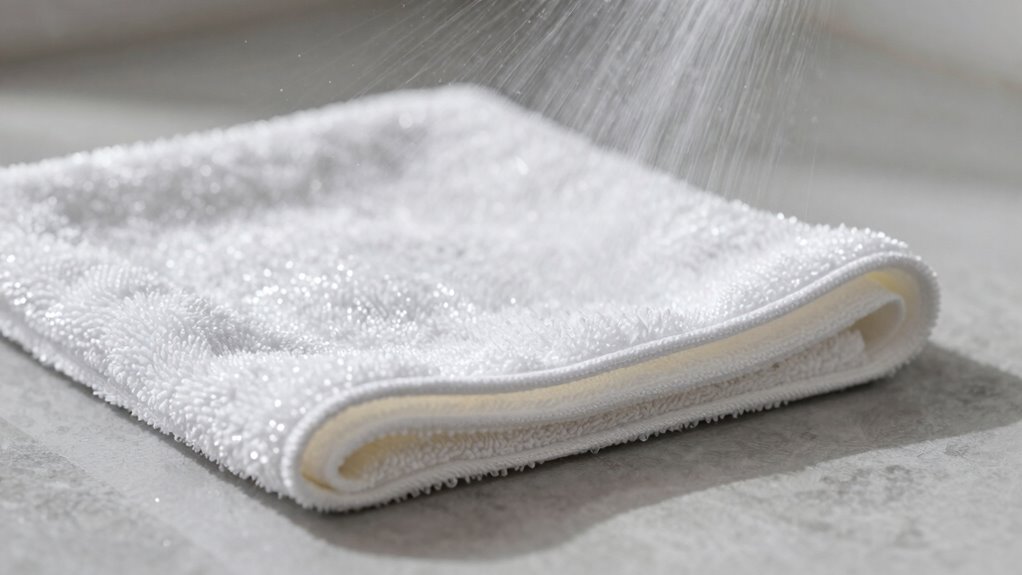
Ever wonder how to keep your microfiber items looking their best? Maintaining their appearance and functionality requires more than just tossing them in the wash. It’s about understanding the right cleaning solutions and storage techniques to preserve their softness, durability, and effectiveness. Microfiber is delicate yet resilient, but improper care can lead to fraying, loss of texture, or reduced performance. To keep your microfiber in top shape, you need to choose the proper cleaning solutions. Avoid harsh chemicals like bleach or fabric softeners, which can damage the fibers. Instead, opt for mild detergents or specially formulated microfiber cleaners. When washing, use cold or warm water, as hot water can weaken the fibers over time. It’s best to wash microfiber separately from other fabrics to prevent lint transfer and to maintain its texture. Pre-treat stains with a gentle stain remover or a mixture of water and a small amount of vinegar, which acts as a natural cleaning agent. Always check the manufacturer’s instructions for specific care recommendations, but generally, a gentle cycle does the trick. Additionally, understanding the 3D scanning process can help in creating precise prototypes or replicas of your microfiber items for quality checks or repairs. Proper storage methods are also essential to prevent damage and extend the lifespan of your microfiber products. Using appropriate storage techniques can help maintain their softness and integrity over time. Regularly inspecting your microfiber items for signs of wear and tear can also help address issues early and prolong their lifespan.
Once cleaned, proper storage techniques are just as important as the washing process. After your microfiber items are dry, fold or roll them carefully to avoid unnecessary creases and damage. Store them in a clean, dry place away from direct sunlight, which can cause fading or weakening of the fibers. Using breathable storage containers or cloth bags helps prevent dust accumulation and keeps the microfiber fresh. Avoid storing microfiber in plastic bags for long periods, as trapped moisture can lead to mold or mildew growth. If you’re storing microfiber cleaning cloths, designate a specific spot where they won’t get tangled or crushed, ensuring they’re easy to access and remain in good condition for future use. Also, consider keeping a small container of cleaning solution nearby for quick touch-ups or spot cleaning, so you don’t have to disturb your neat storage setup. Proper handling and storage can significantly impact the longevity of your microfiber products.
As an affiliate, we earn on qualifying purchases.
Frequently Asked Questions
Can Microfiber Be Used on Delicate or Sensitive Surfaces?
Yes, microfiber can be used on delicate or sensitive surfaces, thanks to its microfiber safety and delicate surface compatibility. You should always choose a gentle, soft microfiber cloth and avoid harsh cleaners. Test a small area first to guarantee no damage or scratching. When used correctly, microfiber safely cleans screens, glass, and other fragile surfaces without causing harm, making it a versatile, gentle cleaning tool for sensitive surfaces.
How Often Should Microfiber Cloths Be Replaced?
You should replace microfiber cloths when their durability declines, typically after 100-500 washes, depending on use and quality. Regular replacement guarantees peak cleaning performance and prevents bacteria buildup. Keep an eye on fraying, thinning, or persistent odors—these signs indicate it’s time for a new cloth. Maintaining proper care extends microfiber lifespan, but understanding the replacement frequency helps you get the most out of your cloths without sacrificing cleanliness.
Are There Specific Detergents Recommended for Microfiber Cleaning?
Sure, you can use just any detergent, right? Wrong! To keep your microfiber cloths performing their magic, choose eco-friendly cleaning detergents that are compatible with microfiber. Harsh chemicals sabotage their fibers, making them less effective. Stick to gentle, biodegradable options designed for microfiber, and you’ll extend their life while doing your part for the environment. Remember, the right detergent makes all the difference between sparkling clean and a useless rag.
Can Microfiber Be Recycled or Reused After Heavy Staining?
Microfiber can sometimes be reused after heavy staining, but recycling methods are limited. You might try reuse techniques like deep cleaning with specific detergents to remove stains, extending its life. If the fabric’s too damaged, consider recycling options available locally, such as textile recycling programs or specialized facilities. These methods help reduce waste, but keep in mind that heavily stained microfiber may not always be suitable for recycling, so reuse is often the best choice.
Does Microfiber Attract or Trap Dust More Than Other Fabrics?
A stitch in time saves nine, and microfiber is a magnet for dust. Compared to other fabrics, microfiber attracts and traps dust more effectively because of its fine fibers and electrostatic properties. Dust attraction is higher than in natural fabrics like cotton or linen, making microfiber ideal for cleaning. So, if you’re looking for a fabric that keeps dust at bay, microfiber’s your best bet for cleaner, dust-free spaces.
As an affiliate, we earn on qualifying purchases.
Conclusion
Keep your microfiber vibrant and ready to dazzle like a star in the night sky by giving it gentle care. Think of your microfiber as a delicate dance partner, responding best when you treat it softly and with respect. With proper cleaning and mindful handling, your microfiber will continue to shine, capturing dust and dirt like a loyal guardian. Cherish it, and it’ll reward you with sparkling results that brighten your day and your space.
As an affiliate, we earn on qualifying purchases.
microfiber fabric softener alternative
As an affiliate, we earn on qualifying purchases.
As an affiliate, we earn on qualifying purchases.
College move-in / dorm season Picks
dorm essentials
As an affiliate, we earn on qualifying purchases.