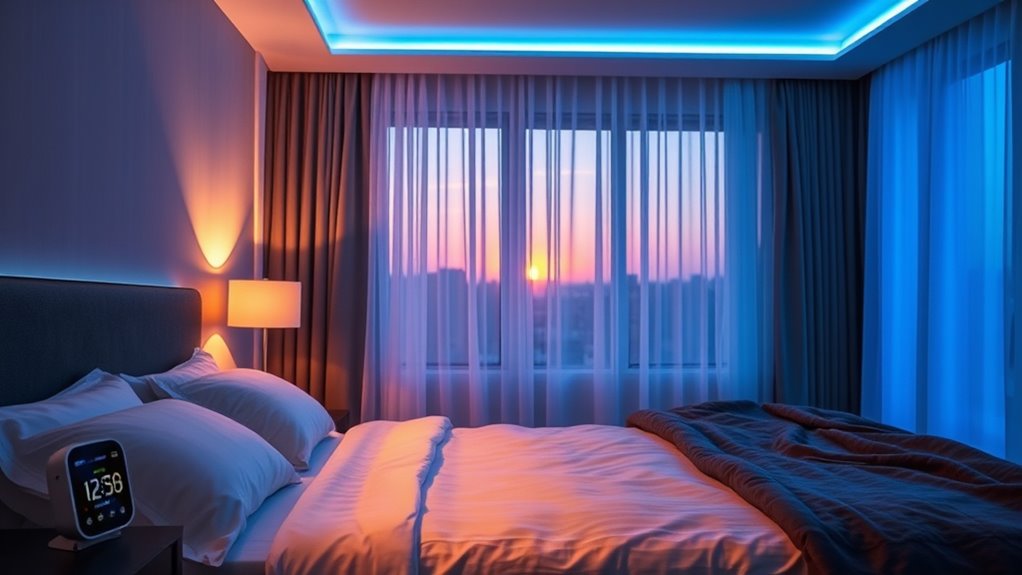
Smart lighting adjusts color temperature and brightness throughout the day to match your natural circadian rhythm. By mimicking natural light cycles—warming in the evening and cooling in the morning—it helps improve sleep, mood, and energy levels. These systems use sensors and smart controls to create a healthier indoor environment aligned with your body’s biological clock. Keep exploring to discover how to make the most of smart lighting for better well-being.
Key Takeaways
- Smart lighting adjusts color temperature and brightness to mimic natural daylight cycles, supporting circadian rhythm regulation.
- Adaptive systems gradually change lighting to align indoor environments with the body’s biological clock, improving sleep and alertness.
- Integration of sensors and microprocessors enables real-time adjustments based on ambient light and user routines.
- Properly synchronized lighting enhances hormonal balance, mood, and overall health by reinforcing natural circadian patterns.
- Future advancements include AI-driven customization and tunable LEDs for more precise, personalized circadian support.

Z GRILLS 2026 Electric Pellet Smoker & Grill, 700 sq. in Cooking Space, PID 3.0 Precision Control, Dual Meat Probes, 28-Hour Hopper, Dual-Wall Insulated Base, 8-in-1 BBQ with Cover
Precision Cooking with Z-Ultra PID 3.0 – The upgraded PID 3.0 system automatically manages pellet feed and airflow...
As an affiliate, we earn on qualifying purchases.
Understanding the Circadian Rhythm and Its Role in Health
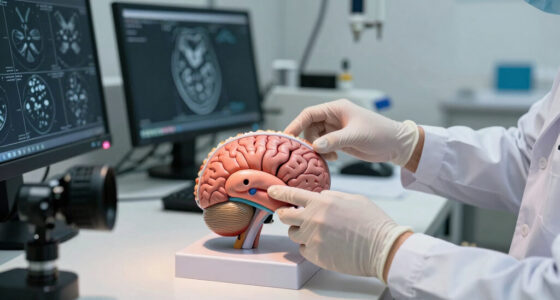
Since your body follows a natural 24-hour cycle, understanding the circadian rhythm is essential for maintaining good health. This internal clock regulates hormonal production, influencing when your body releases hormones like melatonin and cortisol, which affect alertness and sleep. It also controls metabolic processes, impacting how your body processes nutrients and manages energy. When your circadian rhythm is aligned with your environment, these functions operate smoothly, supporting overall well-being. Disruptions—like irregular sleep patterns or exposure to artificial light at night—can throw off hormonal regulation and metabolic processes, leading to issues such as fatigue, weight gain, or decreased immune function. Recognizing how your circadian rhythm influences these crucial functions helps you adopt habits that promote better health and more restorative sleep. Additionally, maintaining proper light exposure plays a key role in synchronizing your circadian rhythm for optimal health. Incorporating natural light during the day can significantly reinforce your internal clock and improve overall circadian alignment, which is vital for biological harmony. Understanding the importance of light regulation can help you develop habits that support long-term wellness.

Traeger Grills Pro 34 Electric Wood Pellet Grill and Smoker, Bronze, 884 Square Inches Cook Area, 450 Degree Max Temperature, Meat Probe, 6 in 1 BBQ Grill
Never use gas or charcoal again: cooking with wood just tastes better. Traeger created the original wood-pellet grill...
As an affiliate, we earn on qualifying purchases.
How Smart Lighting Mimics Natural Light Cycles

Have you ever noticed how the lighting in your home can influence your mood and sleep? Smart lighting systems mimic natural light cycles by adjusting key features like color temperature and brightness. Here’s how they do it:
- They change the color temperature throughout the day, shifting from warm tones in the evening to cooler, daylight-like hues in the morning.
- They use daylight simulation to replicate outdoor light patterns, helping your body align with natural rhythms.
- Brightness levels increase gradually in the morning, mimicking sunrise, and decrease at night, signaling your body to prepare for sleep. Incorporating light spectrum considerations can further enhance the effectiveness of these adjustments.
- These adjustments support your circadian rhythm, promoting better sleep and alertness, all while feeling natural and seamless in your environment. Understanding the importance of filtration and light quality can enhance how effectively your smart lighting supports your health. Additionally, optimizing light quality can reduce eye strain and improve overall comfort during extended exposure, especially when combined with adaptive lighting features.

Logitech MX Brio Ultra HD 4K Webcam for Collaboration and Streaming, 1080p 60 FPS, Show Mode, Works with Microsoft Teams, Zoom, Google Meet, Nintendo Switch 2, Graphite
Compatible with Nintendo Switch 2’s new GameChat mode
As an affiliate, we earn on qualifying purchases.
The Technology Behind Adaptive Lighting Systems
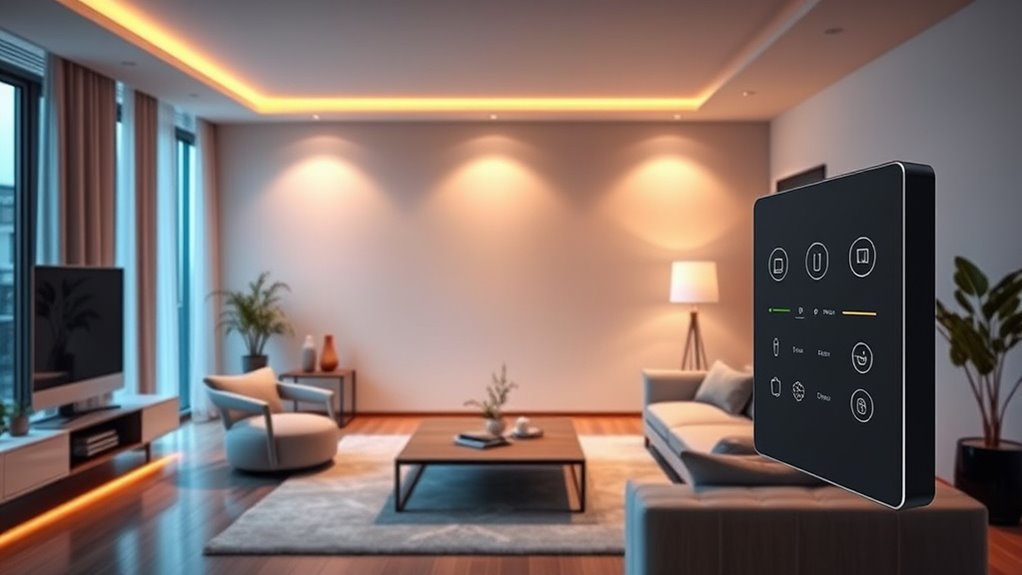
Adaptive lighting systems rely on advanced technologies such as sensors, microprocessors, and communication protocols to automatically adjust light settings in real-time. Light sensors detect ambient conditions and help determine the optimal brightness and color temperature for your space. These sensors continuously monitor factors like natural light levels and occupancy, feeding data to microprocessors that process this information instantly. The system then adjusts the light’s color temperature to mimic natural daylight cycles, shifting from cooler tones in the morning to warmer tones in the evening. This technology creates a dynamic environment that supports your circadian rhythm without manual intervention, making your indoor lighting more responsive, personalized, and effective. Connected devices allow for integration with other smart home systems, further enhancing the adaptability and convenience of the lighting environment. Additionally, understanding lighting quality helps optimize the benefits of these systems for health and well-being. Incorporating sensor accuracy is essential to ensure the system responds reliably to changing conditions and maintains optimal lighting conditions throughout the day. Regular maintenance and calibration of sensors ensure sustained system reliability, which is vital for consistent circadian support. Implementing energy efficiency principles can also help reduce power consumption while maintaining optimal lighting conditions.

AOC 4k Webcam for PC with Microphone, Computer Camera with Noise Cancellation, Privacy Cover, 99° FOV, Plug & Play USB Webcam for Streaming, Conferencing, Zoom, Skype, Facetime, Laptop, PC, Skype
4K Ultra HD Video Webcam:See every detail with crystal-clear 4K resolution. Experience incredibly sharp and lifelike video quality...
As an affiliate, we earn on qualifying purchases.
Benefits of Synchronizing Indoor Lighting With Your Biological Clock
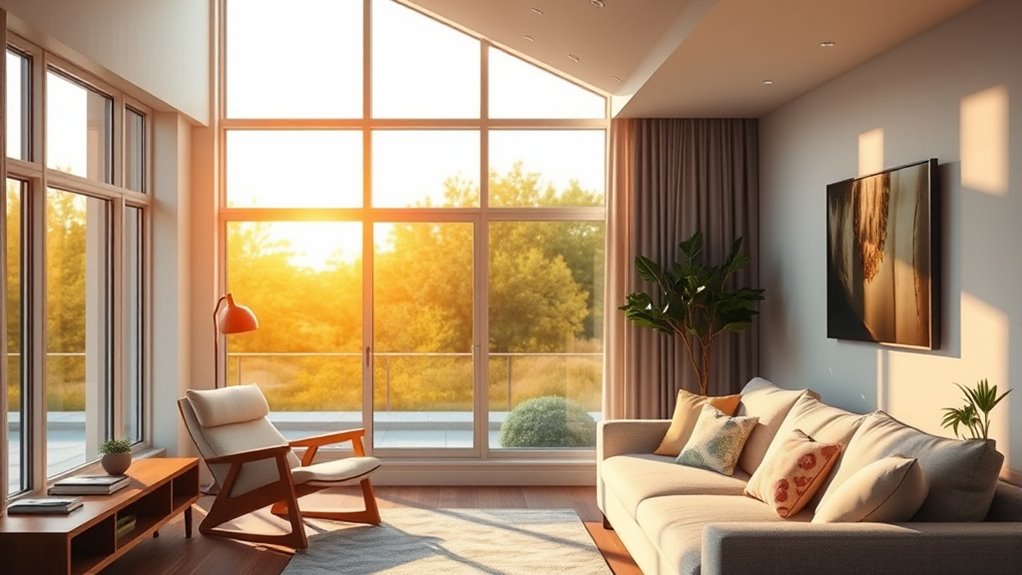
Aligning your indoor lighting with your biological clock offers numerous health benefits, making it easier to maintain a natural sleep-wake cycle. When you adjust color temperature to match the time of day, your body responds better, improving alertness and relaxation. Here are some key benefits:
- Improved sleep quality by reducing blue light exposure before bedtime
- Enhanced energy efficiency through smart lighting that adapts automatically
- Better mood and cognitive function with appropriate lighting during the day
- Reduced eye strain by using ideal color temperatures for different activities
- Optimizing lighting systems to support your circadian rhythm can contribute to overall health and well-being. Incorporating circadian-friendly lighting can also minimize disruptions caused by urban pollutants, further supporting your health. Additionally, understanding how light exposure influences your biological clock can help you develop personalized lighting strategies for better health. Adjusting light levels to match natural patterns can also promote hormonal balance, which is vital for overall wellness. Implementing adaptive lighting controls can help ensure that your environment remains aligned with your circadian needs throughout the day.
Synchronizing lighting with your circadian rhythm not only supports overall well-being but also promotes sustainable energy use, making your space healthier and more efficient.
Implementing Smart Lighting in Residential Spaces
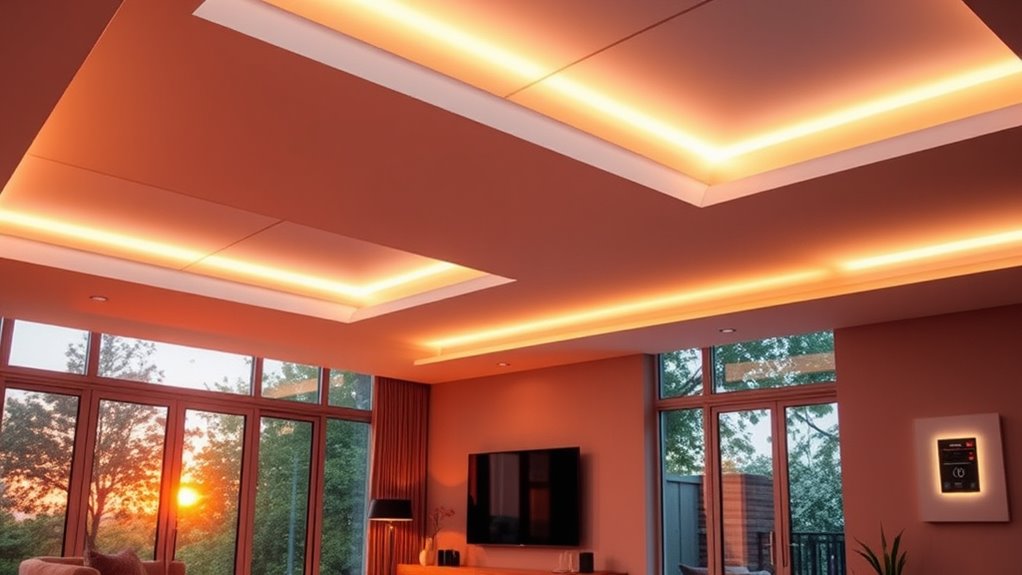
You can easily set up smart lighting in your home to match your daily routines with automated schedules. Adaptive brightness control adjusts the light levels throughout the day, helping you stay alert or unwind naturally. Personalized preferences let you customize lighting to fit your mood and activities seamlessly. Incorporating evidence‑informed guidance can further enhance your sleep environment by aligning lighting with your circadian rhythm. Additionally, understanding the science of light and health can help optimize your lighting choices for overall well-being. Recognizing how light spectrum and timing influence your biological clock can lead to more effective lighting strategies for health, especially when considering reliable backup power to prevent disruptions during outages. Exploring insulated jackets for winter can also ensure comfort during outdoor activities in colder months.
Automated Lighting Schedules
Implementing automated lighting schedules in residential spaces allows you to tailor your lighting environment to your daily routines, enhancing comfort and well-being. By setting schedules, you can gradually adjust the color temperature to match natural light patterns, supporting your circadian rhythm. This automation also improves energy efficiency, reducing unnecessary power consumption when lights are not needed. Incorporating lighting automation can further streamline your routines and enhance the overall ambiance of your home. 1. You can program lights to brighten in the morning with warmer tones to wake you gently. 2. During the day, lights can shift to cooler, more energetic hues to boost focus. 3. In the evening, schedules can soften the light and warm the color temperature for relaxation. 4. Consistent routines help maintain your biological clock, promoting better sleep and overall health. Automated schedules make smart lighting seamless, personalized, and eco-friendly.
Adaptive Brightness Control
Adaptive brightness control dynamically adjusts your lighting levels based on ambient light conditions and activity, ensuring ideal visibility and comfort. By analyzing the surrounding light, it fine-tunes your lights’ brightness to match the room’s needs, reducing glare and eye strain. This system also considers color temperature, shifting it to complement natural daylight and enhance your mood. As a result, your space feels more natural and inviting throughout the day. Additionally, adaptive brightness promotes energy efficiency by dimming lights when less illumination is needed, saving power without sacrificing comfort. When you’re active or engaged in tasks, the system brightens accordingly, maintaining optimal visibility. Overall, this smart feature balances comfort, natural light harmony, and energy conservation seamlessly in your home.
Personalized Lighting Preferences
Personalized lighting preferences allow residents to tailor their home environment to match their individual comfort and mood. With smart lighting, you can easily adjust settings based on your user preferences. This customization includes controlling the color temperature to create warmer or cooler atmospheres, depending on your activities.
To optimize your experience, consider these options:
- Set preferred color temperature for different times of day
- Create lighting scenes that match your mood or activity
- Enable automatic adjustments based on your routines
- Save favorite configurations for quick access
Impact on Sleep Quality and Mood Enhancement

Smart lighting that adjusts light timing can improve your sleep quality by aligning with your natural circadian rhythm. It also helps regulate your mood by providing ideal lighting during different parts of the day. When used correctly, this technology supports better sleep patterns and boosts overall well-being.
Light Timing Optimization
Have you ever wondered how the timing of your lighting can influence your sleep and mood? Proper light timing can boost your well-being by aligning with your circadian rhythm. Here’s how to optimize it:
- Use warmer color temperatures in the evening to promote relaxation and prepare your body for sleep.
- Maximize natural light exposure in the morning to enhance alertness and mood.
- Program lights to gradually change color temperature throughout the day, mimicking natural daylight patterns.
- Choose energy-efficient lighting that adapts to your schedule, reducing waste while supporting your biological clock.
Mood Regulation Benefits
Proper light timing not only aligns with your circadian rhythm but also plays a significant role in regulating mood and sleep quality. Adjusting the color temperature of your smart lighting can influence your emotional state—cooler tones promote alertness, while warmer tones help you relax. This dynamic control supports a stable mood and reduces stress. Additionally, smart lighting enhances energy efficiency by adapting brightness and color based on your needs, reducing unnecessary power use. When your environment responds to your natural rhythms, it fosters a positive mood and improves overall well-being. By optimizing both color temperature and energy efficiency, you create a supportive atmosphere that boosts your mood and contributes to better sleep and mental health.
Sleep Pattern Alignment
Aligning your lighting with your natural sleep patterns can considerably improve both sleep quality and mood. Properly adjusted color temperature helps signal your body to wind down or wake up, promoting better rest. To optimize sleep pattern alignment:
- Use warmer light in the evening to encourage melatonin production, aiding sleep onset.
- Schedule cooler, brighter lighting in the morning to boost alertness and mood.
- Choose energy-efficient smart bulbs that adjust color temperature automatically throughout the day.
- Avoid harsh, blue-rich light before bed to prevent disruption of your circadian rhythm.
Challenges and Considerations in Using Smart Lighting
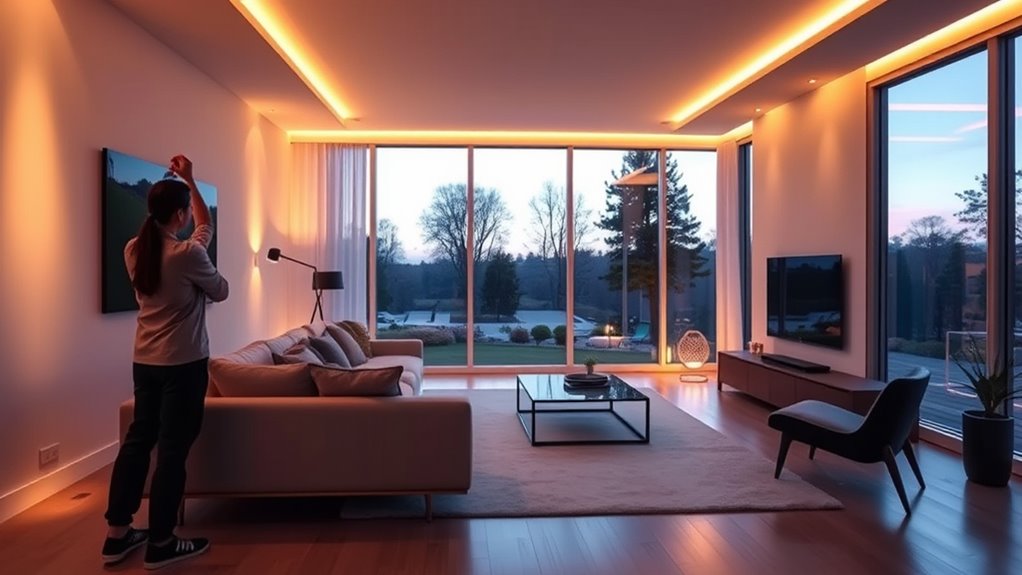
While smart lighting systems offer promising benefits for maintaining healthy circadian rhythms, they also present several challenges that you must consider. Privacy concerns are a major issue, as these systems often collect data on your habits and routines, raising questions about data security and consent. Additionally, managing energy consumption is essential; although smart lighting can reduce energy use, poorly configured systems may actually increase it, especially if lights are left on or set to unnecessary brightness. Cost can also be a barrier, as installing and maintaining advanced lighting setups can be expensive. You’ll need to weigh these considerations against the benefits to determine if smart lighting fits your lifestyle and priorities. Proper planning and awareness help you maximize advantages while minimizing drawbacks.
Future Trends in Lighting Technology and Biological Rhythm Alignment
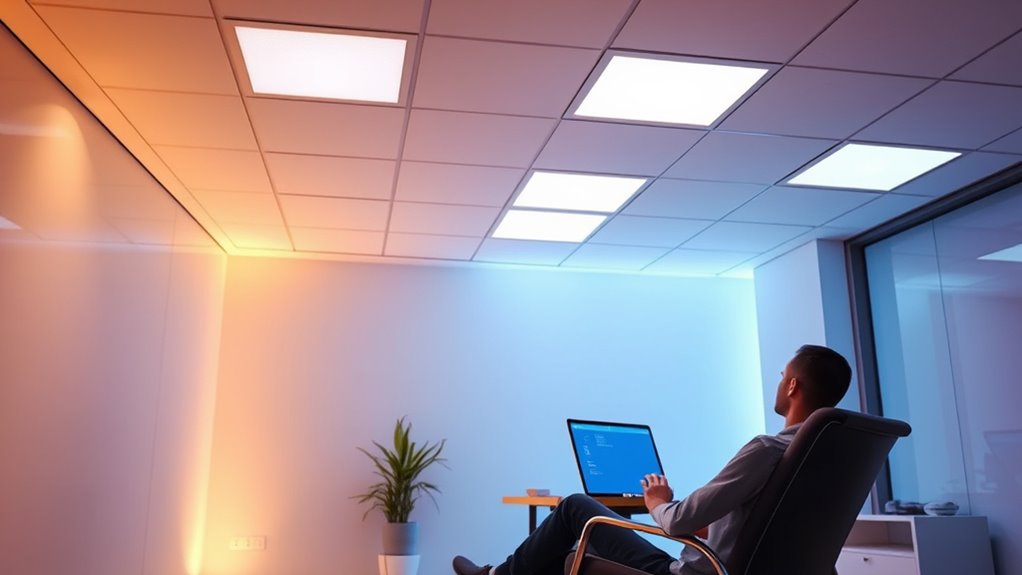
- Integration of AI for real-time lighting adjustments
- Use of tunable LEDs for precise color temperature control
- Enhanced energy efficiency through smarter controls and sensors
- Greater customization options for individual circadian preferences
These innovations will make your lighting more aligned with natural rhythms, promoting better health and well-being.
Frequently Asked Questions
How Does Smart Lighting Affect Energy Consumption?
Smart lighting boosts your energy savings by adjusting brightness based on your needs, reducing unnecessary power use. You’ll see improved lighting efficiency as these systems turn off or dim when not needed, cutting down on electricity bills. With smart lighting, you actively control and optimize energy consumption, making your space more eco-friendly and cost-effective. It’s a smart way to save energy while maintaining ideal lighting conditions for your daily activities.
Can Smart Lighting Systems Be Personalized for Individual Circadian Needs?
Yes, smart lighting systems can be personalized for your individual circadian needs through various personalization options. You can customize lighting schedules and intensities based on your sleep patterns and daily routines, ensuring ideal circadian customization. By adjusting color temperature and brightness, these systems help promote better sleep and alertness, aligning lighting conditions with your body’s natural rhythms. This tailored approach enhances comfort and overall well-being.
What Are the Costs Associated With Installing Adaptive Lighting Systems?
Installing adaptive lighting systems costs vary widely, but it can feel like a small fortune at first. Expect to spend on installation costs, which include purchasing the smart bulbs, controllers, and professional setup if needed. Maintenance expenses are usually minimal but can add up over time, especially if you need replacements or updates. Overall, budgeting carefully guarantees you won’t be caught off guard by these costs and can enjoy personalized lighting without surprises.
Are There Any Health Risks Linked to Incorrect Lighting Schedules?
Incorrect lighting schedules can pose health risks like disrupting your circadian rhythm, leading to sleep problems and increased stress. Poorly timed lighting may also contribute to light pollution, affecting not just your visual comfort but that of others nearby. You might experience eye strain or headaches from inadequate lighting. To avoid these issues, make certain your lighting schedule aligns with natural cycles, promoting better sleep, comfort, and overall well-being.
How Does Smart Lighting Integrate With Existing Home Automation Systems?
Think of your smart lighting like the conductor of an orchestra, seamlessly coordinating with your home automation system. You can easily integrate lighting control with devices like thermostats, security, and voice assistants through compatible hubs or apps. For example, when you arrive home, your lights automatically turn on as your security system disarms. This smooth system integration makes managing your environment effortless and enhances your daily comfort.
Conclusion
By embracing smart lighting, you gently align your environment with your natural rhythms, making daily life feel more seamless. As technology continues to evolve, it quietly offers you a subtle harmony between your surroundings and your well-being. With each thoughtful adjustment, you’re invited to experience improved sleep, mood, and vibrancy—like a soft whisper guiding you toward a healthier, more balanced rhythm. Step into this luminous future and let your surroundings nurture your best self.