
Achieving acoustic comfort in your home involves managing both external and internal noise sources while optimizing sound distribution. You can use materials like sound-absorbing panels, insulation, and double-glazed windows to reduce noise transmission. Strategic layout choices, such as placing bedrooms away from noisy areas, also help. Incorporating innovative tech, like smart sound control systems, completes the picture. Keep exploring to discover effective techniques that create a peaceful, personalized home environment.

Turn your quiet moments into listening time
- Thousands of audiobooks, podcasts and originals
- Listen on your phone, tablet or Echo — also offline
- Cancel anytime
Key Takeaways
- Implement sound masking and acoustic zoning to create quiet and lively areas, enhancing overall comfort.
- Use soundproofing materials like insulation, acoustic panels, and sealing techniques to reduce unwanted noise transmission.
- Strategically plan spatial layouts by positioning bedrooms away from noisy zones and incorporating soft furnishings to absorb sound.
- Manage external noise with outdoor barriers, soundproof windows, and doors to minimize intrusion.
- Integrate smart acoustic technologies that automatically adapt sound levels for personalized indoor comfort.
soundproof acoustic panels for walls
As an affiliate, we earn on qualifying purchases.
As an affiliate, we earn on qualifying purchases.
Understanding Acoustic Comfort and Its Benefits

Understanding acoustic comfort is essential because it directly influences how you experience your home. When your space includes sound masking, it reduces distracting noises by creating a consistent background sound, helping you focus or relax. Acoustic zoning also plays a key role by dividing your home into different areas with specific sound levels, ensuring quiet zones for rest and lively zones for activities. This thoughtful segmentation minimizes noise interference between rooms, boosting your overall comfort. Additionally, sound masking technology can further enhance the acoustic environment by seamlessly blending background sounds to mask disruptive noises. Incorporating natural acoustics into your design can also improve sound distribution and overall comfort. Furthermore, acoustic design principles can be tailored to your home’s layout for optimal sound distribution and comfort, especially when considering home acoustics and how sound interacts with your living space. Recognizing the importance of sound absorption can also help manage echoes and improve the overall acoustic quality of your home.
double glazed soundproof windows
As an affiliate, we earn on qualifying purchases.
As an affiliate, we earn on qualifying purchases.
Assessing Sound Challenges in Residential Spaces
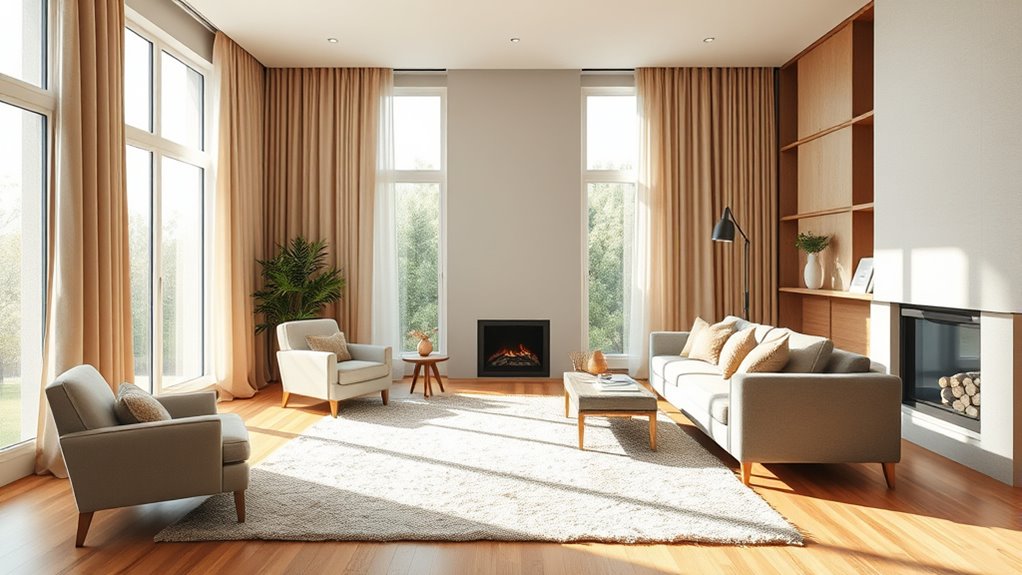
To improve acoustic comfort, you need to identify where noise originates and how it affects your space. Consider both external sounds, like traffic, and internal sources, such as appliances or conversations. By evaluating these sound challenges, you can develop targeted solutions to create a quieter, more comfortable home. Incorporating soundproofing techniques can further enhance the indoor environment by reducing unwanted noise transmission. Selecting appropriate sound-absorbing materials for walls and ceilings can also make a significant difference in managing noise levels. Understanding acoustic insulation principles can help optimize your choices for better sound control. Additionally, understanding sound transmission pathways is essential for implementing effective noise mitigation strategies. Employing ventilation considerations can prevent noise from traveling through air ducts and vents, further reducing indoor noise levels.
Identifying Noise Sources
Identifying noise sources is a crucial step in addressing acoustic comfort in residential spaces. You need to pinpoint where sounds originate to develop effective solutions. Outdoor noise, such as traffic or nearby construction, can markedly impact indoor quietness. Pay attention to how exterior sounds enter your home, especially through windows and vents. Appliance vibrations also contribute to unwanted noise; appliances like washing machines, dishwashers, or HVAC systems can generate continuous or sporadic vibrations. These vibrations often transfer through walls or floors, amplifying noise levels. By carefully evaluating these sources, you can determine which areas need soundproofing or isolation measures. Recognizing the main noise contributors allows you to prioritize interventions that improve overall acoustic comfort and create a more peaceful living environment. Incorporating modern soundproofing techniques can further enhance the effectiveness of your noise mitigation efforts. Additionally, understanding sound transmission pathways helps in designing targeted solutions that effectively block or reduce unwanted noise. Being aware of the narcissistic traits of individuals in your environment can also influence how you approach noise management, especially if certain behaviors contribute to the disturbance. Conducting a thorough assessment of soundproofing materials can lead to more effective noise reduction strategies tailored to your space. In some cases, consulting with an acoustic specialist can provide insights into custom soundproofing solutions that best suit your unique environment.
Evaluating Acoustic Impact
Evaluating acoustic impact involves analyzing how sound travels and affects different areas within your home. You need to contemplate sources like outdoor noise and how they penetrate your living spaces. To properly assess sound challenges, identify vulnerable zones and measure sound levels during various times of day. Use tools like sound level meters or consult professionals for precise data. Remember, implementing sound masking can help drown out unwanted noise, creating a more peaceful environment. Additionally, understanding soundproofing techniques can guide you in effectively reducing noise infiltration and enhancing indoor acoustic comfort. Incorporating soundscape design principles can further optimize your home’s acoustic environment by balancing noise sources and enhancing sound quality. Recognizing the importance of acoustic treatment can also lead to more tailored solutions for specific problem areas within your residence, and exploring acoustic assessment methods can provide valuable insights into your home’s sound profile.
smart sound control system for home
As an affiliate, we earn on qualifying purchases.
As an affiliate, we earn on qualifying purchases.
Materials and Techniques for Sound Absorption

Choosing the right sound-absorbing materials can substantially improve your home’s acoustic comfort. Acoustic panels and insulation options come in various styles and efficiencies, so selecting the best fit is essential. By understanding these materials and techniques, you can effectively reduce unwanted noise and create a more peaceful space. Incorporating sound absorption techniques such as diffusers and bass traps can further enhance the acoustic environment in your home. Additionally, understanding the material properties that influence sound absorption can help you make more informed choices for your specific needs. For example, selecting materials with appropriate porosity can optimize sound absorption performance. Awareness of product performance metrics is also crucial to ensure the effectiveness of your chosen solutions. Being familiar with sound absorption performance can guide you in selecting materials that provide the best noise reduction for your space.
Acoustic Panel Options
Are you looking for effective ways to improve your home’s acoustic comfort? Acoustic panel options give you a stylish and functional solution. Decorative panels come in various shapes, colors, and textures, allowing you to match your decor while absorbing sound. Acoustic fabrics are a popular choice, offering soft surfaces that reduce echoes without sacrificing style. When selecting panels, consider their placement to maximize effectiveness. Remember, well-chosen panels can dramatically improve room acoustics and aesthetics.
- They can be customized to fit your design theme
- Lightweight materials make installation easier
- Combining different textures enhances both sound absorption and visual appeal
Insulation Material Choices
Selecting the right insulation materials enhances your home’s sound absorption capabilities, complementing decorative wall coverings and acoustic panels. Fiberglass and mineral wool are popular choices because they effectively reduce sound transmission between rooms and from outside noise. These materials are often installed within walls, ceilings, or floors, forming a dense barrier that dampens sound waves. For outdoor sound barriers, dense materials like mass-loaded vinyl or specialized foam can block noise before it enters your home. Combining insulation with decorative wall coverings not only improves acoustics but also maintains aesthetic appeal. Proper insulation choices help create a quieter, more comfortable living space by minimizing unwanted noise and supporting other soundproofing techniques. Make sure to select materials suited to your specific noise challenges for optimal results.
As an affiliate, we earn on qualifying purchases.
Designing for Noise Reduction and Insulation
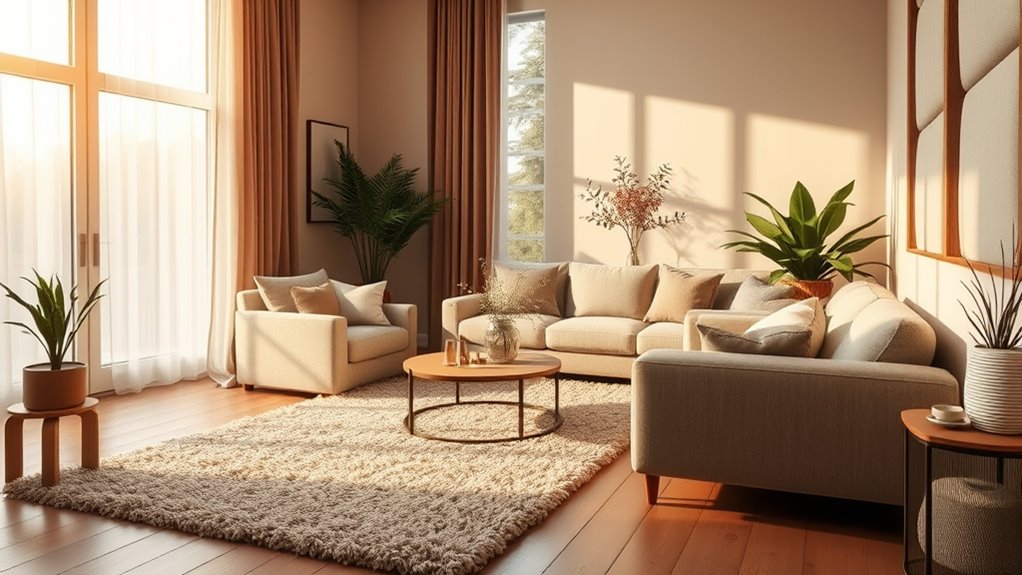
To effectively reduce noise and improve insulation in residential design, you need to prioritize both material selection and construction techniques. Incorporate decorative acoustics to enhance sound absorption without sacrificing aesthetics. Use outdoor noise barriers strategically around your property to block intrusive sounds from busy streets or neighbors. Properly sealing gaps and cracks in walls, windows, and doors also plays a *vital* role in minimizing sound transmission. Consider installing mass-loaded vinyl or dense drywall for added insulation. Remember, combining effective materials with thoughtful construction creates a quieter, more comfortable home environment.
- Choose materials with high sound absorption coefficients
- Incorporate outdoor noise barriers into landscape design
- Seal all potential sound leaks thoroughly
Incorporating Soundproofing Solutions in Home Construction
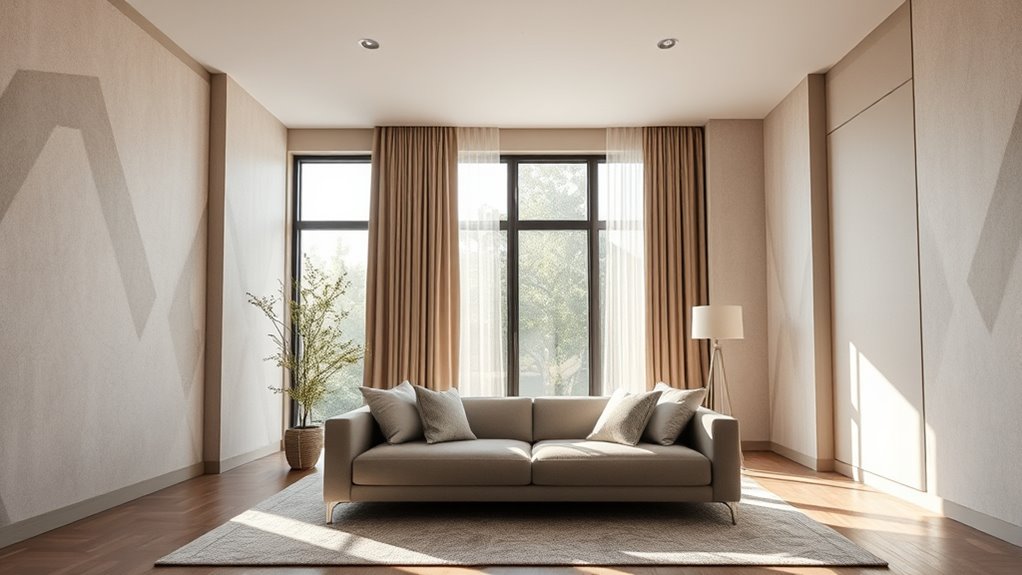
Building on noise reduction strategies, integrating soundproofing solutions directly into your home’s construction can substantially enhance acoustic comfort. Start by installing soundproof doors, which create a barrier against external noise and prevent sound leakage between rooms. Upgrading window glazing is equally important; double or triple-glazed windows considerably cut down ambient noise while also improving energy efficiency. Consider using resilient channels and acoustic sealants around doors and windows to seal gaps that let sound escape. Incorporating these elements during construction ensures effective sound isolation from the outset, saving you time and money on later modifications. Properly chosen materials and installation techniques will make your home quieter, more peaceful, and better suited for relaxation or focused work.
The Role of Layout and Spatial Arrangement
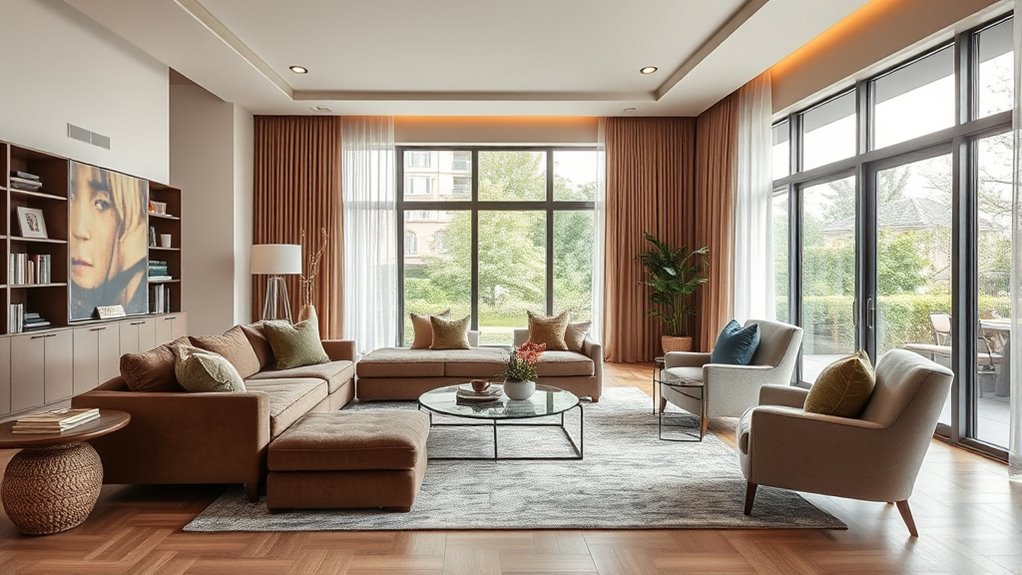
The way you arrange rooms and define spaces can considerably influence your home’s acoustic comfort. An open plan layout promotes social interaction but can amplify noise if not carefully organized. To improve sound control, consider strategic furniture placement to create natural barriers and zones within open spaces. For example, soft furnishings like rugs and curtains absorb sound, reducing echo. Thoughtful placement of furniture can also prevent sound from traveling directly between noisy and quiet areas. Additionally, positioning bedrooms away from living areas minimizes disturbance. Remember, your layout impacts how sound moves through your home, so plan with acoustics in mind. By carefully designing the spatial arrangement, you enhance both privacy and overall comfort, balancing openness with effective sound management.
Innovative Technologies Enhancing Acoustic Environments

Advancements in technology now offer innovative solutions to enhance acoustic comfort within residential spaces. With smart home systems, you can automatically control sound levels, adjust acoustic settings, and optimize noise reduction, all at your fingertips. These systems use sound sensors and intelligent algorithms to adapt to your environment in real-time. Additionally, soundscaping techniques are increasingly integrated into smart homes, allowing you to create personalized sound environments that mask unwanted noise or promote relaxation. For example, outdoor speakers can generate soothing sounds, while indoor acoustic panels respond dynamically to ambient noise. These technologies work together to improve your home’s acoustic quality effortlessly, ensuring a peaceful, comfortable environment tailored to your preferences.
Frequently Asked Questions
How Does Acoustic Comfort Influence Overall Mental Health in Homes?
You feel calmer and more focused when your home has good acoustic comfort. Sound masking reduces background noise, helping you concentrate and relax, while personal sound zones give you control over your environment. This minimizes stress and prevents anxiety, supporting better mental health. When your home is quiet and balanced, you’re more likely to experience restful sleep and overall well-being, making your living space a true sanctuary.
What Are Cost-Effective Methods to Improve Soundproofing in Existing Residences?
You can improve soundproofing in your home through simple DIY upgrades like adding weatherstripping around doors and windows, which seals gaps effectively. Use sealing techniques such as caulking to block cracks and leaks in walls or floors. Installing heavy curtains or rugs also helps absorb noise. These cost-effective methods require minimal effort but considerably enhance acoustic comfort, making your home quieter and more comfortable without extensive renovations.
Can Natural Ventilation Affect Acoustic Comfort and Noise Levels?
Yes, natural ventilation can affect your acoustic comfort and noise levels. When you open windows or vents, outdoor noise and ventilation noise can enter, increasing overall sound levels inside your home. To reduce this, you can install noise-reducing screens or choose ventilation points away from noisy outdoor sources. Properly managing natural airflow helps maintain good indoor air quality without compromising your comfort from outdoor noise.
How Do Window Types Impact Indoor Sound Insulation Performance?
Think of your windows as the gatekeepers of peace. Double glazing with insulating layers greatly enhances indoor sound insulation by dampening outside noise. Your choice of window framing also matters; sturdy materials like uPVC or timber improve soundproofing. When you select the right window type, you’re effectively creating a barrier that keeps unwanted noise out, ensuring a quiet, comfortable indoor environment.
What Are the Best Practices for Balancing Aesthetics and Acoustics in Design?
You should prioritize decorative acoustics that complement your home’s style while enhancing sound quality. Use stylish sound-absorbing panels, textured wall coverings, or elegant drapes to improve acoustics without sacrificing visual harmony. Choose materials and finishes that blend seamlessly with your decor, ensuring that aesthetics and functionality coexist. Balancing these elements creates a space that feels beautiful and comfortable, making it easier to enjoy peace and quiet in your home.
Conclusion
Creating a comfortable acoustic environment in your home isn’t just about blocking noise; it’s about enhancing your quality of life. By choosing the right materials, thoughtful layout, and innovative tech, you can turn your space into a peaceful retreat. Remember, “A good neighbor is a quiet neighbor,” so invest in soundproofing and thoughtful design. When you prioritize acoustic comfort, you’re building a sanctuary where you can truly relax and thrive.
Fall Picks
fall essentials
As an affiliate, we earn on qualifying purchases.