For those seeking a powerhouse AV receiver with 92 channels, the options can seem overwhelming. The best overall pick, the Onkyo TX-RZ50, offers robust performance with 9.2 channels and 8K support, making it ideal for serious home theater fans. The Denon AVR-X1800H stands out for its user-friendly features and 7.2 channels, perfect for newcomers, while the TX-NR7100 provides professional-grade THX certification for audiophiles. Every choice involves tradeoffs between power, usability, and price. Continue reading for a detailed breakdown of each model and what suits your needs best.

Turn your quiet moments into listening time
- Thousands of audiobooks, podcasts and originals
- Listen on your phone, tablet or Echo — also offline
- Cancel anytime
Key Takeaways
- The highest channel count doesn’t always mean better sound—performance and features matter more.
- Most top models now support 8K/4K passthrough, but not all deliver the same level of future-proofing.
- User-friendly interfaces are more common in mid-range options, while premium models emphasize build quality and certification.
- Connectivity options like HDMI 2.1, Wi-Fi, and Bluetooth vary significantly and can influence compatibility with current devices.
- Tradeoffs often exist between power, complexity, and cost—more channels usually mean higher price and larger size.


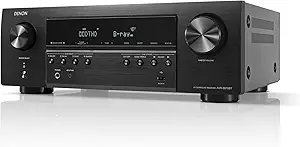


More Details on Our Top Picks
Onkyo TX-RZ50 9.2-Channel 8K/4K Network AV Receiver with Speaker Connectors
The Onkyo TX-RZ50 stands out for its ability to handle 8K/4K video with lightning-fast transfer speeds, making it ideal for those who demand cutting-edge visuals. Its impressive 250W per channel supports immersive audio, surpassing many 7.2-channel options like the Denon AVR-X1800H, which has only 80W per channel. The inclusion of banana plug speaker connectors simplifies setup, but this feature adds bulk and may not appeal to everyone. While the setup process can be complex for newcomers, the advanced room correction and streaming versatility justify the higher price for dedicated home theater enthusiasts. Best for users seeking future-proof capabilities and high power output, but less suitable for those with limited space or beginners.
Pros:- Supports 8K/4K video with high transfer speeds
- Powerful 250W per channel delivers immersive sound
- Includes banana plug connectors for easy speaker wiring
- Versatile streaming options including Wi-Fi and Bluetooth
Cons:- Setup may be intimidating for beginners
- High price point may deter casual buyers
- Bulkier design requires ample space
Best for: Home theater enthusiasts who want maximum power, 8K support, and easy speaker setup.
Not ideal for: Casual users or those with small spaces who prefer a simpler, more compact receiver without complex setup requirements.
- Channels:9.2
- Power Output:250W per channel at 6 Ohms
- Video Support:8K/4K at 40 Gbps
- Connectivity:HDMI, Bluetooth, Wi-Fi
- Supported Services:Amazon Music, Deezer, Pandora, Spotify, TIDAL, TuneIn
- Included Accessories:H&A Speaker Connector Banana Plugs (12 pairs), Remote, Batteries
Our verdict“This receiver suits those seeking maximum power, future-proof features, and advanced connectivity, making it ideal for dedicated home theater setups.”
Denon AVR-X1800H 7.2 Channel AV Stereo Receiver (80W x 7), WiFi, Bluetooth
The Denon AVR-X1800H offers a strong balance between performance and accessibility, supporting 8K/60Hz pass-through and Dolby Atmos, DTS:X for immersive sound. Compared with the Onkyo TX-RZ50, it supports fewer channels (7.2 vs. 9.2) and less power (80W vs. 250W), but its user-friendly setup and multi-room streaming via HEOS make it appealing for those new to home theater. Its HDMI pass-through is excellent for lag-free gaming and high-quality video, though it lacks the expandability of higher-end models. This pick is ideal for users who want 8K support without the complexity of larger, more expensive receivers but don’t need extensive channel configurations.
Pros:- Supports 8K/60Hz video pass-through and Dolby Atmos
- Multiple HDMI inputs with advanced pass-through
- Built-in wireless streaming with HEOS multi-room support
- Simpler, more approachable setup
Cons:- Limited to 7.2 channels, not expandable
- Lower power output may be insufficient for large spaces
- Less future-proof than 9.2-channel options
Best for: Homeowners seeking reliable 8K video support with multi-room streaming in a manageable size and price.
Not ideal for: Large room setups requiring high power or those wanting more than 7.2 channels for bigger soundscapes.
- Power Output:80W x 7
- Channels:7.2
- HDMI Inputs:3
- HDMI Output:1
- Supports:8K/60Hz, Dolby Atmos, DTS:X
- Wireless Streaming:Yes
Our verdict“This receiver offers a solid blend of 8K support and user-friendly features ideal for users new to home theater or with moderate room sizes.”
Denon AVR-S970H 7.2 Channel 8K UHD AV Receiver with Wi-Fi and Bluetooth
The Denon AVR-S970H makes a compelling case for users wanting strong 8K support alongside straightforward setup. Its 7.2 channels and 90W per channel provide decent power for typical rooms, while supporting 8K/60Hz pass-through and Dolby Atmos ensures immersive audio-visual experiences. Compared to the Denon AVR-X1800H, this model offers more HDMI inputs (8 vs. 3), making it a better choice for larger device collections, but it still doesn’t match the power or expandability of the Onkyo TX-RZ50. Its setup features and multi-room streaming via Wi-Fi and Bluetooth make it accessible for those who don’t want a steep learning curve. Still, for very large rooms or high-power needs, this might fall short.
Pros:- Supports 8K/60Hz video pass-through and Dolby Atmos
- Eight HDMI inputs for multiple devices
- Built-in Wi-Fi and Bluetooth with multi-room streaming
- Ease of setup with reliable video and audio performance
Cons:- Limited to 7.2 channels, not expandable
- Moderate power output may be insufficient for large rooms
- No mention of advanced calibration features
Best for: Mid-sized rooms where users want easy setup, reliable 8K support, and multi-room streaming without complexity.
Not ideal for: Large, power-demanding spaces or users seeking extensive channel expansion capabilities.
- Channels:7.2
- Power per channel:90W
- Video resolution support:8K/60Hz
- HDMI ports:8
- Supports:Dolby Atmos, DTS:X
- Wireless connectivity:Wi-Fi, Bluetooth
Our verdict“Ideal for users wanting a versatile, easy-to-install receiver with solid 8K video support and multi-room streaming in medium-sized spaces.”
YAMAHA RX-V385 5.1-Channel 4K Ultra HD AV Receiver with Bluetooth
The Yamaha RX-V385 is tailored for those with smaller spaces or simpler needs, supporting 4K Ultra HD, HDR10, and Dolby Vision for excellent picture quality. Its 5.1 channels and 100W per channel deliver decent surround sound for casual home theaters. Unlike the higher-channel models like the Pyle 9.1, this receiver is limited in size and power, making it less suitable for large rooms or demanding setups. Its auto-calibration and Bluetooth streaming make it easy to set up and use, but its lack of Wi-Fi and fewer HDMI ports could limit future expansion. Best suited to users with modest space and budget constraints.
Pros:- Supports 4K Ultra HD with HDR and Dolby Vision
- Bluetooth for wireless streaming
- Auto-calibration simplifies setup
- Affordable and compact
Cons:- Limited to 5.1 channels, not expandable
- No Wi-Fi connectivity
- Lower power output for large rooms
Best for: Small living rooms or apartments where simple, reliable 5.1 surround sound suffices.
Not ideal for: Large, multi-zone setups or users wanting the latest HDMI features and high power output.
- Channels:5
- Output Power:100W
- Supported Video Formats:HDR10, Dolby Vision
- HDMI Ports:4
- Connectivity:Bluetooth
- Auto Calibration:Yes
Our verdict“This receiver fits budget-conscious users seeking an easy-to-use, compact solution for smaller spaces with basic surround sound needs.”
Pyle 9.1 Channel AV Receiver with HDMI 2.1, Bluetooth, and Subwoofer Output
The Pyle 9.1 Channel AV Receiver is designed for enthusiasts wanting high-channel surround sound combined with cutting-edge video support. Its 9.1 channels and support for 8K HDMI 2.1 make it suitable for comprehensive home theater systems, matching or exceeding the channel count of the Onkyo TX-RZ50. Its Bluetooth streaming and multiple device inputs increase versatility, but the setup complexity may challenge beginners. The lack of detailed build quality info and potentially bulky design might be drawbacks for some. This pick is best for users prioritizing channel count and high-quality video over sleek form or simplified setup.
Pros:- Powerful 9.1 channel surround sound
- Supports 8K HDMI 2.1 for high-quality video
- Bluetooth streaming and multiple input options
- Deep bass and full-range clarity
Cons:- Complex setup process for beginners
- Bulky design requiring ample space
- Limited detailed info on build quality
Best for: Dedicated home theater users who want maximum surround sound and 8K HDMI 2.1 support with flexible device connections.
Not ideal for: Those new to home theater or with limited space, due to complex setup and bulkiness.
- Channels:9.1
- Video Support:8K/4K HDMI pass-through
- Bluetooth:Yes
- Inputs:HDMI, optical, coaxial, USB, analog
- Built-in DSP:Yes
- Power per channel:varies (not specified)
Our verdict“Best suited for advanced home theater builders seeking high channel count and 8K support, accepting the complexity of installation.”
TX-NR7100 9.2-Channel THX Certified AV Receiver
The Onkyo TX-NR7100 stands out for its comprehensive feature set, especially with built-in Dirac Live room correction that ensures precise sound calibration, making it a strong choice for audiophiles seeking accurate sound in large or challenging rooms. Its support for 8K/4K HDMI transfer at 40 Gbps future-proofs your setup, while Dolby Atmos and DTS:X deliver immersive audio experiences. Compared with the Denon AVR-X1700H, it offers a more robust processing suite, but the setup complexity and higher price tag may be drawbacks for less tech-savvy users. This receiver is ideal for those who prioritize sound accuracy and future-proofing over simplicity, though casual users might find it intimidating to configure.
Pros:- Advanced room correction with Dirac Live for precise calibration
- Supports 8K/4K HDMI at high bandwidth for future-proofing
- Immersive audio with Dolby Atmos and DTS:X
- Extensive streaming and multi-zone capabilities
Cons:- Complex setup requiring technical knowledge
- High price point may be prohibitive for some
Best for: Audiophiles and home theater enthusiasts who want the most advanced calibration and immersive sound
Not ideal for: Casual users or those on a tight budget who prefer simple plug-and-play solutions
- Channels:9.2
- THX Certified:Yes
- HDMI Out:3
- HDMI Version:2.1
- 8K/4K Transfer:Yes, 40 Gbps
- Supports Dolby Atmos:Yes
Our verdict“This receiver suits dedicated home theater lovers who seek top-tier sound calibration and future-proof features despite its complexity and cost.”
Denon AVR-S570BT 5.2 Channel AV Receiver – 8K Ultra HD Audio & Video
The Denon AVR-S570BT offers impressive 8K HDMI support and modern HDR formats at a more accessible price point, making it ideal for users who want to upgrade their video quality without overloading their budget. Its 70W per channel provides adequate power for medium-sized rooms, and built-in Bluetooth simplifies wireless streaming. Compared to the Yamaha RX300A, it provides better HDMI input options and HDMI 2.1 support, but lacks Wi-Fi connectivity, which could limit seamless network integration. This model is perfect for those who prioritize high-quality video and simple setup but don’t need extensive multi-room audio features.
Pros:- Supports 8K HDMI for high-quality video
- Built-in Bluetooth for wireless streaming
- Supports latest HDR formats and gaming features
- Easy on-screen setup and remote control
Cons:- Limited to 70W per channel, less suitable for large rooms
- No Wi-Fi connectivity for streaming
Best for: Homeowners needing 8K video support with straightforward setup and decent power for medium spaces
Not ideal for: Large room setups or users seeking advanced multi-room streaming and Wi-Fi connectivity
- Channels:5.2
- Power:70W x 5
- HDMI Inputs:4 HDMI 2.1 8K
- HDMI Output:1
- Supported Video Formats:HDR, HLG, Dolby Vision, HDR10+
- Supported Audio Formats:DTS HD Master, Dolby TrueHD
Our verdict“This receiver makes the most sense for buyers seeking a cost-effective upgrade to 8K video with straightforward features.”
Denon AVR-X1700H 7.2 Channel AV Receiver – 80W/Channel, Built-in HEOS
The Denon AVR-X1700H stands out for its balance of power, connectivity, and multi-room features, supporting 8K video and Dolby Atmos. Its 80W per channel is suitable for larger rooms or more dynamic sound. The built-in HEOS platform enables seamless multi-room streaming, a feature absent in the Yamaha RX300A. While its setup can be complex for newcomers, the array of HDMI inputs, voice control options, and 4K/8K support make it a versatile choice for tech-savvy users wanting flexible connectivity. The premium price reflects its expanded feature set, which may be overkill for small spaces or casual listeners.
Pros:- Supports 8K video and Dolby Atmos for immersive experiences
- Built-in HEOS for multi-room streaming
- Multiple HDMI inputs and outputs
- Voice control compatibility with major assistants
Cons:- Setup complexity may challenge beginners
- Heavy and bulky design adds installation difficulty
Best for: Home theater enthusiasts who want multi-room streaming and extensive connectivity in a powerful package
Not ideal for: Beginners or budget-conscious buyers seeking a simple, single-zone solution
- Power Output:80W per channel
- Channels:7.2
- HDMI Inputs:6
- Video Support:8K/60Hz, 4K/120Hz pass-through
- Supported Audio Formats:Dolby Atmos, DTS:X
- Streaming Services:Spotify, Pandora, Amazon Music HD
Our verdict“This receiver is ideal for those wanting a flexible, multi-room capable system with robust video and audio support, despite its setup demands and higher cost.”
Yamaha RX300A 5.2-Channel Home Theater AV Receiver with Dolby Atmos, 4K120/8K HDMI, Bluetooth
The Yamaha RX300A offers a solid feature set for smaller spaces, supporting Dolby Atmos and DTS Virtual:X along with high-resolution 8K video at 60Hz. Its automatic room correction helps optimize sound quality without much fuss, making it suitable for users who want good sound in limited space. However, the limited HDMI inputs and lack of built-in Wi-Fi could be restrictive for users with multiple devices or those who rely on network streaming. Compared with the Denon AVR-S570BT, it has fewer HDMI inputs but excels in automatic calibration, ideal for technical users who prefer straightforward sound tuning.
Pros:- Supports immersive Dolby Atmos and DTS Virtual:X
- High-resolution video up to 8K/60Hz
- Automatic room correction for easy setup
- Bluetooth Multipoint streaming
Cons:- Limited HDMI inputs (4), restricting device connection
- No built-in Wi-Fi for network streaming
Best for: Small to medium rooms where automatic room correction and Dolby Atmos matter most
Not ideal for: Large spaces or users who need extensive HDMI inputs and integrated Wi-Fi streaming
- Channels:5.2
- Power:70W per channel
- HDMI Inputs:4
- Video Support:4K/120Hz, 8K/60Hz
- Bluetooth:Yes, Multipoint
- Room Correction:Yes
Our verdict“This receiver makes a good choice for smaller spaces that want immersive sound and high-quality video without complex features.”
Onkyo TX–NR5100 7.2-Channel 8K Smart AV Receiver – Black
The Onkyo TX–NR5100 emphasizes gaming features with HDMI 2.1 support, VRR, and ALLM, making it a compelling choice for gamers seeking smooth gameplay alongside immersive sound with Dolby Atmos. Its support for 8K video complements its gaming focus, and features like QFT enhance the experience. While setup may be complicated for some, the inclusion of high-bitrate audio formats and smart features makes it suitable for users who want a combination of gaming and home theater. Compared to the TX-NR7100, it offers less room calibration sophistication but is more affordable and streamlined for gaming needs.
Pros:- Supports 8K video and HDMI 2.1 for future-proof gaming
- Enhanced gaming features like VRR and ALLM
- Immersive Dolby Atmos sound
- Supports high-bitrate audio formats
Cons:- Setup can be complex for novices
- Potentially higher cost relative to simpler models
Best for: Gamers and home theater users wanting 8K video and advanced gaming features
Not ideal for: Casual viewers or those primarily interested in music listening, due to its gaming focus
Our verdict“This receiver is best suited for gamers who want high-quality 8K support combined with immersive sound, even if setup complexity is a consideration.”

How We Picked
Each AV receiver was evaluated based on performance, build quality, feature set, and value for money. Priority was given to models offering at least 7.2 channels, with an emphasis on future-proof features like 8K support and HDMI 2.1. Usability factors such as setup ease and connectivity options were also considered, along with certifications like THX for audiophile appeal. The ranking reflects a balance between raw power, user experience, and affordability, helping buyers match their specific needs with the best fit.Factors to Consider When Choosing Av Receiver 92 Channel
Choosing a 92-channel AV receiver involves more than just counting channels. Understanding your specific home theater setup, current and future device compatibility, and your budget can make a big difference in selecting the right model. Here are key factors to consider that go beyond basic specs and help you avoid common pitfalls.Power and Channel Count
While a higher channel count can improve surround sound realism, it’s not the only factor to consider. Power output per channel ensures your speakers perform well at high volume without distortion. For most homes, 7.2 or 9.2 channels strike a good balance between immersive sound and manageable size. Over-investing in a 92-channel model might not yield noticeable benefits unless you have a very large or complex setup with many speakers.
Future-Proofing with 8K and HDMI 2.1
Support for 8K resolution and HDMI 2.1 features like eARC and VRR are increasingly standard at higher price points. These ensure your receiver remains compatible with the latest TVs and gaming consoles, protecting your investment. However, not all 92-channel models include these features, so prioritize them if you plan to upgrade your display or gaming setup soon.
Connectivity and Smart Features
Modern receivers often include Wi-Fi, Bluetooth, and streaming services. These features simplify integration with smart homes and multi-room setups. Be cautious of models that lack reliable wireless connectivity or have complicated interfaces—these can frustrate users. Compatibility with voice assistants and app control also adds convenience, especially for less tech-savvy buyers.
Build Quality and Certification
Durability and sound quality are enhanced by solid build materials and certifications like THX. A certified receiver typically undergoes rigorous testing for audio fidelity and low distortion. While these add to the cost, they can be worth it for audiophiles or dedicated home theaters. Cheaper models often cut corners on cooling and shielding, risking longevity and consistent performance.
Budget and Scalability
Your budget dictates the range of options available, but it’s important to consider long-term value. Cheaper receivers may lack future-proof features or sufficient power, leading to upgrades sooner than expected. Conversely, overspending on a premium model might not be justified if your setup is modest. Focus on matching features to your current and anticipated needs to find the best balance.
Frequently Asked Questions
Do I really need 92 channels in my home theater?
Most home theaters don’t require 92 channels unless you have a large, complex speaker setup or are aiming for the most immersive experience possible. In many cases, 7.2 or 9.2 channels provide ample surround sound. Higher channel counts often come with increased size and cost, so consider your room size, speaker arrangement, and audio preferences before choosing a model with 92 channels.
Is HDMI 2.1 necessary for future-proofing?
While not essential immediately, HDMI 2.1 support is a wise investment for future-proofing, especially if you plan to upgrade your TV or gaming system soon. It enables features like 8K video, variable refresh rates, and enhanced audio return channels, which improve compatibility and performance with new devices. Models lacking HDMI 2.1 may become outdated quickly as standards evolve.
Should I prioritize power output or channels?
Power output is critical for driving larger or more demanding speakers at high volumes without distortion, but channel count impacts the overall surround sound experience. For most users, a balanced approach—adequate power combined with enough channels to support your speaker layout—is best. Overemphasizing one at the expense of the other can limit your setup’s performance.
Are built-in streaming services worth the extra cost?
Built-in streaming features add significant convenience, reducing the need for external devices. If you frequently stream music or use apps like Spotify, Tidal, or even voice control, models with integrated smart features are worthwhile. However, some users prefer dedicated streaming devices or external smart speakers, so consider your preferred ecosystem and how much you value simplified integration.
What should I consider if I want to upgrade my speakers later?
If you plan to upgrade speakers over time, choose an AV receiver with higher power, more channels, and flexible connectivity options. This ensures compatibility with future upgrades and prevents needing a new receiver soon. Features like multiple HDMI outputs and room calibration tools also help optimize sound quality as your setup evolves.
Conclusion
For most buyers, the Onkyo TX-RZ50 stands out as the best overall choice, offering a strong mix of power, future-proofing, and feature set. If you’re on a budget but want solid performance, the Denon AVR-X1800H provides great value with straightforward usability. For those seeking a premium experience, the TX-NR7100 with THX certification is ideal. Beginners should look toward models like the Yamaha RX-V385 for simplicity, while audiophiles or large setups benefit from higher-end, more capable options. Matching your needs with these strengths ensures you’ll find the right AV receiver now and as your home theater grows.
Fall Picks
fall essentials
As an affiliate, we earn on qualifying purchases.