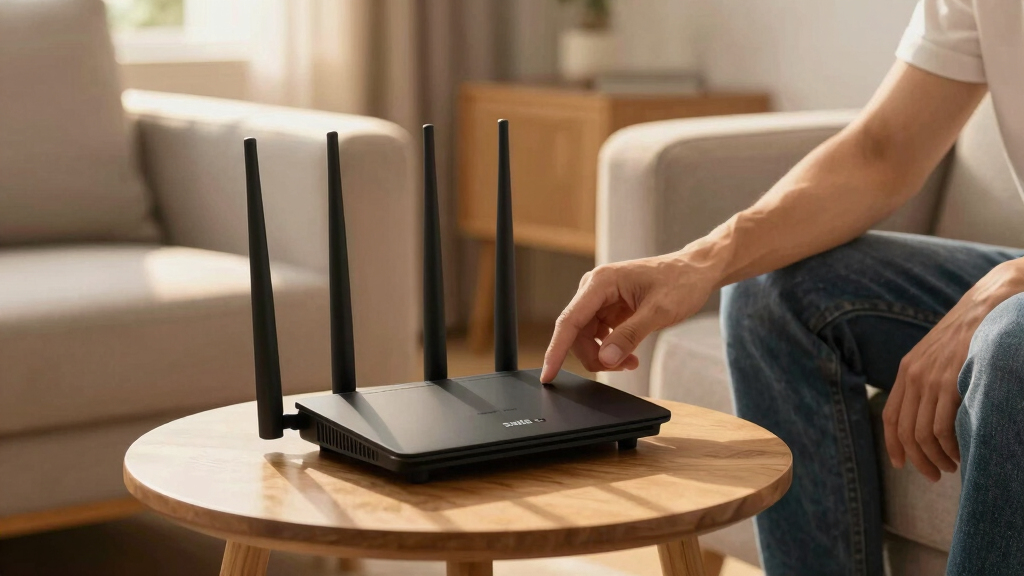

Searching for the best WiFi router tri band in 2026? The top picks include the ASUS ROG Strix GS-BE12000 for unmatched speed and gaming, and the NETGEAR Orbi 770 for expansive mesh coverage. These routers excel in managing multiple devices and heavy bandwidth demands, but they come with tradeoffs like higher cost or complexity. Budget options may sacrifice some speed or coverage, while premium models pack more features than most users need. Continue reading for a detailed breakdown of what makes each model stand out and how to choose the right one for your setup.

Turn your quiet moments into listening time
- Thousands of audiobooks, podcasts and originals
- Listen on your phone, tablet or Echo — also offline
- Cancel anytime
Key Takeaways
- The best tri-band routers balance high speed, coverage, and ease of use, but premium features often come with higher price tags.
- Mesh systems like the NETGEAR Orbi 770 excel in coverage for large homes, while standalone routers are better for smaller spaces.
- WiFi 7 models generally offer faster speeds and future-proofing but tend to be more expensive than WiFi 6E options.
- Built-in security features such as HomeShield or WPA3 are increasingly common and worth considering for added protection.
- Not all tri-band routers are created equal; some prioritize gaming or streaming, while others focus on mesh coverage or wired connectivity.
| TP-Link Dual-Band Wi-Fi 7 Router Archer BE230 |  | Best for Budget Wi-Fi 7 with Easy Setup | Wi-Fi Standard: Wi-Fi 7 | Speed: Up to 2882 Mbps (5 GHz), 688 Mbps (2.4 GHz) | Ports: 1×2.5G WAN/LAN, 1×2.5G LAN, 3×1G LAN | VIEW LATEST PRICE | See Our Full Breakdown |
| ASUS ROG Strix GS-BE12000 WiFi 7 Tri-Band Router, 12000 Mbps, 20G Wired Capacity, 3000 sq. ft. Coverage |  | Best for High-Speed Gaming and Smart Homes | WiFi Standard: WiFi 7 | Speed: 12000 Mbps | Wired Capacity: 20G | VIEW LATEST PRICE | See Our Full Breakdown |
| TP-Link Archer BE12000 Tri-Band Wi-Fi 7 Router with 6GHz Band and 10G Connectivity |  | Best for Large Homes with Future-Proof Ports | Wi-Fi Bands: Tri-band (6 GHz, 5 GHz, 2.4 GHz) | Maximum Speed: Up to 5,765 Mbps (6 GHz), 5,765 Mbps (5 GHz), 688 Mbps (2.4 GHz) | Ports: 10 Gbps WAN/LAN, 2.5 Gbps WAN/LAN, three 1 Gbps LAN, USB 3.0 | VIEW LATEST PRICE | See Our Full Breakdown |
| TP-Link Tri-Band WiFi 7 Router (Archer BE600) with 10G Port and HomeShield Security |  | Best for Large Homes with Multi-Gig Support | WiFi Standard: WiFi 7 | Max Speed: up to 5,765 Mbps on 6 GHz, 2,882 Mbps on 5 GHz, 1,032 Mbps on 2.4 GHz | Coverage: up to 2,600 sq. ft. | VIEW LATEST PRICE | See Our Full Breakdown |
| NETGEAR Nighthawk Tri-Band WiFi 7 Router (RS280S) |  | Best for Ultra-Fast Gaming and Streaming | WiFi Speed: up to 9.2 Gbps | Coverage: up to 2,500 sq. ft. | Internet Port: 2.5 Gig | VIEW LATEST PRICE | See Our Full Breakdown |
| NETGEAR Orbi 770 Series Tri-Band WiFi 7 Mesh Network System (RBE773) – Router + 2 Satellite Extenders |  | Best Overall for Large Homes and Seamless Coverage | WiFi Technology: WiFi 7 | Speed: up to 11Gbps | Coverage: up to 8,000 sq. ft. | VIEW LATEST PRICE | See Our Full Breakdown |
| NETGEAR Nighthawk RS300 Tri-Band WiFi 7 Router, Wireless Speed Up to 9.3 Gbps, Covers Up to 2500 Sq. Ft., Black – Certified Refurbished |  | Best for Fast, Reliable Gaming and Streaming in Medium Spaces | Wireless Speed: Up to 9.3 Gbps | Coverage: Up to 2500 sq. ft. | WiFi Standard: WiFi 7 | VIEW LATEST PRICE | See Our Full Breakdown |
| GL.iNet GL-BE9300 (Flint 3) Tri-Band WiFi 7 Router |  | Best for Tech-Savvy Users Seeking Advanced Features | WiFi Standard: Wi-Fi 7 | Speed: Up to 9 Gbps | Coverage: Up to 2,000 sq ft | VIEW LATEST PRICE | See Our Full Breakdown |
| MSI Radix AXE6600 WiFi 6E Tri-Band Gaming Router |  | Best for High-Performance Gaming and Enthusiasts | WiFi Bands: 2.4GHz, 5GHz, 6GHz | Maximum Speed: 6.6Gbps | Processor: 1.8 GHz quad-core | VIEW LATEST PRICE | See Our Full Breakdown |
| NETGEAR Nighthawk Tri-Band WiFi 6E Router (RAXE300) |  | Best Overall for Large Homes and High-Speed Needs | WiFi Bands: Tri-band (2.4GHz, 5GHz, 6GHz) | Wireless Speed: Up to 7.8Gbps | Coverage: Up to 2,500 sq. ft. | VIEW LATEST PRICE | See Our Full Breakdown |
| TP-Link AX1800 WiFi 6 Router (Archer AX21) |  | Best Value for Fast, Reliable WiFi 6 Performance | Technology: Wi-Fi 6 (802.11ax) | Bands: Dual Band | Total Bandwidth: 1.8 Gbps | VIEW LATEST PRICE | See Our Full Breakdown |
| NETGEAR Nighthawk Tri-Band WiFi 7 Router (RS300) | | Best for Cutting-Edge Speed and Future-Proofing | Speed: Up to 9.3 Gbps | Coverage: Up to 2,500 sq. ft. | Devices Supported: Up to 100 | VIEW LATEST PRICE | See Our Full Breakdown |
More Details on Our Top Picks
TP-Link Dual-Band Wi-Fi 7 Router Archer BE230
The TP-Link Archer BE230 stands out for delivering Wi-Fi 7 speeds in a dual-band setup, making it an appealing choice for those wanting the latest tech without the premium price. Compared to the ASUS ROG Strix GS-BE12000, it offers less raw speed and fewer wired ports but compensates with easier management and a more compact design. Its support for mesh connectivity and extensive device handling makes it suitable for moderate-sized homes, though performance can vary with obstacles and environment. It requires a separate modem, which is typical but worth considering for a streamlined setup.
Pros:- Supports the latest Wi-Fi 7 technology for faster speeds and improved reliability
- Extensive coverage suitable for up to 60 devices
- Easy setup and management via the Tether app
Cons:- Performance may vary depending on environment and obstacles
- Requires a separate modem for internet connection
Best for: Home users seeking reliable Wi-Fi 7 support with straightforward setup at an affordable price
Not ideal for: Heavy gamers or smart home enthusiasts who need ultra-high speeds and extensive wired options
- Wi-Fi Standard:Wi-Fi 7
- Speed:Up to 2882 Mbps (5 GHz), 688 Mbps (2.4 GHz)
- Ports:1×2.5G WAN/LAN, 1×2.5G LAN, 3×1G LAN
- Processor:Quad-core 2.0 GHz
- Coverage:Up to 2,000 sq. ft.
- Antennas:4 internal antennas
Bottom line: This router is ideal for budget-conscious users wanting a future-proof Wi-Fi 7 upgrade with simple management.
ASUS ROG Strix GS-BE12000 WiFi 7 Tri-Band Router, 12000 Mbps, 20G Wired Capacity, 3000 sq. ft. Coverage
The ASUS ROG Strix GS-BE12000 is designed for users demanding exceptional speed and coverage, especially gamers and power users. Its 12000 Mbps throughput far surpasses most competitors like the TP-Link BE230, making it ideal for high-bandwidth activities, while its 3000 sq. ft. coverage ensures robust connectivity across large homes. The multiple LAN ports and advanced security features provide a comprehensive wired and wireless experience. However, its setup complexity and high price tag may deter casual users or those with limited technical expertise. Its size and power make it better suited for dedicated gaming rooms or tech-savvy households.
Pros:- Extremely fast WiFi speeds suitable for gaming and streaming
- Wide coverage area of up to 3000 sq. ft.
- Multiple high-speed wired ports for device connectivity
- Enhanced security features for network protection
Cons:- May be complex to set up for non-technical users
- Premium price point
Best for: Gamers and tech enthusiasts needing maximum speed and extensive coverage
Not ideal for: Small apartment dwellers or users seeking an easy, plug-and-play setup
- WiFi Standard:WiFi 7
- Speed:12000 Mbps
- Wired Capacity:20G
- Coverage:3000 sq. ft.
- CPU:Quad-core 2.0GHz
- LAN Ports:7 x 2.5G
Bottom line: This router makes the most sense for users who prioritize top-tier speed and coverage over simplicity and cost.
TP-Link Archer BE12000 Tri-Band Wi-Fi 7 Router with 6GHz Band and 10G Connectivity
The TP-Link Archer BE12000 introduces a tri-band setup with the latest 6GHz band and 10G ports, making it a solid choice for users needing maximum speed and extensive coverage. Its support for multiple devices and fast wired connections surpasses the dual-band BE230, but it shares setup complexity with other high-end routers like the ASUS GS-BE12000. Its broad coverage of 3000 sq. ft. and multiple high-speed ports make it ideal for sprawling smart homes and streaming setups. The higher price tag and need for compatible devices mean this is best for those committed to building a wired and wireless powerhouse.
Pros:- Supports the latest Wi-Fi 7 technology for fast, reliable connections
- Wide coverage up to 3000 sq. ft.
- Multiple high-speed ports including 10G and 2.5G for future-proof wired connections
- Easy setup via Tether App
Cons:- Requires a separate modem for internet
- High-end features at a premium price
Best for: Large households seeking high-speed, future-proof connectivity with extensive wired options
Not ideal for: Casual users or those with smaller spaces who don’t need the latest ports or tri-band features
- Wi-Fi Bands:Tri-band (6 GHz, 5 GHz, 2.4 GHz)
- Maximum Speed:Up to 5,765 Mbps (6 GHz), 5,765 Mbps (5 GHz), 688 Mbps (2.4 GHz)
- Ports:10 Gbps WAN/LAN, 2.5 Gbps WAN/LAN, three 1 Gbps LAN, USB 3.0
- Coverage:Up to 3,000 sq. ft.
- Antennas:6 high-gain
- Compatibility:Alexa, Google, EasyMesh
Bottom line: Ideal for large homes with demanding bandwidth needs and a desire for cutting-edge ports and coverage.
TP-Link Tri-Band WiFi 7 Router (Archer BE600) with 10G Port and HomeShield Security
The TP-Link Archer BE600 offers a balanced blend of high-speed Wi-Fi 7 with multi-gigabit support, making it suitable for large households that need reliable wireless and wired connectivity. Its coverage of 2,600 sq. ft. and support for up to 120 devices provides flexibility, especially compared with the more advanced ASUS GS-BE12000, which offers faster speeds but at a higher cost. Its multi-link operation and security features make it a strong choice for users prioritizing safety and multi-device support, although setup complexity might challenge less tech-savvy users. It’s a solid middle ground between performance and ease of use.
Pros:- High-speed WiFi 7 with multi-gigabit support
- Wide coverage for large homes
- Multiple high-speed ports including 10G and 2.5G
- Enhanced security with HomeShield
Cons:- Setup can be complex for non-technical users
- Premium pricing, especially for full Wi-Fi 7 benefits
Best for: Large homes needing fast Wi-Fi and reliable security without the highest price tag
Not ideal for: Power users requiring ultra-high speeds or extensive wired network features
- WiFi Standard:WiFi 7
- Max Speed:up to 5,765 Mbps on 6 GHz, 2,882 Mbps on 5 GHz, 1,032 Mbps on 2.4 GHz
- Coverage:up to 2,600 sq. ft.
- Devices Supported:up to 120
- Ports:1x 10 Gbps WAN/LAN, 1x 2.5 Gbps WAN/LAN, 3x 2.5 Gbps LAN
- Security:TP-Link HomeShield
Bottom line: Best suited for large households seeking a reliable Wi-Fi 7 router with strong security and multiple wired options.
NETGEAR Nighthawk Tri-Band WiFi 7 Router (RS280S)
The NETGEAR Nighthawk RS280S offers impressive speeds up to 9.2 Gbps, making it a top pick for gamers and streamers who need minimal lag and maximum throughput. Its coverage of 2,500 sq. ft. and multiple Ethernet ports provide flexible wired and wireless options, surpassing many other tri-band routers like the TP-Link BE230 for raw performance. Built-in security and a 1-year Armor subscription add value, although it requires a separate modem, which is a common trait in high-performance routers. Its design is geared toward U.S. users seeking premium speeds and reliable security for demanding applications.
Pros:- Blazing-fast WiFi 7 speeds for seamless gaming and streaming
- Wide coverage of up to 2,500 sq. ft.
- Multiple high-speed Ethernet ports for wired devices
- Built-in security with Armor subscription
Cons:- Requires a separate modem
- U.S.-only compatibility may limit international users
Best for: Gamers, streamers, and heavy internet users requiring the fastest speeds and security
Not ideal for: Small households or casual users who won’t fully utilize the speed capabilities
- WiFi Speed:up to 9.2 Gbps
- Coverage:up to 2,500 sq. ft.
- Internet Port:2.5 Gig
- Ethernet Ports:2 x 2.5 Gig, 2 x 1 Gig
- Subscription:1-year Armor
- Compatibility:Requires separate modem
Bottom line: This router excels for users who need the fastest Wi-Fi speeds and robust security for demanding digital activities.
NETGEAR Orbi 770 Series Tri-Band WiFi 7 Mesh Network System (RBE773) – Router + 2 Satellite Extenders
The NETGEAR Orbi 770 Series stands out for its WiFi 7 technology delivering speeds up to 11Gbps, making it ideal for large homes up to 8,000 sq. ft. and demanding multi-device environments. Unlike the MSI Radix AXE6600, which prioritizes gaming performance with RGB aesthetics and a powerful processor, the Orbi emphasizes extensive coverage and reliability across multiple rooms with its satellite extenders. While the Orbi’s premium price reflects its advanced features, the need for compatible devices to fully enjoy WiFi 7 speeds can be a drawback for some users. Compared to the NETGEAR Nighthawk RS300, which offers high speeds but less coverage, the Orbi provides a more comprehensive solution for larger spaces, albeit at a higher cost and complexity.
Pros:- Extensive coverage up to 8,000 sq. ft. with multiple extenders
- Blazing fast WiFi speeds up to 11Gbps using WiFi 7
- Built-in security features for family safety
- Supports up to 100 devices simultaneously
Cons:- Premium price may be prohibitive for budget-conscious users
- Requires compatible WiFi 7 devices to realize full speed benefits
Best for: Homeowners with large properties seeking fast, reliable WiFi across extensive areas
Not ideal for: Urban apartment dwellers with small spaces who don’t need such expansive coverage or high-end security features
- WiFi Technology:WiFi 7
- Speed:up to 11Gbps
- Coverage:up to 8,000 sq. ft.
- Number of Devices:up to 100
- Ports:2.5 Gigabit Ethernet port
- Number of Units:Router + 2 Satellites
Bottom line: This system is perfect for large homes requiring maximum coverage and cutting-edge WiFi speeds, provided you’re ready to invest in its premium features.
NETGEAR Nighthawk RS300 Tri-Band WiFi 7 Router, Wireless Speed Up to 9.3 Gbps, Covers Up to 2500 Sq. Ft., Black – Certified Refurbished
The NETGEAR Nighthawk RS300 offers speeds up to 9.3 Gbps on WiFi 7, making it well-suited for gaming, 4K streaming, and busy household use. Its coverage of up to 2,500 sq. ft. is adequate for medium-sized homes, and multiple 2.5 Gbps Ethernet ports support high-speed wired connections. Compared to the Orbi 770, which provides larger coverage, the RS300’s focus on speed and wired connectivity makes it a strong choice for gamers and streamers who prioritize performance over vast coverage. Being a refurbished unit may raise concerns about warranty and longevity, but it offers a more affordable way to access WiFi 7 speeds.
Pros:- High WiFi speeds up to 9.3Gbps suitable for intensive activities
- Multiple 2.5 Gbps Ethernet ports for wired setup
- Automated security updates and compatibility with any ISP
- Refurbished price offers affordability
Cons:- Requires a separate modem, adding complexity and cost
- Refurbished units may have limited warranty and unknown longevity
Best for: Gamers and streamers in medium-sized homes needing fast WiFi and multiple wired options
Not ideal for: Large households or those needing extensive coverage beyond 2,500 sq. ft.
- Wireless Speed:Up to 9.3 Gbps
- Coverage:Up to 2500 sq. ft.
- WiFi Standard:WiFi 7
- Ethernet Ports:2 x 2.5 Gbps, 2 x 1 Gbps
- Refurbished:Yes
- Color:Black
Bottom line: This router delivers impressive speeds for medium-sized homes focused on gaming and streaming, provided you can manage the refurbished condition and separate modem requirement.
GL.iNet GL-BE9300 (Flint 3) Tri-Band WiFi 7 Router
The GL.iNet Flint 3 is tailored for users comfortable with complex setups, offering WiFi 7 speeds up to 9 Gbps and advanced tech like MLO, OFDMA, and extensive device capacity. Compared with the NETGEAR Orbi 770, which emphasizes coverage and ease of use, the Flint 3 leans into customization, security, and management features such as VPN support and parental controls. Its coverage of 2,000 sq. ft. fits well in medium to large homes, but setup might be intimidating for non-technical users, and some features require firmware updates for optimal performance.
Pros:- High-speed WiFi 7 with low latency for gaming and streaming
- Supports over 100 devices simultaneously
- Advanced security features including VPN and parental controls
- Modern tech with MLO and OFDMA for efficient bandwidth use
Cons:- Setup may require firmware updates and technical knowledge
- Speed depends on ISP and environment, not just hardware
- Complex for users unfamiliar with networking
Best for: Technical users or small business owners who want advanced control and security features
Not ideal for: Non-technical users seeking a plug-and-play experience or extensive coverage
- WiFi Standard:Wi-Fi 7
- Speed:Up to 9 Gbps
- Coverage:Up to 2,000 sq ft
- Technology:MLO, OFDMA, 4K QAM
- Parental Controls:Supported via Bark
- Device Capacity:Over 100 devices
Bottom line: This router is best for users who want customizable, powerful WiFi 7 with advanced security, at the expense of ease of setup.
MSI Radix AXE6600 WiFi 6E Tri-Band Gaming Router
The MSI Radix AXE6600 pushes the boundary with WiFi 6E support and tri-band connectivity, offering speeds up to 6.6Gbps. Its 1.8 GHz quad-core processor and AI QoS prioritize gaming traffic efficiently, surpassing the speed and features of most WiFi 6 models. Compared to the NETGEAR Orbi 770, which is more about coverage and future-proofing, the MSI focuses on raw gaming performance and customization, including RGB lighting for aesthetic flair. The premium price and complex setup make it less ideal for casual users, but gamers will appreciate its speed and traffic management capabilities.
Pros:- Supports WiFi 6E with tri-band speeds up to 6.6Gbps
- Powerful 1.8 GHz quad-core processor for smooth performance
- AI QoS automatically prioritizes gaming and high-bandwidth tasks
- Customizable RGB lighting adds gaming ambiance
Cons:- High price may be a barrier for casual users
- Setup can be complex for non-technical users
Best for: Gaming enthusiasts or power users needing optimized, high-speed WiFi for demanding applications
Not ideal for: Budget-conscious users or those seeking simple, plug-and-play solutions
- WiFi Bands:2.4GHz, 5GHz, 6GHz
- Maximum Speed:6.6Gbps
- Processor:1.8 GHz quad-core
- Features:AI QoS, MU-MIMO, RGB Mystic Light
- Streams:8
- Ports:Gigabit Ethernet
Bottom line: This router suits dedicated gamers and tech-savvy users wanting maximum performance, despite its higher cost and complexity.
NETGEAR Nighthawk Tri-Band WiFi 6E Router (RAXE300)
The NETGEAR Nighthawk RAXE300 stands out for offering a dedicated 6GHz band, which significantly reduces congestion compared to dual-band options like the TP-Link AX1800, making it ideal for households with many smart devices, streaming, and gaming. Its impressive speed of up to 7.8Gbps and coverage of 2,500 sq. ft. position it as a top-tier choice for large homes, but this performance comes at a hefty price and requires a separate modem. Compared to the WiFi 7 options, it might lack the future-proof speed but excels in stability and security with NETGEAR Armor. This pick makes the most sense for those who prioritize speed, device support, and extensive coverage over budget constraints or a built-in modem.
Pros:- Fast WiFi speeds up to 7.8Gbps with 6GHz band
- Wide coverage suitable for large homes
- Supports up to 40 devices simultaneously
- Includes advanced security features
Cons:- Requires a separate modem for internet access
- Premium price point limits accessibility
- Limited to U.S. market
Best for: Large households and tech enthusiasts seeking maximum speed and coverage with robust security.
Not ideal for: Budget-conscious buyers or those who prefer an all-in-one modem/router combo, especially outside the U.S.
- WiFi Bands:Tri-band (2.4GHz, 5GHz, 6GHz)
- Wireless Speed:Up to 7.8Gbps
- Coverage:Up to 2,500 sq. ft.
- Device Support:Up to 40 devices
- Processor:1.7GHz quad-core
- Ethernet Ports:4 x 1G, 1 x 2.5G
Bottom line: This router is best for users who need top-tier performance and coverage in large, device-rich homes willing to invest in premium hardware.
TP-Link AX1800 WiFi 6 Router (Archer AX21)
The TP-Link Archer AX21 offers a compelling balance of speed, security, and ease of use at a lower price point than high-end routers like the NETGEAR Nighthawk RAXE300. Its dual-band setup, supporting up to 1.8Gbps, is sufficient for most households that don’t require the ultra-fast 6GHz band but still want stable, fast connections across multiple devices. While it doesn’t support WiFi 6E or the 6GHz band, its beamforming and high-gain antennas provide extensive coverage, making it a smart choice for medium-sized homes. Compared to WiFi 7 routers, it’s less future-proof but offers a straightforward setup and reliable performance for everyday use. This model makes sense for users seeking a solid, budget-friendly WiFi 6 solution without sacrificing security or ease of use.
Pros:- Fast and reliable WiFi 6 performance
- Supports many devices simultaneously
- Extensive coverage with beamforming
- Includes advanced security features
Cons:- No support for the 6GHz band
- Performance varies with environment and placement
- Limited to dual-band, less future-proof
Best for: Small to medium households needing dependable WiFi 6 with good coverage and security at an affordable price.
Not ideal for: Large homes or users who want the latest WiFi 7 speeds and future-proof technology, as it lacks the 6GHz band.
- Technology:Wi-Fi 6 (802.11ax)
- Bands:Dual Band
- Total Bandwidth:1.8 Gbps
- Max Speed 5 GHz:1200 Mbps
- Max Speed 2.4 GHz:574 Mbps
- Antennas:4 high-gain antennas
Bottom line: This router is ideal for users who want dependable WiFi 6 performance at a budget-friendly price for medium-sized homes.
NETGEAR Nighthawk Tri-Band WiFi 7 Router (RS300)
The NETGEAR Nighthawk RS300 pushes the boundaries with WiFi 7 technology, offering speeds up to 9.3Gbps and support for up to 100 devices. Its tri-band setup, including the 6GHz band, makes it a clear upgrade over WiFi 6 models like the Archer AX21, especially for heavy streaming, gaming, and smart home setups. The wide coverage and high port speeds support demanding applications, but this router requires a separate cable modem, adding to setup complexity and cost. Its advanced security features, including WPA3 and VPN support, make it a secure choice for future-proofing home networks. Compared to other WiFi 7 options, its speed and device support stand out, though the higher price and need for additional hardware might be a barrier for some.
Pros:- Blazing-fast WiFi 7 speeds up to 9.3Gbps
- Supports up to 100 devices simultaneously
- Wide coverage suited for large homes
- Strong security features including WPA3 and VPN
Cons:- Requires a separate cable modem
- Higher cost due to advanced features
- No built-in modem included
Best for: Tech-savvy users and gamers wanting the latest WiFi 7 speeds with large device support and extensive coverage.
Not ideal for: Casual users or those on a tight budget who don’t need the maximum speeds or support for many devices, as it involves higher costs and setup complexity.
- Speed:Up to 9.3 Gbps
- Coverage:Up to 2,500 sq. ft.
- Devices Supported:Up to 100
- Bands:Tri-Band (including 6 GHz)
- Ports:2 x 2.5 Gbps, 2 x 1 Gbps
- WiFi Standard:WiFi 7
Bottom line: This router is best for users seeking the ultimate speed, device support, and future-proofing in a premium package willing to handle extra hardware costs.

How We Picked
These products were evaluated based on performance benchmarks, coverage area, ease of setup, build quality, feature set, and value for money. We prioritized models that support the latest WiFi standards, especially WiFi 7, to ensure future-proofing. The ranking also considers user reviews and brand reputation to gauge reliability and ongoing support. Our goal was to identify routers that deliver strong, consistent speeds across multiple devices without overwhelming less tech-savvy users with overly complex features. This approach helps buyers find options suited to both casual and demanding network environments.Factors to Consider When Choosing Best Wifi Router Tri Band
Choosing the best tri-band WiFi router involves understanding several key factors that influence performance, coverage, and ease of use. Beyond just reading specs, it’s important to consider how each feature impacts your daily internet experience. A balanced approach ensures you get a router that fits your specific needs without paying for unnecessary extras or sacrificing essential performance.Speed and WiFi Standards
While WiFi 7 offers the latest speeds and lower latency, WiFi 6E is still highly capable and often more affordable. Consider your internet plan and whether your devices support the latest standards. A router with higher throughput capacity is essential if you stream 4K/8K content, game online, or have many devices competing for bandwidth. Beware of overestimating your needs—more speed doesn’t always mean faster real-world performance if your internet plan is slower than the router’s maximum.
Coverage Area and Mesh Compatibility
For large homes or multi-story buildings, coverage becomes a critical factor. Mesh systems like the NETGEAR Orbi 770 are designed to extend coverage seamlessly, but they tend to be more expensive. Standalone routers with high-powered antennas can suffice for smaller spaces. When considering coverage, think about the number of devices and the layout of your home to avoid dead zones or weak signals. Opt for routers with adjustable antennas or mesh compatibility if you need to expand later.
Ease of Setup and Management
User-friendly features like app-based setup, clear interfaces, and robust management tools can make a significant difference, especially for less tech-savvy users. Look for routers that offer straightforward installation, automatic updates, and easy device prioritization. Some models include parental controls, security, and guest networks built-in, offering added convenience and protection. Avoid overly complex routers if you prioritize simplicity or if you’re new to networking.
Security and Future-Proofing
Security features like WPA3 encryption, automatic firmware updates, and integrated security services protect your network from threats. Future-proofing also involves considering the router’s support for upcoming standards like WiFi 7. While premium models tend to include more advanced security features, budget options are increasingly adding essential protections. Think about your long-term needs—investing in a router with solid security is often worth the extra cost.
Price and Value
High-end tri-band routers with extensive features come with a premium price tag, but they may provide better longevity and performance. Conversely, budget models can be sufficient for casual browsing or small households. Balance your requirements with your budget, and consider whether spending more on a router with advanced features translates into tangible benefits for your setup. Sometimes, a slightly less powerful but more reliable model offers better value.
Frequently Asked Questions
Is WiFi 7 worth it over WiFi 6E for a home network?
WiFi 7 offers faster speeds, lower latency, and better handling of multiple devices, making it appealing for future-proofing and high-demand activities. However, if your internet plan is below the maximum speeds supported by WiFi 6E, or if your devices don’t support WiFi 7 yet, the benefits might be limited. For most users, WiFi 6E remains a very capable standard, and upgrading to WiFi 7 makes more sense if you’re investing in a new high-end setup or have future devices in mind.
Should I choose a mesh system or a single router?
This depends largely on your home size and layout. Mesh systems like the NETGEAR Orbi 770 excel in providing seamless coverage across large or multi-story homes, reducing dead zones. Single routers are typically simpler and cheaper but may struggle to cover large spaces or complex layouts. If you have a small apartment or a single-floor home, a powerful standalone tri-band router might suffice. For larger homes, investing in a mesh system can improve overall reliability and user experience.
What security features should I look for?
Effective security features like WPA3 encryption, automatic firmware updates, and integrated security services such as HomeShield or advanced firewalls help protect your network from threats. Routers with these protections are better suited to safeguard personal data and connected devices. Be cautious of models lacking regular updates or security options, especially if you handle sensitive information or have many smart devices connected. Security should be a priority in your selection process.
How much should I expect to spend on a good tri-band router?
Prices for tri-band WiFi 7 routers vary widely, typically from around $200 for mid-range models to over $500 for premium, feature-rich units. Budget options may lack advanced security or maximum speed, but still offer solid performance for typical home use. Investing more often provides better coverage, faster speeds, and future-proofing, but it’s important to match the router’s capabilities with your actual needs. Consider how much value the extra features will bring to your setup before splurging.
Are wired connections still necessary with a tri-band router?
Wired connections remain valuable for devices that require the lowest latency and highest stability, such as gaming PCs or servers. While a high-quality tri-band router can handle most wireless needs, wired Ethernet connections provide a reliable backbone, especially in busy households. Many modern routers include multiple 2.5G or 10G ports for this purpose. Depending on your setup and usage patterns, integrating wired links can significantly enhance overall network performance.
Conclusion
For general use and maximum performance, the ASUS ROG Strix GS-BE12000 stands out as the best overall choice, offering exceptional speed and gaming features. The NETGEAR Orbi 770 is the best pick for those needing extensive coverage in larger homes. Budget-conscious buyers will find the TP-Link Archer BE230 delivers solid performance without breaking the bank. For beginners, a straightforward setup with good security might mean choosing a user-friendly model with integrated management. If future-proofing and top-tier features are priorities, investing in a WiFi 7 premium router makes the most sense, especially for demanding users or tech enthusiasts. As an affiliate, we earn on qualifying purchases.Fall Picks
fall essentials