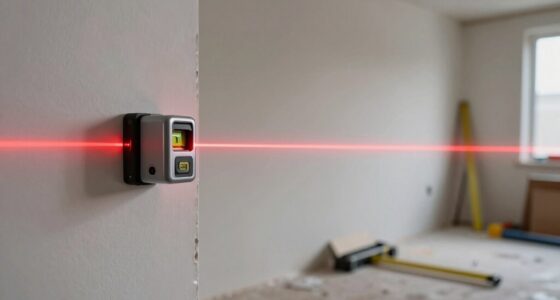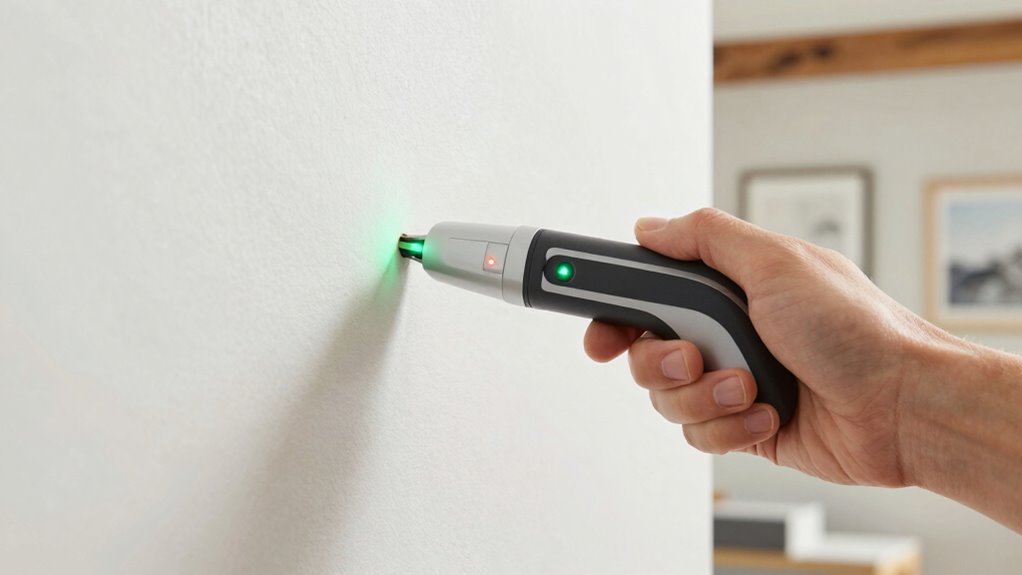

Your stud finder’s accuracy depends on several factors. Make certain your batteries are fully charged or new, as low power can cause false readings. Wall material, thickness, and embedded elements like wiring or pipes also impact detection results. Sensor technology plays a role, with advanced sensors providing better precision. Environmental conditions like humidity and temperature can affect performance too. Paying attention to these details will help you get the best results, and if you keep exploring, you’ll discover even more ways to improve your measurements.

Get books, candles and calm essentials delivered free — and shop member deals
- Fast, free delivery on millions of items
- Access to Prime Big Deal Days deals on October 6–7
- Prime Video, Amazon Music and more included
Key Takeaways
- Battery life and power source stability directly impact the consistency and accuracy of stud finder readings.
- Wall material and composition, such as drywall or concrete, can interfere with sensor performance and detection accuracy.
- Wall thickness and embedded elements like wiring or pipes may cause false positives or negatives if not properly accounted for.
- The technology and detection methods used by the sensor influence its sensitivity and reliability in different wall conditions.
- Environmental factors like humidity and temperature fluctuations can affect the electronic components and overall detection accuracy.
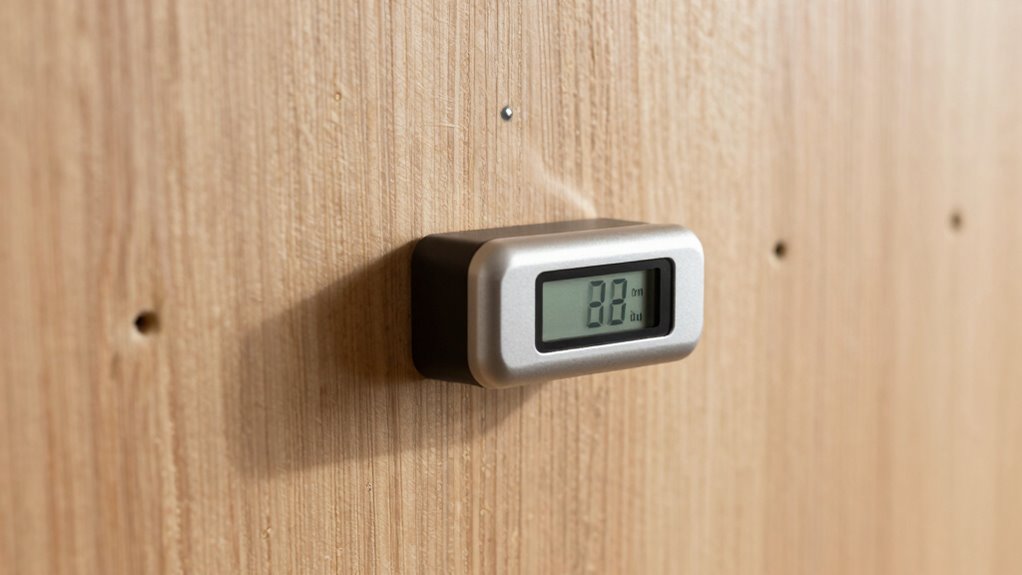
Finding the exact location of wall studs is essential for secure hanging and renovation projects, but the accuracy of your stud finder can make all the difference. When you’re trying to drill a shelf or hang a heavy mirror, hitting the stud ensures stability. However, various factors can influence how well your device performs, and understanding these will help you get the best results. One key aspect is battery life. A low or dying battery can cause your stud finder to give inconsistent or inaccurate readings. If your device’s display flickers or if it stops detecting studs mid-use, it’s a sign to replace or recharge the batteries. Always check the battery level before starting your project to avoid surprises. A fresh, fully charged battery offers the most reliable detection, especially when working on larger or more complex wall structures. Wall material also plays a significant role in stud finder accuracy. Different wall types affect how well the sensor can detect studs beneath the surface. For example, drywall with minimal insulation makes it easier for most stud finders to locate studs accurately. Conversely, walls filled with foam insulation or those made of materials like brick or concrete can interfere with the device’s sensors. These denser or more composite materials tend to reduce the sensitivity of the detector, leading to potential false readings or missed studs. If you’re working with specialized wall materials, consider using a stud finder designed for that purpose or combine it with manual methods like knocking or measuring from known reference points. Another factor that impacts accuracy is the wall’s thickness and the presence of electrical wiring or plumbing. These elements can sometimes cause false positives or negatives, especially if your device isn’t equipped with advanced detection technology. To improve precision, you should calibrate your stud finder according to the manufacturer’s instructions before use. Ensure it’s correctly aligned and scanning the proper depth. Keep in mind that the device’s detection depth varies; some are designed for framing purposes and might not penetrate thicker or denser walls effectively. Additionally, understanding the sensor technology used in your device can help you select the best tool for your specific wall conditions. Being aware of wall composition and how it interacts with different sensors can further enhance detection accuracy. Regularly updating your knowledge about indoor wall materials can also help you adapt your detection methods for different building types. Environmental factors such as humidity and temperature can also influence the performance of electronic stud finders, so it’s wise to operate in stable conditions whenever possible.
best stud finder for drywall and concrete
As an affiliate, we earn on qualifying purchases.
As an affiliate, we earn on qualifying purchases.
Frequently Asked Questions
How Often Should I Calibrate My Stud Finder?
You should calibrate your stud finder before each use to guarantee proper calibration and accuracy. Regular calibration helps the device detect studs reliably, especially if you switch between different wall types or environments. Additionally, recalibrate if you move to a new wall area or notice inconsistent readings. By maintaining proper calibration, you’ll get precise results every time, reducing guesswork and avoiding missed studs or false signals.
Do Wall Textures Impact Stud Finder Readings?
Imagine trying to find a hidden tree behind a textured curtain—wall texture can be like that curtain, sometimes obscuring your view. Wall texture can impact stud detection because rough or uneven surfaces may interfere with your stud finder’s sensors, leading to inaccurate readings. To improve accuracy, make certain your wall is smooth and clean, and move your finder slowly. This way, you get a clearer picture of where the studs truly lie.
Can Electrical Wires Interfere With Stud Finder Accuracy?
Yes, electrical wires can interfere with your stud finder’s accuracy. Electrical interference creates signals that can be mistaken for studs, especially if your device isn’t designed to filter out such noise. Wall material also plays a role; thicker or denser walls may reduce the device’s ability to detect studs accurately. To improve results, turn off nearby electrical devices and make certain you’re using a stud finder suitable for your wall type.
Are There Specific Stud Finders for Different Wall Types?
Did you know that over 60% of homeowners struggle to find studs in different wall materials? Yes, there are stud finders designed for specific wall types, like drywall, plaster, or brick. These specialized devices better detect stud spacing and handle varying wall densities. Using the right stud finder guarantees accuracy, especially when dealing with complex wall materials or closely spaced studs, making your project safer and more efficient.
How Does Temperature Affect Stud Finder Performance?
Temperature impacts your stud finder’s performance by affecting its thermal sensitivity and material detection. When it’s too hot or cold, the device may struggle to accurately locate studs, especially if it relies on detecting temperature differences or changes in wall material. Keep your stud finder at a stable temperature and avoid using it in extreme conditions to guarantee reliable results. Proper conditions help your tool work effectively and give accurate readings.
stud finder with advanced sensor technology
As an affiliate, we earn on qualifying purchases.
As an affiliate, we earn on qualifying purchases.
Conclusion
Understanding what affects stud finder accuracy helps you get better results on your projects. Keep in mind that some models can detect studs within 1/8 inch, but environmental factors like wall material and electrical wiring can throw off readings. Notably, a recent survey found that 30% of users experienced false positives, highlighting the importance of testing different areas. By considering these factors, you’ll improve your chances of locating studs accurately and avoid costly mistakes.
battery operated electronic stud finder
As an affiliate, we earn on qualifying purchases.
As an affiliate, we earn on qualifying purchases.
wall stud locator for heavy-duty projects
As an affiliate, we earn on qualifying purchases.
As an affiliate, we earn on qualifying purchases.
Fall Picks
fall essentials
As an affiliate, we earn on qualifying purchases.