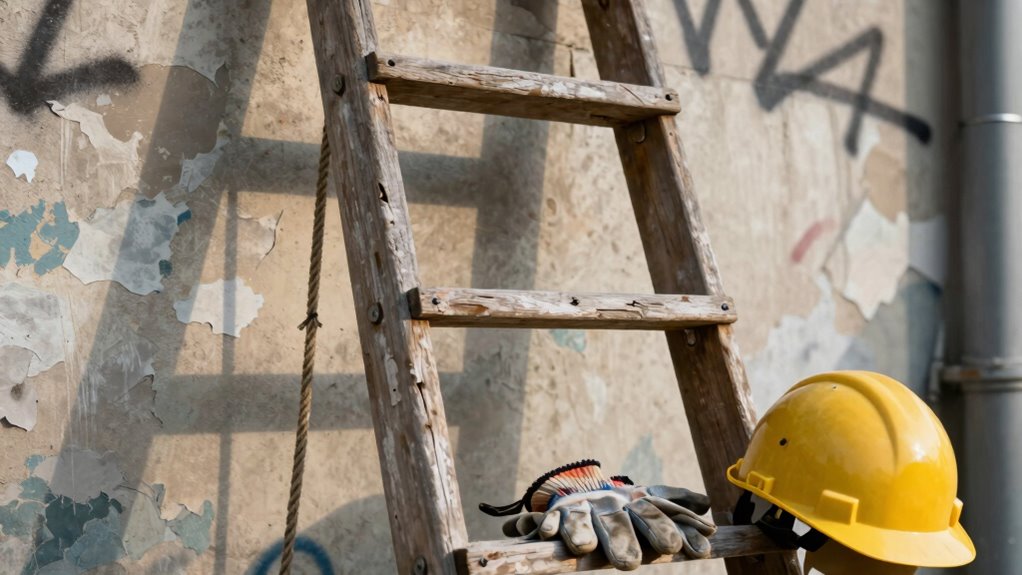

Many people ignore key ladder safety rules, risking serious falls and injuries. You might overlook wearing slip-resistant shoes, which help maintain stability, or forget to take into account weather conditions that can make surfaces slick or cause ladder sway. Neglecting to secure the ladder properly or rushing through safety checks can lead to accidents. Staying mindful of safety guidelines and external factors improves your safety. Keep going, and you’ll discover how to make every ladder task safer and smarter.

Get books, candles and calm essentials delivered free — and shop member deals
- Fast, free delivery on millions of items
- Access to Prime Big Deal Days deals on October 6–7
- Prime Video, Amazon Music and more included
Key Takeaways
- Many ignore proper footwear, increasing slip risk and compromising ladder stability.
- Failing to check weather conditions before use can lead to accidents on wet or windy days.
- Overlooking the importance of securing the ladder properly causes instability and falls.
- Neglecting safety rules and environmental factors reduces overall ladder safety.
- Underestimating external hazards like wind or slippery surfaces can cause serious injuries.

Ladders are essential tools for many tasks, but surprisingly, most people ignore the basic safety rules that prevent accidents. One of the most overlooked aspects is ensuring you wear proper footwear. Your shoes should have slip-resistant soles and provide good grip to prevent slipping, especially when you’re working on uneven or slick surfaces. Avoid working in sandals, sneakers, or any footwear that doesn’t secure your feet firmly. Proper footwear is your first line of defense against falls, and neglecting it can turn a small mistake into a serious injury. Additionally, footwear choice significantly influences your stability on the ladder, making it crucial to select shoes with good traction and support. Wearing the right footwear also helps prevent fatigue and discomfort during prolonged use, which can impair your focus and safety. Ensuring proper footwear can make a noticeable difference in maintaining your balance and overall safety. Being aware of safety precautions helps you better prepare for potential hazards and avoid accidents while working at heights.
Wearing slip-resistant, secure footwear is essential to prevent falls and ensure ladder safety.
Weather considerations also play a vital role in ladder safety, yet many overlook this when planning their tasks. If it’s raining, snowing, or even very windy, it’s best to postpone your work. Wet or icy surfaces make climbing hazardous, increasing the risk of slipping or losing your balance. Wind can sway the ladder unexpectedly, especially if it’s tall or placed on an exposed area. Always check the weather forecast before setting up your ladder, and if conditions are less than ideal, wait for a safer day. If you must work in less-than-perfect weather, take extra precautions: secure the ladder firmly, use non-slip footwear, and keep your movements deliberate and steady. Remember that weather considerations can change quickly, so remaining vigilant is essential for preventing accidents. Additionally, being aware of environmental factors can help you better assess the risks involved during your task. Proper planning and awareness of these factors are key to maintaining a safe working environment.
As an affiliate, we earn on qualifying purchases.
Frequently Asked Questions
What Should I Do if My Ladder Feels Unstable?
If your ladder feels unstable, stop using it immediately to prevent accidents. Check the ladder’s stability by inspecting the ground and ensuring it’s level and firm. Use safety equipment like a harness or stabilizer if needed. Avoid overreaching or leaning too far. Secure the ladder properly and consider asking someone for help. Prioritizing ladder stability and safety equipment keeps you safe and reduces the risk of falls or injuries.
How Often Should I Inspect My Ladder for Damage?
Think of your ladder as a trusted tool that needs regular checkups. You should inspect your ladder for damage at least once a month, especially if it’s made of aluminum or fiberglass, which can wear faster. Look for cracks, loose rungs, or corrosion. An inspection frequency keeps your ladder in top shape and prevents accidents. By staying vigilant, you guarantee safety and extend your ladder’s lifespan, making every climb safer and more reliable.
Are There Specific Safety Rules for Extension Ladders?
Yes, there are specific safety rules for extension ladders. You should always inspect your ladder for damage during regular ladder maintenance, checking for cracks, loose rungs, or worn parts. Make certain the ladder is properly set at a 75-degree angle and secured before climbing. Safety training emphasizes maintaining three points of contact and avoiding overreaching. Following these rules helps prevent accidents and keeps you safe while working at heights.
Can I Use a Metal Ladder During a Thunderstorm?
Should you use a metal ladder during a thunderstorm? Absolutely not. Metal conducts electricity, increasing your risk of electrical hazards if lightning strikes nearby. Weather warnings are clear signals to stay safe, so avoid using metal ladders when storms are forecasted. Instead, opt for fiberglass or wooden ladders, which are non-conductive and safer during bad weather. Your safety depends on recognizing and respecting these weather warnings.
What Is the Maximum Weight Capacity for Most Ladders?
Most ladders have a maximum weight capacity of around 200 to 375 pounds, depending on the ladder material and design. For example, fiberglass and aluminum ladders typically support higher weight limits, with professional-grade models reaching up to 375 pounds. Always check the ladder’s label for its specific weight limit. By knowing the weight capacity, you guarantee your safety and avoid overloading, which can lead to accidents.
As an affiliate, we earn on qualifying purchases.
Conclusion
Ignoring ladder safety rules is like ignoring a warning sign on a cliff—you might think you’re fine until the moment you’re not. By following simple guidelines, you keep yourself safe and avoid unnecessary accidents. Remember, a ladder isn’t just a tool; it’s a potential hazard if misused. Stay alert, stay cautious, and treat ladder safety like your best friend—it’s there to protect you, not complicate your work. Safety always comes first!
As an affiliate, we earn on qualifying purchases.
As an affiliate, we earn on qualifying purchases.
Evergreen bestsellers Picks
bestsellers
As an affiliate, we earn on qualifying purchases.