
TL;DR

Turn your quiet moments into listening time
- Thousands of audiobooks, podcasts and originals
- Listen on your phone, tablet or Echo — also offline
- Cancel anytime
The Good Trade published its 2026 review of the best organic crib mattresses, naming six top picks led by Avocado. Selections were based on hands-on testing by an editor with her infant daughter and on third-party certifications such as GOTS, GOLS, and USDA Organic.
The Good Trade has published its 2026 review of the six best organic crib mattresses, naming Avocado as its top overall pick and highlighting five category winners including My Green Mattress (most affordable organic option) and Newton (best organic mini crib mattress). The list, compiled by an editor who tested each mattress with her 10-month-old daughter, is intended to help parents reduce babies’ exposure to chemicals commonly found in conventional crib mattresses.
The review names six category winners: Avocado (top pick), My Green Mattress (softest and quietest), Newton (most affordable), Naturpedic (best mini crib mattress), KATU (best for toddlers), and Love To Dream (most hypoallergenic). The Good Trade states the list is regularly updated with new or emerging options.
According to the publication’s stated methodology, every mattress on the list is made with certified organic materials unless otherwise noted, and each carries third-party certifications including GOLS (Global Organic Latex Standard), GOTS (Global Organic Textile Standard), and USDA Certified Organic. The review states that none of the selected mattresses contains toxic flame retardants. Editors say they have visited many of the manufacturers’ factories to verify claims and observe production firsthand.
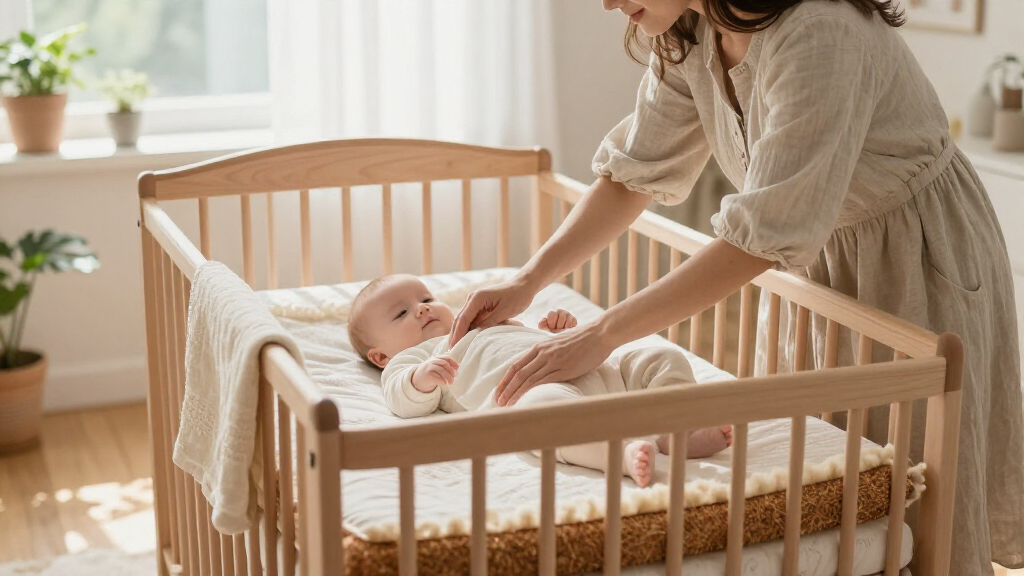
The reviewer reports personally testing every mattress with her daughter to evaluate firmness, crib fit, and breathability. The Good Trade discloses that it earns a commission on some purchases made through its links, and that its editors endorse products they have researched and tested.
Why Parents Are Paying Attention
The review reflects growing parental concern about the materials babies sleep on. Infants sleep 12 to 16 hours a day during their first year, a period the review describes as critical for neurological, immune, and physical development. Conventional crib mattresses are typically made with or topped with polyurethane foam, a petroleum-derived material known for off-gassing volatile organic compounds (VOCs), which the American Lung Association says can be harmful in high amounts.
The review also points to vinyl mattress linings, which can emit phthalates — chemicals linked in research to endocrine disruption — and to synthetic flame retardants such as boric acid, PBDEs, and antimony trioxide used to meet government flammability standards. The National Institute of Environmental Health Sciences notes that children are especially vulnerable to potential toxic effects of these chemicals because their bodies and detoxification systems are still developing.
How the Reviewers Tested
The Good Trade’s review is written by an editor described as a new mother who, after years of fertility treatments, prioritized finding the safest possible crib mattress for her daughter. She reports drawing on conversations with other parents and research across parenting forums, where she found similar concerns about nursery bedding materials.
The publication applied three main criteria: certified organic materials, verified through factory visits where possible; safety certifications from independent third parties; and hands-on evaluation of firmness and breathability. The review also cautions readers that no mattress can be considered completely “nontoxic,” noting the term is difficult to guarantee — the listed products are instead described as made with lower-emission, more consciously sourced materials.
“Infants spend a significant amount of time sleeping during an important period of neurological, immune, and physical development, which is one reason many parents choose to be more intentional about the materials used in nursery products.”
— Dr. Jaclyn Tolentino, board-certified family physician
What the Review Leaves Open
Several points remain unverified. The review’s rankings reflect one household’s hands-on testing rather than a controlled or comparative study, and The Good Trade earns commissions on some linked products, which it discloses. The health effects of low-level chemical exposure from crib mattresses are described by the review itself as an area where research continues to evolve; the cited physicians use hedged language such as “may help support” rather than definitive claims.
The review also does not publish standardized scores for firmness or breathability, and it notes its “nontoxic” label is a shorthand for lower-emission materials rather than a guarantee. Prices, availability, and current certification status of each model were not included in the source material and should be confirmed with manufacturers before purchase.
For Parents Considering a Purchase
Parents comparing options can review the full methodology and certification details on The Good Trade’s site before buying. The publication says the list is regularly updated with new or emerging mattress options, so rankings may shift during 2026. Shoppers are advised to verify current third-party certifications — GOTS, GOLS, and USDA Organic — directly with brands, and to confirm any mattress meets current federal flammability and crib-fit standards. Independent safety guidance from pediatric bodies remains the reference point for safe sleep practices, including placing babies on firm, flat sleep surfaces.
Key Questions
Which organic crib mattress did The Good Trade rank first for 2026?
Avocado was named the top pick overall. Other category winners included My Green Mattress, Newton, Naturpedic, KATU, and Love To Dream.
What certifications did the reviewed mattresses carry?
According to the review, each mattress features third-party certifications including GOLS, GOTS, and USDA Certified Organic, and none contains toxic flame retardants.
Are organic crib mattresses completely nontoxic?
No. The review explicitly cautions that no mattress can be considered completely “nontoxic,” and uses the term to mean lower-emission, more consciously sourced materials.
Why do conventional crib mattresses raise concerns?
The review cites polyurethane foam off-gassing VOCs, vinyl linings that can emit phthalates, and synthetic flame retardants — all of which infants may be more sensitive to because their detoxification systems are still developing.
How were the mattresses tested?
The reviewer states she personally tested each mattress with her 10-month-old daughter, assessing firmness, crib fit, and breathability, and that editors visited many factories to verify material claims.
Source: rss
Fall Picks
fall essentials
As an affiliate, we earn on qualifying purchases.