
A mattress topper can help by adding softness, relieving pressure points, and improving sleep quality, especially if you choose the right firmness and thickness. However, it can make things worse if it’s too thick, causes misalignment, or traps heat, leading to discomfort or disrupted sleep. Proper care and selection are key to avoiding issues. Keep exploring to learn how to maximize benefits and steer clear of common pitfalls.

Turn your quiet moments into listening time
- Thousands of audiobooks, podcasts and originals
- Listen on your phone, tablet or Echo — also offline
- Cancel anytime
Key Takeaways
- A topper enhances comfort and pressure relief when chosen with appropriate firmness and thickness for your sleep needs.
- It can worsen sleep issues if it’s too thick, causes misalignment, or doesn’t match the mattress’s support level.
- Memory foam toppers improve contouring and support but may trap heat and cause discomfort if not well-ventilated.
- Proper maintenance and regular cleaning prevent allergen buildup and extend the topper’s lifespan.
- Using a topper on an uneven or unsupportive mattress can highlight problems rather than improve sleep quality.
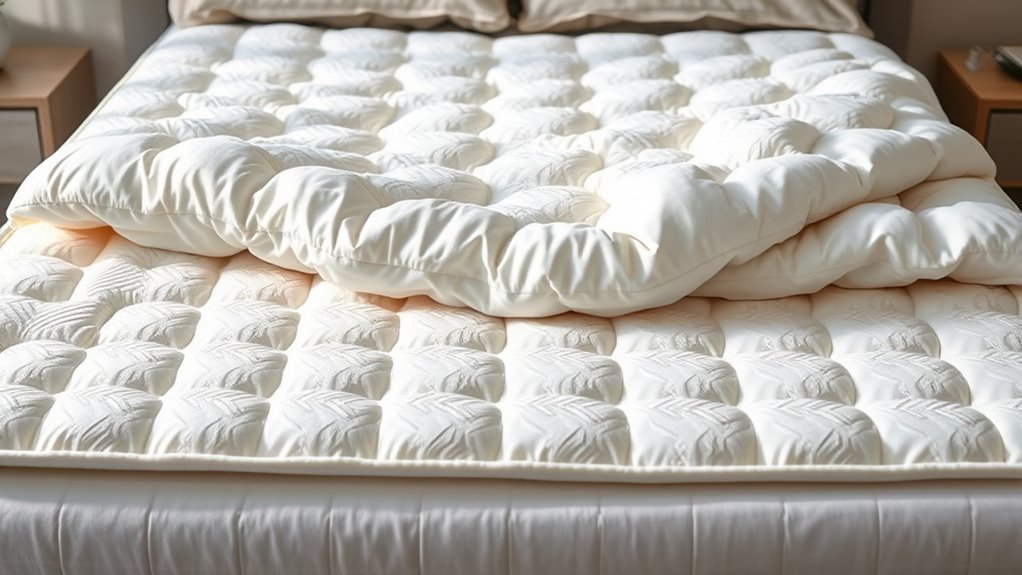
A mattress topper can transform your sleep experience, but it’s not always the perfect solution. When it works, it adds an extra layer of comfort, helps relieve pressure points, and can even extend the life of your mattress. However, if you choose the wrong type or use it improperly, it might do more harm than good. One popular type of topper is made with memory foam, which molds to your body’s shape, offering tailored support. Memory foam toppers are often infused with gel infusions, designed to help regulate temperature and prevent overheating during the night. These gel-infused memory foam toppers can be a game-changer if you tend to sleep hot, as they help dissipate heat and improve airflow. They contour well to your body, providing relief for pressure-sensitive areas like hips and shoulders, making them ideal for side sleepers or people with joint pain.
However, these gel-infused memory foam toppers aren’t perfect for everyone. If you prefer a firmer or more responsive surface, the soft, sinking feel of memory foam might feel too restrictive or cause you to feel stuck in your bed. Some people also find that memory foam retains heat more than other materials, which can lead to discomfort and disrupted sleep if the gel infusions don’t sufficiently cool the surface. Additionally, if your mattress isn’t very supportive or has uneven wear, adding a toppers made of memory foam can sometimes accentuate those issues, resulting in a less stable sleeping surface. Passive voice detection can help identify sentences where the focus is on the action rather than the doer, making your writing clearer and more direct.
Choosing the right topper is vital. If you’re prone to allergies, be aware that some memory foam toppers, especially those with gel infusions, can trap dust mites or allergens if not properly maintained. Regular cleaning and airing out your topper can help, but it’s a consideration worth noting. Also, keep in mind that an overly thick topper can alter the feel of your mattress too much, making it feel uneven or causing misalignment for your spine. If you’re unsure, start with a thinner topper and see how it impacts your sleep.
Frequently Asked Questions
How Do I Choose the Right Thickness for My Mattress Topper?
To choose the right thickness for your mattress topper, consider your firmness preferences and temperature regulation needs. If you prefer a softer feel, opt for a thicker topper, typically 3-4 inches. For better temperature control, thinner options around 1-2 inches work well. Thicker toppers add plushness, while thinner ones enhance cooling. Match the thickness to your comfort style and sleep environment for ideal support and temperature regulation.
Can a Mattress Topper Help With Allergies or Asthma?
Did you know over 50 million Americans suffer from allergies or asthma? A mattress topper can help by providing dust mite prevention and using allergy-friendly fabrics, reducing triggers. Look for hypoallergenic materials, like bamboo or tightly woven covers, to create a barrier against allergens. While a topper isn’t a cure, it can considerably improve your sleep quality by minimizing exposure to common irritants.
Are There Specific Materials Better for Side Sleepers?
For side sleepers, memory foam and latex mattress toppers are ideal because they offer excellent material compatibility and contour to your body’s curves, reducing pressure points. These materials support your sleeper preferences for softness and cushioning. Avoid firm or overly dense toppers, as they can cause discomfort. Choose a topper that aligns with your comfort needs, ensuring it provides enough softness without sacrificing support, so you wake up refreshed.
How Often Should I Replace or Update My Mattress Topper?
You should replace your mattress topper every 1 to 3 years, especially if durability concerns arise or it starts to lose its comfort. Regular cleaning helps prolong its life, so follow cleaning tips like washing according to the manufacturer’s instructions. If you notice sagging, stains, or persistent odors, it’s a sign it’s time for a new topper. Staying attentive ensures you get the best sleep and maintains your bedding’s freshness.
Is a Mattress Topper Suitable for Back Pain Relief?
A mattress topper can help with back pain relief, especially if it features memory foam or cooling gel. Memory foam contours your body, providing support where you need it most, while cooling gel helps regulate temperature, reducing discomfort. If your current mattress isn’t offering enough support or causes pressure points, adding a topper can make a significant difference. Just verify it’s the right firmness for your back to avoid worsening pain.
Conclusion
A mattress topper can transform your sleep by adding comfort or support, but only if you select wisely. Don’t assume all toppers are the same—your body needs tailored relief, not a one-size-fits-all solution. If you struggle with pressure points or discomfort, a topper might be just what you need. However, if your mattress is already in good shape, adding one could make things worse. Evaluate your needs carefully to guarantee better sleep, not worse.
Fall Picks
fall essentials
As an affiliate, we earn on qualifying purchases.