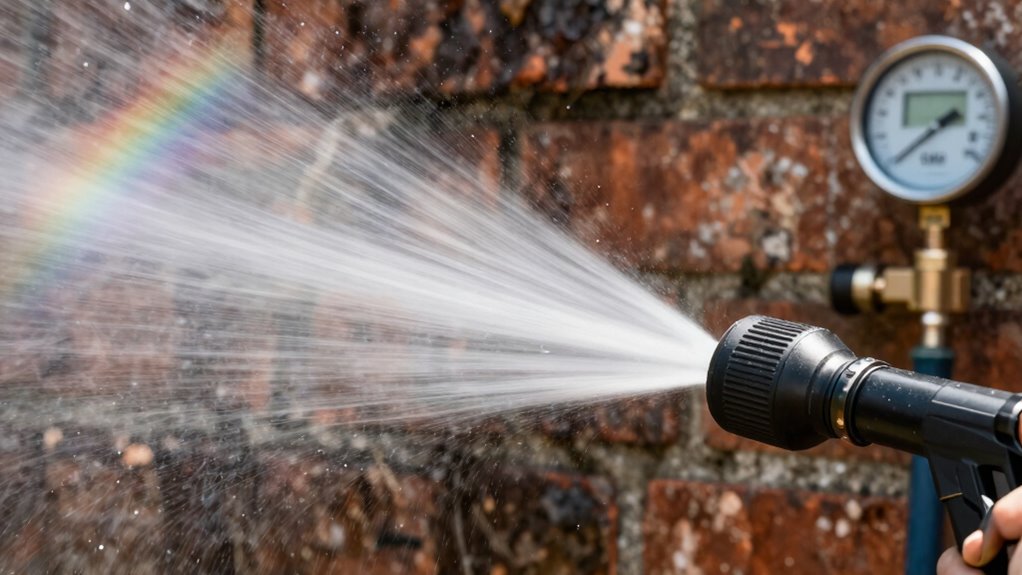

PSI measures the water pressure, which helps break down stubborn dirt, while GPM indicates how much water flows per minute, affecting cleaning speed. A higher PSI is great for tough stains or surfaces like concrete, but too much can damage delicate materials. GPM lets you cover large areas faster. Balancing both guarantees effective cleaning without surface damage. To discover how to choose the right combination for your tasks, keep exploring these details further.

Turn your quiet moments into listening time
- Thousands of audiobooks, podcasts and originals
- Listen on your phone, tablet or Echo — also offline
- Cancel anytime
Key Takeaways
- PSI measures water force, essential for removing stubborn dirt, while GPM indicates water volume, affecting cleaning speed.
- Higher PSI is effective for tough cleaning, but excessive pressure can damage delicate surfaces.
- Higher GPM allows faster coverage of large areas by increasing water flow.
- Balancing PSI and GPM ensures effective cleaning without surface damage.
- Selecting equipment depends on cleaning needs—higher PSI for stubborn grime, higher GPM for efficiency.
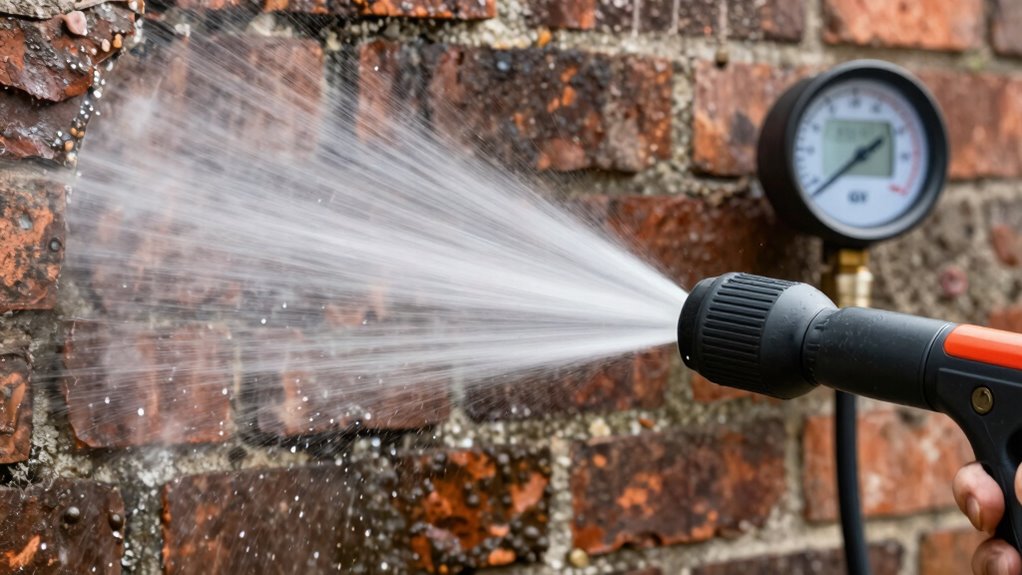
When choosing a pressure washer, understanding the difference between PSI (pounds per square inch) and GPM (gallons per minute) is essential, because both ratings directly impact cleaning performance. PSI measures the force of the water stream, which is critical for breaking down dirt and grime, especially on tough surfaces. GPM indicates how much water flows through the system each minute, influencing how quickly and efficiently you can cover large areas. Together, these ratings determine how well your pressure washer will perform for different tasks.
Understanding PSI and GPM helps you choose the right pressure washer for effective cleaning and surface protection.
If you’re focused on surface preparation, such as removing stubborn dirt, paint, or mold, a higher PSI is usually more effective. A strong, concentrated water jet can dislodge debris from rough surfaces like concrete or brick. However, don’t overlook GPM—if your GPM is low, even a high PSI might not deliver the desired results because the water flow isn’t sufficient to rinse away debris effectively. For example, a high PSI with low GPM might clean a small area thoroughly but will take longer to cover larger surfaces, reducing overall water flow efficiency.
Conversely, if you’re cleaning large areas like driveways, decks, or siding, a higher GPM can be more advantageous. More water flowing through the system means you can cover surfaces faster, which enhances water flow efficiency. Even if the PSI is moderate, the volume of water helps wash away dirt and grime more quickly, making the task less time-consuming. A balance between PSI and GPM will give you the best results; too high PSI can damage delicate surfaces, while too low GPM may lead to inefficient cleaning. Additionally, understanding the pressure ratings can help prevent surface damage and ensure effective cleaning. Recognizing the impact of water volume is also crucial for optimizing your cleaning strategy.
In terms of surface preparation, the right combination of PSI and GPM ensures you don’t just move dirt around but actually remove it. For delicate surfaces such as painted wood or soft siding, lower PSI with an adequate GPM is advisable to prevent damage. On the other hand, heavy-duty cleaning tasks require higher PSI and GPM to deliver the necessary force and volume. Recognizing the importance of pressure washer ratings and how they interact can help you choose the correct pressure washer setting or attachment, ensuring your cleaning is effective without causing harm to surfaces. Additionally, understanding water flow dynamics can help optimize your cleaning strategy for different surfaces.
Ultimately, the key is evaluating your specific cleaning needs. Whether you prioritize surface preparation or water flow efficiency, selecting a pressure washer with the right balance of PSI and GPM guarantees you get the most out of your equipment, making your cleaning tasks easier, faster, and more thorough. Understanding the interplay of PSI and GPM helps you make more informed decisions when selecting the right equipment for your needs.
pressure washer with adjustable PSI and GPM
As an affiliate, we earn on qualifying purchases.
As an affiliate, we earn on qualifying purchases.
Frequently Asked Questions
How Does Temperature Affect Pressure Washer Performance?
Temperature effects can impact your pressure washer’s performance considerably. When the temperature drops, the water becomes denser, potentially reducing flow and pressure. Cold weather may cause the engine to struggle, leading to lower PSI and GPM. Conversely, higher temperatures can improve performance by preventing freezing and ensuring smoother operation. To maintain ideal performance, you should consider temperature effects and use appropriate protective measures in extreme weather conditions.
Can I Use a Pressure Washer for Delicate Surfaces?
You can absolutely use a pressure washer on delicate surfaces, but beware—the wrong settings can turn your cleaning into a disaster. To avoid damage, consider surface sensitivity and adjust the PSI accordingly. Use a wide spray nozzle and gentle cleaning techniques, keeping the wand at a safe distance. This way, you’ll clean effectively without harming your surfaces, turning your pressure washer into a gentle cleaning powerhouse rather than a destructive force.
What Safety Gear Should I Wear When Using a Pressure Washer?
When using a pressure washer, you should wear protective eyewear to shield your eyes from debris and splashes. Non-slip footwear is essential to prevent slips on wet surfaces and guarantee stability. Additionally, consider wearing gloves and long sleeves to protect your skin. Always read the manufacturer’s safety instructions, keep a safe distance from the nozzle, and never point the spray at yourself or others to stay safe during use.
How Often Should I Service My Pressure Washer?
You should service your pressure washer every 50 hours of use or at least once a year, whichever comes first. Follow a regular maintenance schedule that includes checking and replacing oil, inspecting hoses, and cleaning filters. For troubleshooting tips, look out for leaks, loss of pressure, or strange noises, and address these issues promptly to keep your equipment running smoothly. Regular servicing prolongs your pressure washer’s lifespan and guarantees safe operation.
Are Higher PSI and GPM Always Better?
Higher PSI and GPM aren’t always better because the right pressure ratings depend on your cleaning tasks. If you use too much pressure, you risk damaging surfaces, while too little might not clean effectively. Water flow (GPM) impacts how quickly dirt is removed. You need a balance: select a pressure washer with suitable PSI and GPM for your specific jobs to prevent damage and guarantee efficient cleaning.
As an affiliate, we earn on qualifying purchases.
Conclusion
Understanding the difference between PSI and GPM helps you choose the right pressure washer for your needs. Higher PSI delivers more cleaning power, while GPM determines how quickly it cleans. When selecting your equipment, ask yourself: is it more important to blast away stubborn grime or finish your job faster? Knowing these details guarantees you make an informed decision, so you get the best results. After all, isn’t efficiency the key to a spotless, hassle-free cleaning experience?
delicate surface pressure washer
As an affiliate, we earn on qualifying purchases.
As an affiliate, we earn on qualifying purchases.
high GPM electric pressure washer
As an affiliate, we earn on qualifying purchases.
As an affiliate, we earn on qualifying purchases.
Halloween Picks
halloween
As an affiliate, we earn on qualifying purchases.

![10 Things To Do For This Saturday in L.A. [7-4-2026]](https://oboval.com/wp-content/uploads/2026/07/10-things-to-do-for-this-saturday-in-l-a-7-4-2026-featured-560x300.jpg)