Balancing thermal comfort with energy efficiency means you can enjoy a comfortable indoor environment while minimizing energy use. You can achieve this by controlling temperature, humidity, and airflow through smart systems and improved insulation. Using natural ventilation and energy-efficient materials helps reduce energy bills without sacrificing comfort. Implementing advanced technology like smart thermostats and sensors fine-tunes ambient conditions. To discover practical strategies that help you optimize both comfort and sustainability, explore further insights below.

Turn your quiet moments into listening time
- Thousands of audiobooks, podcasts and originals
- Listen on your phone, tablet or Echo — also offline
- Cancel anytime
Key Takeaways
- Achieving thermal comfort often requires energy-intensive heating and cooling, which can conflict with energy efficiency goals.
- Proper insulation and natural ventilation help balance indoor comfort with reduced energy consumption.
- Smart control systems optimize temperature settings, enhancing comfort while minimizing energy use.
- Material choices like high thermal mass and reflective surfaces improve comfort and reduce energy needs.
- Designing buildings with orientation, shading, and adaptive technologies can simultaneously enhance thermal comfort and energy efficiency.
Products Worth Considering

TCL 85-Inch QM6K Series QLED Mini LED 4K HDR Smart Google TV

Dyson Ball Animal 3 Corded Upright Vacuum

Coway Airmega 250 Air Purifier for Large Rooms
As an affiliate, we earn on qualifying purchases.
The Fundamentals of Thermal Comfort

What exactly defines thermal comfort, and why is it so important? Thermal comfort refers to how satisfied you feel with the indoor environment’s temperature, humidity, and airflow. It’s a subjective experience, but certain factors influence it—such as clothing, activity level, and personal preferences. Achieving thermal comfort isn’t just about feeling good; it impacts your productivity, health, and overall well-being. When the environment is too hot or cold, your body struggles to maintain its core temperature, leading to discomfort and distraction. Proper control of indoor temperature and humidity creates a stable, comfortable space. This balance is essential because it directly affects your ability to focus and perform daily tasks while reducing stress on the body. Additionally, understanding Free Floating concepts can help optimize environmental conditions for enhanced comfort and efficiency. Implementing effective environmental controls can further promote a consistent and comfortable indoor climate, which is crucial for maintaining thermal equilibrium over time. Recognizing the role of building insulation can also significantly influence the overall thermal environment and energy use.
Understanding Energy Consumption in Buildings
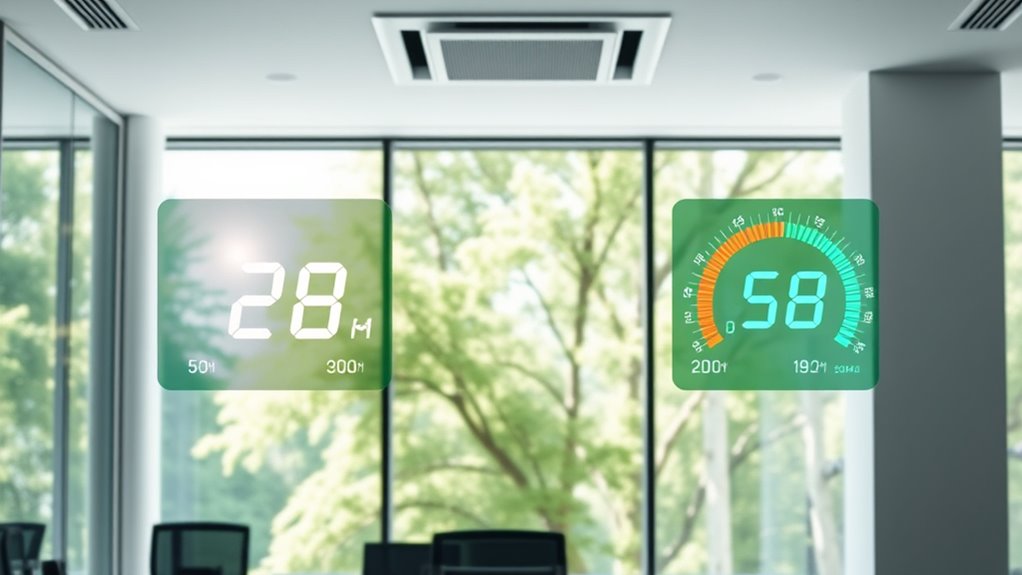
Maintaining thermal comfort requires energy, often accounting for a significant portion of a building’s total consumption. You use energy for heating, cooling, lighting, and appliances, which collectively drive up costs and environmental impact. To understand energy consumption, consider the key factors: building design, insulation, occupancy patterns, and equipment efficiency. Proper insulation reduces heating and cooling loads, while smart lighting minimizes electricity use. Additionally, understanding energy consumption patterns can help optimize system performance and reduce waste.
The Trade-Offs Between Comfort and Efficiency

Balancing insulation, temperature settings, and costs can make it tough to maximize both comfort and efficiency. When you increase insulation, energy use drops, but upfront expenses may rise. Finding the right temperature and budget often means making compromises between feeling comfortable and saving energy. Utilizing load‑planning tools can help identify the optimal balance for your home’s needs. Incorporating smart thermostats can further optimize temperature control and improve overall energy management. Additionally, understanding how best vacuums for dust removal can contribute to a healthier indoor environment complements efforts to enhance comfort and efficiency. Exploring Suprem fabric options for indoor furnishings can also promote both comfort and sustainability. Implementing automated climate systems can also seamlessly adjust settings to maintain comfort while minimizing energy consumption.
Insulation Impact on Efficiency
Insulation plays a crucial role in determining both indoor comfort and energy efficiency, but increasing insulation to improve thermal comfort can sometimes lead to higher energy costs. The benefit is reduced heat transfer, but over-insulation can cause issues like trapped moisture or difficulty in temperature regulation. Proper insulation and ventilation are essential to prevent issues such as mold growth or indoor air quality problems. The heat transfer rate directly influences how effectively a space maintains its temperature, highlighting the importance of appropriate insulation levels. When insulation is too thick or improperly installed, it can impinge on building envelope performance, leading to unintended energy losses or moisture problems. Additionally, understanding how insulation levels impact both comfort and energy use can help homeowners make more informed decisions to achieve optimal efficiency. Achieving the right balance between insulation and ventilation ensures that spaces stay comfortable without sacrificing energy savings. The key is finding a balance that minimizes energy consumption without sacrificing comfort. Consider this table:
| Insulation Level | Energy Savings | Potential Drawbacks |
|---|---|---|
| Low | Minimal | High energy costs |
| Moderate | Good | Slightly higher initial cost |
| High | Maximum | Risk of moisture buildup |
| Over-insulated | Diminishing returns | Ventilation challenges |
| Optimal | Balanced | Best overall efficiency |
Temperature Settings Balance
Adjusting your thermostat involves a careful trade-off between comfort and energy efficiency. Setting your thermostat too high or low can make your space uncomfortable or waste energy. For example, in winter, lowering the temperature by just a degree or two can reduce your energy use without sacrificing much comfort. Conversely, in summer, increasing the thermostat slightly can save significant energy while still feeling cool enough. Striking the right balance depends on your personal preferences, the building’s insulation, and your daily schedule. It’s about finding a temperature that keeps you comfortable without unnecessarily driving up energy consumption. Small adjustments can lead to noticeable savings over time, but always consider how your choices impact both your comfort and your energy bills. Biohacking techniques can also help optimize your environment for comfort and efficiency. Additionally, understanding energy management strategies can further improve your home’s overall efficiency and reduce costs, especially when combined with smart home technology. Incorporating thermal comfort principles can help you make more informed decisions about your temperature settings. Being aware of environmental factors such as humidity and airflow can further enhance your ability to maintain a comfortable yet energy-efficient space.
Cost vs. Comfort Trade-offs
Choosing between maximum comfort and energy efficiency often involves making tough decisions, as improving one can sometimes compromise the other. If you prioritize comfort by setting your thermostat higher or lower, your energy bills may rise. Conversely, aiming for lower costs by reducing heating or cooling can lead to less comfortable conditions. Upgrading to energy-efficient systems or adding insulation can ease this trade-off, but these investments cost upfront. You might also adopt smart controls or programmable thermostats to balance comfort and savings more effectively. Additionally, understanding thermal comfort can help you optimize your environment without excessive energy use. Recognizing these trade-offs helps you make informed choices, ensuring you enjoy a comfortable environment while managing energy expenses wisely. The integration of innovative European cloud servers can support smart home systems that optimize energy use based on real-time data, further balancing comfort and efficiency. Moreover, implementing energy monitoring tools can provide valuable insights into your consumption patterns, allowing for smarter adjustments. Incorporating AI-driven analytics into your smart home setup can enhance your ability to fine-tune settings for optimal comfort and energy savings.
Innovative Technologies Enhancing Indoor Climate Control

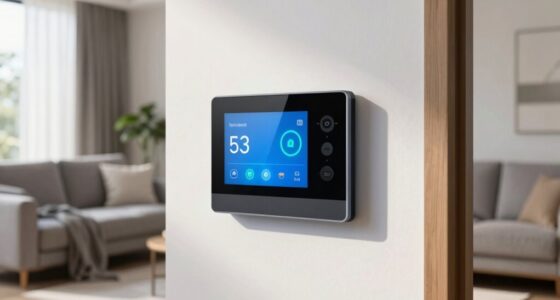
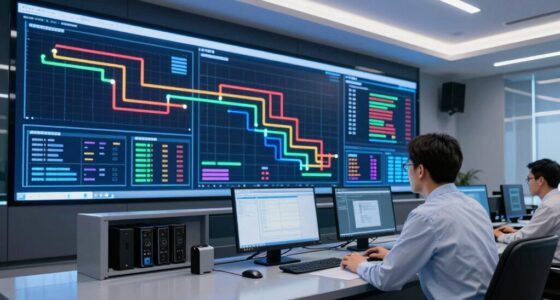
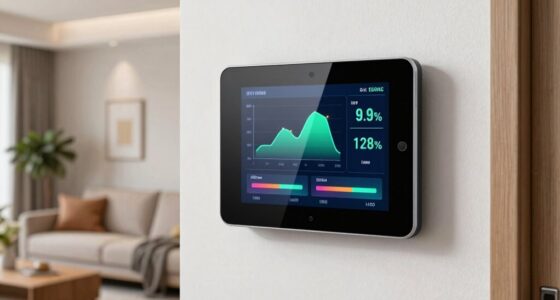
Innovative technologies are transforming indoor climate control by offering smarter, more efficient solutions. You can now leverage smart thermostats that learn your habits, adjusting temperatures automatically for ideal comfort and energy savings. Advanced sensors detect occupancy, humidity, and air quality, enabling systems to respond precisely to changing conditions. Radiant heating and cooling panels provide targeted temperature regulation without bulky ductwork, reducing energy waste. Ventilation systems equipped with heat recovery recover energy from exhaust air, lowering overall consumption. IoT-connected devices allow you to monitor and control indoor environments remotely, ensuring comfort while minimizing energy use. These innovations make it easier to create a balanced indoor climate, aligning comfort with efficiency and supporting sustainable building practices.
Strategies for Optimizing Both Comfort and Sustainability
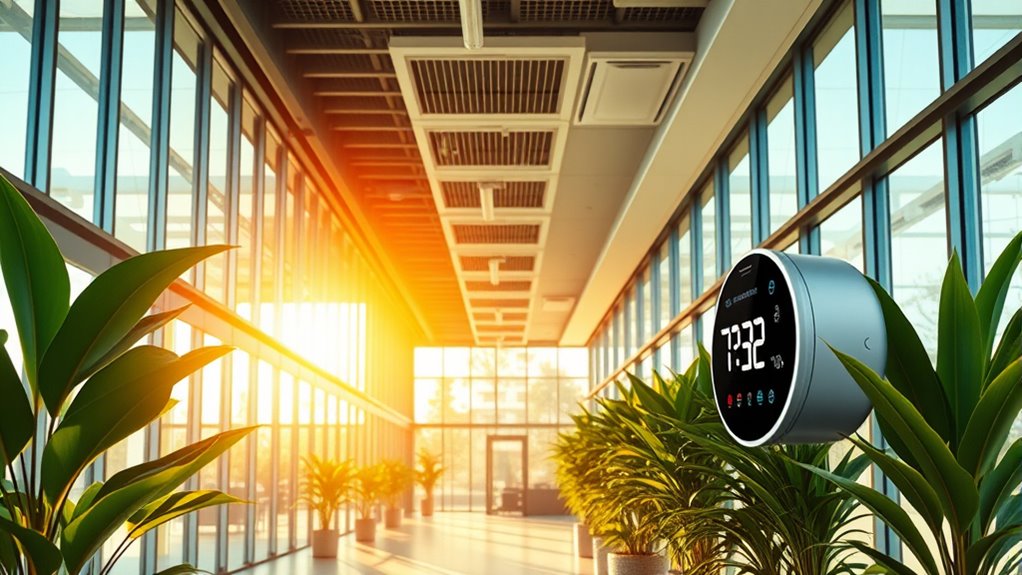
To effectively optimize both comfort and sustainability, you need to implement integrated strategies that balance energy use with occupant wellbeing. Start by conducting thorough energy audits to identify inefficiencies and areas for improvement. Use smart controls, such as programmable thermostats and occupancy sensors, to adjust heating and cooling based on actual occupancy and preferences. Incorporate passive design principles like proper insulation, natural ventilation, and shading to reduce reliance on active systems. Encourage behaviors that promote energy savings, such as setting ideal temperature ranges and minimizing unnecessary equipment use. Regular maintenance ensures systems operate efficiently, preventing energy waste. By combining technology, behavioral strategies, and maintenance, you can create a comfortable indoor environment that minimizes environmental impact.
The Role of Building Design and Materials

Building design and materials considerably influence both thermal comfort and energy efficiency by shaping how a space interacts with its environment. Well-designed buildings utilize orientation, window placement, and shading to maximize natural light and reduce heat gain or loss. Using insulating materials like high-performance walls, roofs, and floors helps maintain steady indoor temperatures, cutting down energy needs. You can also choose materials with high thermal mass, which absorb and release heat gradually, stabilizing indoor conditions. Properly designed layouts promote natural ventilation, reducing reliance on mechanical systems. Materials that reflect heat or insulate effectively ensure you stay comfortable without excessive energy consumption. By integrating smart design principles and quality materials, you create a space that’s both comfortable and energy-efficient, reducing your environmental footprint and lowering utility costs.
Smart Systems and Automation in Temperature Management

Smart systems automatically adjust your indoor temperature to optimize comfort and save energy. With adaptive learning algorithms, these systems understand your preferences and make real-time changes. Plus, remote control capabilities let you manage your environment from anywhere, giving you greater flexibility and control.
Automated Temperature Adjustments
Automated temperature adjustments have transformed how you manage indoor climates by using smart systems that respond dynamically to environmental changes. These systems constantly monitor factors like room temperature, humidity, and occupancy to optimize comfort. When you enter a room, sensors detect your presence and adjust the thermostat accordingly, ensuring a comfortable environment without manual input. Similarly, if outdoor weather shifts, automation adjusts indoor settings to maintain consistency and conserve energy. This seamless process reduces the need for constant manual control, minimizes energy waste, and enhances overall comfort. By intelligently managing heating and cooling, automated adjustments help strike a balance between thermal comfort and energy efficiency, making your indoor environment more responsive and sustainable.
Adaptive Learning Algorithms
Adaptive learning algorithms continuously analyze data from sensors and user preferences to optimize indoor temperature settings. They track patterns in your behavior, occupancy, and environmental conditions to make real-time adjustments. This dynamic process helps maintain comfort while reducing energy waste. As you go about your day, the system learns from your feedback and habits, gradually refining its performance. Unlike static controls, these algorithms adapt to changing conditions, ensuring the environment remains comfortable without unnecessary energy consumption. They also identify trends over time, allowing for smarter scheduling and more efficient use of heating and cooling systems. With adaptive learning, your system becomes more intuitive, providing a seamless balance between comfort and energy efficiency. This technology makes your indoor climate smarter, more responsive, and personalized.
Remote Control Capabilities
With remote control capabilities, managing your indoor climate has become more convenient and responsive than ever. You can adjust temperatures, set schedules, and monitor your system from anywhere, whether you’re at work or on vacation. This flexibility means you no longer need to be physically present to ensure comfort or save energy. Imagine effortlessly creating the perfect environment with just a tap on your smartphone. These smart systems adapt to your lifestyle, ensuring you wake up to a warm home or come back to a cool space. Feel confident knowing you’re optimizing energy use without sacrificing comfort.
- Experience peace of mind knowing your home is always just right.
- Feel empowered to control your environment from anywhere.
- Enjoy a seamless, personalized living experience that adapts to your routine.
Future Trends in Balancing Comfort and Energy Use

As technology advances, new strategies are emerging to better balance thermal comfort with energy efficiency. Smart sensors and AI-driven systems can now learn your preferences and adjust settings proactively, reducing waste. Building designs are incorporating adaptive materials that respond to environmental changes, optimizing comfort naturally. You’ll see more integration of renewable energy sources, like solar and geothermal, to power climate control systems sustainably.
| Trend | Benefit |
|---|---|
| AI-powered systems | Personalized comfort with minimal energy use |
| Adaptive materials | Dynamic response to external conditions |
| Renewable integrations | Lower carbon footprint |
| Data analytics | Informed adjustments for efficiency |
Frequently Asked Questions
How Do Cultural Preferences Influence Thermal Comfort Standards?
You might find that your cultural preferences shape your idea of comfortable indoor temperatures. In some cultures, warmer environments are preferred, while others favor cooler settings. These differences influence standards and practices in building design, HVAC settings, and even clothing choices. By understanding these cultural nuances, you can better tailor thermal comfort solutions that meet diverse needs, ensuring people feel comfortable and satisfied regardless of their background.
Can Personal Comfort Zones Impact Overall Energy Efficiency?
Yes, your personal comfort zones can impact overall energy efficiency. When you set your thermostat too high or low to match your preferences, it can lead to increased energy consumption. By adjusting your settings slightly within a comfortable range, you help reduce energy use. Small changes in your behavior, like wearing appropriate clothing or using fans, can also improve comfort without sacrificing efficiency, benefiting both your comfort and the environment.
What Role Does Climate Change Play in Future Building Design?
Climate change will notably influence your future building designs by demanding more adaptive and resilient structures. As temperatures rise and weather patterns shift, you’ll need to incorporate sustainable materials, advanced insulation, and smart systems to maintain comfort while reducing energy use. Embracing these changes now guarantees your buildings stay efficient and comfortable, regardless of future climate challenges. You can’t ignore this trend, as it’ll shape how you plan, construct, and operate spaces moving forward.
Are There Health Implications of Prioritizing Energy Savings Over Comfort?
Prioritizing energy savings over comfort can negatively impact your health. You might experience discomfort, stress, or even respiratory issues if indoor temperatures aren’t maintained properly. Poor thermal conditions can weaken your immune system and increase fatigue. While energy efficiency benefits the environment, you should balance it with maintaining a healthy, comfortable indoor environment to safeguard your well-being and ensure you stay productive and healthy in your space.
How Do Economic Factors Affect Investment in Advanced Climate Control Systems?
Money often acts like a guiding star, steering your choices in climate control investments. When budgets are tight, you might hesitate to fund advanced systems, seeing them as costly ships that threaten to sink. But, in the long run, these systems can be the lighthouse guiding you to better energy savings and comfort. Economic factors shape your decision, making you weigh short-term expenses against long-term benefits carefully.
Conclusion
So, next time you complain about the temperature, remember—balancing comfort and energy efficiency is like juggling flaming torches while riding a unicycle. Sure, you could crank up the AC or heater, but that’s so last century. Embrace smart tech, clever design, and a little patience. After all, who knew saving the planet could be as simple as adjusting your thermostat? Welcome to the future, where comfort and sustainability finally shake hands.