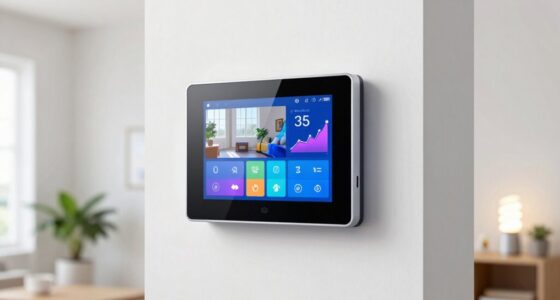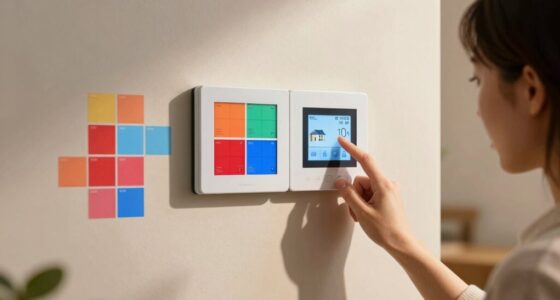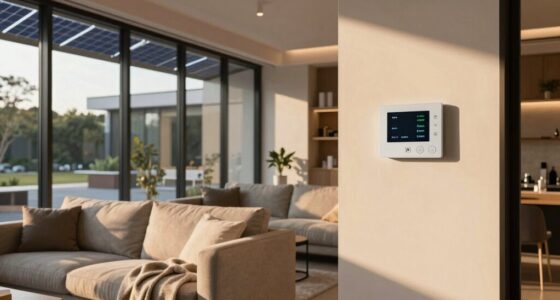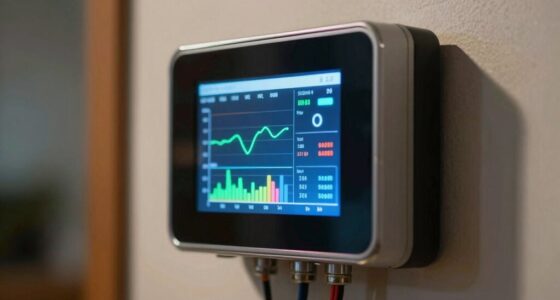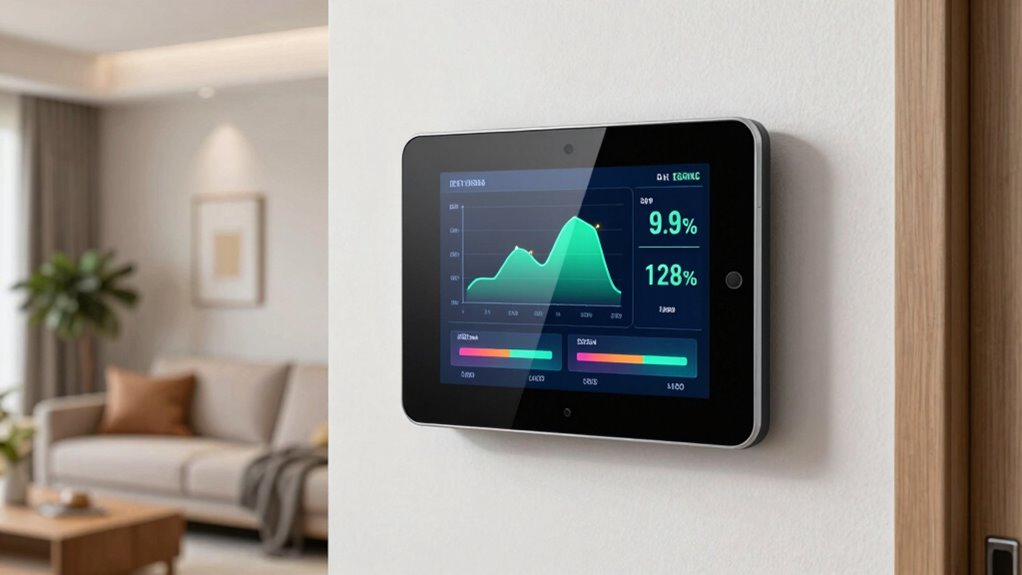

Home energy monitoring helps you track your electricity, gas, or water use in real time, so you can spot waste and savings opportunities. You can choose different types like whole-house systems or portable devices, which offer insights into individual appliances or circuits. These monitors display data through user-friendly apps or dashboards, helping you make smarter energy choices. Keep exploring to learn how to set up and maximize the benefits of these systems effectively.

Get books, candles and calm essentials delivered free — and shop member deals
- Fast, free delivery on millions of items
- Access to Prime Big Deal Days deals on October 6–7
- Prime Video, Amazon Music and more included
Key Takeaways
- Home energy monitoring tracks electricity, gas, or water usage in real time to identify wasteful or efficient appliances and activities.
- There are various types, including whole-house systems, portable devices, and clamp-on monitors, suited to different needs and setups.
- These systems collect data via sensors, process it, and provide insights through dashboards, charts, or alerts for energy optimization.
- Proper installation, device compatibility, and calibration are essential for accurate data, with some monitors offering remote monitoring features.
- Home energy monitoring helps reduce costs, lower environmental impact, and promotes smarter energy habits through detailed consumption insights.
As an affiliate, we earn on qualifying purchases.
What Is Home Energy Monitoring?
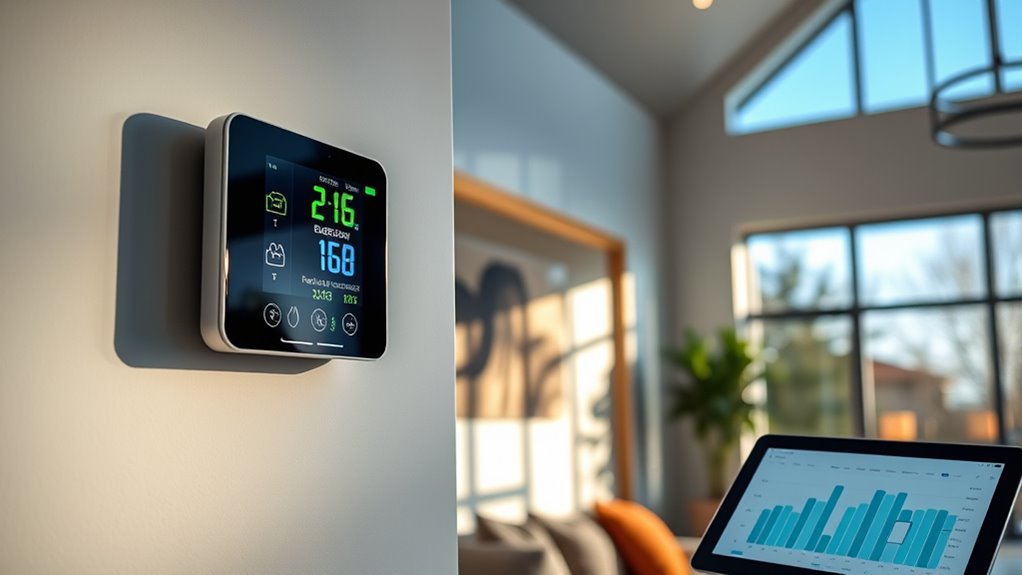
Have you ever wondered how much energy your home consumes and where it all goes? Home energy monitoring helps you find out. It’s a system that tracks your electricity, gas, or water usage in real time. By installing sensors and smart meters, you get detailed data about your consumption patterns. This insight allows you to see which appliances or activities waste energy and which ones save it. This detailed information can also help you identify measurement accuracy issues that might affect your data reliability. Instead of guessing, you gain clear visibility into your home’s energy habits. Understanding your energy use can motivate smarter decisions and habits. Home energy monitoring isn’t just about saving money; it also promotes a more sustainable lifestyle. You can set goals, identify inefficiencies, and make smarter choices. Overall, it puts you in control of your energy use, empowering you to reduce waste and lower bills. Recognizing energy consumption patterns helps you prioritize improvements that have the most impact. Additionally, energy efficiency is a key component in reducing overall utility costs and environmental impact. Implementing these systems can also encourage the adoption of renewable energy sources, further enhancing sustainability efforts.
whole house energy monitoring system
As an affiliate, we earn on qualifying purchases.
As an affiliate, we earn on qualifying purchases.
How Do Energy Monitoring Systems Work?
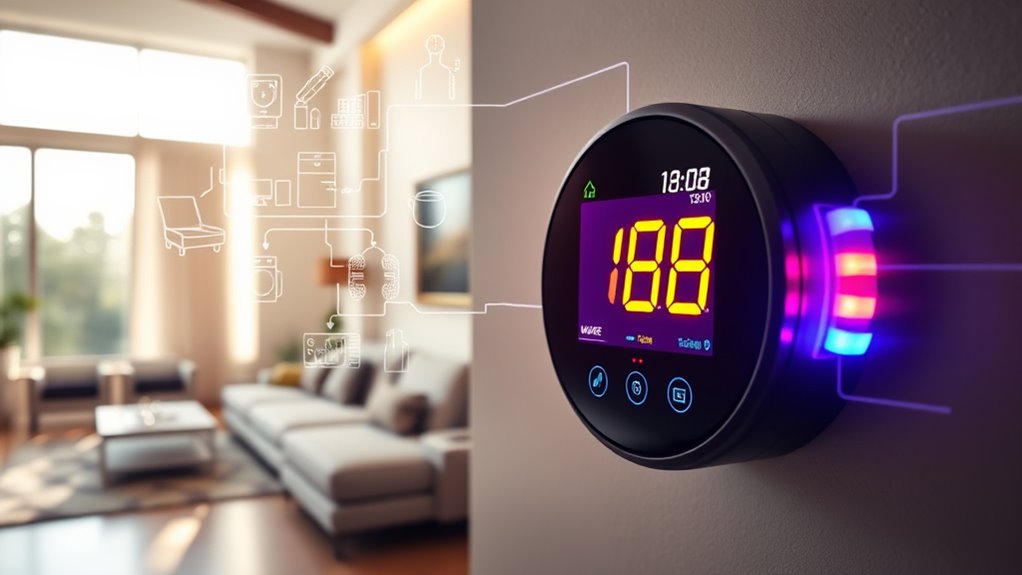
Energy monitoring systems use sensors to collect real-time data on your energy use. This data is then analyzed through various methods to identify patterns and pinpoint areas for savings. Understanding these processes helps you take control of your home’s energy efficiency. Additionally, smart appliances can communicate with monitoring systems to optimize performance and reduce waste. This integration often relies on wireless communication protocols, ensuring seamless data exchange within your smart home ecosystem. Recognizing load calculations and other key concepts can further enhance your energy management strategies.
Sensor Data Collection
Sensor data collection is the core process that enables energy monitoring systems to track your household’s power usage accurately. It involves sensors placed on your electrical circuits or appliances, capturing real-time data on energy consumption. These sensors convert electrical signals into digital information that your system can interpret. The data then flows to a central hub or gateway, which consolidates and transmits it to a cloud platform or local device for analysis. This continuous process guarantees you get precise insights into your energy habits. Advances in sensor technology have improved the accuracy and reliability of data collection. Understanding energy efficiency principles can help you better interpret this data and optimize your electricity use. Additionally, ongoing innovations in sensor calibration ensure even greater precision in energy measurement. Moreover, improved data transmission protocols have enhanced the speed and security of data transfer between sensors and processing units.
Data Analysis Methods
Once sensor data starts flowing into your monitoring system, it needs to be interpreted effectively to provide meaningful insights. You’ll use data analysis methods like real-time processing, trend identification, and anomaly detection to understand your energy use. These techniques help you spot patterns, such as peak usage times or wasted energy, enabling you to make informed decisions. Many systems incorporate algorithms that automatically analyze data and generate reports, simplifying your task. Visualization tools like charts and dashboards make it easier to grasp complex information at a glance. Data interpretation techniques are crucial for converting raw data into useful information, ensuring you can act on the insights gained. Free floating data can be challenging to interpret without proper analysis techniques, so applying these methods is crucial. Additionally, data integration allows for combining data from multiple sources, enhancing your overall understanding. Recognizing field‑of‑view limitations and benefits can help you better contextualize your data and improve your analysis accuracy. By applying these methods, you can optimize your energy consumption, reduce costs, and improve overall efficiency. Effective data analysis turns raw numbers into actionable insights, empowering you to take control of your home’s energy use. Smart home integration can further enhance your ability to manage and automate energy-saving routines seamlessly.
As an affiliate, we earn on qualifying purchases.
Types of Home Energy Monitors

There are several types of home energy monitors you can choose from, each with its own advantages. Clamp-on monitors are easy to install around your existing wiring, while whole-house systems provide detailed insights into your entire home. Portable devices let you track energy use on the go, giving you flexibility and convenience. Practical knowledge about different monitor types can help you select the best option for your needs, especially when understanding how simple systems can improve your home energy efficiency. Additionally, understanding the privacy implications of various monitoring options can help you make informed decisions about data sharing and security, which is essential for maintaining your household’s data security and network safety. Recognizing the importance of energy management technology can further enhance your ability to optimize energy consumption and reduce costs.
Clamp-On Monitors
Have you ever wondered how you can monitor your energy use without installing complicated wiring? Clamp-on monitors are a simple solution. You just clip the device around a single wire in your electrical panel or at an outlet, and it measures the current flowing through that wire. These monitors don’t require any electrical connections or wiring modifications, making installation quick and easy. They work by sensing the magnetic field around the conductor, providing real-time data on energy consumption for specific circuits or appliances. Clamp-on monitors are especially useful for tracking individual devices or circuits without disrupting your home’s wiring. They’re portable, flexible, and ideal for homeowners who want insight into their energy use without the hassle of complex setup.
Whole-House Systems
Whole-house systems are all-encompassing energy monitors that track your entire home’s electricity usage in real time. They typically require installation at your main electrical panel, where they connect directly to the main power lines. These systems provide detailed data on overall consumption, helping you identify high-energy appliances and usage patterns. Some models offer advanced features like remote monitoring via smartphone apps or cloud platforms, giving you access anytime, anywhere. Because they measure total household energy, they’re ideal for gaining a holistic view of your home’s efficiency. While installation can be more involved than portable monitors, the insights gained can considerably influence your energy-saving decisions. Whole-house systems give you a clear, big-picture understanding of your home’s electrical habits, empowering you to make smarter choices.
Portable Devices
What are the most common types of portable home energy monitors you can use to track your electricity consumption? The simplest option is a plug-in energy monitor that plugs directly into an outlet and measures the power used by individual devices. These are easy to use and provide real-time feedback on how much each appliance consumes. Another popular choice is handheld power meters, which you can temporarily connect between a device and an outlet to get detailed readings. Some models come with wireless features, allowing you to track energy use via an app on your phone. Portable monitors are ideal for pinpointing high-energy appliances and understanding your consumption patterns without installing permanent systems. They offer flexibility and instant insights, helping you make smarter energy choices.
As an affiliate, we earn on qualifying purchases.
Key Features to Look For
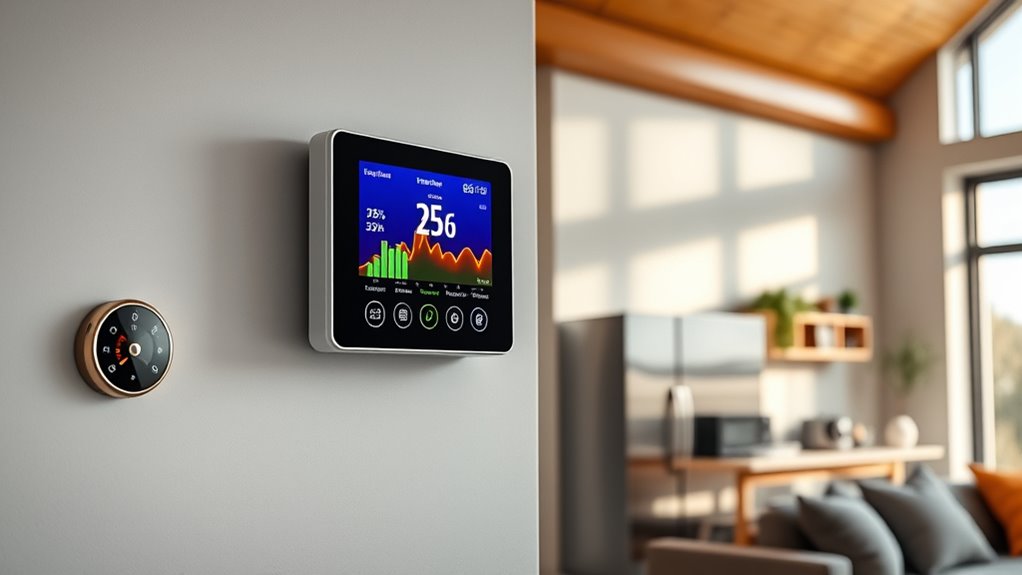
When choosing a home energy monitor, it’s essential to focus on features that provide clear and actionable insights. Look for real-time data display, so you can see energy use as it happens. A user-friendly interface, like a mobile app or web portal, makes tracking and understanding your consumption easier. Compatibility with your existing electrical system and smart home devices ensures seamless integration. Consider whether the monitor offers detailed breakdowns by appliances or circuits, helping you identify high-energy consumers. Alerts for unusual activity or high usage can prompt quick action to save energy. Additionally, look for features like historical data analysis, customizable reports, and easy installation options. These features empower you to make informed decisions and optimize your home’s energy efficiency effectively.
Setting Up a Home Energy Monitoring System
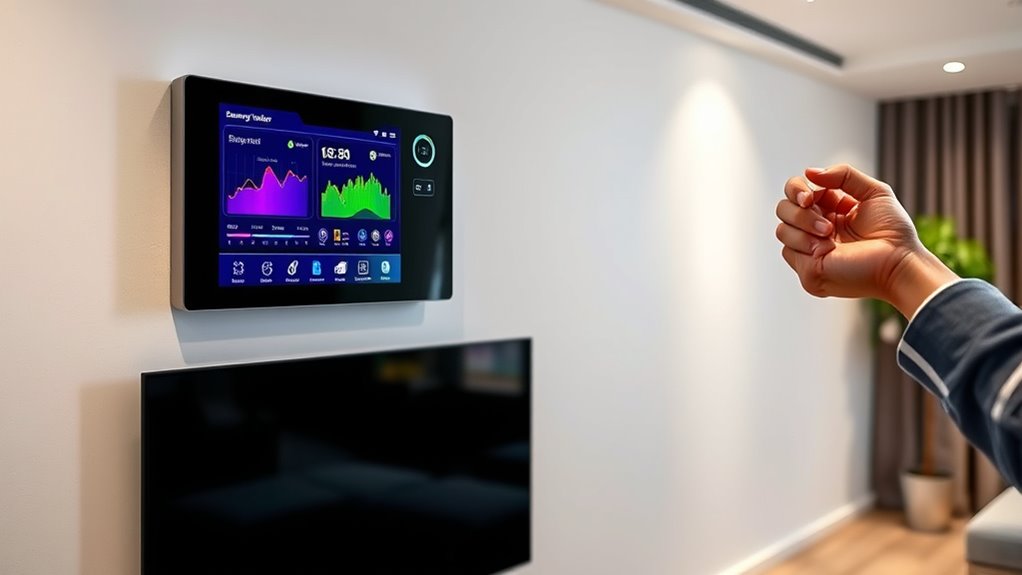
Setting up a home energy monitoring system involves careful planning and straightforward installation steps to guarantee accurate data collection. First, choose compatible devices, such as smart meters or plug-in monitors, that suit your home’s wiring and appliances. Next, turn off power to avoid any electrical hazards during installation. Install the sensors or meters according to the manufacturer’s instructions, typically by clipping sensors onto wires or plugging monitors into outlets. Connect the devices to your Wi-Fi network, ensuring a stable connection for real-time data. Download and set up the associated app or software, creating an account if needed. Finally, label your devices clearly to track energy use accurately. Once installed, power everything back on and verify that data appears correctly on your monitoring platform.
Benefits of Using Energy Monitors
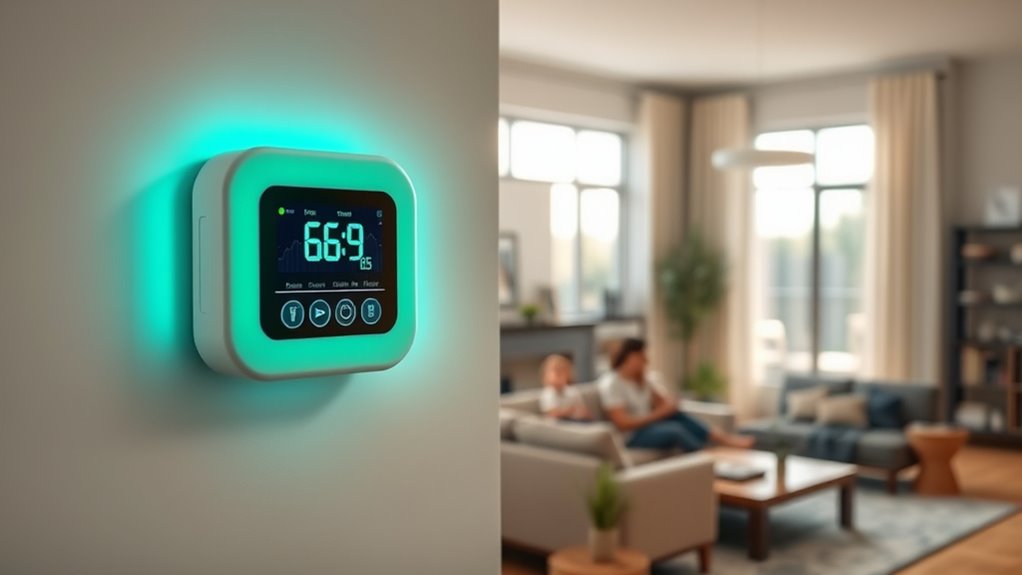
Using energy monitors offers numerous advantages that can help you save money and reduce your environmental impact. They give you real-time insights into your energy use, allowing you to identify wasteful habits and make smarter choices. By tracking which appliances consume the most power, you can optimize usage and lower bills. Additionally, energy monitors promote awareness, encouraging long-term behavioral changes that benefit the environment.
| Benefit | Impact |
|---|---|
| Cost savings | Lower monthly utility bills |
| Increased awareness | Better understanding of energy habits |
| Environmental contribution | Reduced carbon footprint |
| Behavioral change | More mindful energy consumption |
Common Challenges and How to Overcome Them
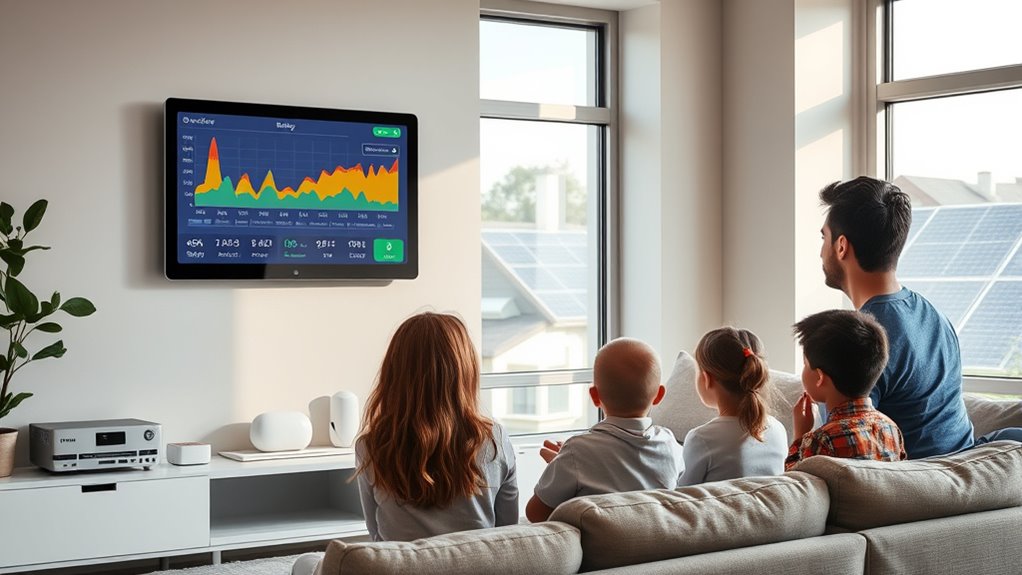
Despite their many benefits, energy monitors can present some challenges that may hinder their effectiveness. One common issue is data overload, where too much information can be confusing. To overcome this, focus on key metrics that matter most to your goals. Another challenge is installation difficulty, especially with complex wiring. If you’re unsure, consider professional help or choosing wireless monitors that are easier to set up. Additionally, some monitors may have compatibility issues with your existing appliances or smart home system. Research compatible options beforehand. Finally, inaccurate readings can occur due to faulty sensors or placement. To minimize errors, follow the manufacturer’s instructions carefully and position sensors in suitable locations. Addressing these challenges ensures you get reliable insights to improve your energy use.
Tips for Maximizing Energy Savings

To maximize your energy savings, start by identifying and focusing on the most energy-consuming appliances and habits. Use your energy monitor to track which devices draw the most power and adjust usage accordingly. Unplug devices when not in use, and schedule high-energy tasks during off-peak hours. Consider upgrading to energy-efficient appliances for long-term savings. Regular maintenance, like cleaning filters and sealing leaks, also helps reduce waste. Here’s a quick reference:
| Appliance | Average Daily Usage | Energy Saving Tip |
|---|---|---|
| Refrigerator | 24 hours | Keep coils clean, set correct temp |
| HVAC System | 8-10 hours | Regular filters, programmable thermostat |
| Lighting | 2-4 hours | Switch to LED bulbs |
| Washer/Dryer | 1-2 loads | Use cold water, full loads |
Applying these tips helps you cut costs and boost efficiency.
Future Trends in Home Energy Monitoring

As technology advances, home energy monitoring systems are becoming more sophisticated and integrated into daily living. Expect smarter devices that communicate seamlessly with your home’s ecosystem, providing real-time insights and personalized recommendations. Artificial intelligence will play a bigger role, helping predict energy usage patterns and suggest ways to optimize efficiency automatically. Wireless sensors and IoT connectivity will make monitoring easier and more all-encompassing, even across multiple devices and appliances. Additionally, integration with renewable energy sources like solar panels will allow you to track energy production and consumption holistically. Voice control and mobile apps will offer instant access and control, empowering you to make smarter decisions on energy use. These trends will make home energy management more intuitive, efficient, and environmentally friendly.
Frequently Asked Questions
Can Home Energy Monitors Track Renewable Energy Sources Like Solar Panels?
Yes, home energy monitors can track renewable energy sources like solar panels. They monitor the electricity produced by your solar system and how much energy you consume. By connecting to your solar inverter or using specialized sensors, these devices give you real-time data on your solar generation and usage. This helps you optimize energy use, identify inefficiencies, and maximize your renewable energy benefits.
How Secure Are My Energy Data and Privacy With Monitoring Systems?
Think of your energy data as a treasure chest protected by digital locks. Modern monitoring systems use encryption and secure networks, so your information stays private and safe from hackers. While no system is entirely invulnerable, reputable brands prioritize security, regularly update their defenses, and give you control over data sharing. By choosing trusted devices and keeping software current, you strengthen your digital fortress and safeguard your home’s energy secrets.
Are There Compatibility Issues With Existing Smart Home Devices?
Compatibility issues can happen depending on your smart home devices. You might find that some energy monitors don’t work seamlessly with your existing setup, especially if they use different protocols or standards. To avoid problems, check the device specifications before buying. Make sure they support your preferred smart home platform, like Alexa, Google Home, or Apple HomeKit. Doing this helps you create a unified, efficient smart home system without unexpected hiccups.
How Often Should I Calibrate or Update My Energy Monitoring System?
Think of your energy monitoring system as a finely tuned instrument. You should calibrate or update it at least once a year, especially when you notice discrepancies in energy readings or after firmware updates. Regular check-ins keep your system singing in harmony, ensuring accurate data. If you experience unusual energy patterns or after device upgrades, consider more frequent updates. Staying proactive preserves your home’s energy efficiency and keeps your system performing at its best.
What Are the Long-Term Maintenance Requirements for These Systems?
You should check your energy monitoring system annually to guarantee accuracy and functionality. Keep the sensors and connections clean and free of dust or debris, and update the firmware or software as recommended by the manufacturer. Regularly review data for inconsistencies or faults, and replace batteries if applicable. By staying proactive, you’ll maintain reliable readings and extend the lifespan of your system.
Conclusion
Think of home energy monitoring like having a personal energy detective. It helps you spot where your power goes and find ways to save. With the right system, you can cut costs and reduce your carbon footprint. Embrace these tools like a trusted guide, and you’ll see your energy bills shrink just like a balloon deflating. Start monitoring today, and turn your home into an efficient, eco-friendly haven.
Halloween Picks
halloween
As an affiliate, we earn on qualifying purchases.