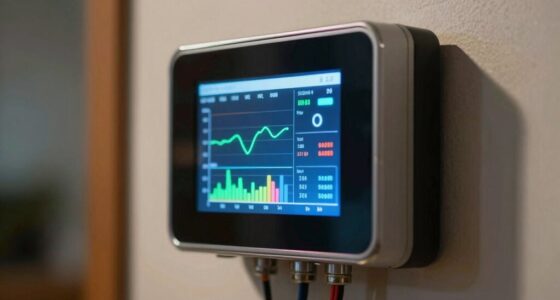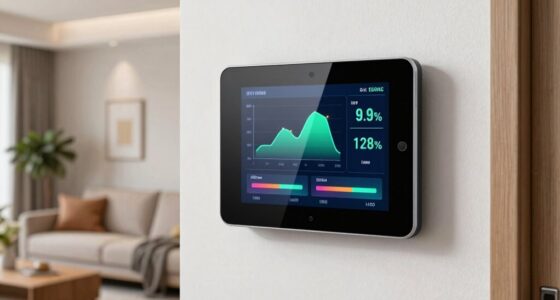

Smart ventilation systems automatically adjust airflow based on real-time indoor conditions using sensors that monitor CO₂, humidity, VOCs, and temperature. They optimize air quality, improve comfort, and save energy by activating only when needed. These systems can connect with smart home devices for remote control and automation. If you want to understand how these technologies work and benefit your home, keep exploring to discover more about their features and advantages.
Key Takeaways
- Smart ventilation systems automatically adjust airflow based on real-time indoor air quality data from sensors monitoring CO₂, humidity, VOCs, and temperature.
- They use advanced controls and integration with smart home devices to optimize comfort, health, and energy efficiency.
- These systems respond instantly to environmental changes, reducing energy waste and preventing issues like mold and poor air quality.
- Core components include sensors, automated vents, and connectivity with smart devices for remote management and scheduling.
- Future trends involve AI-driven algorithms for predictive adjustments and enhanced integration within smart home ecosystems.

Eckpo Reptile Ventilation Fan with Humidity Sensor and High-Temp Alarm, Fan Dehumidifier for Reptile Enclosure and Terrarium, Suitable for Humid Environments, Rainforest and Ecological Tanks
【Improve Air Circulation】It improves air circulation and eliminates odors. It simulates the wind in nature to create a…
As an affiliate, we earn on qualifying purchases.
As an affiliate, we earn on qualifying purchases.
What Are Smart Ventilation Systems?
Have you ever wondered how modern buildings maintain fresh air while saving energy? Smart ventilation systems do this by automatically adjusting airflow based on real-time conditions. They use sensors to monitor factors like CO2 levels, humidity, and temperature, then respond instantly to optimize indoor air quality. Unlike traditional systems that run constantly or on fixed schedules, smart systems only activate when needed, reducing energy waste. They’re connected to centralized controls or smart home platforms, allowing you to manage and customize ventilation easily. These systems also integrate with other building systems, improving efficiency and comfort. By intelligently balancing fresh air intake with energy conservation, smart ventilation systems help create healthier, more sustainable indoor environments while keeping energy costs in check. Additionally, implementing smart controls can further enhance system performance and user convenience. Incorporating adaptive airflow management can maximize efficiency and ensure optimal indoor air quality at all times. Furthermore, real-time monitoring allows for continuous adjustments, ensuring optimal operation around the clock, which is a key feature of energy-efficient design. This integration of sensor technology ensures the system responds accurately to changing indoor conditions, promoting better air quality and energy savings.

Air Quality Monitor Indoor, 10 in 1 Portable Smartair Quality Tester for CO2 | CO | TVOC | HCHO | Temp | AQI | PM0.3-1 Detection Hum for Home Cars Plants, Pets, Car, Hotel
【10-in-1 Smart Air Quality Monitor: Your All-Round Environmental Guardian】 This portable intelligent air quality tester delivers ultra-precise multi-gas…
As an affiliate, we earn on qualifying purchases.
As an affiliate, we earn on qualifying purchases.
Key Components of Smart Ventilation Solutions
Smart ventilation solutions rely on sensors and detectors to monitor air quality and occupancy in real time. Automated controls adjust airflow based on this data, ensuring ideal indoor conditions. Additionally, seamless integration with smart devices allows you to manage and customize your system easily through your existing technology. For truck owners, understanding vehicle-specific ventilation needs can help optimize comfort and safety in your cargo or living space. Incorporating natural ventilation techniques can also enhance overall indoor air quality and energy efficiency. Leveraging European cloud innovation can further improve the reliability and security of your smart ventilation systems. Understanding heat distribution and how it impacts ventilation can help optimize system performance and comfort, especially when considering load calculations to balance airflow and energy use.
Sensors and Detectors
Ever wondered how smart ventilation systems detect changes in indoor air quality? It’s all thanks to sensors and detectors, the system’s senses. These devices continuously monitor parameters like humidity, CO₂ levels, and VOCs. When any reading exceeds safe thresholds, they send signals to trigger ventilation adjustments. Think of sensors as the system’s eyes and ears, providing real-time data to keep your air fresh and healthy. According to Vetted guidelines, the accuracy and placement of these sensors are crucial for optimal system performance. Proper sensor placement enhances air quality monitoring and ensures reliable detection of environmental changes. Additionally, the sensor calibration process is essential to maintain long-term accuracy and system reliability. Proper calibration techniques help mitigate sensor drift, ensuring consistent performance over time. To further improve system effectiveness, integrating smart home connectivity allows for more comprehensive environmental management.
Automated Ventilation Controls
Automated ventilation controls act on the data gathered by sensors and detectors to regulate airflow without manual intervention. They analyze information like air quality, humidity, and temperature to adjust vents and fans in real-time. These controls guarantee ideal indoor conditions by responding instantly to environmental changes, improving comfort and energy efficiency. You don’t need to manually open or close vents; instead, the system automatically modulates airflow based on preset parameters. This automation reduces energy waste and maintains consistent air quality. By continuously monitoring conditions, automated controls prevent issues like excess humidity or poor air circulation. Reliable connections are essential for these smart systems to function seamlessly, ensuring data transmission remains accurate and consistent. Additionally, sensor accuracy is crucial for the system’s effectiveness, as precise data ensures appropriate adjustments are made. Proper system integration with existing building infrastructure can enhance overall performance and ease of use. Incorporating energy-efficient components can further optimize the system’s performance and reduce operational costs. A well-designed system also incorporates data security measures to protect sensitive environmental information from unauthorized access. The result is a smarter, more responsive ventilation system that adapts seamlessly to your space’s needs, providing a healthier and more comfortable environment at all times.
Integration With Smart Devices
Integrating smart devices into ventilation systems creates a seamless connection between various technologies to optimize indoor air quality and energy use. When you connect smart thermostats, sensors, and voice assistants, your ventilation system responds dynamically to your environment and habits. This integration allows for real-time adjustments, better energy efficiency, and improved comfort. For example, sensors detect humidity or pollutants and trigger ventilation automatically. Smart devices also enable remote control via apps, giving you full oversight. Additionally, caregiver support can be enhanced through these smart integrations, ensuring a healthier environment for seniors. The interoperability of these devices enhances system responsiveness, making ventilation smarter and more adaptable. This interconnectedness is supported by standard communication protocols, which facilitate compatibility among diverse smart components. These protocols ensure that devices from different manufacturers can communicate effectively, creating a more unified and reliable system. Below is a simple comparison of common integrations:
| Device Type | Benefit |
|---|---|
| Smart Thermostats | Adjust airflow based on temperature needs |
| Voice Assistants | Control systems hands-free |
| Indoor Sensors | Detect air quality changes |

Leviton Decora Smart Fan Speed Controller, Wi-Fi 2nd Gen, Neutral Wire Required, Works with My Leviton, Alexa, Google Assistant, Apple Home/Siri & Wired or Wire-Free 3-Way, D24SF-1RW, White
DON'T WORRY ABOUT STALE AIR – make your existing ceiling fan smart to circulate airflow and improve the…
As an affiliate, we earn on qualifying purchases.
As an affiliate, we earn on qualifying purchases.
How Do Smart Ventilation Systems Detect Indoor Air Quality?

Smart ventilation systems detect indoor air quality by using a variety of sensors that continuously monitor pollutants, humidity, and temperature. These sensors gather real-time data on airborne contaminants like VOCs, particulate matter, and carbon dioxide levels. When pollutant levels rise or humidity gets too high, the system receives alerts indicating poor air quality. This detection process helps the system determine when to increase ventilation or filter the air. The sensors are designed to be sensitive and accurate, ensuring reliable readings at all times. By constantly tracking environmental conditions, the system can respond swiftly to maintain a healthy indoor environment. This proactive monitoring prevents the buildup of harmful pollutants and supports overall air quality management in your space.

KESOCI Smart Car Air Freshener: Revolutionary Smart Car Diffuser Vent Clip with 3 Exclusive 10 ml Fragrances (Fresh Essence Collection)
LUXURY SCENTS ON DEMAND – Discover sophisticated aromas with exclusive fragrances designed to transform every journey. Each car…
As an affiliate, we earn on qualifying purchases.
As an affiliate, we earn on qualifying purchases.
The Role of Sensors and Data in Smart Ventilation

Have you ever wondered how sensors and data work together to keep your indoor air clean? Sensors detect pollutants, humidity, temperature, and VOC levels in real time. This data is immediately sent to the system’s processor, which analyzes patterns and identifies when ventilation adjustments are needed. The system then responds by opening or closing vents, optimizing airflow, and maintaining air quality. To understand this better, consider this table:
| Sensor Type | Data Collected | Action Triggered |
|---|---|---|
| CO2 Sensors | Carbon dioxide levels | Increase ventilation when high |
| Humidity Sensors | Moisture levels | Adjust ventilation to prevent mold |
| VOC Sensors | Volatile organic compounds | Activate exhaust fans |
| Temperature Sensors | Indoor temperature | Regulate airflow for comfort |
| Particulate Sensors | Dust and allergen levels | Boost filtration or airflow |
This seamless integration keeps your home safe and comfortable.
Benefits of Installing Smart Ventilation Systems
Installing a smart ventilation system offers numerous benefits that can considerably improve your indoor environment. It automatically adjusts airflow based on real-time data, ensuring ideal air quality without your constant input. This means you breathe fresher, cleaner air, reducing allergens, pollutants, and humidity. By maintaining proper ventilation levels, you’ll enjoy a more comfortable space, free from stuffiness or excessive dryness. The system can also detect issues early, preventing mold growth and structural damage caused by excess moisture. Plus, smart ventilation often integrates with your home’s automation, allowing remote control and scheduling to fit your lifestyle. Over time, you’ll notice energy savings because the system optimizes operation, avoiding unnecessary ventilation when conditions are already perfect. Overall, smart ventilation enhances comfort, health, and efficiency in your home.
Comparing Smart Ventilation to Traditional Ventilation Methods
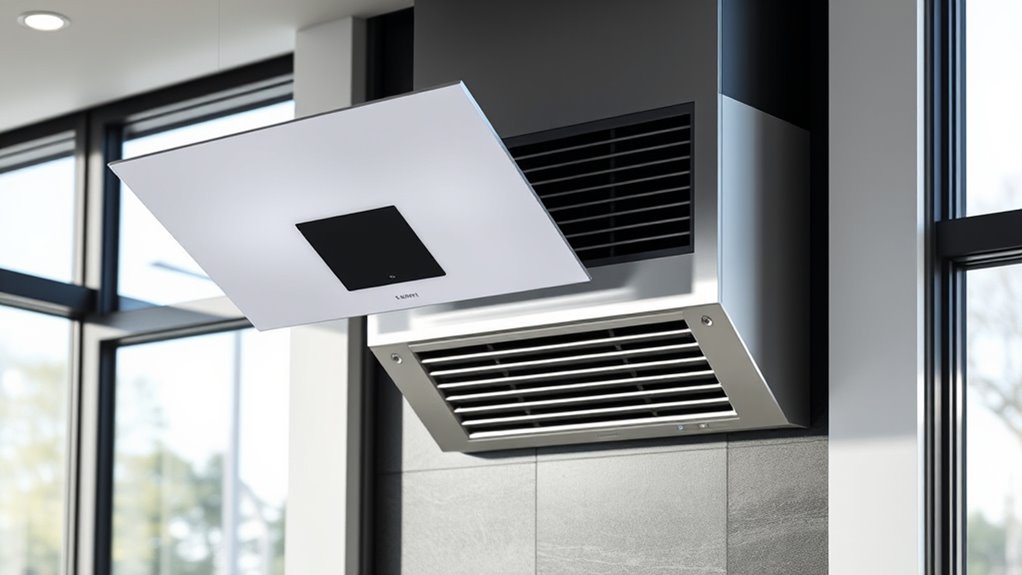
Smart ventilation systems offer better efficiency and control compared to traditional methods, allowing you to optimize air quality with ease. While they tend to be more cost-effective over time, they often come with higher upfront costs and increased complexity. Understanding these differences helps you decide which system best fits your needs and budget.
Efficiency and Control
Compared to traditional ventilation methods, smart ventilation systems offer markedly greater efficiency and control. You can customize air exchange based on real-time data, ensuring ideal indoor air quality without wasting energy. Here are three ways smart systems excel:
- Adaptive Ventilation: They automatically adjust airflow according to occupancy, humidity, and pollutants.
- Remote Monitoring: You control and monitor system performance via smartphone apps, giving you instant insights.
- Timed Operation: You set precise schedules, reducing unnecessary ventilation during unoccupied periods.
This level of responsiveness means your system operates only when needed, saving energy and maintaining comfort. Unlike traditional systems, which run continuously or on fixed timers, smart ventilation reacts dynamically to your environment. As a result, you enjoy better air quality, lower energy bills, and more precise control over your indoor climate.
Cost and Complexity
While traditional ventilation systems are generally simpler and less expensive upfront, they often come with hidden costs due to inefficiency and higher energy consumption. These systems operate on fixed settings, running continuously regardless of actual indoor needs, which wastes energy and increases bills over time. In contrast, smart ventilation systems have higher initial costs because of sensors, controllers, and installation complexity. However, they adjust airflow based on real-time conditions, reducing energy use and lowering long-term expenses. The complexity of smart systems might seem formidable initially, but they often include user-friendly interfaces and automation features that simplify operation. Overall, while smart ventilation demands a bigger upfront investment, it offers greater efficiency, savings, and adaptability, making it a smarter choice in the long run.
Integration of Smart Ventilation With Home Automation
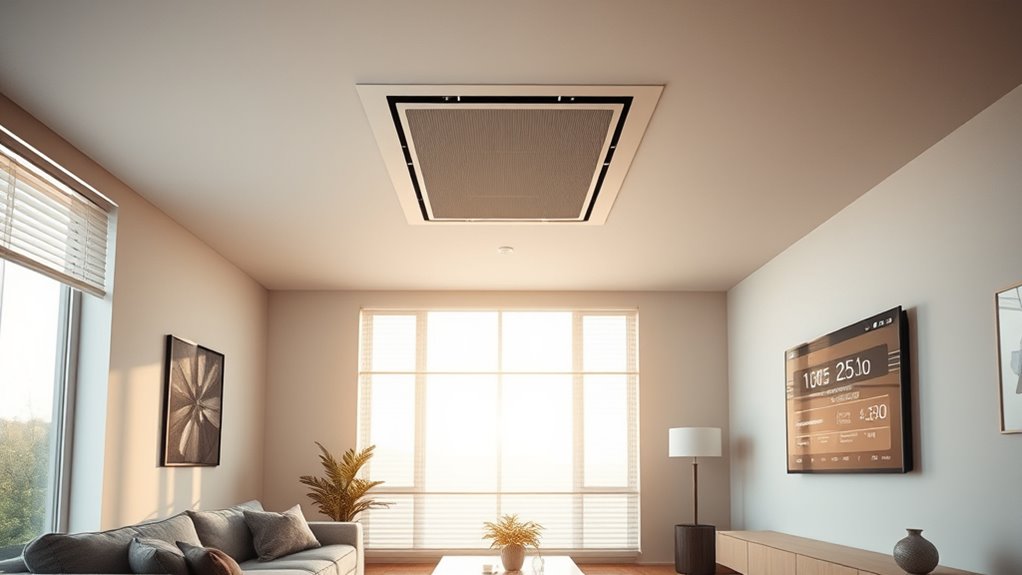
Integrating smart ventilation systems with home automation enhances control and efficiency by allowing you to manage airflow based on real-time indoor conditions. You can coordinate your ventilation with other smart devices for seamless operation. Here are three key benefits:
Integrating smart ventilation with home automation boosts control, efficiency, and indoor air quality through real-time adjustments and remote access.
- Automated Adjustments: Ventilation responds automatically to humidity, temperature, or air quality sensors, keeping your home comfortable without manual input.
- Customized Schedules: Set specific routines, so your system activates during certain times or conditions, saving energy.
- Remote Control: Use your smartphone or voice commands to monitor and adjust ventilation from anywhere, ensuring ideal airflow even when you’re away.
This integration creates a smarter, more responsive living environment, reducing energy waste and improving indoor air quality effortlessly.
Tips for Choosing the Right Smart Ventilation System
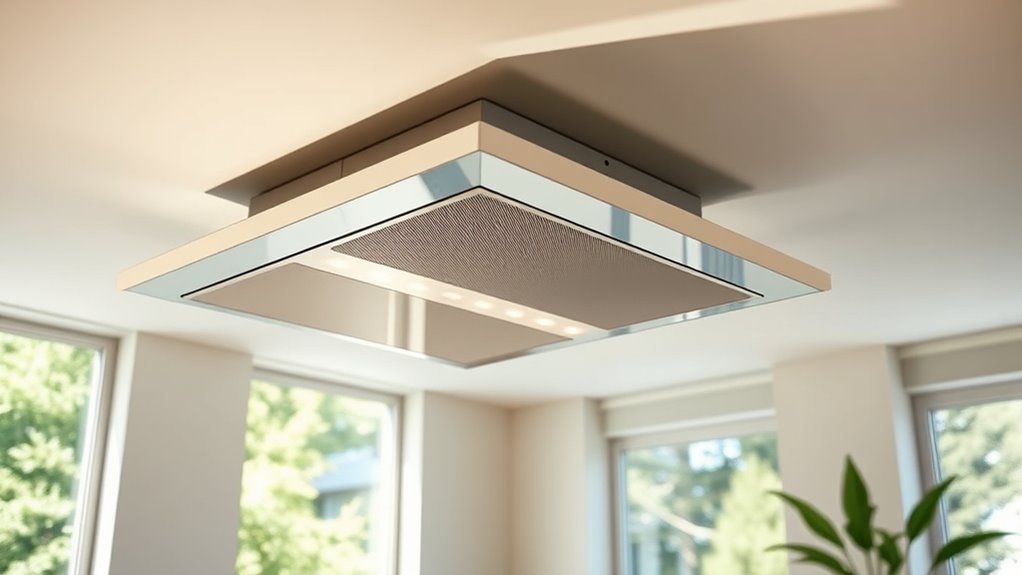
Choosing the right smart ventilation system begins with understanding your home’s specific needs and your lifestyle. Assess your space’s size, layout, and existing ventilation to determine what features matter most—whether it’s humidity control, air quality monitoring, or energy efficiency. Consider the system’s compatibility with your current smart home setup to guarantee seamless integration. Look for user-friendly controls and reliable mobile apps that make management easy. Pay attention to maintenance requirements, such as filter replacements and system updates. Budget also plays a role—opt for a system that offers the features you need without overspending. Finally, read reviews and seek expert opinions to gauge performance and durability, ensuring your investment keeps your home comfortable and healthy long-term.
Future Trends in Smart Ventilation Technology

Advancements in smart ventilation technology are set to revolutionize how your home manages air quality and energy efficiency. Expect to see innovations that make systems more intuitive and responsive. For example:
- Integration of AI-driven algorithms will enable your system to learn your habits, adjusting airflow automatically.
- Enhanced sensor networks will monitor air quality in real-time, providing instant adjustments to optimize indoor environments.
- Greater compatibility with smart home ecosystems will allow seamless control through voice commands and centralized apps.
These trends will make your ventilation system smarter, more efficient, and easier to manage. As technology evolves, you’ll benefit from healthier indoor air, reduced energy costs, and effortless automation—all tailored to your lifestyle.
Frequently Asked Questions
Can Smart Ventilation Systems Be Controlled Remotely via Smartphones?
Yes, you can control smart ventilation systems remotely via smartphones. Most systems come with dedicated apps that allow you to adjust airflow, set schedules, and monitor air quality from anywhere. With an internet connection, you simply open the app, make your desired changes, and the system responds instantly. This convenience helps you maintain a comfortable, healthy environment without being physically present, giving you full control at your fingertips.
How Energy-Efficient Are Smart Ventilation Systems Compared to Traditional Ones?
Think of smart ventilation systems as the breezy conductor guiding your home’s airflow. They’re more energy-efficient than traditional models because they adapt to your needs, reducing unnecessary ventilation. With sensors and automation, they only work when needed, like a mindful gardener watering only when the plants thirst. This targeted approach cuts energy waste, saving you money and reducing your carbon footprint, while keeping your indoor air fresh and healthy.
Are Smart Ventilation Systems Suitable for Commercial Buildings?
Yes, smart ventilation systems are suitable for commercial buildings. They adapt to occupancy levels and air quality needs, ensuring ideal indoor conditions while reducing energy consumption. You’ll benefit from real-time data and automation features that improve air circulation and maintain health standards. Implementing these systems can lead to lower operational costs and a healthier environment, making them an excellent choice for large-scale commercial spaces.
What Maintenance Is Required for Smart Ventilation Systems?
You’ll love how low-maintenance smart ventilation systems are—just a quick filter change every so often and regular software updates. Unlike traditional systems, they automatically adjust to your building’s needs, so you won’t be constantly tinkering. Keep an eye on sensor calibration and make certain vents stay clear of obstructions. Overall, their intelligent design means less time on upkeep and more peace of mind, even for the busiest buildings.
Do Smart Ventilation Systems Comply With Building Safety Standards?
Yes, smart ventilation systems typically comply with building safety standards. You should verify that the system meets local codes and regulations, which often include requirements for air quality, fire safety, and electrical safety. Manufacturers usually provide certification and documentation to confirm adherence. Regularly inspecting and maintaining your system ensures it continues to meet safety standards, providing a safe and healthy environment for everyone inside your building.
Conclusion
In the end, smart ventilation systems are your ticket to healthier, more efficient indoor air. They adapt seamlessly to your needs, making sure you’re always breathing fresh air without lifting a finger. Don’t get caught with your pants down—embrace this tech now before it’s too late. Upgrading your home isn’t just smart; it’s essential for a cleaner, more comfortable living space. Stay ahead of the curve and breathe easy knowing you’ve got the best on your side.