
TL;DR

Turn your quiet moments into listening time
- Thousands of audiobooks, podcasts and originals
- Listen on your phone, tablet or Echo — also offline
- Cancel anytime
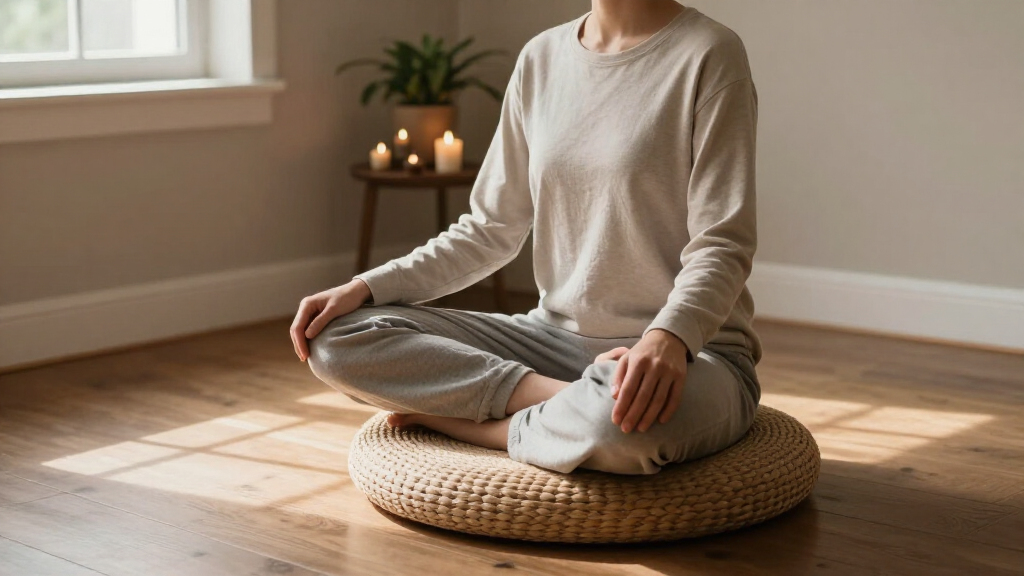
A good meditation cushion lifts your hips, aligns your spine, and reduces strain. Choosing the right shape, height, and material makes meditation more comfortable and sustainable over time.
Imagine sinking into your meditation space, feeling the gentle support of a cushion that molds perfectly to your body. It’s not just about comfort; it’s about creating an environment where relaxation can truly flourish. Meditation cushions are more than plush accessories—they’re ergonomic allies that help you sit upright with ease, reducing tension and making your practice more sustainable.
If you’ve ever flopped onto a hard floor or struggled to find a comfortable seated position, you know how distracting discomfort can be. Picking the right cushion transforms that experience. Today, you’ll learn how different designs, fillings, and support levels can elevate your practice—literally and figuratively. Let’s explore how to choose the perfect companion for your relaxation journey.
Choose a cushion that elevates your hips enough to keep your spine upright without strain.
Adjustable fillings like buckwheat hulls offer customizable support for long-term comfort.
Support your posture by positioning your cushion correctly—hips slightly higher than knees works well for most.
Regular maintenance and replacement of fillings extend your cushion’s lifespan and comfort.
Market options now include ergonomic shapes and eco-friendly materials, making support more accessible and sustainable.
What Makes a Good Meditation Cushion for Relaxation?
A great meditation cushion supports your body without forcing it. It elevates your hips just enough to keep your spine tall, shoulders relaxed, and breath flowing freely. Think of it as a gentle foundation that keeps you comfortable for longer sessions.
For example, if your hips are at the right height, your knees rest naturally on the floor, easing tension in your lower back and hips. No more leaning forward or slumping—just a relaxed, upright posture that encourages calmness. The key is finding a balance between stability and softness, so your body feels supported but not imprisoned.
Remember, comfort depends on your body’s proportions, flexibility, and any joint issues. A cushion that works beautifully for one person might cause discomfort for another. So, understanding your specific needs helps you make better choices.
meditation cushion with adjustable filling
As an affiliate, we earn on qualifying purchases.
As an affiliate, we earn on qualifying purchases.
Types of Meditation Cushions That Support Relaxation
Choosing the right shape can make or break your comfort. Here’s a quick rundown of popular options:
| Type | Best For | Why It Supports Relaxation |
|---|---|---|
| Zafu | Cross-legged sitting | Offers rounded support that molds to your hips, helping you maintain an upright posture naturally. Its shape encourages a gentle tilt of the pelvis, which can reduce strain on your lower back and hips, fostering a deeper sense of stability and calm during meditation. |
| Crescent cushion | Extended comfort for thighs and hips | Curves around your body, reducing pressure points and easing muscle tension. The ergonomic design supports the natural contours of your body, promoting longer, more relaxed sessions without discomfort. |
| Rectangular cushion | More stability and versatility | Provides broad support, suitable for kneeling or sitting with legs extended, reducing strain by distributing weight evenly. Its shape can be customized with fillings to achieve optimal support for different postures. |
| Zabuton | Floor sitting with extra cushioning | Cushions knees and ankles, making longer seated sessions more relaxed. Its soft surface alleviates pressure points, preventing numbness or stiffness, thereby supporting sustained focus and comfort. |
For example, a Zen practitioner might favor a zafu for its gentle elevation, which encourages an upright posture that aligns the spine. Conversely, someone with knee issues might prefer a zabuton combined with a lower cushion to reduce joint strain. The goal is to find support that not only encourages relaxation but also prevents postural fatigue that can disrupt your meditation.
ergonomic meditation cushion for posture
As an affiliate, we earn on qualifying purchases.
As an affiliate, we earn on qualifying purchases.
What Filling Materials Help You Relax Better?
The right filling makes a huge difference in how your cushion supports your relaxation. Here are the common options:
- Buckwheat hulls: Conform to your body, adjustable, and stabilize your posture. They’re a bit heavy but provide firm support that feels natural. Their adjustability allows you to fine-tune the support, which can help in achieving a personalized sitting angle that reduces muscular tension over time.
- Kapok fiber: Light and fluffy, retains shape well. Less adjustable but feels soft and cozy—like a gentle cloud supporting your hips. Its softness encourages a relaxed posture, but because it’s less moldable, it might not provide the same level of customized support as buckwheat.
- Cotton batting: Familiar and soft, but tends to compress over time, losing support. This can lead to sagging, which may cause discomfort during longer sessions. Regular fluffing or replacing the filling helps maintain support and comfort.
- Foam: Lightweight and consistent. Firmer foams support upright sitting and are easy to shape, but cheaper foam may wear out faster. High-density foam provides better durability, but less adaptability; softer foam offers more comfort at the expense of support over time.
Imagine sitting on a buckwheat cushion—its firm, moldable support helps you settle into a calm, supported posture, reducing muscular strain. Or lying on a kapok-filled pillow, feeling the gentle cushion cradle your hips, easing tension and promoting relaxation. The choice of filling influences how well your body can relax because it affects both support and adaptability—key factors in maintaining comfort during extended meditation sessions.
As an affiliate, we earn on qualifying purchases.
How to Pick the Perfect Height and Firmness for Deep Relaxation
Finding the right height and firmness is like tuning an instrument—your body needs that perfect pitch for comfort. Here’s a quick step-by-step:
- Sit on the cushion for 10–20 minutes, paying attention to your body and any areas of tension or discomfort.
- Check if your pelvis feels stable and your spine remains tall without effort, indicating proper support.
- Ensure your knees and ankles are relaxed, not strained or numb, which signals the support is appropriate.
- Notice if your breathing feels unrestricted and natural, as restricted breathing often indicates misaligned support.
- Adjust the cushion’s filling or height if you experience discomfort or pressure, understanding that small changes can significantly impact relaxation.
If you’re prone to tight hips or have longer legs, a taller cushion helps tilt the pelvis forward, easing pressure and allowing a more natural, open posture. For more flexible or shorter-legged individuals, a lower cushion may promote effortless relaxation without sacrificing spinal alignment. The goal is to find a support level that makes your body feel grounded and open simultaneously, avoiding unnecessary strain that can distract from your practice.
As an affiliate, we earn on qualifying purchases.
Relaxation Benefits—What a Good Cushion Can Really Do
A well-chosen meditation cushion isn’t just about comfort; it’s a doorway to deeper relaxation. When your hips are elevated and supported, your muscles don’t have to work overtime to keep you upright. This reduction in muscular effort allows your nervous system to relax more fully, decreasing physical tension that can interfere with mental stillness.
For instance, someone prone to back pain often finds that switching from a hard floor to a supportive cushion alleviates pressure points and reduces muscular guarding. Their shoulders soften, breathing deepens, and the mind becomes more receptive to meditation. The cushion acts as a stable anchor, aligning the body in a way that encourages a relaxed state—making it easier to settle into meditation without fighting discomfort.
Remember, cushions won’t eliminate all discomfort, especially if underlying issues exist, but they significantly reduce physical distractions that can fragment your focus. When support is tailored to your body, it facilitates a more effortless transition into calmness, creating a space where your attention can turn inward with greater ease.
Positioning Tips for Maximum Relaxation
How you sit matters almost as much as what you sit on. Here are some simple tips to make your meditation posture more relaxing:
- Keep your hips slightly higher than your knees to tilt the pelvis forward, which promotes spinal alignment and reduces strain.
- Relax your shoulders and let your arms rest comfortably on your thighs or lap to prevent tension buildup.
- Maintain a gentle, natural curve in your lower back—avoid slumping or overly arching, as both can cause discomfort over time.
- Support your feet on the ground if sitting cross-legged or kneeling, ensuring stability and reducing fatigue.
- Use a blanket or additional cushion under your knees or ankles if needed to alleviate pressure points.
For example, a person with tight hips may find that elevating the hips with a thicker cushion reduces pressure and helps them sit in a more relaxed, upright position. Proper positioning not only enhances physical comfort but also signals to your nervous system that it’s safe to relax, deepening your meditative state.
Maintaining Your Cushion for Long-Lasting Comfort
Durability and ease of care matter if you want your cushion to support you over many sessions. Most cushions with removable covers are simple to clean—just unzip and toss in the wash. Keep fillings dry and inspect seams periodically to prevent wear that might compromise support.
For example, buckwheat hulls need to be aired out regularly and may require refilling when they become uneven or compressed, which can diminish their supportive qualities. Natural fibers like cotton or wool can develop odors if not kept dry, so airing and occasional cleaning help maintain freshness. Proper care ensures your cushion remains inviting and supportive, fostering a consistent meditation routine.
Replacing or replenishing the filling when it becomes lumpy or compressed extends the lifespan of your cushion, maintaining optimal support. Regular maintenance not only prolongs the life of your cushion but also ensures that your practice environment remains inviting and effective for deep relaxation over time.
Latest Trends Making Meditation Cushions Even More Relaxing
Market innovations are increasingly focused on enhancing comfort, support, and adaptability. Features like adjustable-fill designs allow you to customize height and firmness, catering to individual needs and body types. Ergonomic crescent shapes cradle the hips more naturally, promoting better alignment and reducing muscle tension, which can be especially beneficial for those with tight hips or back issues.
Many brands now offer foldable, portable cushions with washable covers, making them easy to transport and clean. Eco-friendly materials like organic cotton, hemp, or recycled fabrics are gaining popularity, aligning with sustainable values and offering healthier options for sensitive skin. Inclusive sizing options ensure that cushions accommodate diverse body types, making meditation more accessible for everyone.
Recent innovations also include multifunctional props that serve as both support and comfort accessories—such as cushions that double as yoga supports or lounge chairs—blurring the lines between functional props and cozy furniture. These advancements aim to make meditation more adaptable, comfortable, and inviting, encouraging regular practice regardless of body shape or space constraints.
Key Buying Checklist for Your Perfect Meditation Cushion
Before clicking ‘buy,’ consider these factors:
- Preferred sitting position (cross-legged, kneeling, chair)
- Body proportions and flexibility
- Desired height and firmness
- Size and support needs
- Material sensitivities or allergies
- Ease of cleaning and maintenance
- Portability for travel or shared use
- Durability and replaceability of fillings
- Budget and quality considerations
For example, a tall person with hip mobility issues might prioritize a wider, taller cushion with adjustable filling to customize support. Considering your unique body shape and needs ensures that the cushion will promote comfort and long-term relaxation, preventing postural fatigue and enhancing your meditation experience.
Frequently Asked Questions
Do meditation cushions actually help?
Yes. They support your hips and pelvis, making it easier to sit upright comfortably for longer periods. Proper support reduces muscle tension and allows your mind to settle more deeply into meditation.What is the best meditation cushion for beginners?
An adjustable buckwheat-filled zafu or crescent cushion offers versatile support and can be customized to your body. Beginners with joint concerns might prefer a chair or bench, which can also be very effective.How high should a meditation cushion be?
There’s no one-size-fits-all answer. The cushion should lift your hips enough so your pelvis tilts forward comfortably, keeping your spine upright without strain. Testing different heights over time helps find your ideal fit.Is buckwheat or kapok better?
Buckwheat is more adjustable and molds to your shape, offering firm support. Kapok is lighter, softer, and feels plush but less customizable. Your choice depends on whether you prefer firm stability or gentle softness.Can a meditation cushion help with back pain?
It can improve your sitting posture, reducing strain and discomfort in some cases. However, persistent back pain should be evaluated by a healthcare professional to address underlying issues.Conclusion
Finding the right meditation cushion is about tuning into your body’s needs. When supported properly, your practice deepens effortlessly. A comfortable cushion isn’t just a luxury—it’s an investment in your relaxation and long-term well-being. So, choose wisely, and let your space support your journey inward.
Because in the end, comfort is the quiet foundation of every peaceful mind.
Halloween Picks
halloween
As an affiliate, we earn on qualifying purchases.