Horsepower numbers can be misleading when choosing a shop vac because they don’t show the motor’s true efficiency or suction power. A high horsepower doesn’t mean better cleaning performance, as it often just indicates raw motor power, not how effectively it converts energy into suction. Focus instead on motor efficiency, noise levels, and overall performance. Stay tuned to uncover how to pick a model that delivers strong suction without unnecessary noise or energy waste.

Turn your quiet moments into listening time
- Thousands of audiobooks, podcasts and originals
- Listen on your phone, tablet or Echo — also offline
- Cancel anytime
Key Takeaways
- Horsepower alone doesn’t measure vacuum strength or suction effectiveness.
- High horsepower may indicate motor size but not overall cleaning performance.
- Motor efficiency and design play a bigger role in suction power than raw horsepower.
- Noise levels and energy efficiency are crucial factors often overlooked when focusing on horsepower.
- Prioritizing motor performance, efficiency, and noise leads to better, more reliable shop vacs.
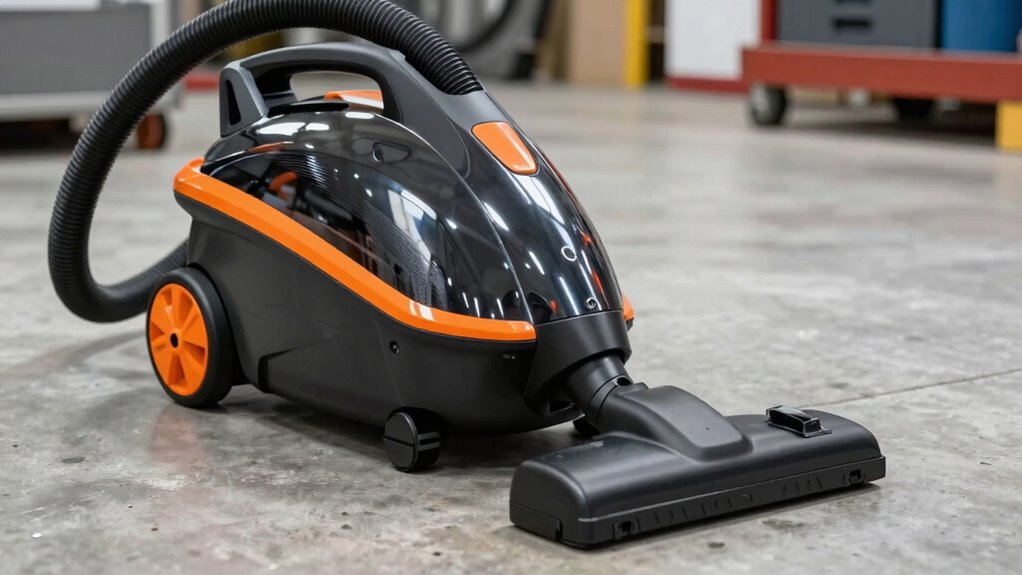
When shopping for a shop vac, you might be tempted to focus on the horsepower number, but that figure can be misleading. Horsepower alone doesn’t give you the full picture of a vacuum’s performance. Instead, look beyond the numbers and consider how motor efficiency impacts the overall effectiveness. A more efficient motor uses power more effectively, providing strong suction without wasting energy. This motor efficiency directly influences how well your shop vac handles heavy-duty tasks. An efficient motor converts electrical energy into suction power with minimal losses, which translates into better cleaning ability and longer-lasting components. When shopping, prioritize models that advertise high motor efficiency, as they tend to provide consistent suction and require less maintenance over time. An efficient motor also means the vacuum can sustain high performance without overworking, preventing overheating and reducing the risk of burnout. Noise levels are another important factor that often gets overlooked in the horsepower hype. Many high-horsepower shop vacs generate a lot of noise, which can be disruptive, especially in shared or residential spaces. Instead of being lured by the raw power, consider how loud the machine operates. Quieter models typically have better motor design and insulation, which makes your work environment more comfortable. A quieter shop vac with good motor efficiency can be just as powerful—if not more so—without causing ear strain or disturbing others. When you’re comparing options, check for reviews and specifications that mention noise levels and motor efficiency. A well-designed, efficient motor reduces noise by minimizing vibrations and sound transmission. Additionally, noise reduction techniques in motor design can significantly improve user comfort. This doesn’t mean you have to sacrifice power; it simply means you should look for a balance between suction strength, motor efficiency, and noise output. Understanding energy efficiency can help you select a more sustainable and cost-effective model in the long run. By choosing a shop vac with optimized motor performance, you’re also supporting energy conservation, which benefits both your wallet and the environment. In the end, a shop vac with a focus on motor efficiency and lower noise levels provides a better user experience, greater durability, and often, better cleaning results.
As an affiliate, we earn on qualifying purchases.
Frequently Asked Questions
How Do I Choose the Best Shop Vac for My Needs?
To choose the best shop vac, consider your specific needs. Focus on dust filtration to guarantee clean air and reduce allergens, especially if you work indoors. Check noise levels to find a model that won’t disturb your environment. Look for a vacuum with sufficient capacity and strong suction, but don’t rely solely on horsepower numbers—pay attention to features like filtration systems and noise ratings to make an informed decision.
What Other Features Should I Consider Besides Horsepower?
Think of your shop vac as a trusty steed; besides horsepower, consider its motor efficiency and noise levels. A horse that runs smoothly conserves energy, just like an efficient motor. Lower noise levels make your work calmer, like a quiet companion. Look for a vac with strong motor efficiency and quiet operation, ensuring it’s not just powerful but also comfortable to use. These features help you pick a versatile, reliable tool.
How Does Suction Power Affect Cleaning Performance?
Suction power directly impacts how well your shop vac cleans, as higher suction pulls debris more effectively. Airflow efficiency plays a vital role here, making sure that the vacuum maintains strong suction without losing power. Additionally, a durable motor keeps suction consistent over time, preventing drops in cleaning performance. By focusing on airflow and motor durability, you guarantee your shop vac delivers reliable, powerful cleaning, no matter the task.
Are There Specific Brands Known for Better Shop Vacs?
You might think all shop vac brands perform equally, but some stand out for their reputation. Brands like Craftsman, Ridgid, and Makita are known for durability and strong customer trust. Ironically, they often come with a higher price, but your investment pays off with superior performance. When doing a price comparison, don’t just chase the cheapest option—look at brand reputation and long-term reliability for better cleaning results.
How Often Should I Maintain or Replace My Shop Vac?
You should perform regular maintenance on your shop vac every 3 to 6 months, depending on usage. Check the filters, hoses, and seals, and clean or replace them as needed. Follow the replacement guidelines in your user manual for parts like filters or motors that wear out over time. Consistent upkeep guarantees peak performance, extends your vacuum’s lifespan, and prevents unexpected breakdowns.
As an affiliate, we earn on qualifying purchases.
Conclusion
Remember, don’t let the shiny horsepower numbers fool you like a magician’s sleight of hand. Instead, focus on real performance factors like airflow, suction, and build quality. Think of horsepower as a flashy sparkler—bright but fleeting—while true cleaning power is the steady flame that gets the job done. So, trust what your eyes and hands tell you, not just the numbers that try to dazzle. That’s how you find a shop vac that truly delivers.
As an affiliate, we earn on qualifying purchases.
As an affiliate, we earn on qualifying purchases.
Columbus Day / Indigenous Peoples' Day Picks
long weekend sales
As an affiliate, we earn on qualifying purchases.