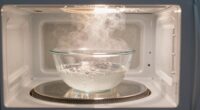
To clean your oven without harsh fumes, try a natural approach using steam, patience, and gentle scraping. Fill a heatproof bowl with vinegar or a baking soda paste, then heat it in your oven to loosen grime. Allow the steam to soften baked-on food, then use a plastic spatula or non-abrasive brush for removal. Ventilate well and wait for the oven to cool before wiping. Keep your oven cleaner with these eco-friendly tips—there’s more to discover if you continue exploring.
Key Takeaways
- Use steam cleaning by heating water, vinegar, or baking soda inside the oven to loosen grime naturally.
- Ventilate the area well during cleaning to disperse any residual fumes and ensure safety.
- Apply gentle scraping tools like plastic spatulas to remove softened deposits without damaging surfaces.
- Allow the oven to cool completely before scraping or wiping to prevent burns and improve safety.
- Regular maintenance and patience with natural methods prevent heavy buildup and keep the oven clean without harsh fumes.

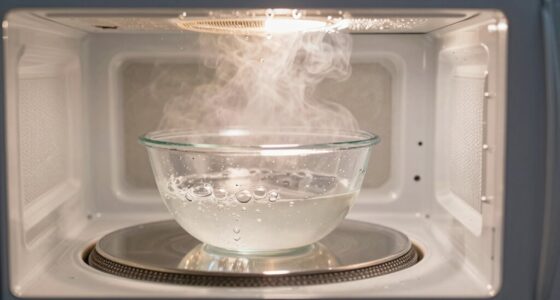
Cleaning your oven doesn’t have to involve harsh fumes that can irritate your lungs or linger in your home. Instead, you can rely on eco-friendly solutions and natural cleaning methods that are safe for both your family and the environment. One effective approach is to harness the power of steam. This method uses nothing more than water and heat to loosen grime, making it easier to remove without aggressive chemicals. To start, fill a heatproof bowl with water and add a few drops of natural dish soap or a splash of vinegar. Place it inside the oven and turn it on to a low simmer, allowing the steam to fill the cavity. As the steam penetrates the grease and baked-on food, it softens the deposits, which can then be wiped away with a damp cloth or sponge. This process not only cleans effectively but also minimizes the need for scrubbing, reducing the risk of scratching your oven’s surface. Additionally, proper ventilation during and after cleaning helps disperse any residual fumes, making the process safer and more comfortable.
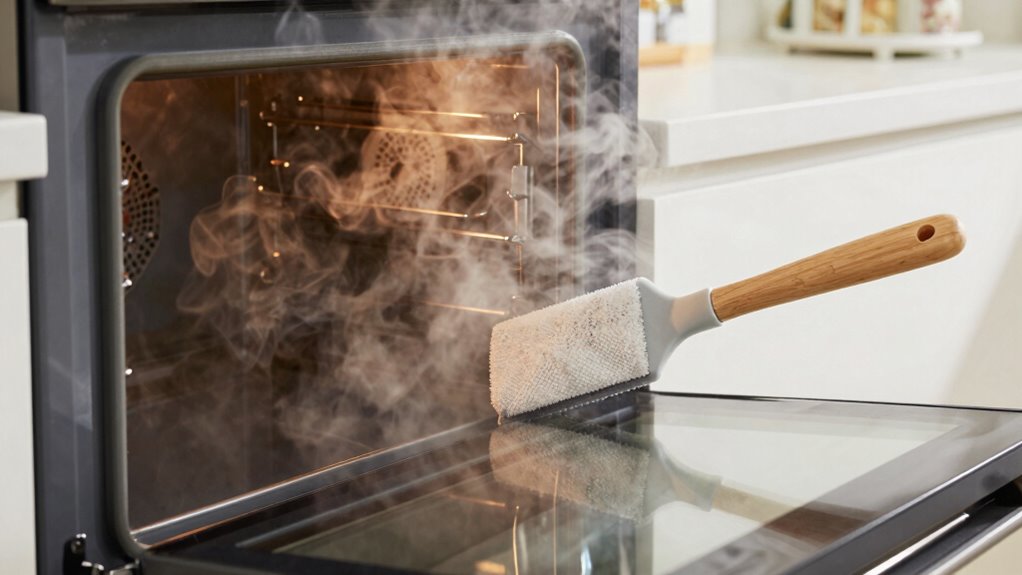
After steaming, give the oven a little time to cool down before you begin scraping or wiping. For stubborn spots, natural scrapers like a plastic spatula or a non-abrasive scrub brush work well without damaging the interior. If you prefer, you can prepare a paste using baking soda and water—another natural cleaning method—that acts as a gentle abrasive. Spread this paste over any particularly greasy areas and let it sit for about 15 minutes. The baking soda will absorb odors and loosen grime, making it easier to wipe away with a damp cloth. For extra cleaning power, you can spritz the area with a vinegar solution afterward, which will fizz and lift away remaining residues.
Throughout the process, remember that patience is key. Using natural cleaning methods and eco-friendly solutions might take a little longer than chemical cleaners, but they’re safer and just as effective. Regular maintenance using these simple techniques prevents heavy build-up, so your oven stays cleaner with less effort. Plus, avoiding harsh fumes means you’re not exposing yourself or your household to toxic chemicals. The combination of steam, time, and gentle scraping forms a reliable strategy that’s gentle on your oven, kind to the environment, and safe for your loved ones. With a little effort, you can achieve a spotless oven without sacrificing your health or the planet.

Pressurized Handheld Multi-Surface Natural Steam Cleaner with 12 pcs Accessories, Multi-Purpose Steamer for Home Use, Steamer for Cleaning Floor, Upholstery, Grout and Car (Grey) (Grey)
POWERFUL HOT STEAM – 1050 watts with 3-5 minutes fast heat-up and emits pressurized powerful hot steam 230℉…
As an affiliate, we earn on qualifying purchases.
As an affiliate, we earn on qualifying purchases.
Frequently Asked Questions
Can Steam Cleaning Damage My Oven’s Surfaces?
Steam cleaning generally won’t damage your oven’s surfaces if you follow safety guidelines. It’s gentle and safe for most oven surfaces, but be aware of its limitations. Excessive or prolonged steam can sometimes cause issues with delicate parts or seals. To guarantee oven surface safety, avoid direct steam contact with electronic components or thick, textured surfaces. Use moderate steam and proper techniques to keep your oven clean without risking damage.
How Often Should I Clean My Oven Using This Method?
Think of your oven like a garden; regular maintenance keeps it thriving. For effective oven maintenance, clean it with this method every 3 to 4 months, or whenever you notice buildup. This frequency prevents grime from hardening and guarantees safe, fume-free cleaning. Consistent cleaning not only prolongs your oven’s lifespan but also keeps your kitchen healthier, making each meal cooked in it a fresh, enjoyable experience.
Are There Specific Tools Recommended for Scraping?
You should use scraper tools like an oven spatula or a plastic scraper for effective cleaning. These tools make it easier to remove loosened grime without scratching surfaces. An oven spatula is especially handy because it’s gentle yet sturdy, allowing you to scrape off residue safely. Avoid metal tools to prevent damage. Keep a few different scraper tools on hand to tackle various spots in your oven efficiently.
Is Steam Cleaning Effective Against Baked-On Grease?
Yes, steam cleaning is effective against baked-on grease because it loosens stubborn residues without harsh chemicals. By generating steam, you can soften grease and residue, making it easier to scrape away and reducing the need for chemical residues that might linger. This method also helps with oven polishing, leaving your oven cleaner and shinier without risking damage from abrasive cleaners or fumes.
Can I Use Natural Cleaning Agents With Steam Cleaning?
Yes, you can use natural cleaning agents with steam cleaning. Natural alternatives like vinegar, baking soda, and lemon are safe options that promote chemical safety while effectively breaking down grease and grime. By combining steam with these eco-friendly solutions, you create a powerful cleaning method that minimizes harsh fumes, protects your health, and keeps your oven sparkling without compromising safety. This approach makes cleaning safer, simpler, and more environmentally friendly.

Oven Cleaning Kit: Natural Oven Cleaner and Kitchen Cleaner | Heavy Duty Oven Cleaner & Oven Rack Cleaner Kit | Fume-free & Safe to Clean All Ovens (Unscented) | Refillable Plastic Jar & Bottle
🧼 PROFESSIONAL-GRADE & MULTI-PURPOSE: Originally developed for use by professional cleaners, this enzyme-powered paste delivers commercial-level results across…
As an affiliate, we earn on qualifying purchases.
As an affiliate, we earn on qualifying purchases.
Conclusion
You might think harsh chemicals are the only way to clean your oven, but steam, patience, and scraping prove otherwise. This method isn’t just safer; it’s effective and eco-friendly. Some say it’s slow, but the truth is, gentle techniques often work better and last longer. Give this natural approach a try—you might find that a clean oven doesn’t have to come with fumes or fumes of regret. Clean smarter, not harsher.

gsplmm 2Pcs Cleaning Scraper for Ovens, Stoves, Induction Hob, Stainless Steel Multi-Kitchen Scraperwith 3Pcs Stainless Steel Brass Nylon Brush ,Straight Version + Bending Version (Black)
Innovative Design for Optimal Cleaning: Our cleaning set introduces the Super Scraper's ingenious innovation. It boasts two distinct…
As an affiliate, we earn on qualifying purchases.
As an affiliate, we earn on qualifying purchases.

Shadazzle Natural All Purpose Cleaner and Polish – Eco friendly Multi-purpose Cleaning Product (1 Pack, Lemon)
NATURAL ALL PURPOSE CLEANER : Shadazzle is a multi purpose cleaner that works on any washable surface. It…
As an affiliate, we earn on qualifying purchases.
As an affiliate, we earn on qualifying purchases.