To remove washing machine funk, regularly clean the drum, gaskets, and dispensers with vinegar or baking soda. Leave the door slightly open after each use to promote airflow and prevent mold growth. Run monthly hot cycles with vinegar or specialized cleaners to eliminate buildup. For persistent odors, use natural remedies like vinegar and lemon or consider professional help if smell persists. Keep your washer fresh—more tips ahead to tackle stubborn odors effectively.

Turn your quiet moments into listening time
- Thousands of audiobooks, podcasts and originals
- Listen on your phone, tablet or Echo — also offline
- Cancel anytime
Key Takeaways
- Regularly run hot water cycles with vinegar or baking soda to eliminate residue and neutralize odors.
- Keep the door slightly open after each use to promote air circulation and prevent mold growth.
- Clean door seals, gaskets, and dispensers regularly to remove mold, mildew, and detergent buildup.
- Use the correct detergent amount to prevent soap residue and clogs that cause odors.
- Address persistent smells by inspecting seals, dispensers, and residual moisture; consider deep cleaning or professional assistance if needed.
Causes of Odors in Your Washing Machine
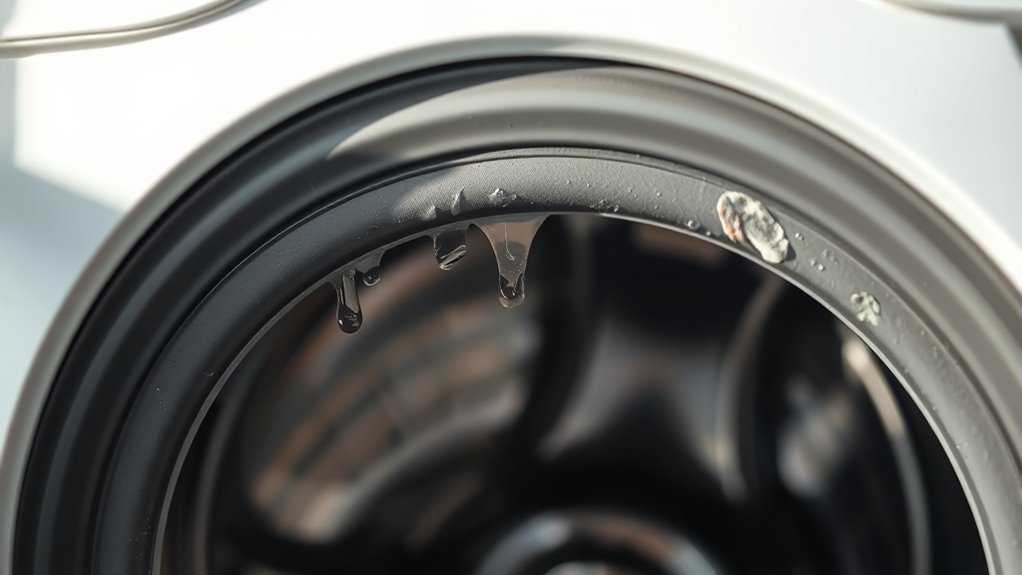
Odors in your washing machine often develop because of leftover detergent, fabric softeners, and dirt that accumulate over time. When you don’t rinse thoroughly, soap residue clings to the drum and gasket, creating a breeding ground for bacteria and mold. Dirty laundry introduces dirt, oils, and organic material that settle inside the machine. High-efficiency washers use less water, which can trap residues more easily if not cleaned properly. Overloading the machine prevents proper rinsing, leading to buildup. Additionally, using excessive detergent leaves behind suds that don’t rinse out fully. These residues combine with moisture, fostering a foul smell. Understanding these causes helps you identify why your machine smells and emphasizes the importance of proper washing habits to prevent odors from forming. Regular cleaning of the drum and gasket can significantly reduce odor buildup and maintain your washer’s freshness.
Regular Cleaning Practices to Prevent Funk
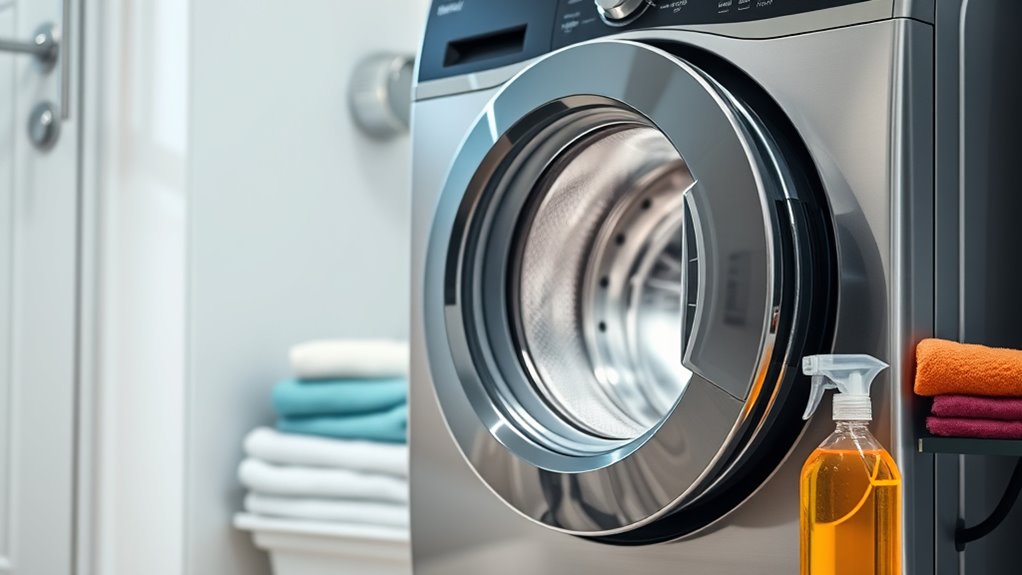
To keep your washing machine smelling fresh, make a habit of wiping the gasket regularly to remove moisture and debris. Always leave the door open after use to allow air circulation and prevent mold buildup. Additionally, use the right amount of proper detergent to avoid residue that can cause unpleasant odors.
Wipe Gasket Regularly
Regularly wiping the gasket around your washing machine door is one of the most effective ways to prevent funky smells from developing. Mold, mildew, and residue often hide in the folds of the rubber seal, creating a breeding ground for bad odors. To keep it clean, use a damp cloth or microfiber towel to wipe around the entire gasket after each load. Pay special attention to the folds and crevices where grime can accumulate. For stubborn spots, mix a solution of equal parts water and vinegar or use a mild detergent. Be sure to dry the gasket thoroughly afterward, as moisture promotes mold growth. Regular maintenance like this keeps your washer smelling fresh and working efficiently. Additionally, understanding the air quality factors can help prevent mold spores from spreading and causing further odors. Maintaining proper ventilation around your appliance can also reduce humidity and discourage mold growth. Incorporating proper cleaning techniques can ensure that your washing machine remains free of unwanted odors and functions optimally. Using appropriate cleaning agents that target mold and mildew can further enhance the effectiveness of your routine maintenance.
Leave Door Open After Use
Leaving the door open after each wash cycle allows moisture to escape and helps prevent mold and mildew from taking hold inside your machine. When you leave the door ajar, air circulates inside, reducing humidity that promotes odor-causing bacteria. This simple habit keeps the drum dry and prevents the buildup of dampness that fosters funk. Make it a point to leave the door slightly open for a few hours or overnight, especially if you use your washer frequently. Avoid shutting the door tightly right after washing, as trapped moisture can develop into unpleasant smells. Regularly practicing this habit ensures your machine stays fresh and odor-free. Additionally, proper ventilation strategies further enhance odor prevention and maintain your washing machine’s cleanliness. Proper airflow is essential for preventing mold growth, which is a common cause of persistent odors. Implementing routine cleaning of the door seal and detergent dispenser can also significantly reduce odor-causing residue. Incorporating air circulation techniques can further improve drying times and freshness inside the drum. Using ventilation fans or dehumidifiers in your laundry area can further reduce ambient humidity and discourage odor development.
Use Proper Detergent
Using the right type and amount of detergent is essential for preventing odors and maintaining a fresh-smelling washing machine. Too much detergent can leave residue that fosters mold and bacteria, while too little may not clean effectively. Always follow the manufacturer’s instructions for your machine and detergent. Consider using high-efficiency (HE) detergent if you have an HE washer, which produces fewer suds and reduces residue buildup. Proper detergent use also helps floating on water, preventing moisture buildup that can lead to odors. Choosing the correct detergent type can also influence how well your machine resists odors and buildup, ensuring a cleaner appliance. Additionally, regular maintenance, such as running a cleaning cycle with vinegar or specialized cleaners, can further prevent mildew and odors. Choosing the right detergent and using the correct amount keeps your washer clean and odor-free.
How to Use Natural Remedies for Odor Removal
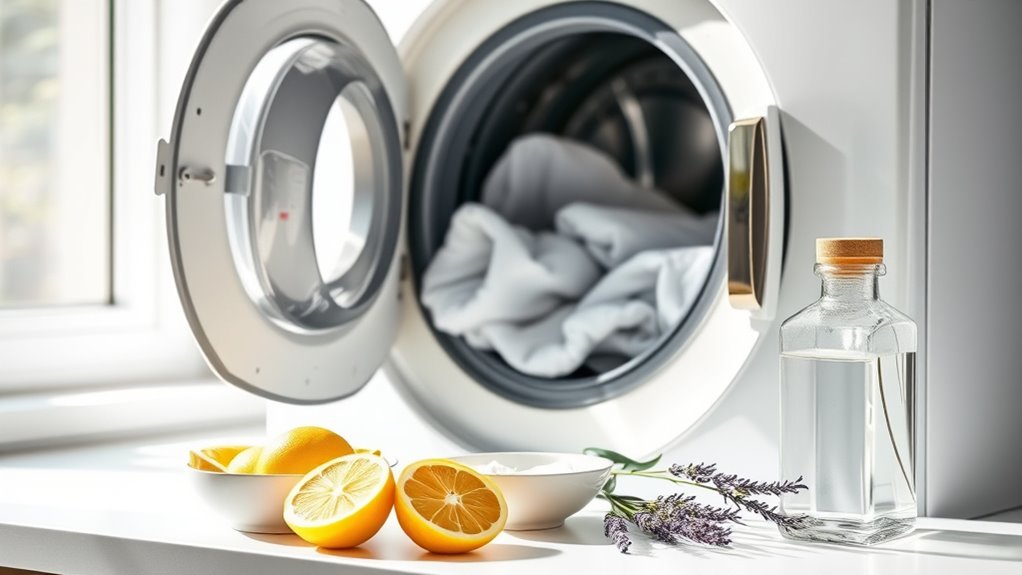
Natural remedies can be an effective way to eliminate odors from your washing machine without relying on harsh chemicals. One simple method is to run an empty cycle with white vinegar. Add two cups of vinegar to the detergent dispenser and run a hot water cycle. Vinegar helps neutralize odors and breaks down residue that causes smells. You can also sprinkle half a cup of baking soda directly into the drum and run a hot cycle; baking soda absorbs moisture and odors. For added freshness, combine vinegar and baking soda in the same cycle. Lemon juice is another natural option; adding a cup of lemon juice during the rinse cycle leaves your washer smelling fresh and clean. These remedies are safe, affordable, and environmentally friendly. Incorporating proper appliance maintenance can also help prevent future odors and keep your washing machine running efficiently, which is essential for maintaining a healthy home environment. Regularly cleaning the detergent drawer and door seals can prevent buildup of residues and further reduce odors.
Deep Cleaning Your Washing Machine Effectively
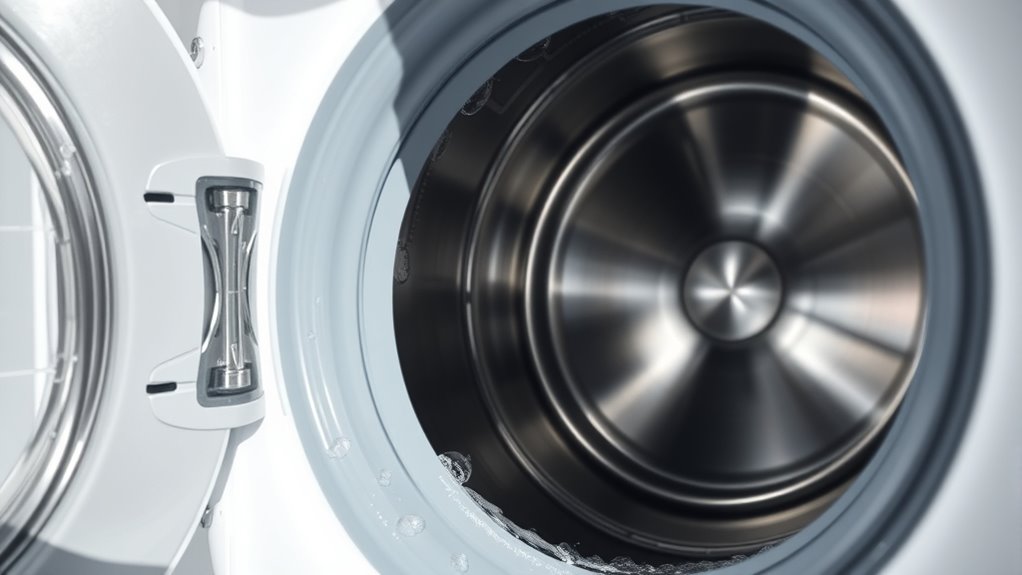
To keep your washing machine smelling fresh, you need to tackle the buildup of detergent residue and grime. Make sure to disinfect the rubber seals to prevent mold from thriving. Regularly removing mold and mildew will guarantee your machine stays clean and odor-free. Additionally, running a cleaning cycle with vinegar or specialized washing machine cleaners can help maintain optimal hygiene inside your appliance. Incorporating best laundry detergents into your routine can also help reduce residues that contribute to odors and keep your washing machine in top condition. Being aware of Free Floating bacteria and mold growth can further aid in maintaining a fresh-smelling machine. Incorporating Dri Dri Gelato techniques for cleaning and deodorizing can also be beneficial for stubborn odors, ensuring your washing machine remains fresh and hygienic. Considering the use of whole-house filtration systems may also improve water quality and reduce mineral buildup that contributes to odors.
Clear Detergent Buildup
Over time, detergent residue can accumulate inside your washing machine, leading to unpleasant odors and reduced cleaning efficiency. This buildup can trap dirt and moisture, creating a breeding ground for bacteria and mold. To prevent this, run an empty cycle with hot water and vinegar or a commercial cleaner monthly. Be sure to use the correct amount of detergent—both too little and too much can cause issues. Remember, residue can clog dispensers and internal parts. Additionally, maintaining good appliance hygiene helps keep your washing machine fresh and odor-free. Regular deep cleaning is essential for optimal performance. Here’s a quick comparison:
| Effect of Buildup | How to Prevent | Cleaning Tip |
|---|---|---|
| Odors | Use the right amount of detergent | Run monthly cleaning cycles |
| Reduced cleaning | Avoid overloading | Clean dispensers regularly |
| Mold growth | Leave door open after wash | Use vinegar periodically |
Disinfect Rubber Seals
Even after cleaning the detergent buildup, mold and bacteria can linger around the rubber seals, causing foul odors and potential health risks. To disinfect effectively, start by mixing equal parts white vinegar and water, then dampen a cloth with the solution. Wipe thoroughly around the entire seal, paying close attention to crevices where grime hides. For stubborn spots, apply a small amount of hydrogen peroxide or a disinfectant spray designed for laundry machines. Let the solution sit for a few minutes to kill germs. Use a clean, damp cloth to wipe away any residue. Finally, leave the door open after cleaning to allow the seal to dry completely. Regular disinfection prevents odor-causing bacteria from building up and keeps your washer fresh.
Remove Mold and Mildew
Mold and mildew can quickly develop inside your washing machine if not cleaned thoroughly, leading to persistent odors and potential health issues. To combat this, run a hot water cycle with white vinegar or a commercial mold remover. Afterward, wipe down rubber seals and door gaskets with a cloth to remove any visible mold. Regularly leaving the door open helps airflow and prevents moisture buildup. Remember, mold thrives in damp, dark environments, so consistency is key. Using proper cleaning techniques can also help maintain your washer’s hygiene and odor-free performance. Keep your washing machine dry and well-ventilated after each use. Use the right amount of detergent to avoid residue buildup. Schedule deep cleanings monthly to prevent mold recurrence.
Tips for Maintaining Freshness Between Loads
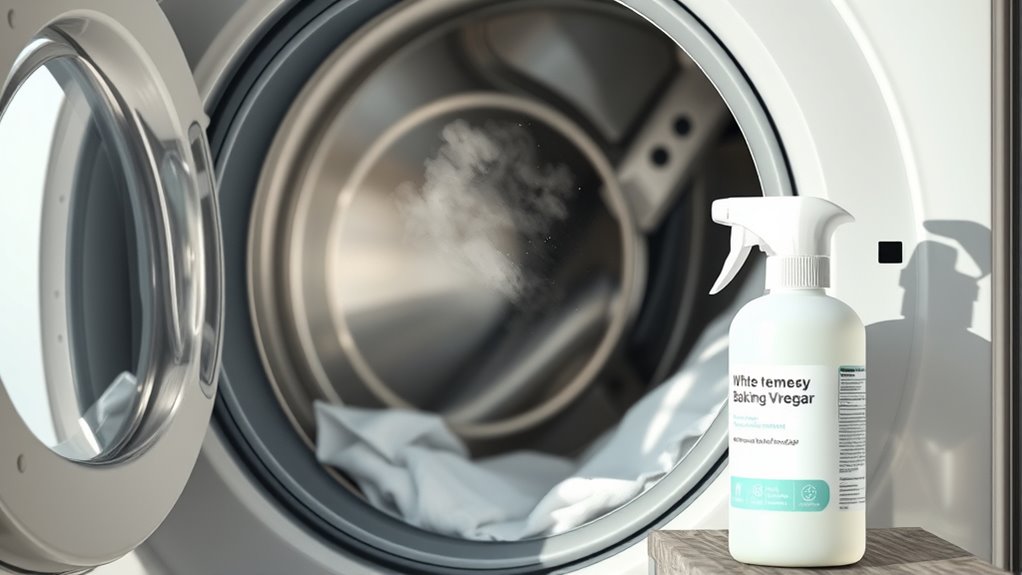
To keep your washing machine smelling fresh between loads, it’s important to leave the door slightly open after each use. This allows air to circulate inside, helping moisture escape and preventing mold and mildew buildup. Wipe down the door seal regularly with a dry cloth to remove any leftover moisture or detergent residue. Use less detergent; excess suds can trap moisture and cause odors. Run a quick, hot water cycle with a cup of white vinegar or a specialized cleaner once a month to keep the drum fresh. Avoid leaving wet laundry inside for long periods, as damp clothes can develop a musty smell that transfers to the machine. Consistent maintenance ensures your washer stays clean, odor-free, and ready for your next load.
Troubleshooting Persistent Smells
If your washing machine continues to emit unpleasant odors despite regular maintenance, it’s time to identify the underlying cause. Persistent smells often stem from hidden issues that cleaning alone can’t resolve. Check for trapped debris or soap scum buildup in hard-to-reach areas like door seals and detergent dispensers. Mold and mildew thrive in damp, dark spots if moisture isn’t thoroughly dried after each use. Additionally, leftover residue from fabric softeners or detergents can feed bacteria and odors.
- Build-up in seals and gaskets traps odor-causing bacteria
- Residual moisture fosters mold growth
- Overuse of harsh detergents creates sticky residue
Addressing these root causes helps eliminate persistent smells effectively.
When to Seek Professional Help
Sometimes, despite your best efforts to clean and maintain your washing machine, odors persist or worsen over time. If you’ve tried deep cleaning, vinegar, baking soda, and regular maintenance without success, it’s time to seek professional help. Persistent smells could indicate mold, mildew, or mechanical issues that require expert inspection. A technician can identify hidden mold buildup, clogged drainage, or faulty parts causing odor problems. Ignoring these signs might lead to further damage or mold spreading, which could affect your laundry and health. If odors remain after multiple cleaning attempts or if you notice strange noises or leaks, don’t hesitate to call a professional. Addressing the issue promptly assures your washing machine functions properly and keeps your laundry fresh.
Frequently Asked Questions
Can Fabric Softeners Cause Washing Machine Odors?
Yes, fabric softeners can cause washing machine odors. When you use too much or don’t rinse thoroughly, the softeners can build up inside your machine, trapping dirt, detergent residue, and moisture. This creates a breeding ground for mold and mildew, leading to unpleasant smells. To prevent this, use softeners sparingly, run regular cleaning cycles, and leave the door open after washing to allow airflow and drying.
How Often Should I Run a Cleaning Cycle?
You should run a cleaning cycle once a month to keep odors at bay. Think of it as a spa day for your washer—it refreshes and removes buildup. If you notice musty smells sooner, increase the frequency. Regular cleaning prevents grime from festering, ensuring your clothes stay fresh and your machine runs smoothly. Don’t wait for odors to become overwhelming; stay ahead with monthly cleanings.
Are There Specific Detergents Better for Odor Prevention?
Yes, you should look for detergents labeled as odor-fighting or with antimicrobial properties. These formulas help prevent odors from building up inside your washing machine. Use a high-efficiency detergent if your machine requires it, and avoid overusing detergent since excess can cause residue and smells. Consider adding a cup of white vinegar or baking soda occasionally for extra odor control. Regular cleaning and proper detergent choice keep your machine fresh.
Can Hard Water Contribute to Washing Machine Smells?
Yes, hard water can contribute to washing machine smells. The minerals in hard water, like calcium and magnesium, can build up inside your machine over time, creating a breeding ground for mold and bacteria. This buildup traps moisture and odors, making your washer smell worse. To prevent this, you should regularly run a cleaning cycle with a descaling agent or vinegar to break down mineral deposits and keep odors at bay.
Is It Safe to Use Vinegar Regularly in My Washer?
Using vinegar regularly in your washer is generally safe, like adding a gentle rain to clear away grime. It helps break down soap scum and odors without harming your machine. Just don’t overdo it—about once a month is enough. Always dilute vinegar with water and run an extra rinse cycle to prevent any buildup. This way, you keep your washer fresh without risking damage.
Conclusion
Now that you know how to tackle washing machine odors the right way, you can keep your laundry fresh and clean every time. Regular cleaning, natural remedies, and maintenance tips make a big difference. But what’s the point of fresh-smelling clothes if your machine’s still holding onto funk? Stay proactive with these tips, and you’ll enjoy a clean, odor-free washer—and wardrobe—every day. Isn’t it worth a little effort for a fresher home?
Fall Picks
fall essentials
As an affiliate, we earn on qualifying purchases.