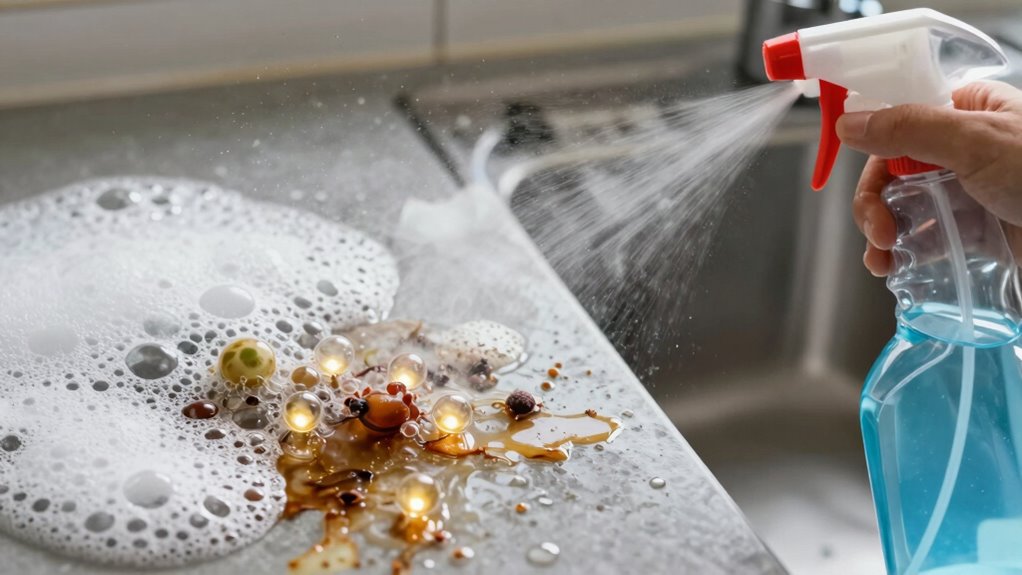

Enzymes and disinfectants handle messes differently. Enzymes break down organic stains and odors naturally by catalyzing decomposition, making them ideal for eco-friendly cleaning. Disinfectants, on the other hand, use chemicals to kill bacteria, viruses, and other microbes quickly, providing sanitation and safety. While enzymes are gentle and target organic waste, disinfectants focus on eliminating harmful pathogens. Keep exploring to discover how each approach can best serve your cleaning needs.

Turn your quiet moments into listening time
- Thousands of audiobooks, podcasts and originals
- Listen on your phone, tablet or Echo — also offline
- Cancel anytime
Key Takeaways
- Enzymes break down organic stains and odors by catalyzing decomposition, targeting organic waste in messes.
- Disinfectants chemically kill or inactivate bacteria, viruses, and pathogens for sanitation purposes.
- Enzymes promote eco-friendly cleaning by gently removing organic material, reducing harsh chemical use.
- Disinfectants provide rapid sterilization, ensuring surfaces are free from harmful microorganisms.
- Both are essential: enzymes for natural stain removal, disinfectants for effective disinfection and hygiene.
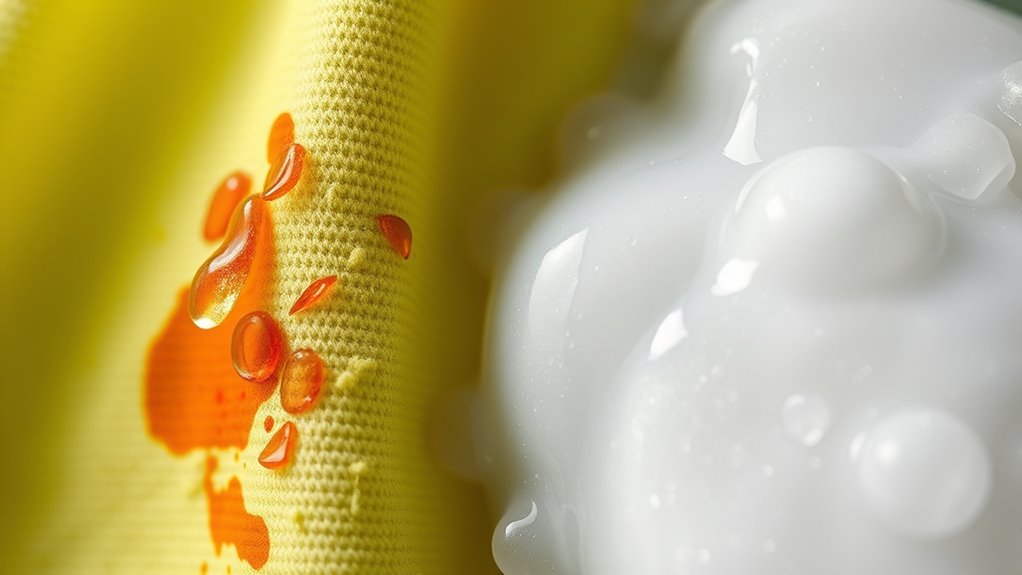
Have you ever wondered how enzymes and disinfectants differ in cleaning and sanitation? Understanding these differences can help you choose the right solution for your cleaning needs. Enzymes are biological molecules that speed up specific chemical reactions, making them essential in natural cleaning. Unlike harsh chemicals, enzymes break down stubborn organic stains, such as food, sweat, or pet messes, by catalyzing their decomposition. When you use enzyme-based cleaners, you’re relying on natural processes that mimic how the body naturally handles waste and dirt. These biological agents are gentle on surfaces but highly effective at targeting organic material, which is often the root of unpleasant odors and stains. Because enzymes work by triggering chemical reactions, they transform complex organic compounds into simpler, more manageable substances that can be easily rinsed away. This process is eco-friendly, reduces the need for aggressive chemicals, and promotes safer cleaning habits. Moreover, enzymes are a key component in biological cleaning agents, emphasizing their role in eco-conscious sanitation practices. Disinfectants, on the other hand, operate through different mechanisms. They typically contain chemicals designed to kill bacteria, viruses, and other pathogens. Their primary goal isn’t necessarily to remove dirt but to eliminate harmful microorganisms that can cause illness. Disinfectants work by disrupting the cell walls, proteins, or DNA of microbes, leading to their destruction. This chemical action results in rapid sterilization, which is *paramount* in environments like hospitals or kitchens where hygiene is *essential*. Unlike enzymes, disinfectants don’t depend on biological processes; instead, they rely on potent chemicals to achieve their effect. While effective at killing germs, disinfectants often come with concerns about potential chemical residues and their impact on the environment. They tend to be more aggressive and less selective than enzymes, which is why you should use them with care and follow proper safety guidelines.
Products Worth Considering

Samsung 85-Inch M70H Series Mini LED 4K Smart TV (2026)

Dyson V8 Cordless Vacuum
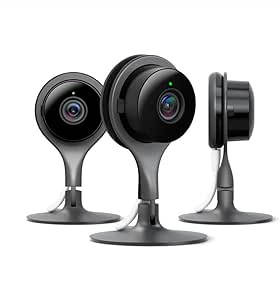
Google Nest Cam Indoor Security Camera, 3-Pack
As an affiliate, we earn on qualifying purchases.
Frequently Asked Questions
Are Enzymes Safe for Children and Pets?
Enzymes are generally safe for children and pets when used as directed, making them a good choice for cleaning. They’re often found in pet-friendly options and eco-friendly products. However, it’s essential to follow label instructions and keep products out of reach to guarantee children’s safety. Always opt for products specifically labeled as safe for children and pets, and consult the manufacturer if you’re unsure about any ingredient.
Can Enzymes Eliminate All Types of Bacteria?
Enzymes can’t eliminate all types of bacteria because of their limitations in targeting certain pathogens. They excel at breaking down organic stains and some bacteria, but they don’t provide *full* bacterial elimination. If you need to disinfect surfaces thoroughly, especially against harmful bacteria, disinfectants are more effective. Use enzymes for stain removal and organic messes, but rely on disinfectants for *thorough* bacterial elimination to *guarantee* safety.
Do Disinfectants Leave Harmful Residues Behind?
Disinfectants can leave behind chemical residues, raising concerns about environmental impact. You might worry about harmful residues lingering after cleaning, potentially affecting your health and the planet. While effective at killing germs, some disinfectants contain chemicals that don’t fully break down, contributing to pollution. To minimize risks, choose eco-friendly options and make sure proper ventilation. Being aware helps you make safer, smarter decisions for your space and the environment.
How Long Does It Take for Enzymes to Work?
Enzymes typically activate quickly, often within 10 to 15 minutes, depending on the mess and conditions. Once activated, they begin microbial digestion by breaking down organic stains like food or sweat. You’ll notice improved cleaning as enzymes work efficiently, especially when given enough time. For best results, follow product instructions, and allow enzymes to stay on the stain for at least 15 minutes to guarantee effective enzyme activation.
Are Disinfectants Effective Against Viruses?
You might wonder if disinfectants truly fight viruses effectively. The truth is, many disinfectants are designed for viral inactivation, making them highly effective against various viruses when used correctly. Their efficacy depends on proper contact time and concentration. So, yes, disinfectants are a reliable tool for reducing viral spread, but always follow label instructions to guarantee peak disinfectant efficacy and maximum protection against harmful viruses.
Conclusion
Ultimately, understanding enzymes and disinfectants helps you handle messes more effectively. Enzymes effortlessly break down organic stains, while disinfectants diligently destroy germs. By knowing their distinct strengths, you can choose the right remedy for every mess. So, whether you’re battling bacteria or stubborn stains, remember: mastering the magic of microbial management makes your cleaning routine more simple, swift, and satisfying. Embrace enzymes and disinfectants, and turn chaos into clean with confidence!