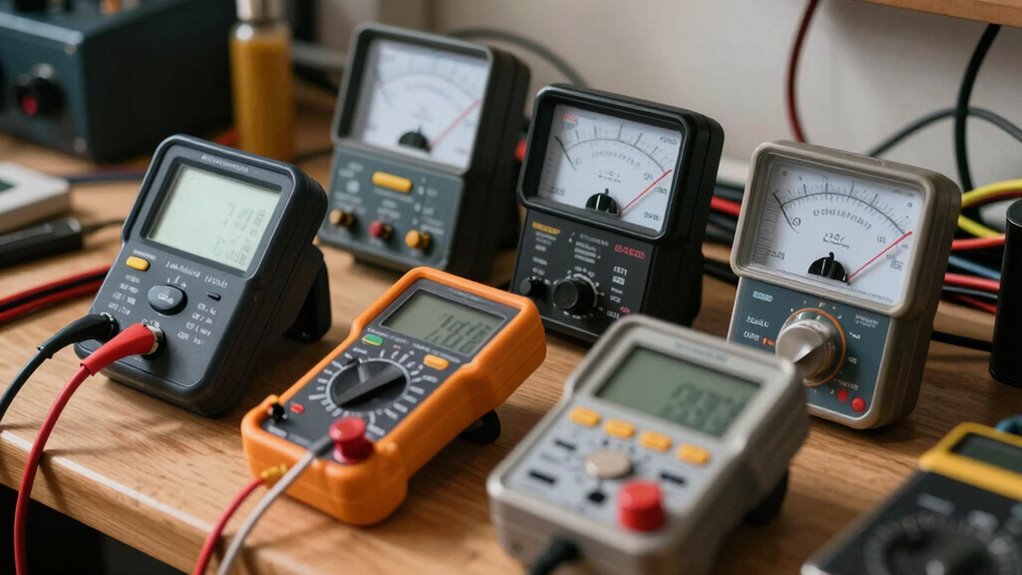
When choosing a top watt meter, avoid ignoring safety features, as this can lead to shocks or fires. Don’t overlook the importance of brand reputation and reliability; lesser-known brands may lack quality control. Make sure the device is compatible with your equipment and easy to use. Remember to take into account calibration and maintenance needs, which affect accuracy over time. Ensuring measurement standards are met also helps maintain trustworthy data. Stay with us to get deeper insights on how to pick the best watt meter for your needs.
Open a free Amazon Business account
Business pricing, bulk buying and tax-exempt orders.
As an affiliate, we earn on qualifying purchases.
Key Takeaways
- Ignoring safety certifications and standards, risking shocks, fires, and equipment damage.
- Choosing lesser-known brands with questionable quality and limited support.
- Overlooking device compatibility and user-friendliness, leading to misuse or measurement errors.
- Neglecting calibration and maintenance, causing inaccurate readings over time.
- Focusing solely on features without verifying measurement accuracy and adherence to safety standards.
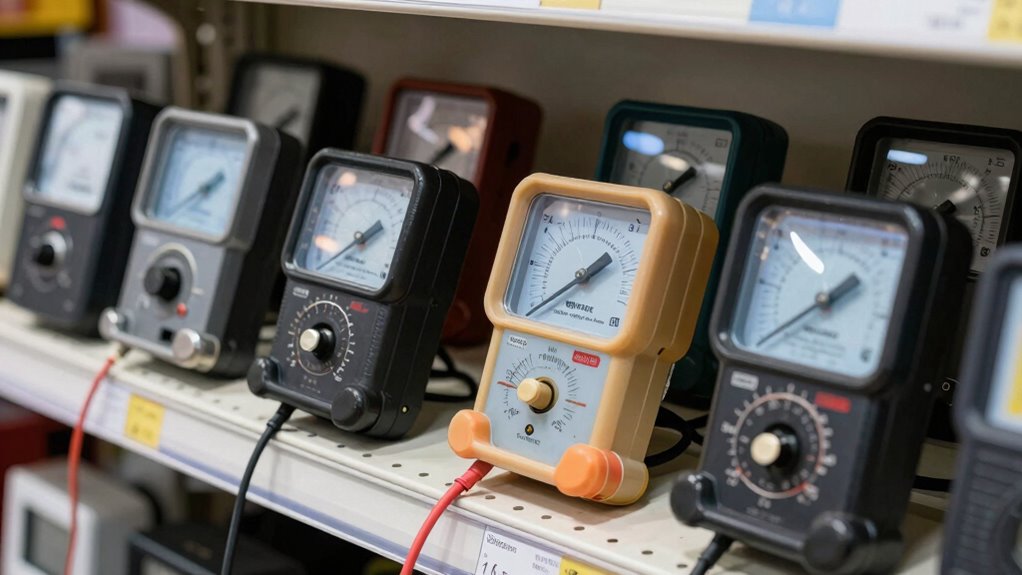
Choosing the right watt meter can seem straightforward, but many overlook key factors that can lead to costly mistakes. One of the most critical aspects to take into account is safety considerations. You might think that any watt meter with the right specifications will do, but ignoring safety features can put you at risk of electrical shocks, fires, or damaging your equipment. Always check if the device complies with safety standards like UL, CE, or other relevant certifications. A reputable brand often guarantees that their watt meters meet these safety standards, giving you peace of mind during use. Don’t cut corners by choosing a cheaper, unverified product—your safety and your equipment’s longevity depend on it.
Brand reputation plays a significant role in your decision-making process. When you opt for a well-known manufacturer, you’re more likely to get a reliable, accurate, and durable device. Lesser-known brands might offer lower prices, but they often lack the quality control and customer support that come with established brands. Reading reviews and seeking recommendations can help you weigh how trustworthy a brand is. A reputable company typically offers better warranties and customer service, making it easier to resolve issues if they arise. Remember, investing in a trusted brand can save you money and hassle in the long run, as you’ll be less likely to encounter inaccuracies or failures.
Another mistake people make is focusing solely on the features without taking into account compatibility and ease of use. While advanced functions are appealing, they’re useless if the watt meter isn’t compatible with your equipment or if it’s complicated to operate. Choose a model that suits your specific needs, whether that’s measuring household appliances or professional electrical systems. User-friendly interfaces and clear displays are essential, especially if you plan to use the watt meter regularly. Be wary of overly complex devices that require extensive training; simplicity often leads to more accurate measurements and safer handling. Additionally, paying attention to safety certifications can help ensure the device meets necessary standards for safe operation. Proper understanding of electrical specifications can also prevent misuse and potential hazards. Moreover, considering the calibration and maintenance requirements can help you maintain accuracy over time. Regularly inspecting and updating these aspects can prevent gradual measurement errors that compromise safety and performance. Being aware of measurement accuracy and how it impacts your readings is also essential for making informed decisions.
Lastly, some folks forget to pay attention to the calibration and maintenance requirements of their watt meter. Over time, even the best devices can drift out of calibration, leading to inaccurate readings. Regularly checking and calibrating your watt meter ensures ongoing precision, which is crucial for safety and efficiency. Ignoring this aspect might seem minor but can have serious consequences, especially when precise measurements are critical. Reputable brands usually provide guidance on calibration or include it as part of their warranty services. By paying attention to these details, you protect yourself from costly errors and ensure your watt meter remains a trustworthy tool for years to come. Additionally, staying informed about calibration procedures can help you perform accurate adjustments whenever needed.
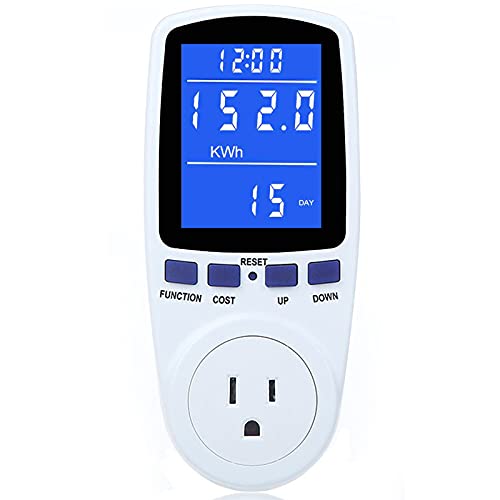
Upgraded Watt Power Meter Plug Home Electrical Usage Monitor Consumption, Energy Voltage Amps Kill Tester with Backlight, Overload Protection, 7 Modes Display
- Multiple Monitoring Parameters: Displays power, energy, volts, amps, and more
- Clear Large LCD Screen: 2.36×1.85 inch backlit display with wide angles
- Adjustable Backlight Duration: Five backlight time options for convenience
As an affiliate, we earn on qualifying purchases.
As an affiliate, we earn on qualifying purchases.
Frequently Asked Questions
Can Watt Meters Measure Both AC and DC Power ACcurately?
Yes, watt meters can measure both AC and DC power accurately, but you need to check the device compatibility first. Some watt meters are designed specifically for AC power measurement, while others can handle both AC and DC. Always verify the specifications to confirm the device suits your needs. Properly choosing a watt meter that supports both types of power measurement helps you get accurate readings for your projects.
What Safety Features Should I Look for in a Watt Meter?
Think of safety features in a watt meter as your digital shield against surprises. You should look for protective features like overload protection, insulated probes, and clear safety standards compliance. These guarantee your device can handle unexpected power spikes without mishaps. Prioritizing safety standards ensures your meter is built with reliable protective features, giving you peace of mind while you monitor power, so you stay safe and your equipment stays protected.
How Does Watt Meter Calibration Impact Measurement Accuracy?
Watt meter calibration directly impacts measurement precision by guaranteeing readings remain accurate over time. Regular calibration frequency, based on usage and manufacturer recommendations, helps prevent drift and inaccuracies. When you calibrate your watt meter consistently, you maintain reliable power measurements, avoiding costly errors. Proper calibration allows you to trust your readings, especially in critical applications, and ensures your watt meter performs at its best for precise energy monitoring.
Are There Portable Watt Meters Suitable for Outdoor Use?
Think of a portable watt meter as your trusty sidekick for outdoor adventures. Yes, there are models with a portable design built specifically for outdoor durability, so you can measure energy usage without worry. These meters are compact, lightweight, and rugged, making them perfect for camping, solar setups, or fieldwork. With the right choice, you’ll have a reliable tool that can keep up with your outdoor energy needs.
What Is the Typical Lifespan of a High-Quality Watt Meter?
A high-quality watt meter typically lasts around 3 to 5 years, depending on usage and maintenance. You should keep an eye on battery life and replace batteries as needed to guarantee accurate readings. Durability concerns, like exposure to harsh conditions, can shorten its lifespan. To maximize longevity, choose a watt meter with sturdy build quality and protect it from extreme temperatures and moisture. Regular calibration also helps maintain accuracy over time.
Upgraded Watt Power Meter Plug Home Electrical Usage Monitor Consumption, Energy Voltage Amps Kill Tester with Backlight, Overload Protection, 7 Modes Display
- Multiple Monitoring Parameters: Displays power, energy, volts, amps, and more
- Clear Large LCD Screen: 2.36×1.85 inch backlit display with wide angles
- Adjustable Backlight Duration: Five backlight time options for convenience
As an affiliate, we earn on qualifying purchases.
As an affiliate, we earn on qualifying purchases.
Conclusion
Choosing the right watt meter can seem overwhelming, but understanding common mistakes helps you make smarter decisions. Don’t fall for myths like believing higher wattage always means better accuracy—research shows that reputable brands and proper calibration matter more. By avoiding these pitfalls, you guarantee precise readings and better energy management. Remember, a well-chosen watt meter isn’t just about numbers; it’s about gaining control over your energy use and saving money in the long run.
Upgraded Watt Power Meter Plug Home Electrical Usage Monitor Consumption, Energy Voltage Amps Kill Tester with Backlight, Overload Protection, 7 Modes Display
- Multiple Monitoring Parameters: Displays power, energy, volts, amps, and more
- Clear Large LCD Screen: 2.36×1.85 inch backlit display with wide angles
- Adjustable Backlight Duration: Five backlight time options for convenience
As an affiliate, we earn on qualifying purchases.
As an affiliate, we earn on qualifying purchases.
Upgraded Watt Power Meter Plug Home Electrical Usage Monitor Consumption, Energy Voltage Amps Kill Tester with Backlight, Overload Protection, 7 Modes Display
- Multiple Monitoring Parameters: Displays power, energy, volts, amps, and more
- Clear Large LCD Screen: 2.36×1.85 inch backlit display with wide angles
- Adjustable Backlight Duration: Five backlight time options for convenience
As an affiliate, we earn on qualifying purchases.
As an affiliate, we earn on qualifying purchases.
Back to school Picks
back to school
As an affiliate, we earn on qualifying purchases.