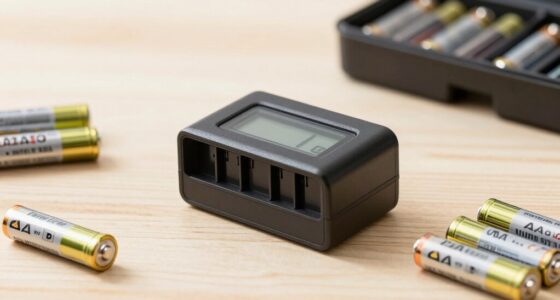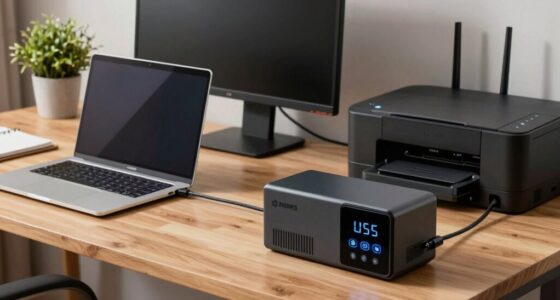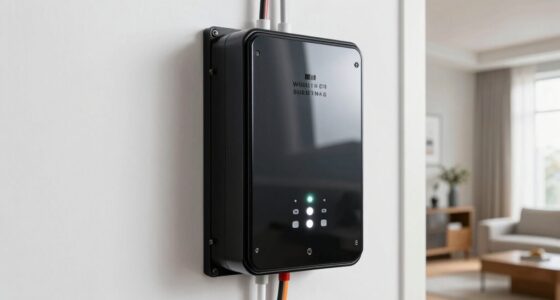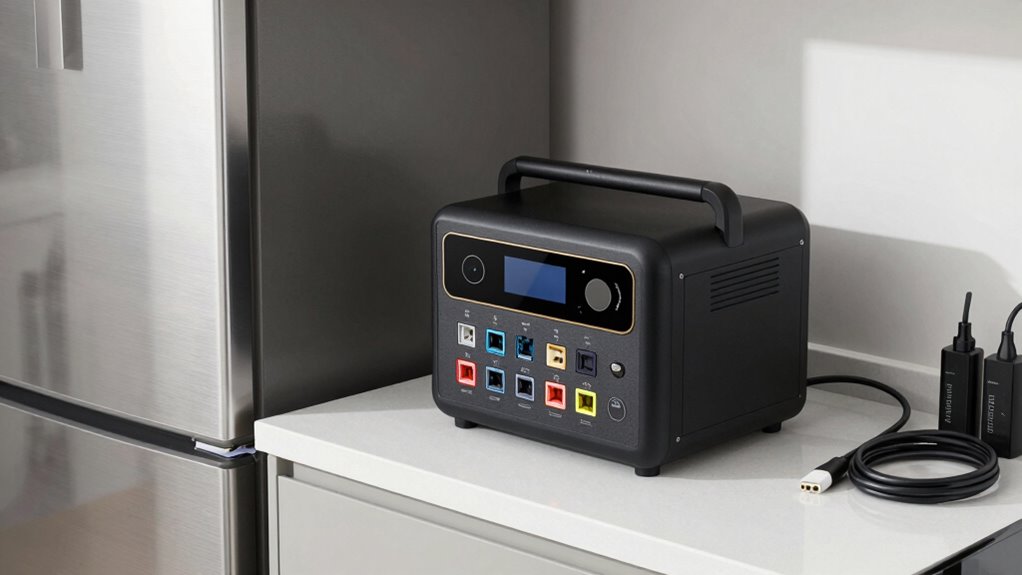

When it comes to safeguarding your refrigerator during power outages, choosing the right power station is key. For 2026, I’ve identified five options that balance cost, capacity, and portability. Top picks include the BLUETTI FridgePower for its slim design and expansion potential, the Anker SOLIX S2000 for long runtime and solar support, and the EF ECOFLOW Delta 3 Classic for fast recharge and high capacity. Each offers unique strengths but also involves tradeoffs like weight, runtime limits, or initial cost. This guide helps clarify which choice best suits your needs.

Get books, candles and calm essentials delivered free — and shop member deals
- Fast, free delivery on millions of items
- Access to Prime Big Deal Days deals on October 6–7
- Prime Video, Amazon Music and more included
Key Takeaways
- The BLUETTI FridgePower offers a slim profile with expansion capabilities, ideal for space-constrained setups.
- Anker SOLIX S2000 provides the longest runtime and supports renewable energy via solar input, suitable for prolonged outages.
- EF ECOFLOW Delta 3 Classic combines fast charging and high capacity, making it versatile for various backup scenarios.
- Daran Portable Power Station is a compact, lightweight option suitable for camping and emergency use but has lower capacity.
- All options involve tradeoffs between size, runtime, and initial investment, so understanding your primary backup needs is essential.
| BLUETTI FridgePower Power Station, 2016Wh Expandable 4032Wh LFP Battery |  | Best Overall for Compact Refrigerator Backup | Voltage: 120 volts | Form Factor: Compact | Maximum Power: 1800 watts | VIEW ON AMAZON | See Our Full Breakdown |
| Anker SOLIX S2000 Portable Power Station, 2010Wh, 3000W Peak, Home Backup |  | Best for Long-Lasting Home Backup with Solar Support | Watt-hours: 2010Wh | Peak Power: 3000W | Runtime: 35 hours | VIEW ON AMAZON | See Our Full Breakdown |
| Daran Portable Power Station 600W (1200W Surge) – 288Wh Solar Generator with LiFePO4 Battery |  | Best for Compact, Emergency or Camping Power | Power Output: 600W (1200W surge) | Battery Capacity: 288Wh | Weight: 8.3 lbs | VIEW ON AMAZON | See Our Full Breakdown |
| EF ECOFLOW Portable Power Station Delta 3 Classic, 1024Wh, 1800W AC |  | Best for Fast Recharge and Versatility | Capacity: 1024Wh | AC Output: 1800W (3600W surge) | Recharge Time: 2.5 hours | VIEW ON AMAZON | See Our Full Breakdown |
| BLUETTI FridgePower Portable Power Station, 2016Wh, 1800W, LFP Battery Backup |  | Best for Slim, Wall-Mountable Refrigerator Backup | Capacity: 2016Wh | Power Output: 1800W | Standby Power Consumption: 4W | VIEW ON AMAZON | See Our Full Breakdown |
More Details on Our Top Picks
BLUETTI FridgePower Power Station, 2016Wh Expandable 4032Wh LFP Battery
The BLUETTI FridgePower stands out for its slim, space-saving design combined with a substantial 2016Wh capacity. Its ultra-low standby power consumption means it can keep your fridge running longer on a single charge—around 4 hours at full load—making it perfect for short outages. The ability to expand capacity to over 8000Wh with additional batteries is a major plus for those wanting more runtime. However, its weight (44 pounds) and primary focus on backup rather than continuous use mean it’s less suited for regular, prolonged operation. It’s a smart choice for homeowners who need a discreet, expandable backup solution that can fit behind appliances or on walls.
Pros:- Ultra-low standby power consumption extends runtime
- Slim profile fits behind appliances or on walls
- Fast switching UPS for seamless power transfer
- Smart app alerts and voice control compatibility
Cons:- Limited runtime at full load (~4 hours)
- Heavy weight making frequent movement difficult
- Primarily designed for backup, not extended use
Best for: Homeowners looking for a space-efficient, expandable refrigerator backup solution.
Not ideal for: Users needing continuous power or longer runtimes without expansion options.
- Voltage:120 volts
- Form Factor:Compact
- Maximum Power:1800 watts
- Output Wattage:1800 watts
- Runtime:4 hours
- Item Weight:44 pounds
Our verdict“A compact, expandable choice perfect for space-constrained homes needing reliable refrigerator backup.”
Anker SOLIX S2000 Portable Power Station, 2010Wh, 3000W Peak, Home Backup
The Anker SOLIX S2000 offers an impressive 2010Wh capacity coupled with a peak power of 3000W, making it suitable for longer outages and high-demand appliances like refrigerators. Its lightweight (35.7 pounds) and compact form factor make it easier to move or store. The support for solar input up to 400W allows for renewable energy use, extending its utility in off-grid or prolonged emergency scenarios. The downside? It lacks a dedicated 12V DC port, which some may need for certain appliances. While it’s pricier than other options, its long lifespan and versatility justify the investment for those prioritizing long runtimes and eco-friendly recharging.
Pros:- High-capacity 2010Wh battery with long lifespan
- Supports solar input for renewable energy
- Lightweight for its size and capacity
- Multiple outlets for versatile device charging
Cons:- No 12V DC port available
- Price may be high for budget buyers
- Limited runtime for very high-power devices
Best for: Homeowners seeking long runtime with renewable power options and portability.
Not ideal for: Users who require a dedicated 12V DC outlet or a lower-cost backup option.
- Watt-hours:2010Wh
- Peak Power:3000W
- Runtime:35 hours
- Battery Type:LiFePO4
- Cycle Life:10,000 cycles
- Solar Support:Up to 400W
Our verdict“A versatile, long-lasting backup power station ideal for eco-conscious users who need extended runtime.”
Daran Portable Power Station 600W (1200W Surge) – 288Wh Solar Generator with LiFePO4 Battery
The Daran Portable Power Station offers 288Wh of capacity with a 600W continuous and 1200W surge power output. Its lightweight (8.3 lbs) and small dimensions make it ideal for camping, RV use, or emergency situations where portability is key. The LiFePO4 battery ensures over 3500 cycles for long-term reliability. However, its limited capacity is a major consideration—it’s not suitable for powering larger appliances or longer backup needs. It’s best seen as a supplemental or portable power source rather than a primary refrigerator backup for extended outages.
Pros:- High power output suitable for multiple small devices
- Long-lasting LiFePO4 battery with over 3500 cycles
- Very lightweight and portable
- Fast recharge options including solar
Cons:- Limited capacity not suitable for long-term refrigerator backup
- Does not include car charging or solar panels
- Limited to devices within 600W draw
Best for: Campers, RV owners, or emergency kit owners needing portable power for small devices.
Not ideal for: Users requiring longer runtime or to power larger household appliances like refrigerators.
- Power Output:600W (1200W surge)
- Battery Capacity:288Wh
- Weight:8.3 lbs
- Cycle Life:3500+ cycles
- Ports:2x AC, USB-C PD60W, USB-A, DC input/output
Our verdict“A compact, portable option best suited for short-term, small appliance backup or outdoor activities.”
EF ECOFLOW Portable Power Station Delta 3 Classic, 1024Wh, 1800W AC
The EF ECOFLOW Delta 3 Classic features a 1024Wh capacity with 1800W continuous power, suitable for basic refrigerator backup and other household appliances. Its fast 2.5-hour recharge via solar or AC makes it convenient for quick turnaround times. The smart app control adds a layer of remote management, and the high surge capacity ensures it can handle brief power spikes. The main limitation is its weight at nearly 27 pounds, which could be a concern for portability. Nevertheless, it offers a good balance of capacity and rapid recharge for users who need flexibility and quick recovery after outages.
Pros:- High capacity suitable for many household appliances
- Fast recharge time with solar and AC options
- Smart app control for monitoring
- Reliable UPS with quick switch-over
Cons:- Relatively heavy for portable use
- Limited outlets for larger setups
- Capacity may be insufficient for longer outages
Best for: Home users who want a reliable, fast-recharging backup for essential appliances.
Not ideal for: Those needing extended runtime or lightweight portability for frequent outdoor use.
- Capacity:1024Wh
- AC Output:1800W (3600W surge)
- Recharge Time:2.5 hours
- Weight:26.7 pounds
- Surge Power:3600W
Our verdict“A well-rounded option for quick-recharge backup needs, ideal for users prioritizing speed and convenience.”
BLUETTI FridgePower Portable Power Station, 2016Wh, 1800W, LFP Battery Backup
The BLUETTI FridgePower combines a high capacity of 2016Wh with a slim, 75mm thick profile designed for household refrigerator backup. Its intelligent UPS modes and voice control make it user-friendly, while the ability to expand capacity with BlueCell batteries offers long-term flexibility. The main drawback is that it operates at a fixed 120V, which might limit its use in regions with different standards. Its high efficiency and wall-mount support make it ideal for those wanting a discreet, reliable backup solution that integrates seamlessly into their home.
Pros:- Ultra-slim, wall-mountable design fits most spaces
- High efficiency with potential for capacity expansion
- Smart UPS modes and voice control
- Supports multiple household appliances
Cons:- Limited to 120V voltage regions
- Higher initial cost for capacity expansion
- Requires setup for maximum runtime
Best for: Homeowners who prefer a slim, mountable backup system for refrigerators and household appliances.
Not ideal for: Regions outside 120V areas or users seeking a low-capacity portable unit.
- Capacity:2016Wh
- Power Output:1800W
- Standby Power Consumption:4W
- Expansion Capacity:8064Wh with BlueCell batteries
- Design Thickness:75mm
Our verdict“A versatile, space-efficient choice for those wanting a high-capacity, discreet refrigerator backup.”

How We Picked
In selecting these power stations, I focused on models that specifically balance affordability with sufficient capacity for refrigerator backup. I prioritized units with at least 2000Wh capacity or expandable options to ensure longer runtimes. Portability was also key, especially for models that can be easily stored or moved during outages. Features like fast recharging, multiple outlets, and smart controls were considered to enhance usability. I compared specs, user reviews, and overall value to identify options that deliver reliable backup power without unnecessary extras or exorbitant costs.
Factors to Consider When Choosing Value Power Station For Refrigerator Backup
Selecting the right power station for refrigerator backup involves balancing capacity, portability, and features. Consider how long your typical outage lasts, whether you need expandability, and if you prefer a compact or more powerful unit. Understanding these factors helps narrow down options that provide reliable power without unnecessary extras or high costs.
Capacity and Runtime
The most critical factor is the capacity measured in watt-hours (Wh). For refrigerator backup, aim for at least 2000Wh to ensure several hours of operation. If longer runtimes are needed, look for expandable units or those with high-capacity batteries. Be aware that runtime depends heavily on the refrigerator’s power draw, typically around 100-200W, so choose a power station with sufficient margin to handle starting surges and additional devices.
Portability and Size
If you plan to store the power station in a specific space or move it during outages, weight and size matter. Slim, wall-mountable designs like the BLUETTI FridgePower fit well in tight spaces, while larger units like the ECOFLOW Delta offer more capacity but are heavier. For outdoor or camping use, a lightweight, compact option like the Daran is preferable, but it won’t power a refrigerator for long.
Features and Recharging
Look for fast recharge times, especially if outages are frequent or unpredictable. Solar support adds value for off-grid use, while smart controls and app monitoring improve ease of use. If seamless power transfer during outages is important, prioritize units with UPS modes that switch instantly. Consider expandability if you want to extend runtime over time.
Budget and Value
While initial cost is a factor, think about long-term value—capacity, durability, and expandability can justify higher prices. For those on a tight budget, smaller units with lower capacity may suffice for short outages, but investing in a higher-capacity, expandable model offers better overall reliability for refrigerator backup.
Frequently Asked Questions
How much capacity do I need to run a refrigerator during an outage?
Most refrigerators consume between 100 and 200W when running, and their surge can be higher at startup. For backup purposes, a power station with at least 2000Wh capacity provides around 10-20 hours of runtime, assuming a typical refrigerator drawing 150W. If your outages tend to last longer, consider units with expandable capacity or higher initial watt-hour ratings for added peace of mind.
Can these power stations support multiple appliances at once?
Yes, many of these units offer multiple outlets, allowing you to power a refrigerator along with other essential devices like lights or a small TV during an outage. However, always check the total wattage capacity and surge ratings to ensure your combined devices do not exceed the station’s limits. Units like the Anker SOLIX S2000 and ECOFLOW Delta excel here with multiple outlets and high surge capacities.
Is it worth investing in a portable power station for refrigerator backup?
It depends on your typical outage duration and space constraints. Portable units are especially useful for short-term outages or when space is limited, as they can be stored away easily. For longer or more frequent outages, a larger, more powerful, or expandable station might be worth the investment, providing more prolonged and reliable power. Consider your specific backup needs to decide if portability outweighs capacity.
How do solar panels work with these power stations?
Many of these stations support solar input, allowing you to recharge using sunlight, which is especially useful in off-grid situations or prolonged outages. The recharge time varies based on the solar panel wattage and sunlight availability. For example, the ECOFLOW Delta 3 can recharge in about 2.5 hours with a 500W panel. Solar support adds flexibility but requires additional investment in compatible panels.
What are the main tradeoffs between capacity and portability?
Higher capacity units tend to be larger and heavier, making them less portable but more suitable for extended backup needs. Conversely, smaller, lightweight units are easier to store and move but often provide limited runtime, insufficient for powering a refrigerator over long outages. Your choice should balance how much power you need against how portable you want the station to be.
Conclusion
If you primarily need a space-saving, expandable backup for your refrigerator and household appliances, the BLUETTI FridgePower is an excellent choice. For those who want long runtime and eco-friendly recharging options, the Anker SOLIX S2000 fits well. If quick recharging and versatility are your priorities, the EF ECOFLOW Delta 3 Classic offers a compelling balance. Budget-conscious buyers or outdoor enthusiasts should consider the Daran Portable Power Station for portable, short-term power. Ultimately, your selection depends on your outage duration, space constraints, and whether you prefer expandability or portability.
Fall Picks
fall essentials
As an affiliate, we earn on qualifying purchases.