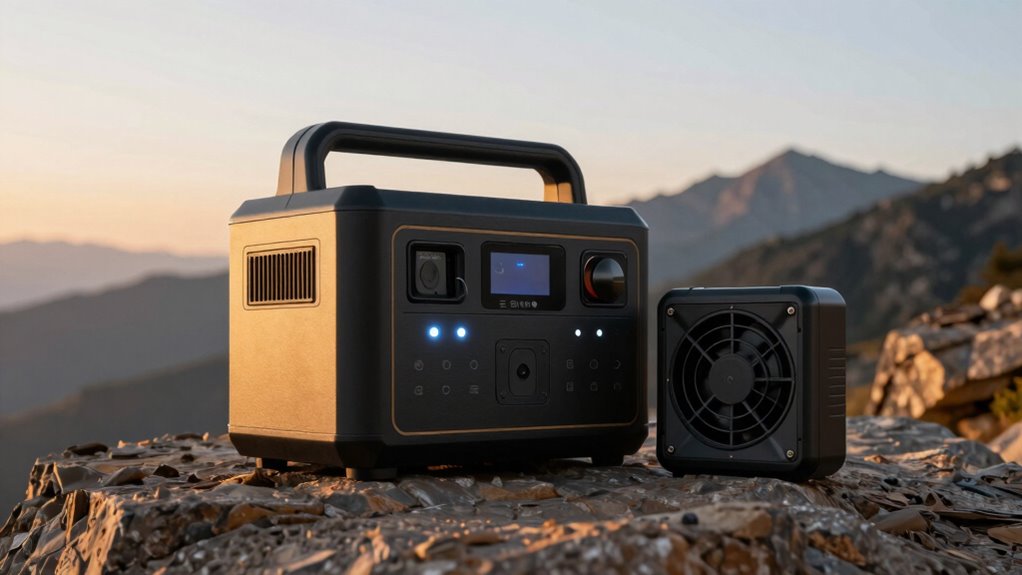

When searching for a value portable power station, the goal is to find a device that offers reliable power without breaking the bank. The Jackery Explorer 300 stands out as the overall best pick for its solid performance at an accessible price, making it ideal for most users. The GRECELL 519Wh Solar Generator offers impressive capacity at a competitive cost, perfect for those who need more juice on a budget. However, buyers should weigh tradeoffs like capacity, weight, and charging options, as cheaper models can sometimes lack durability or versatility. Keep reading for a detailed breakdown of the best options and what to look for in a value portable power station.

Turn your quiet moments into listening time
- Thousands of audiobooks, podcasts and originals
- Listen on your phone, tablet or Echo — also offline
- Cancel anytime
Complete the kit


Key Takeaways
- The Jackery Explorer 300 balances performance and affordability, making it a top overall choice.
- Capacity varies significantly; larger units like the BLUETTI AC180 provide more power but at a higher price and weight.
- Solar compatibility is common, but the included panels and charging times differ, affecting usability in off-grid scenarios.
- Build quality and battery chemistry, such as LiFePO4 versus lithium-ion, impact longevity and safety.
- Weight and size are crucial for portability; lighter models excel for travel but may have limited capacity.


| value portable power station | Capacity | Weight | Charge Cycles |
|---|---|---|---|
| Portable Power Station 300W | 192Wh | 8.8 lbs | 4000+ |
| Jackery Explorer 300 Portable | 292Wh | 7.5 lbs | Over 4,000 |
| EnginStar Portable Power Stati | 296Wh | 6.5 pounds | Over 1000 |
| Jackery Explorer 1000 v2 Porta | 1070Wh | 23.8 lbs | 4000 |
| GRECELL Portable Power Station | — | — | — |
| Jackery Solar Generator 300 wi | 292Wh | 7.5 lbs | over 4,000 |
| UDPOWER S1200 Portable Power S | — | — | — |
| 1000W Portable Power Station 1 | 1024Wh | 27.73 lbs | — |
| BLUETTI AC180 Portable Power S | — | — | — |
More Details on Our Top Picks
Portable Power Station 300W, 600W Surge Solar Generator 192Wh
This compact power station stands out for its rapid recharge capability and durable LiFePO4 battery, making it a reliable choice for emergency backups or outdoor adventures. Compared with the Jackery Explorer 300, it offers a slightly larger surge capacity and a built-in UPS, which can be critical during power outages. However, its 192Wh capacity limits its use for high-power appliances and requires a separate solar panel for recharging, adding to overall cost. Its multiple ports make it versatile for small devices, but it isn’t suited for heavy-duty or prolonged power needs.
This pick makes the most sense for outdoor enthusiasts or emergency preppers who need quick recharging and long cycle life without high wattage demands.
Pros:- Fast recharge from 0% to 80% in just 1 hour
- Long-lasting LiFePO4 battery with over 4000 charge cycles
- Multiple output ports for versatile device charging
- Built-in UPS for seamless power during outages
Cons:- Solar panel sold separately, increasing overall cost
- Limited capacity for heavy-duty appliances
Best for: Campers and emergency preppers needing reliable backup with fast recharge
Not ideal for: Users requiring to power high-wattage appliances like hair dryers or coffee machines for extended periods
- Wattage:300 watts
- Surge Power:600W
- Capacity:192Wh
- Recharge Time:1 hour from 0% to 80%
- Ports:2 AC outlets, 1 USB-C (65W PD), 2 USB-A, 1 car outlet
- Battery Type:LiFePO4
- Charge Cycles:4000+
- Weight:8.8 lbs
- Dimensions:5.9 x 9.4 x 7.3 inches
Our verdict“This power station suits those looking for quick recharge and reliable backup power for small devices in outdoor or emergency scenarios.”
Jackery Explorer 300 Portable Power Station, 292Wh
This model excels in portability, weighing only 7.5 pounds, and offers 292Wh capacity, making it ideal for short outdoor excursions or as a mobile device charger. Its multiple outlets—AC, USB-C, USB-A, and car port—compare favorably with the EnginStar for device versatility, though it lacks the built-in UPS feature. Its LiFePO4 chemistry guarantees over 4,000 charge cycles, ensuring long-term reliability. The main tradeoff is its limited capacity, which means it won’t support larger appliances or extended use without frequent recharging, especially since solar support is optional and not included.
This pick makes the most sense for hikers, picnickers, or travelers who prioritize weight and ease of use over high power capacity.
Pros:- Extremely lightweight and portable
- Multiple device charging options
- Supports fast solar charging
- Durable LiFePO4 battery with over 4,000 cycles
Cons:- Solar panel not included, additional purchase required
- Limited capacity restricts use for high-wattage or long-term needs
Best for: Hikers and travelers needing portable charging for small devices
Not ideal for: Users planning to power larger appliances or needing long-duration power support
- Capacity:292Wh
- Weight:7.5 lbs
- Outlets:2 AC, 1 USB-C PD, 2 USB-A, 1 car port
- Peak Surge:600W
- Charge Cycles:Over 4,000
- Charging Time with 100W Solar Panel:Approximately 2.8 hours
Our verdict“This power station fits active users seeking lightweight, reliable device charging with long-lasting battery life.”
EnginStar Portable Power Station 300W 296Wh Solar Generator
The EnginStar offers a highly portable solution with 296Wh capacity and a 300W AC output, slightly edging out the Jackery Explorer 300 in capacity and size. Its compact dimensions and weight of 6.5 pounds make it easy to carry for camping or emergency use. It features multiple charging options, including solar, wall, and car, with safety protections that appeal to users seeking reliable power for phones, laptops, and small appliances. However, it caps at 300W, limiting its ability to handle high-wattage devices, and lacks the advanced app control found in the Jackery Explorer 1000.
This device is best suited for outdoor enthusiasts or emergency users who need a lightweight, multi-device charger without high power demands.
Pros:- Lightweight and compact design
- Multiple charging options including solar, wall, and car
- Pure sine wave AC outlets for sensitive electronics
- Safe with advanced battery management system
Cons:- Limited to 300W power output
- Battery capacity may be insufficient for larger devices or longer use
Best for: Outdoor adventurers and emergency kit builders with modest power needs
Not ideal for: Those needing to run high-wattage appliances or expecting long-term power support
- Capacity:296Wh
- Power Output:300W
- Dimensions:9 x 5.5 x 7.5 inches
- Weight:6.5 pounds
- AC Outlets:2 (110V pure sine wave)
- Charge Cycles:Over 1000
Our verdict“This power station is a practical choice for portability-focused users needing reliable, multi-device charging for small electronics.”
Jackery Explorer 1000 v2 Portable Power Station, 1070Wh, 1500W
The Jackery Explorer 1000 v2 stands out for its high capacity and substantial power output, making it suitable for powering multiple high-wattage devices or for longer outdoor stays. With 1070Wh capacity and 1500W continuous power, it surpasses the smaller models like the EnginStar and Jackery Explorer 300, offering the ability to run refrigerators, small power tools, or multiple devices simultaneously. Its fast charging and durable battery chemistry support over 10 years of use, though it requires dedicated solar panels, adding to cost. The larger size and weight (23.8 pounds) make it less portable but more capable for serious power needs.
This model makes sense for RV travelers, event organizers, or emergency preparedness where sustained power is essential.
Pros:- High capacity suitable for multiple appliances
- Fast charging and long lifespan
- Multiple ports including USB-C and AC outlets
- App control for monitoring
Cons:- Requires additional investment in solar panels
- Heavy and less portable for casual users
Best for: RVers and outdoor users needing high capacity and multiple simultaneous device support
Not ideal for: Users with limited space or those seeking ultra-lightweight portable options
- Capacity:1070Wh
- AC Output:1500W
- Surge Peak:3000W
- Weight:23.8 lbs
- Charge Time:1 hour (fast charging)
- Charge Cycles:4000
Our verdict“Ideal for those who need robust, high-capacity power with fast recharge and long-term reliability for multiple devices or appliances.”
GRECELL Portable Power Station 500W, 519Wh Solar Generator Backup Lithium Battery Pack
The GRECELL offers a substantial 519Wh capacity with a 500W power output, making it a versatile option for outdoor use, camping, or emergency backup. It boasts a broad array of output options, including AC, USB-C, USB-A, DC, and even wireless charging, surpassing many competitors in flexibility. Its recharge options—solar, wall, or car—add to its convenience, and safety protections help safeguard sensitive electronics. While it can’t power devices over 500W, its high capacity and multiple charging methods make it a strong contender for those needing reliable, multi-device support without the bulk of larger units like the Jackery Explorer 1000.
This device is best suited for users who want a high-capacity, feature-rich portable power station for diverse device needs.
Pros:- Large 519Wh capacity supports multiple devices
- Multiple output options including wireless charging
- Rechargeable via solar, wall, or car
- Built-in safety protections
Cons:- Cannot power devices over 500W
- Additional purchase needed for solar panels
- Recharge time can be lengthy in low sunlight
Best for: Outdoor enthusiasts and emergency users needing high capacity and multiple outputs
Not ideal for: Those expecting to power high-wattage appliances or seeking ultra-compact solutions
- Power Output:500W
- Battery Capacity:519Wh
- AC Outlets:2 pure sine wave (110V/500W)
- USB-C PD Output:60W
- Wireless Charger:10W
- Recharge Time:6-9 hours (solar), 6-7 hours (wall), 7-8 hours (car)
Our verdict“This power station provides a balanced mix of capacity, versatility, and safety for users who need reliable, multi-device support in outdoor or emergency settings.”
Jackery Solar Generator 300 with 40W Solar Panel, 292Wh, 300W AC
The Jackery Explorer 300 shines in situations where portability is a priority, weighing just 7.5 lbs and offering versatile charging options. Compared to larger units like the BLUETTI AC180, it sacrifices capacity but wins for ease of carry and quick setup in outdoor settings. Its durable LiFePO4 battery promises over 4,000 charge cycles, making it a reliable companion for frequent outdoor use. However, it requires a separate purchase of solar panels, and its 300W output limits its ability to power high-demand devices. Charging times depend heavily on solar panel wattage, which might be slower than AC charging. This pick makes the most sense for campers, hikers, or outdoor enthusiasts needing lightweight, portable power for small devices.
Pros:- Extremely lightweight and portable at just 7.5 lbs
- Multiple device charging ports including USB-C and car outlet
- Long-lasting LiFePO4 battery with over 4,000 charge cycles
- Fast solar charging with compatible panels
Cons:- Requires separate purchase of solar panels, increasing overall cost
- Limited to 300W output, unsuitable for high-power devices
Best for: Outdoor lovers needing a lightweight, versatile power source for camping, hiking, or small device charging
Not ideal for: Homeowners or emergency prepers seeking high capacity or fast recharging for larger appliances
- Weight:7.5 lbs
- Capacity:292Wh
- AC Outlets:2
- USB-C PD Port:100W
- USB-A Ports:2
- Charge Cycles:over 4,000
Our verdict“This is an ideal choice for outdoor users prioritizing portability over high capacity or power output.”
UDPOWER S1200 Portable Power Station 1200W (Surge 1800W), Max 400W Solar Input, UPS, UL2743, for Home RV Emergency, Pure Sine Wave
The UDPOWER S1200 offers a substantial 1200W continuous power with a 1800W surge capacity, making it suitable for home backup, RV, and emergency needs. Its LiFePO4 battery surpasses many competitors like the GRECELL 519Wh in capacity, and with over 4000 cycles, it ensures durability over years. The multiple outlets and fast 1.5-hour AC charging make it versatile and quick to replenish. Still, its 400W solar input can slow down recharging in off-grid scenarios, and its weight and bulk might deter portability. The price isn’t specified, which could be a concern for budget-conscious buyers. This unit suits those who need reliable, long-term backup power with quiet operation and multiple outlets.
Pros:- High-capacity 1200W continuous power with long cycle life
- Multiple AC and USB-C outlets for versatile device charging
- Fast 1.5-hour AC recharge and solar compatibility
- Quiet operation under 25dB
Cons:- Limited solar input capacity may slow recharging outdoors
- Heavy and bulky, less suited for frequent transport
Best for: Homeowners, RV travelers, or emergency prepers seeking high-capacity, reliable power with fast recharge times
Not ideal for: Light campers or outdoor adventurers who prioritize ultra-lightweight gear and portability
- Power:1200W (surge 1800W)
- Cycle Life:4000+ cycles
- AC Outlets:5
- USB-C PD Ports:2
- Solar Input:Max 400W
- Charging Time:1.5 hours (AC)
Our verdict“This station is best for users needing dependable, long-term power in fixed locations like homes or RVs, rather than frequent outdoor portability.”
1000W Portable Power Station 1024Wh LiFePO4 for Outdoor & Home
The 1000W Portable Power Station provides a solid 1024Wh capacity with 1000W continuous output, making it well-suited for emergency backup or extended outdoor use. Its LiFePO4 battery offers a longer lifespan than typical lead-acid or smaller batteries, comparable to the ALLWEI 300W but with significantly more capacity. Weighing 27.73 lbs, it’s less portable than lighter models but still manageable for its size. Its multiple fast-charging ports—including AC, USB-C, and USB-A—enhance usability, though solar input is limited to 300W, which might extend recharge times. Overall, this option balances capacity and portability but is better suited for fixed or semi-permanent setups. This makes sense for those who need reliable power at home or in semi-permanent outdoor locations.
Pros:- Large 1024Wh capacity with 1000W continuous power
- Multiple fast-charging ports including USB-C and AC
- Supports solar charging and is relatively lightweight for its capacity
- Long lifespan with LiFePO4 battery, 3000 cycles
Cons:- Heavy at nearly 28 lbs, less ideal for frequent carrying
- Limited solar input capacity may slow recharging
Best for: Homeowners or campers needing substantial capacity with portable convenience for emergencies or off-grid use
Not ideal for: Individuals who prioritize ultra-lightweight gear or frequent mobility in outdoor settings
- Wattage:1000 watts
- Capacity:1024Wh
- Battery Type:LiFePO4
- Weight:27.73 lbs
- Dimensions:18″L x 12″W x 16″H
- Solar Input:up to 300W
Our verdict“This station is best for those needing substantial, reliable backup power that balances portability and capacity for home or semi-permanent outdoor use.”
BLUETTI AC180 Portable Power Station 1152Wh 1800W LiFePO4 Solar Generator
The BLUETTI AC180 stands out for its ability to charge fully in just 1 hour, making it ideal for users who need quick turnaround times. Its 1152Wh capacity and 1800W continuous output surpass many in the same class, such as the Jackery Explorer 300, which offers less capacity and power. The expandable 2700W output via app adds flexibility for future needs. However, it’s heavier and less portable than smaller options, which might limit outdoor mobility. Solar charging is efficient at under 3.3 hours with 500W input, but the unit’s weight makes it better suited for stationary use or backup power at home. The 5-year warranty adds reassurance. This model is perfect for users who prioritize rapid recharging and high power capacity in a semi-permanent setup.
Pros:- Charges fully in just 1 hour, saving time
- High capacity of 1152Wh and 1800W output
- Expandable to 2700W via app for increased power needs
- Includes a comprehensive set of accessories and a 5-year warranty
Cons:- Relatively heavy, less portable for frequent outdoor use
- Requires app for maximum power expansion
Best for: Home backup users or outdoor enthusiasts who need fast charging with high power output and expandability
Not ideal for: Lightweight campers or those needing ultra-portable units for frequent hiking trips
- Battery Capacity:1152Wh
- Battery Type:LiFePO4
- Charging Time:1 hour (AC)
- Max Output:1800W
- Solar Input:500W
- Warranty:5 years
Our verdict“This station appeals to users who need quick recharge times and high, expandable power for backup or semi-permanent use.”

How We Picked
Our evaluation focused on key factors that matter most for value: price-to-performance ratio, capacity, portability, build quality, and versatility. We prioritized products that deliver reliable power at a reasonable cost, considering their suitability for outdoor use, emergencies, or everyday backup. Each model was assessed on how well it balances these aspects, with extra points for features like solar input and multiple outlets, which enhance usability. The ranking reflects a combination of affordability, capacity, and user convenience, helping buyers find options that maximize value without unnecessary compromises.
Factors to Consider When Choosing Value Portable Power Station
Choosing the right value portable power station involves balancing several factors. Beyond price, consider how much power you need, the device’s portability, and its compatibility with other gear. Understanding these factors helps avoid common mistakes, like overpaying for capacity you won’t use or selecting a model that’s too heavy for your needs. The following sections highlight key considerations to guide your decision-making process.
Capacity vs. Portability
Higher capacity models deliver more runtime but tend to be larger and heavier. If you need portable power for camping or short trips, a compact unit like the Jackery Explorer 300 offers a good mix. For longer outages or heavier device use, larger models like the BLUETTI AC180 provide extended power but may be less convenient to carry. Prioritize capacity based on your typical power needs, but keep in mind that increased size can limit mobility.
Battery Chemistry and Longevity
Battery chemistry impacts durability and safety. Models with LiFePO4 batteries generally last longer and are safer, making them better long-term investments. Cheaper lithium-ion options may degrade faster over cycles, reducing usable capacity over time. For frequent use or prolonged ownership, selecting a unit with LiFePO4 technology can be more cost-effective in the long run, despite a slightly higher initial price.
Charging Options and Speed
Fast charging and multiple input options, such as solar, AC, or car adapters, enhance flexibility. Solar compatibility is especially valuable for off-grid use, but the efficiency depends on panel quality and size. Some models offer rapid recharge times, which can be a game-changer during emergencies. Consider your typical charging environment and select a station that balances input options and speed to match your lifestyle.
Number and Type of Outlets
The variety of outlets determines what devices you can power simultaneously. Look for units with AC outlets, USB-C, and USB-A ports, especially if you plan to charge different electronics. More outlets increase versatility but often add to the size and weight. Ensure the power output matches your essential devices’ requirements to avoid overloading or underperformance.
Price and Overall Value
Price shouldn’t be the sole factor; evaluate what you get for your money. Some models strike a good balance, offering decent capacity and features at a fair cost, while others may be overpriced for their capabilities. Watch for hidden costs like the need for additional solar panels or replacement batteries. A wise purchase aligns features with your specific needs, maximizing utility without unnecessary extras.
Frequently Asked Questions
Can a value portable power station run my essential appliances?
Most value models can power small appliances like lights, phones, and small radios effectively. However, for larger devices such as refrigerators or power tools, you’ll need a unit with higher wattage capacity and surge power. Check the continuous and surge watt ratings carefully to ensure compatibility with your essential appliances. If you plan to use the station for critical devices, prioritize models with higher surge capacities and robust build quality.
How long will a portable power station last during a power outage?
The runtime depends on your device load and the station’s capacity. For example, a 300Wh unit can power a 60W device for about 4-5 hours, while larger units like the 1070Wh Jackery Explorer 1000 can last much longer. Keep in mind that if you have multiple devices, the total draw will reduce runtime. Planning for your typical power needs helps determine the right capacity for longer outages or more devices.
Is it worth paying more for a portable power station with solar input?
Investing in a model with solar input can be worthwhile if you frequently camp, hike, or experience prolonged power outages. Solar charging adds versatility, allowing you to replenish power sustainably and independently from the grid. However, the efficiency of solar panels varies, and larger panels or higher wattage inputs cost more. Weigh the upfront investment against your typical usage patterns and the importance of off-grid independence.
Which battery type offers the best longevity for a portable power station?
LiFePO4 batteries are generally considered the best choice for longevity and safety. They can withstand more charge cycles—often over 2,000—compared to traditional lithium-ion batteries, which may last 500-1,000 cycles. While LiFePO4 units tend to be more expensive initially, their extended lifespan makes them a more economical option over time, especially for frequent use or emergency preparedness.
How do I know if a portable power station is truly portable?
Portability is usually determined by weight and size in relation to capacity. Smaller units like the Jackery Explorer 300 weigh under 7 pounds, making them easy to carry, while larger models like the BLUETTI AC180 can weigh over 50 pounds. Consider your ability to carry the device over distances, especially if you’ll be hiking, camping, or traveling. Features like handles or wheels can also improve ease of transport in larger models.
Conclusion
For most users seeking value, the Jackery Explorer 300 offers an excellent balance of performance, size, and affordability, making it the best overall pick. Those who prioritize capacity and long-term durability may prefer the BLUETTI AC180 or units with LiFePO4 batteries. Budget-conscious buyers who want reliable power for short trips should consider smaller models like the ALLWEI 256Wh. For emergency preparedness or outdoor enthusiasts, models with solar input and higher surge capacities like the UDPOWER S1200 provide extra versatility. Tailor your choice to your specific needs, balancing capacity, portability, and features for maximum value.
Halloween Picks
halloween
As an affiliate, we earn on qualifying purchases.