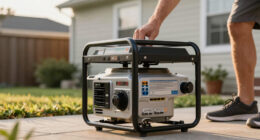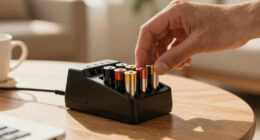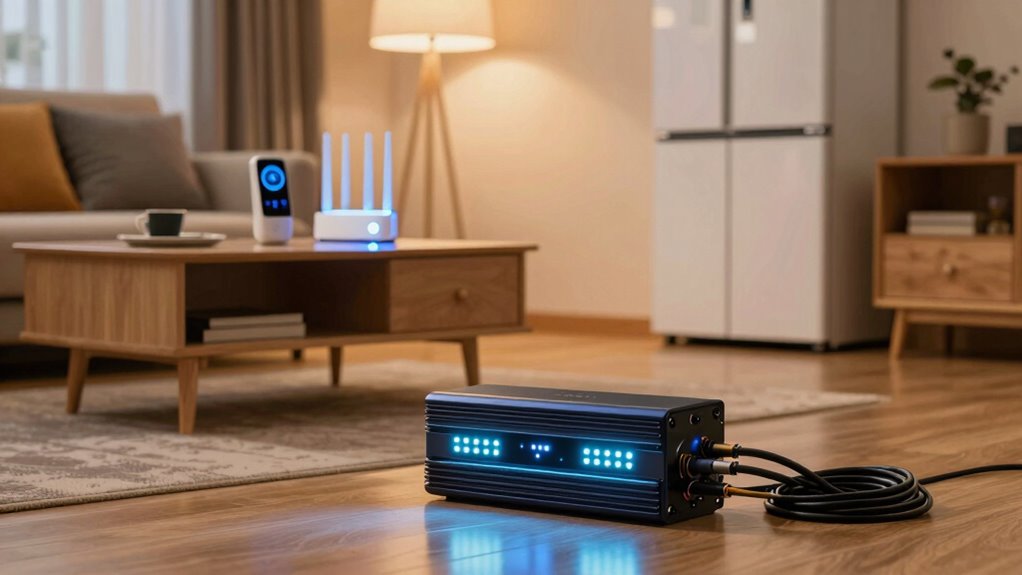

During a power outage, your first priority is to power safety systems like smoke detectors, CO alarms, and emergency lighting. Then, focus on medical devices such as oxygen concentrators or CPAP machines to protect health. Next, preserve your food and water supplies by keeping refrigeration cold and storing bottled water. Maintain communication devices to stay connected, and avoid wasting power on non-essential appliances. Keep these priorities in mind to stay safe, and you’ll be better prepared for anything—more tips follow.
Key Takeaways
- Prioritize powering safety devices like smoke detectors, CO alarms, and emergency lighting first.
- Ensure critical medical equipment, such as oxygen concentrators and CPAP machines, remains operational.
- Secure refrigeration and water sources to preserve food and maintain safe drinking water.
- Keep communication devices, including radios and cell chargers, ready for emergency updates.
- Conserve energy by turning off non-essential appliances and limiting lighting to extend backup power.

LEVOIT Air Purifiers for Home Large Room Up to 1875 Ft² with Washable Pre-Filter, AHAM VERIFIDE, Air Quality Monitor, HEPA Sleep Mode for Allergies, Pet Hair in Bedroom, Vital 200S-P, White
𝐖𝐇𝐘 𝐂𝐇𝐎𝐎𝐒𝐄 𝐀𝐇𝐀𝐌 𝐕𝐄𝐑𝐈𝐅𝐈𝐃𝐄 𝐏𝐑𝐎𝐃𝐔𝐂𝐓𝐒: AHAM (Association of Home Appliance Manufacturers) is an ANSI-accredited organization that sets strict...
As an affiliate, we earn on qualifying purchases.
Assessing Your Critical Needs

Before prioritizing your backup options, it’s crucial to clearly identify your critical needs. Think about what a power outage would disrupt most in your daily life—like keeping your fridge cold, maintaining medical devices, or ensuring your home security. Make a list of these essential functions, focusing on items that directly impact safety, health, or essential comfort. Consider the devices you rely on daily and what happens if they lose power. This process helps you determine which systems must be powered immediately and which can wait. Be honest with yourself about your priorities. Understanding your critical needs ensures you don’t waste resources powering less important appliances, and it guides your decision-making when setting up your backup power plan. Recognizing your essential safety concerns is vital for creating an effective and reliable backup strategy. Additionally, evaluating your power needs based on your water filtration and other essential systems ensures a comprehensive approach to your household resilience. Incorporating backup power options that can handle your priority loads effectively will improve your overall preparedness. It’s also helpful to consider load prioritization to optimize your backup system’s efficiency and avoid overloading your power sources. Recognizing the importance of household resilience can help you make smarter, more sustainable choices for backup power.

LEVOIT Air Purifier for Home Large Room Up to 1073Ft² with Air Quality Monitor, AHAM VERIFIDE, Smart WiFi, Washable Pre-Filter, HEPA Sleep Mode for Pets, Allergies, Dust, Pollen, Vital 100S-P, White
𝐖𝐇𝐘 𝐂𝐇𝐎𝐎𝐒𝐄 𝐀𝐇𝐀𝐌 𝐕𝐄𝐑𝐈𝐅𝐈𝐃𝐄 𝐀𝐈𝐑 𝐏𝐔𝐑𝐈𝐅𝐈𝐄𝐑𝐒: AHAM (Association of Home Appliance Manufacturers) is an ANSI-accredited organization that sets...
As an affiliate, we earn on qualifying purchases.
Securing Essential Safety Systems
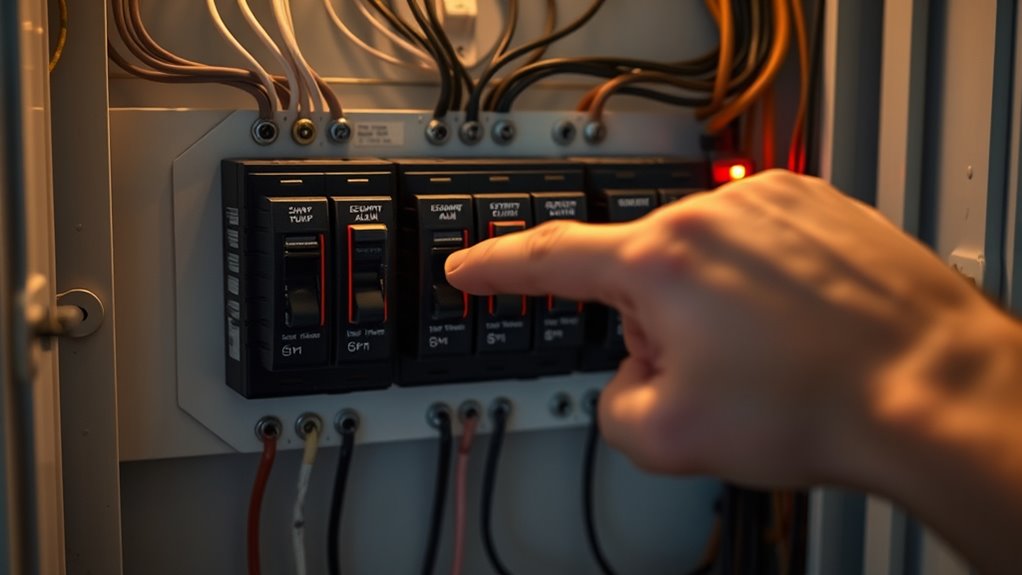
Securing your essential safety systems should be a top priority because their continuous operation directly impacts your well-being and security. These systems include smoke detectors, carbon monoxide alarms, security alarms, and emergency lighting. Ensuring they stay powered during an outage keeps your family safe and reduces risks of accidents or intrusions. Start by identifying the critical safety systems in your home and prioritize their backup power sources. Use reliable batteries or backup generators to maintain functionality. Regularly test these systems to confirm they work properly, and have spare batteries on hand. Remember, without power, safety devices can become useless, so securing their operation is an urgent step in your backup plan. Protecting these systems is essential to safeguarding everyone in your home during emergencies. Additionally, understanding the power requirements of your safety devices can help you design an effective backup solution. Knowing the energy consumption of each device allows for better planning of backup capacity and ensures continuous operation when needed. Incorporating redundant power sources can add an extra layer of security in case one backup method fails. Being aware of power management strategies can further optimize your backup setup and prevent system overloads. Integrating smart monitoring systems can provide real-time alerts and help you respond promptly to any power issues.

KNKA Air Purifier for Home Bedroom Large Room Up to 1,695 Ft² in 1 Hr, HEPA Air Cleaner with Washable Pre-Filter, AQI Display, ECO Mode, Sleep Mode, Pet Mode for Pets, Dust, Pollen, APH4000
𝐇𝐢𝐠𝐡 𝐂𝐀𝐃𝐑 𝐕𝐚𝐥𝐮𝐞: This air purifier provides reliable performance with a Smoke/Dust/PM2.5 CADR of 226 CFM (384 m³/h)...
As an affiliate, we earn on qualifying purchases.
Prioritizing Food and Water Preservation
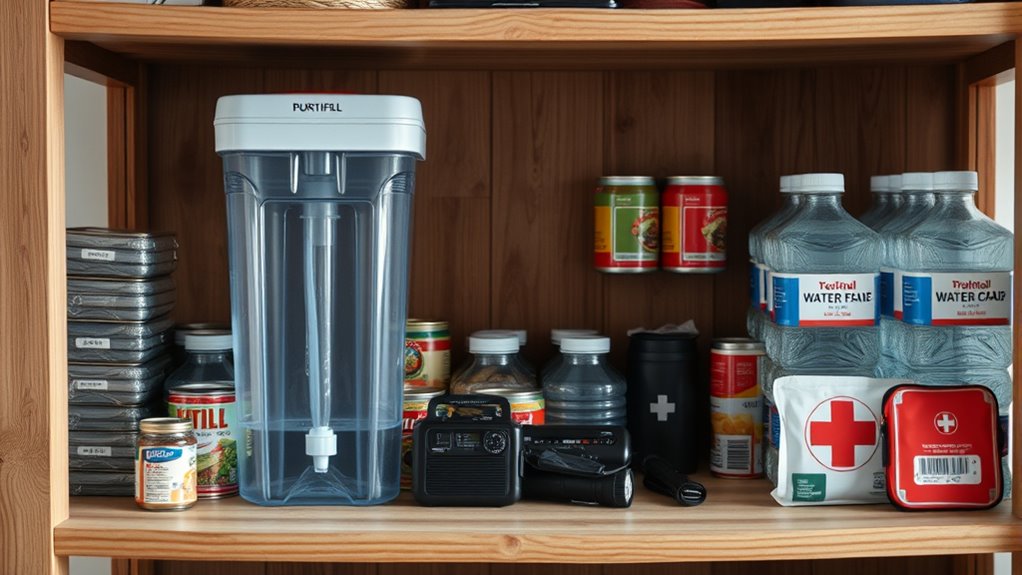
Have you considered how quickly food and water supplies can become scarce during an outage? Prioritizing their preservation is vital to survival. Start by securing refrigeration and freezer units to keep perishable foods cold. Use coolers or ice packs if power is out for extended periods. Stockpile bottled water and water purification supplies to guarantee safe drinking water. Organize storage to minimize spoilage and contamination. A clear plan helps you ration wisely and avoid waste. Proper air quality management during storage can also prevent spoilage and mold growth, ensuring your supplies stay safe. Additionally, monitoring temperature control is crucial to maintaining the safety of stored perishables. Being aware of emergency preparedness guidelines can further enhance your resilience during such events. Regularly practicing emergency response drills can help your household respond more effectively when needed. Understanding food safety principles is essential to avoid health risks during storage and consumption. Here’s a quick guide:
| Item | Priority Action |
|---|---|
| Perishable Food | Keep refrigerated or frozen |
| Bottled Water | Store in accessible, cool locations |
| Water Purification | Have filters or tablets ready |
| Non-perishable Food | Stock in dry, sealed containers |
| Cooling Devices | Use battery-powered fans or coolers |

LEVOIT Air Purifier for Home Allergens Pet Hair in Bedroom, Covers Up to 1073 ft² by 56W High Torque Motor, AHAM VERIFIDE, 3-in-1 Filter with HEPA Sleep Mode, Remove Dust Smoke Odor, Core300-P, White
WHY CHOOSE AHAM VERIFIDE AIR PURIFIERS: AHAM (Association of Home Appliance Manufacturers) is an ANSI-accredited organization that sets...
As an affiliate, we earn on qualifying purchases.
Maintaining Communication Capabilities
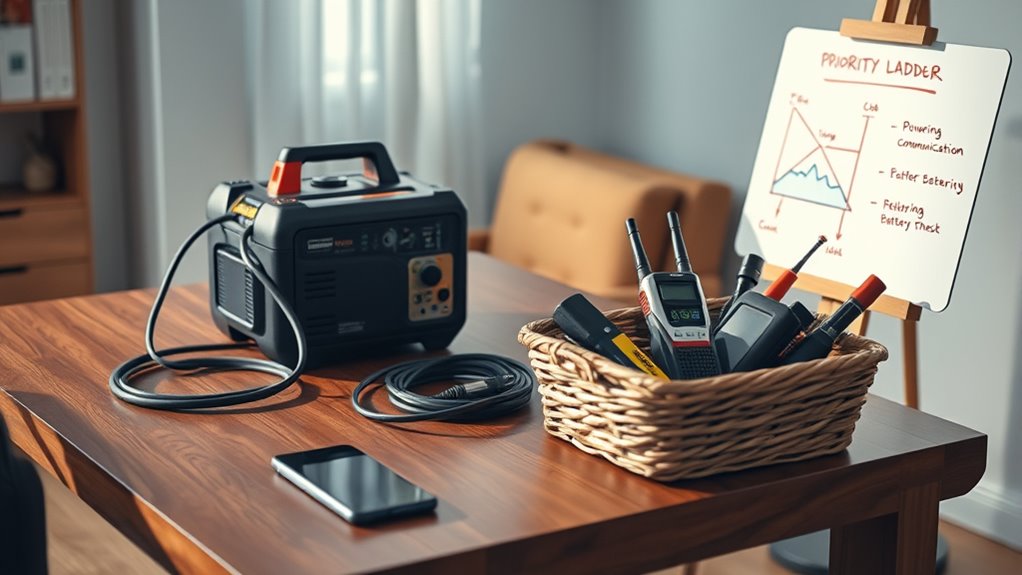
Make sure you have essential communication devices like a battery-powered radio or cell phone charger ready to go. Keep emergency contacts easily accessible and guarantee your power sources are reliable. Staying connected can be your lifeline during a crisis, so prioritize maintaining these communication capabilities. Ensuring your communication tools are reliable and charged can make all the difference in staying informed and safe. Incorporating local automation can also help streamline emergency alerts and ensure timely updates. Additionally, regularly testing and updating your communication equipment can prevent unforeseen failures when it matters most. Regularly verifying that your power sources are sufficient ensures uninterrupted use of your essential devices.
Essential Communication Devices
Maintaining reliable communication capabilities is essential during a power outage or emergency situation. Staying connected keeps you informed, reassures loved ones, and helps coordinate safety efforts. To guarantee you’re always reachable, prioritize powering your essential communication devices.
Consider these critical items:
- Cell phone and charger: Your lifeline to the outside world.
- Two-way radio: For local communication if cell networks fail.
- Battery or solar-powered charger: To keep devices running when power is out. Using aquatic exercise equipment like water-resistant radios can be beneficial in environments near water or during outdoor activities. Additionally, essential oils for communication may help promote mental clarity and reduce stress during tense situations, ensuring you can think clearly when it matters most.
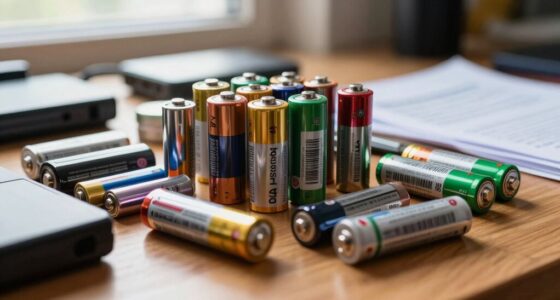
Having these devices ready provides peace of mind and swift access to help. Without them, you risk losing contact when it’s needed most. Prepare now to stay connected, no matter what happens, and ensure your communication gear is in working order and easily accessible. Regularly test and maintain your equipment to ensure it functions properly in an emergency. Properly store backup batteries in a dry, accessible location to prevent degradation and ensure availability when needed.
Powering Emergency Contacts
To guarantee you can quickly reach emergency contacts during a power outage, it’s essential to keep their numbers accessible through multiple channels. Store critical numbers in a physical notebook or on printed cards, and keep a small backup device, like a portable charger or hand-crank radio, charged and ready. Save emergency contacts on your mobile device, but don’t rely solely on digital storage, as servers may be affected. Consider using a solar-powered or hand-crank charger to maintain device power. Share your emergency contacts with family members or neighbors, so everyone knows how to reach each other if communication lines are disrupted. Having multiple, reliable ways to access emergency contacts ensures you stay connected and can coordinate effectively during a blackout. Incorporating sustainable power sources into your emergency plan can further ensure devices remain operational when the grid is down.
Supporting Comfort and Medical Needs

Supporting your comfort and medical needs during a power outage is essential to guarantee safety and well-being. Powering essentials like medical devices, heating or cooling systems, and lighting ensures you stay safe and comfortable. Without reliable power, you risk discomfort, health issues, or even emergencies. Prioritize devices that sustain life and health, such as oxygen concentrators or CPAP machines. Ensuring proper lighting can prevent accidents and reduce anxiety. Maintaining temperature control helps avoid hypothermia or heat exhaustion, especially for vulnerable family members.
- Keep critical medical devices running to protect health and life.
- Ensure adequate lighting to prevent falls and ease anxiety.
- Maintain temperature control for comfort and safety.
Managing Non-Essential Appliances
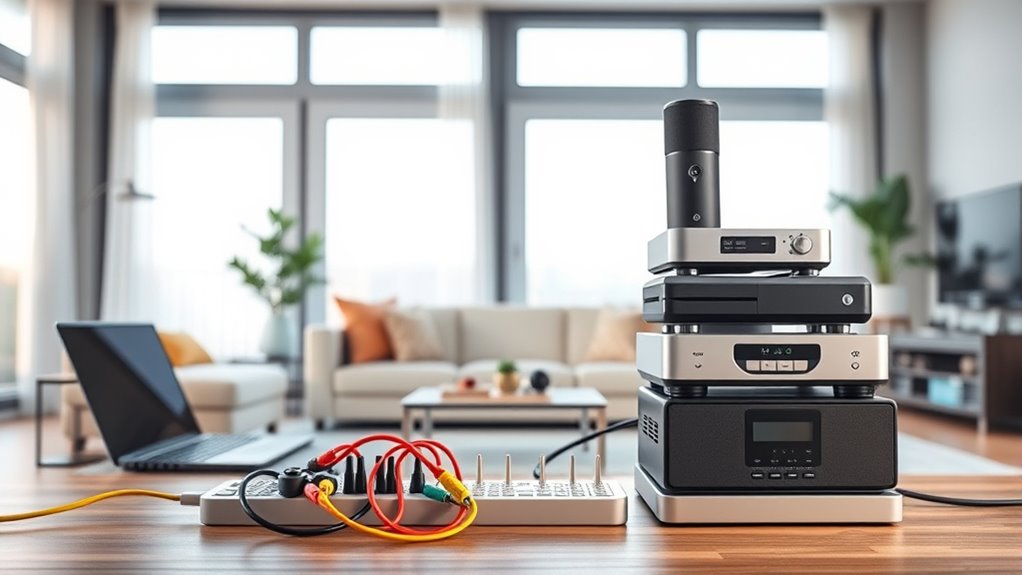
While keeping medical devices and lighting operational is vital, managing non-essential appliances becomes important once those needs are met. You should turn off devices like entertainment systems, small kitchen appliances, and chargers that aren’t immediately needed. These appliances draw power and drain your backup resources faster if left on. Prioritizing essential functions means conserving energy for the most important tasks. If you have limited power, avoid running multiple non-essential devices simultaneously. Instead, focus on keeping essential appliances running smoothly. Once your critical needs are covered, gradually restore non-essential appliances if power allows. This approach ensures your backup power lasts longer and supports a steady, manageable supply until normal power is restored.
Conserving Power for Future Use

Conserving power for future use requires intentional, strategic actions to stretch your backup resources as long as possible. Every watt saved now can mean the difference between a short outage and a prolonged struggle. You can make a real impact by prioritizing essentials and minimizing waste. Focus on reducing energy consumption by switching off unused devices, limiting lighting, and avoiding unnecessary appliance use. These small acts preserve your backup power for critical needs and give you peace of mind. Remember, every effort counts during an outage. Stay vigilant, conserve wisely, and keep your essential systems running when it matters most.
Save backup power by turning off unused devices and limiting lighting—every action helps during an outage.
- Feel confident knowing you’re doing everything to keep your family safe and comfortable.
- Experience relief as your backup power lasts longer, reducing stress and uncertainty.
- Gain control over unpredictable situations by making smart, deliberate choices today.
Frequently Asked Questions
How Often Should I Review and Update My Backup Power Priorities?
You should review and update your backup power priorities at least twice a year, especially before storm seasons or scheduled maintenance. Life changes, new appliances, or shifts in your household’s needs can impact your priorities. Regular checks help guarantee critical devices stay powered during outages. Keep a checklist handy, and adjust as needed to stay prepared. Staying proactive ensures your backup system remains aligned with your current household priorities.
What Are the Best Portable Power Options for Emergency Backup?
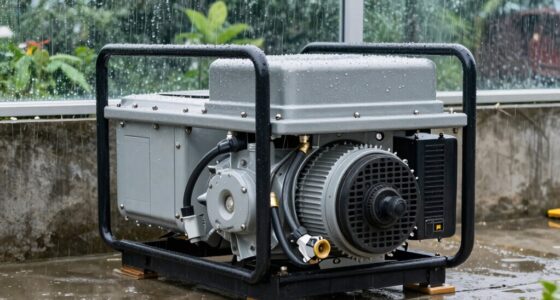
Imagine losing power during a storm; a portable generator can keep your essential devices running. One great option is a high-capacity portable power station, like the Jackery Explorer. It’s lightweight, quiet, and recharges via solar or AC. You can power your phone, lights, and small appliances. For emergency use, these stations are reliable, versatile, and easy to store, ensuring you stay connected and safe when the grid fails.
How Can I Safely Store Backup Power Sources During Non-Use Periods?
You should store backup power sources in a cool, dry, well-ventilated area away from flammable materials. Keep them in their original packaging or in sturdy, insulated containers to prevent damage. Regularly check for corrosion, leaks, or damage, and recharge or maintain batteries as recommended by the manufacturer. Label storage areas clearly and ensure they are out of reach of children or pets for safety.
What Signs Indicate My Backup Power System Is Failing?
Think of your backup power system as a trusted steed. If it starts to stumble, make strange noises, or refuses to respond when called upon, it’s signaling trouble. You might notice reduced runtime, difficulty starting, or overheating. Dimming lights or inconsistent power are warning signs, too. Regular maintenance and inspections are essential; if issues persist, seek professional help before your system fails when you need it most.
How Do Weather Conditions Affect My Backup Power Plan?
Weather conditions considerably impact your backup power plan. Storms, heavy snow, or high winds can cause power outages, so you should prepare by ensuring your generator is well-maintained and fueled before bad weather hits. Freezing temperatures may affect fuel stability or battery performance, so keep your equipment in a sheltered spot. Always monitor weather updates to adjust your backup plan proactively and avoid surprises when conditions worsen.
Conclusion
Balancing your backup power isn’t just about what you can afford to lose, but what keeps you safe and connected. While you might be tempted to run entertainment systems, remember that securing safety and crucial needs always comes first. Prioritizing essentials now ensures you’re prepared for the unexpected, even if it means sacrificing comfort. In the end, it’s not just about powering your home—it’s about powering your peace of mind when it matters most.