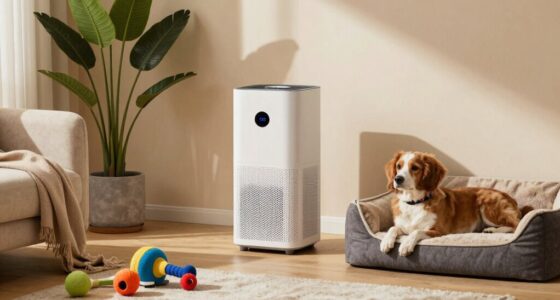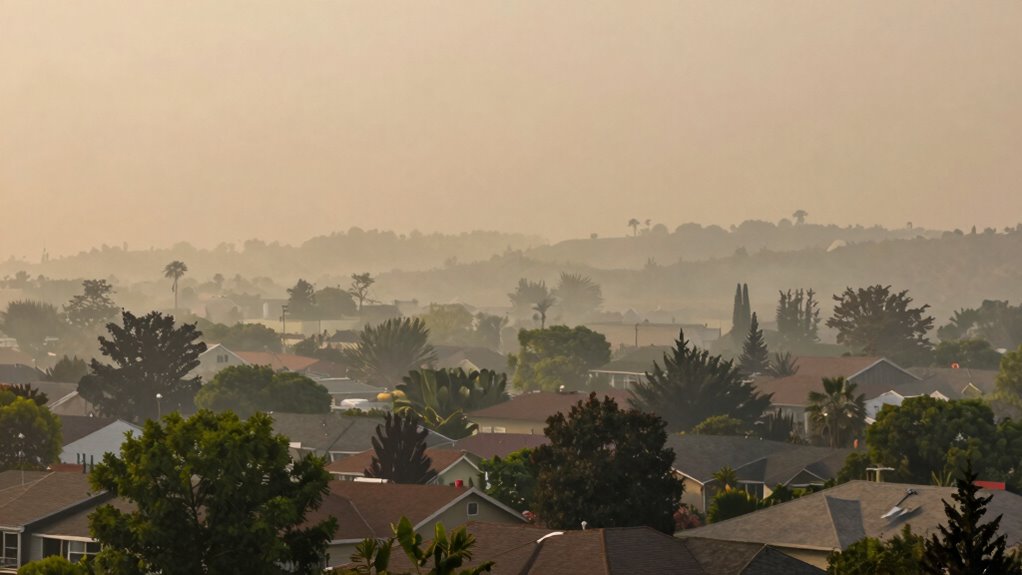

To stay ready for smoke season, monitor air quality reports regularly and use HEPA filters or air purifiers indoors. Prepare an emergency kit with masks, water, and medicines, and establish communication and evacuation plans for your family. Protect your property with fire-resistant landscaping, and stay informed about local alerts and safety measures. Recognizing smoke inhalation symptoms can save lives. If you want to know more, you’ll find helpful tips to keep you safe during wildfire outbreaks.

Turn your quiet moments into listening time
- Thousands of audiobooks, podcasts and originals
- Listen on your phone, tablet or Echo — also offline
- Cancel anytime
Key Takeaways
- Monitor local air quality reports regularly and use air purifiers to maintain indoor air safety.
- Prepare emergency kits with masks, water, medications, and essential supplies for all family members.
- Develop and practice an evacuation plan, including routes, shelter locations, and fire-resistant landscaping strategies.
- Recognize symptoms of smoke inhalation and seek prompt medical attention if needed.
- Stay informed through trusted sources, and implement fire-resistant landscaping and indoor air filtration measures.
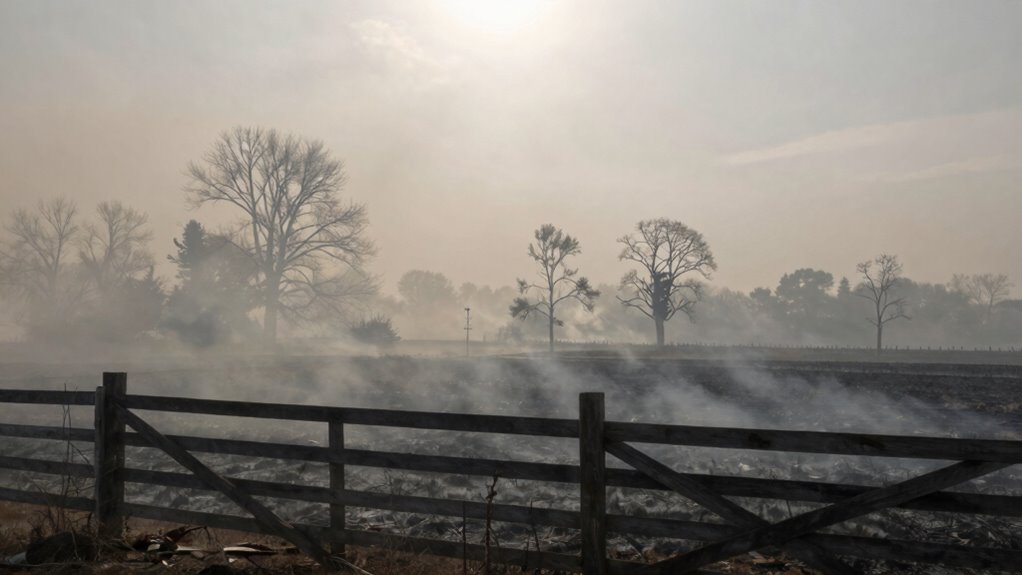
As wildfire season approaches, are you prepared to protect yourself and your loved ones from smoke inhalation? Smoke from wildfires can considerably impact air quality, making it essential to understand how to stay safe. Poor air quality from smoke contains harmful particles that can cause respiratory issues, especially for children, the elderly, and those with existing health conditions. Being proactive with emergency preparedness means having a plan in place to minimize exposure and respond quickly when smoke levels rise.
Start by monitoring air quality reports regularly through trusted sources like weather apps or government alerts. When air quality drops to unhealthy levels, it’s crucial to limit outdoor activities and keep windows and doors closed. Using HEPA filters and air purifiers inside your home can help remove airborne particles, improving indoor air quality and reducing health risks. Remember, the goal is to create a safe indoor environment where your family can breathe easier during smoke season.
Monitor air quality reports regularly and use HEPA filters to keep indoor air safe during smoke season.
Preparing an emergency kit is an essential part of your readiness plan. Include essentials like masks rated N95 or higher to filter out dangerous particles, bottled water, medications, and any necessary supplies for your family. Having these ready means you won’t be caught off guard when smoke levels spike suddenly. It’s equally important to establish communication plans with loved ones so everyone knows how to stay connected and where to meet if evacuation becomes necessary.
Your emergency preparedness should also involve creating an evacuation plan. Know your local evacuation routes and shelters, and plan how you’ll protect your home from fires, such as clearing brush and installing fire-resistant landscaping. This preparation helps reduce the risk of fire spreading to your property, which in turn minimizes smoke exposure. If authorities issue evacuation orders, follow them promptly to guarantee everyone’s safety. Additionally, understanding fire-resistant landscaping can significantly contribute to reducing the risk of fires spreading to your property.
Educate yourself and your family about the symptoms of smoke inhalation and respiratory distress. Recognizing early signs enables you to seek medical attention promptly. During smoke season, staying informed and vigilant is your best defense. Regularly check updates from local agencies and health departments to stay aware of current conditions and recommended actions. Additionally, understanding the importance of indoor air quality and how to improve it can significantly reduce health risks during this period. Incorporating air filtration systems can further enhance indoor safety by removing fine particles from the air. Staying aware of air quality levels and their health implications can help you make timely decisions to protect your family. Moreover, being aware of emergency preparedness strategies ensures you are ready to respond effectively when needed.
HEPA air purifier for wildfire smoke large room
As an affiliate, we earn on qualifying purchases.
As an affiliate, we earn on qualifying purchases.
Frequently Asked Questions
How Does Smoke Season Impact Local Wildlife?
Smoke season impacts local wildlife by disrupting their habitats and migration patterns. You might notice animals struggling to find food or water, as smoke and fire alter their environment. Wildlife migration gets delayed or diverted because of habitat disruption, making it harder for animals to reach safe areas. This stress can weaken their health, reduce reproduction, and threaten overall population stability, emphasizing the importance of protecting their habitats during fire season.
Are There Specific Health Precautions for Vulnerable Populations?
You should prioritize specific health precautions during smoke season, especially if you’re vulnerable. When air quality drops, your respiratory health takes a hit first—so stay indoors, use air purifiers, and wear masks outdoors. Coincidentally, these measures help protect your lungs from harmful particles, ensuring you breathe easier. For vulnerable populations like children, seniors, or those with asthma, it’s essential to follow these precautions diligently to prevent serious health issues.
What Are the Economic Effects of Prolonged Smoke Seasons?
Prolonged smoke seasons can cause significant economic strain on communities and individuals. You might see increased insurance claims due to property damage or health-related issues, which can raise premiums over time. Local businesses could suffer as people avoid outdoor activities, leading to decreased sales and revenue. Additionally, the costs of emergency response and air quality management rise, putting pressure on public resources and straining local economies.
How Can Businesses Prepare for Smoke-Related Disruptions?
You can prepare for smoke-related disruptions by prioritizing indoor air quality and implementing emergency preparedness plans. Invest in high-efficiency air filters and guarantee proper ventilation to reduce smoke infiltration. Develop clear protocols for employees to follow during smoky conditions, including remote work options if needed. Regularly monitor air quality reports, stay informed about smoke forecasts, and communicate updates promptly to minimize health risks and maintain business continuity.
Are There Community Resources Available During Smoke Season Emergencies?
Yes, community resources are available during smoke season emergencies. You can access local health departments for indoor air quality guidance and emergency kits to stay prepared. Many communities also offer cooling centers, air purifiers, and educational programs on reducing smoke exposure. Stay informed through local alerts, and don’t hesitate to reach out for assistance with indoor air quality improvements or to obtain emergency kits to protect your health.
N95 respirator masks for wildfire smoke adults
As an affiliate, we earn on qualifying purchases.
As an affiliate, we earn on qualifying purchases.
Conclusion
As smoke season approaches, you’ve prepared tirelessly—stockpiling masks, sealing windows, and monitoring air quality. Ironically, all this effort might feel like a shield against nature’s unpredictable fury. Just remember, despite your readiness, the smoke’s silence can be deceiving, sneaking into the smallest cracks. So, while you’re safeguarding your home, don’t forget: sometimes, the biggest threat comes from the very act of preparing itself. Stay vigilant—nature’s surprises never quite follow the plan.
As an affiliate, we earn on qualifying purchases.
wildfire emergency preparedness kit with first aid supplies
As an affiliate, we earn on qualifying purchases.
As an affiliate, we earn on qualifying purchases.
Halloween Picks
halloween
As an affiliate, we earn on qualifying purchases.