
TL;DR

Turn your quiet moments into listening time
- Thousands of audiobooks, podcasts and originals
- Listen on your phone, tablet or Echo — also offline
- Cancel anytime
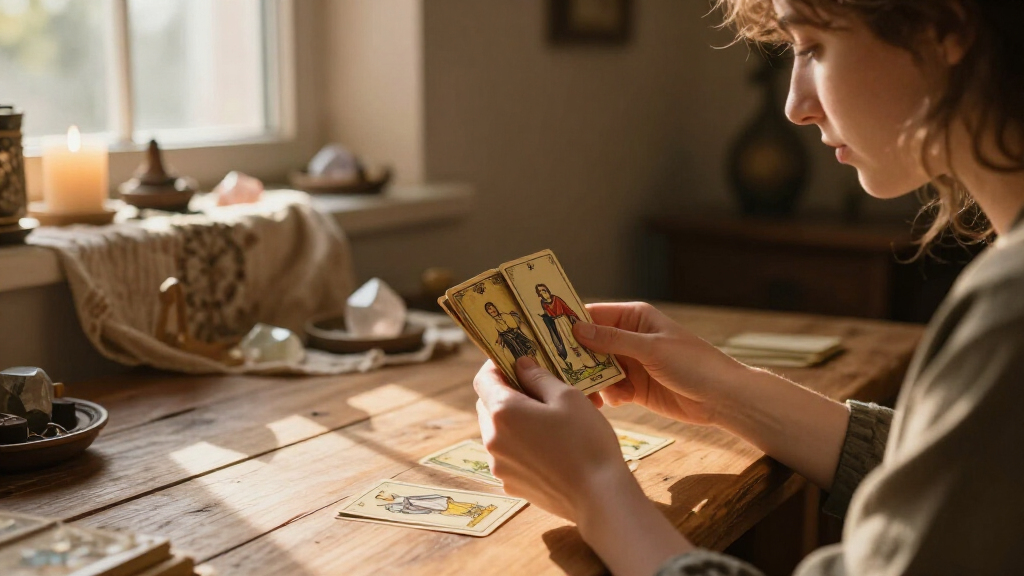
Tarot cards have persisted for over 500 years, adapting through cultural changes and enduring skepticism. This trend is gaining renewed attention, driven by rising curiosity in spirituality and mysticism.
Tarot cards have survived for more than five centuries, maintaining relevance amid shifting cultural and spiritual landscapes. This enduring presence is now attracting renewed attention, driven by a spike in online searches and media coverage, although the precise cause of this renewed interest remains unconfirmed, according to trend analysts.
Historically, Tarot originated in 15th-century Europe, initially used as playing cards before evolving into tools for divination and spiritual insight. Despite periods of skepticism, bans, and modernization, Tarot has persisted through centuries, adapting to cultural shifts and societal attitudes. Recent data indicates a significant increase in online searches and media articles exploring Tarot’s history and contemporary relevance, suggesting a resurgence of interest among both spiritual seekers and the general public.
Experts note that the survival of Tarot can be attributed to its flexible symbolism, cultural adaptability, and the modern digital environment that facilitates community and knowledge sharing. While some critics dismiss Tarot as superstition, its supporters view it as a meaningful spiritual practice, contributing to its resilience. The current spike in interest is also linked to broader trends in spirituality and alternative wellness, although the specific triggers for this renewed fascination are still unclear.
Why Tarot’s 500-Year Survival Matters Today
The longevity of Tarot underscores its ability to adapt and remain relevant amidst changing societal norms. It highlights the enduring human desire for spiritual guidance and self-reflection, especially in an era marked by increased interest in alternative spirituality and wellness practices. For cultural historians, Tarot’s survival illustrates how symbolic tools can transcend their origins to become embedded in popular culture, influencing art, literature, and even mainstream wellness movements. This trend also raises questions about the evolving role of traditional spiritual practices in contemporary society and their potential for continued adaptation.
As an affiliate, we earn on qualifying purchases.
Historical Roots and Modern Resurgence of Tarot
Tarot originated in 15th-century Europe, initially as a deck of playing cards before gaining associations with mysticism and divination in the 18th and 19th centuries. Its symbolism has been influenced by various cultural and spiritual movements, including the Hermetic tradition, Kabbalah, and the occult revival of the 20th century. Despite periods of decline, especially during the rise of scientific rationalism, Tarot maintained a niche following. In recent decades, especially with the advent of the internet and social media, Tarot has experienced a notable resurgence, with online communities, influencers, and new deck designs fueling renewed interest.
While some attribute this revival to a broader cultural shift toward spirituality and self-care, others see it as a reaction to societal uncertainty and a desire for personal empowerment. The current spike in coverage and search interest appears to be part of this ongoing trend, though the precise catalysts are still unconfirmed.
As an affiliate, we earn on qualifying purchases.
Unclear Triggers Behind the Renewed Interest
While data shows a spike in interest and coverage, it is not yet confirmed what specific events or cultural shifts triggered this resurgence. Experts suggest factors like social media trends, increased focus on wellness, or broader societal uncertainties may play a role, but definitive evidence remains unavailable. The precise reasons for the current surge are still under investigation, and the influence of particular influencers or media campaigns has not been confirmed.
As an affiliate, we earn on qualifying purchases.
Monitoring Future Trends in Tarot Popularity
Researchers and industry analysts expect continued interest in Tarot, especially as online communities grow and new decks and resources are released. Further studies may clarify what drives these cultural shifts, and media coverage is likely to evolve accordingly. Practitioners anticipate that Tarot’s role in personal and spiritual development will remain significant, with possible mainstream integration into wellness practices. Observers will watch for new developments, such as influential personalities or cultural events, that could sustain or amplify this trend.
As an affiliate, we earn on qualifying purchases.
Key Questions
Why has Tarot lasted for over 500 years?
Its adaptability, rich symbolism, and ability to resonate with human needs for guidance and self-reflection have helped Tarot endure through centuries of cultural change and skepticism.
What is causing the recent spike in interest?
While exact causes are unconfirmed, factors may include social media influence, a growing focus on wellness and spirituality, and societal uncertainty driving people toward alternative practices like Tarot.
Is Tarot considered a reliable method for guidance?
Opinions vary; supporters view it as a meaningful spiritual tool, while skeptics see it as entertainment or superstition. Its effectiveness depends on personal belief and context.
Will Tarot remain popular in the future?
Many experts believe Tarot will continue to be relevant, especially as it integrates into broader wellness and spiritual communities, though its prominence may fluctuate over time.
Are new Tarot decks and resources still being created?
Yes, the market for Tarot decks remains active, with artists and creators releasing innovative designs that appeal to modern audiences, further fueling interest.
Source: rss
Fall Picks
fall essentials
As an affiliate, we earn on qualifying purchases.