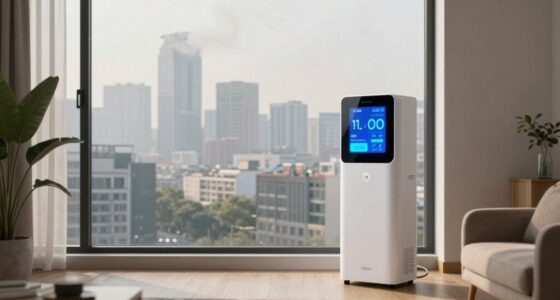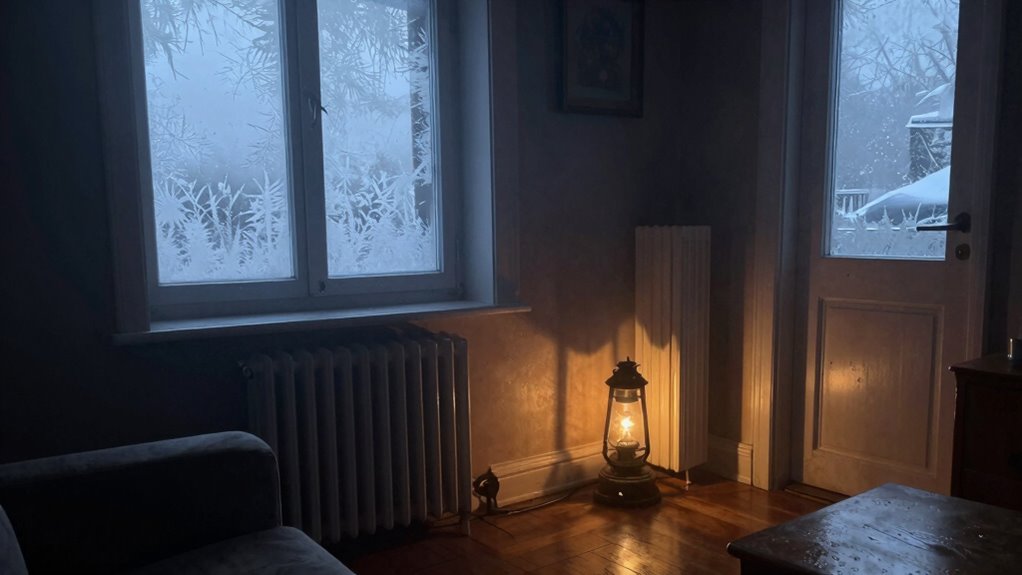

During winter, your house feels stuffy because closed windows and doors trap indoor pollutants and limit fresh airflow. Heating dries out the air, making your nasal passages dry and more vulnerable to colds. Without proper ventilation, stale air, odors, and moisture buildup can make your space feel uncomfortable and damp. Understanding how humidity and ventilation affect indoor air can help you improve comfort and health. Keep exploring to discover simple ways to freshen your home during cold months.

Turn your quiet moments into listening time
- Thousands of audiobooks, podcasts and originals
- Listen on your phone, tablet or Echo — also offline
- Cancel anytime
Key Takeaways
- Sealed windows and doors trap indoor pollutants, reducing fresh airflow and causing stale, stuffy air during winter.
- Cold weather limits natural ventilation, leading to pollutant buildup and decreased air quality inside the house.
- Dry indoor air from heating systems dries nasal passages, making the environment feel more uncomfortable and stuffy.
- Lack of proper humidity control can increase odors and pollutants, contributing to a stuffy indoor atmosphere.
- Insufficient ventilation and improper humidity levels together create a stagnant, stale indoor environment in winter.

When winter arrives and you spend more time indoors, the quality of your indoor air becomes increasingly important. Cold weather often leads to sealed windows and doors, which can trap pollutants and reduce fresh airflow. As a result, the air inside your home can feel stale and stuffy. Poor air quality isn’t just uncomfortable; it can also contribute to health issues like allergies, respiratory problems, and fatigue. One of the key factors influencing indoor air quality during winter is humidity control. When the air becomes too dry, which is common with heating systems running constantly, your nasal passages can dry out, making you more vulnerable to colds and infections. Conversely, if humidity levels are too high, it encourages mold growth and dust mites, both of which can worsen allergies and respiratory issues. Achieving a balanced humidity level helps keep your indoor air comfortable and healthy.
Maintaining proper humidity isn’t just about comfort; it directly impacts how stuffy your house feels. When the air is too dry, it can make your home feel stuffier because dry air tends to hold onto odors and pollutants longer. This dryness also causes static electricity and can make your skin feel dry and irritated. On the other hand, if humidity levels are overly high, moisture can accumulate in the air, making rooms feel damp and muggy. This dampness can lead to a musty smell, which adds to that sense of stuffiness. To prevent this, using a humidifier or dehumidifier depending on your home’s needs can make a significant difference. These devices help regulate humidity, ensuring it stays within the ideal range of 30-50%. When humidity is properly controlled, your indoor air feels fresher, cleaner, and less oppressive. Additionally, proper ventilation plays a crucial role in maintaining good air quality by allowing fresh air to circulate and pollutants to escape, which is especially important during colder months when indoor air can become stagnant.
air purifier for indoor air quality
As an affiliate, we earn on qualifying purchases.
As an affiliate, we earn on qualifying purchases.
Frequently Asked Questions
How Can I Improve Indoor Air Quality During Winter?
To improve indoor air quality during winter, you should use air purifiers to remove dust and allergens. Also, maintain proper humidity control to prevent dryness and stuffiness. Open windows briefly when possible, and avoid over-heating your home. Regularly change filters and clean vents. These steps help circulate fresh air, reduce indoor pollutants, and create a more comfortable, healthier environment during cold months.
What Are the Health Risks of Stale Indoor Air?
Stale indoor air is like a slow poison, silently affecting your health. When you breathe it in, you risk mold growth, which can worsen allergies and cause respiratory issues. Over time, poor air quality may lead to headaches, fatigue, and even more severe lung problems. To protect yourself, increase ventilation, use air purifiers, and keep humidity levels balanced. Don’t ignore these risks—your health depends on fresh, clean air.
Do Houseplants Help With Winter Indoor Air Quality?
Yes, houseplants can improve winter indoor air quality by providing plant benefits like natural filtration. They absorb toxins and increase humidity, making the air feel fresher and less stuffy. You’ll notice a difference when you add plants to your space, as they help reduce indoor pollutants and boost overall air quality. Keep a variety of easy-care plants nearby for the best natural filtration and a healthier, more comfortable home.
How Often Should I Ventilate My Home in Winter?
You should ventilate your home at least once or twice daily in winter to maintain good indoor air quality. Use effective ventilation techniques like opening windows briefly or running exhaust fans to exchange stale indoor air with fresh outdoor air. Keep indoor humidity in check, ideally between 30-50%, to prevent stuffiness and mold growth. Regular ventilation helps reduce indoor pollutants and keeps your home feeling fresh and comfortable.
Are Air Purifiers Effective Against Winter Indoor Pollutants?
Air purifiers can be effective against winter indoor pollutants if you maintain them properly. Regular air purifier maintenance ensures ideal winter air filtration, helping remove dust, pet dander, and other airborne particles. To maximize effectiveness, change filters as recommended and keep your purifier running consistently. Although they help improve air quality, combining purifiers with good ventilation practices provides the best protection against indoor pollutants during cold months.
As an affiliate, we earn on qualifying purchases.
Conclusion
So, next time your house feels stuffy despite the cold outside, remember that proper ventilation and humidity control can make a big difference. Isn’t it worth taking a few simple steps to breathe easier and stay healthier? Winter’s chill might keep us indoors, but it shouldn’t trap us in stale, uncomfortable air. By staying mindful of your indoor environment, you can enjoy a warmer, fresher home all season long.
dehumidifier for dampness control
As an affiliate, we earn on qualifying purchases.
As an affiliate, we earn on qualifying purchases.
ventilation fan for indoor air circulation
As an affiliate, we earn on qualifying purchases.
As an affiliate, we earn on qualifying purchases.
Fall Picks
fall essentials
As an affiliate, we earn on qualifying purchases.