A true HEPA filter is designed to trap at least 99.97% of 0.3-micron particles, but its real-world performance depends on proper maintenance, installation, and environmental conditions. If filters get clogged or are incorrectly installed, their effectiveness drops, and environmental factors like humidity or dust can accelerate wear. Keeping your filter clean and well-placed is vital for maximum results. To understand how to guarantee your HEPA filter works best in your space, follow along for more insights.
Key Takeaways
- “True HEPA” meets lab standards of capturing ≥99.97% of 0.3-micron particles but may perform differently in real environments.
- Proper maintenance and timely filter replacement are essential to sustain HEPA filter effectiveness.
- Correct installation and placement ensure optimal airflow and filtration efficiency in practical use.
- Environmental factors like humidity and dust can shorten filter lifespan and reduce real-world performance.
- Certification labels do not guarantee flawless performance; ongoing care and proper usage are crucial for best results.

Have you ever wondered how HEPA filters perform outside of laboratory tests? It’s a valid question because many rely on the term “HEPA” to guarantee clean air, but the reality can be quite different depending on how the filters are used and maintained. When shopping for an air purifier, understanding air purifier standards is essential. These standards, set by organizations like the U.S. Department of Energy and the European Committee for Standardization, define what qualifies as a True HEPA filter. Generally, a True HEPA filter must trap at least 99.97% of airborne particles that are 0.3 microns in diameter. But meeting these standards in a lab doesn’t automatically mean the filter performs the same way in your home or office.
True HEPA filters meet standards in labs, but real-world performance depends on maintenance and environment.
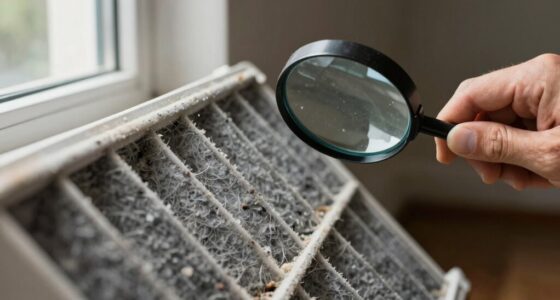
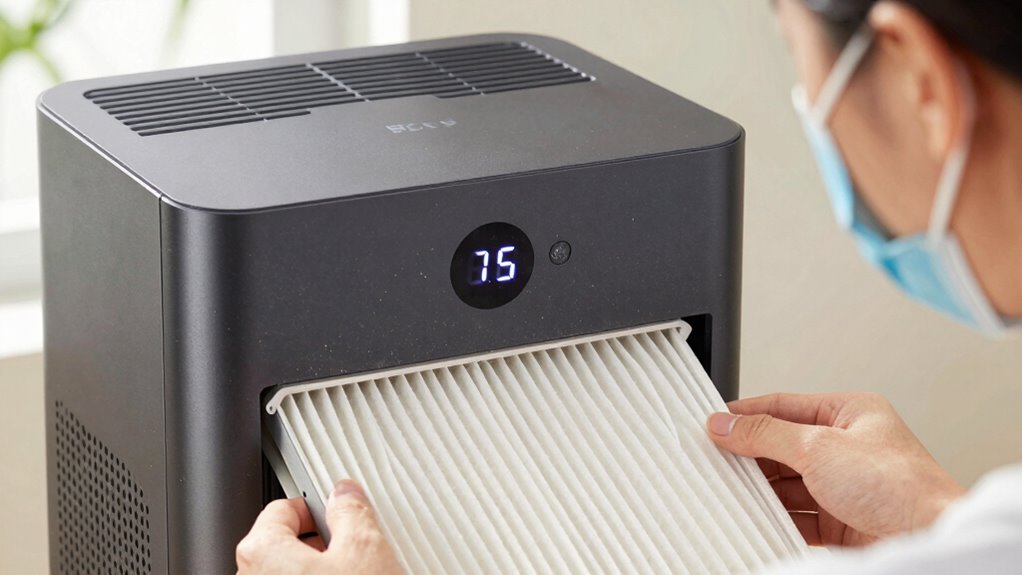
In real-world conditions, filter maintenance plays a critical role in *guaranteeing* your HEPA filter functions as intended. Over time, filters collect dust, pet dander, mold spores, and other pollutants. If you don’t replace or clean the filter regularly, airflow can become restricted, *considerably* reducing the filter’s effectiveness. A clogged filter not only diminishes air quality but also causes the air purifier’s motor to work harder, leading to higher energy consumption and potential damage. *Consequently*, adhering to the manufacturer’s recommended filter maintenance schedule is key to maintaining *ideal* performance. This includes recognizing signs it’s time for a change, such as a noticeable decrease in airflow or a persistent odor that the purifier no longer neutralizes.
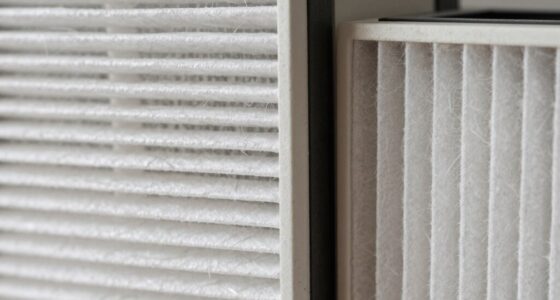
Keep in mind that the true performance of a HEPA filter also depends on proper installation and placement. If the filter isn’t seated correctly, or if the air purifier is placed in a cramped or obstructed space, airflow will be compromised, and the filter’s ability to trap particles will be reduced. Additionally, environmental factors like high humidity or excessive dust can accelerate filter degradation, emphasizing the importance of regular upkeep. Regularly checking for proper filtration technology can help ensure your filter continues to operate effectively over time.
Ultimately, the label “True HEPA” is a good starting point, but it doesn’t *substantially* guarantee flawless performance in every setting. To get the most out of your air purifier, stay vigilant about filter maintenance, follow air purifier standards closely, and be mindful of how your environment affects filter longevity. Doing so ensures you’re truly getting cleaner air, not just relying on marketing claims. Proper care and awareness turn a basic HEPA filter into a powerful tool for improving your indoor air quality in everyday life.
Frequently Asked Questions
How Often Should HEPA Filters Be Replaced for Optimal Performance?
You should replace your HEPA filter every 6 to 12 months for maximum performance, depending on its filter lifespan and your usage. Regularly check for visible dirt or reduced airflow, which signals it’s time for a replacement. Following a consistent replacement schedule helps maintain air quality and ensures your HEPA filter continues to effectively trap pollutants, allergens, and particles, keeping your indoor air clean and healthy.
Can HEPA Filters Remove Viruses and Bacteria Effectively?
Did you know HEPA filters can remove 99.97% of particles as small as 0.3 microns? They’re effective at viral filtration and bacteria removal, capturing most airborne pathogens. While they don’t eliminate all viruses and bacteria, they considerably reduce airborne contaminants, helping protect your indoor air quality. For maximum efficiency, make sure your filter is regularly replaced and properly maintained.
Are All HEPA Filters Equally Effective Regardless of Brand?
Not all HEPA filters are equally effective, as filter quality and brand reliability vary. You should look for filters that meet strict standards like true HEPA certification, ensuring they capture at least 99.97% of particles as small as 0.3 microns. Choosing reputable brands with consistent quality control gives you confidence that your filter performs as promised. Don’t compromise on these factors to make certain of maximum protection and air purity.
Do HEPA Filters Produce Ozone or Other Harmful Byproducts?
You might worry that HEPA filters produce ozone or harmful byproducts, but true HEPA filters don’t generate ozone during operation. Unlike some air purifiers that emit ozone as a byproduct, HEPA filters simply trap particles without chemical reactions. This means you can breathe easier, knowing your filtration system isn’t adding potentially dangerous substances into the air. Choose a certified true HEPA filter for effective cleaning without the risk of harmful byproducts.
How Does Humidity Affect HEPA Filter Efficiency?
Humidity impact can diminish your HEPA filter’s efficiency by encouraging mold and bacteria growth, which clog the filter faster. Excess moisture may also cause the filter media to degrade, shortening its lifespan. To maintain peak performance, keep indoor humidity levels between 30-50%. Regularly monitor humidity and replace your filter as recommended to guarantee it continues to effectively trap particles without being compromised by moisture.
Conclusion
Think of true HEPA filters as the gatekeepers of fresh air, standing firm against tiny invaders. When you choose a genuine HEPA, you’re arming your space with a powerful shield that captures more than just dust—it’s like having a trusty guard watching over your air every moment. So, next time you breathe easy, remember, you’re trusting in the real deal, turning your environment into a safe haven where purity reigns supreme.